Period konvencionalno označen kao Moderna umetnost obuhvata otprilike 165 godina neprestanog umetničkog preobražaja, od kasnoosamneastovekovnog ponovnog potvrđivanja klasičnih ideala do psihičkih previranja nadrealizma uoči Drugog svetskog rata. Nijedna druga epoha u istoriji zapadne umetnosti nije bila svedok toliko fundamentalnih revolucija u tako zbijenom vremenskom rasponu. Jedna za drugom, temeljne pretpostavke slikarske prakse — linearna perspektiva, lokalna boja, idealizovana forma, narativna čitljivost — bile su ispitivane, podrivane i u mnogim slučajevima potpuno napuštane. Ono što je nastalo nije bio jedan stil, već kaskadna sekvenca pokreta, od kojih je svaki reagovao protiv svog prethodnika i predlagao radikalno novi odnos između umetnosti i sveta koji je nastojala da predstavi. Proučavati modernu umetnost znači pratiti konvulzivno rađanje vizuelne kulture u kojoj još uvek živimo.
Neoklasicizam i doba razuma
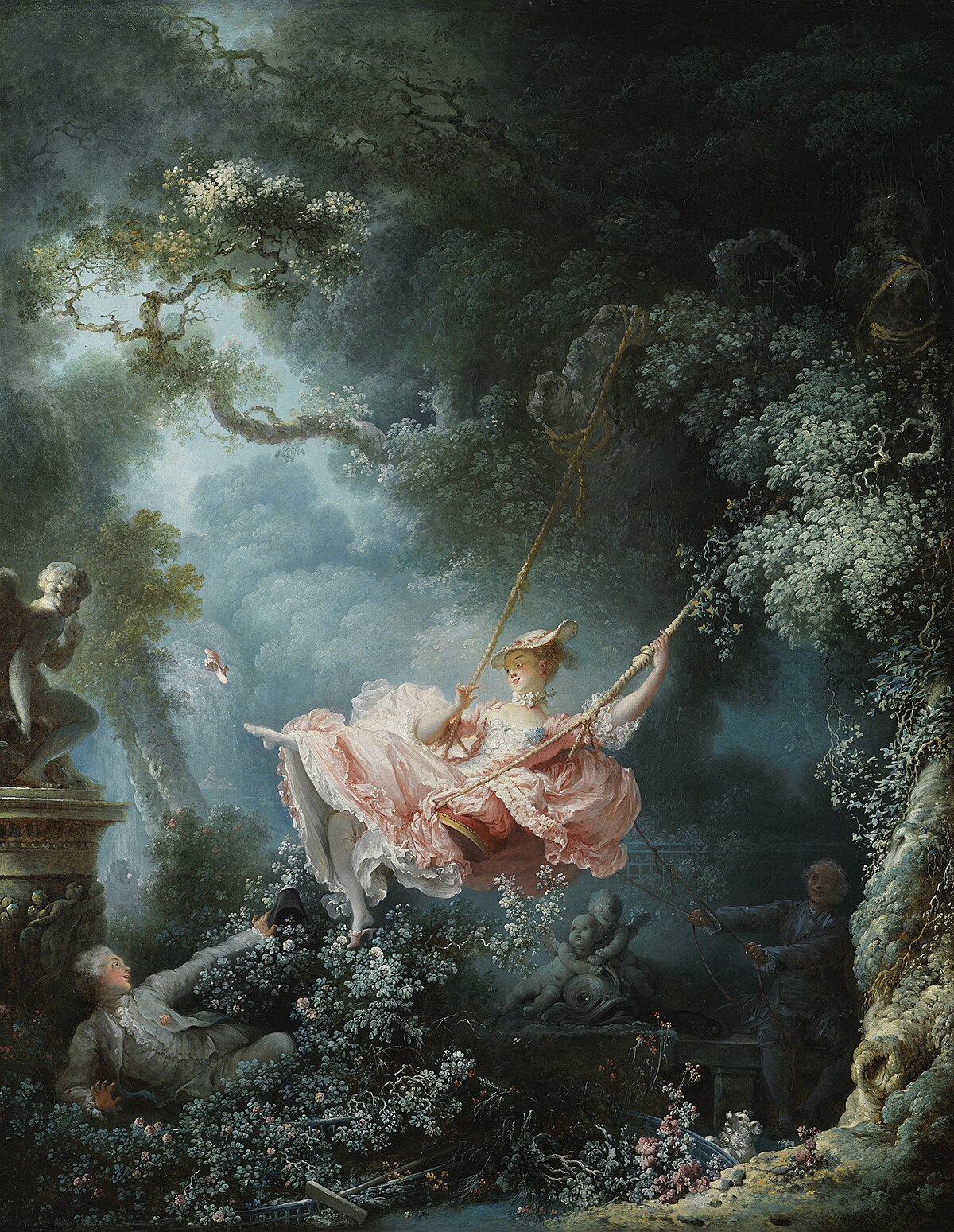
Priča o modernoj umetnosti počinje, paradoksalno, pogledom unazad. Neoklasicizam je nastao sredinom osamnaestog veka kao svesna reakcija protiv frivolnosti i dekorativnog ekscesa rokokoa, crpeći svoj moralni i estetski autoritet iz civilizacija antičke Grčke i Rima. Intelektualne temelje pokreta postavio je nemački arheolog i istoričar umetnosti Johan Joakim Vinkelman, čije su Misli o podražavanju grčkih dela u slikarstvu i skulpturi (1755.) i Istorija antičke umetnosti (1764.) artikulisale enormno uticajnu viziju klasične umetnosti kao otelotvorenja „plemenite jednostavnosti i tihe veličanstvenosti”. Za Vinkelmana, savršenstvo grčke skulpture nije bilo samo estetsko dostignuće već moralno, vidljivi izraz slobodnog i vrlinom ispunjenog društva. Njegovi spisi zapalili su panjevropski entuzijazam za antiku koji je transformisao arhitekturu, književnost i vizuelne umetnosti podjednako.
Nijedan umetnik nije Vinkelmanove ideale preveo u slikarsku praksu snažnije od Žak-Luja Davida. Školovan u Francuskoj akademiji u Rimu, David je iskovao strog, monumentalan stil koji je koristio jasnoću klasične kompozicije za isporučivanje hitnih političkih poruka. Njegova Zakletva Horacija (1784.), koja prikazuje tri rimska brata koji se zaklinjuju da će žrtvovati živote za Republiku, postala je ikona građanske vrline i, posle 1789., nezvanični amblem same Francuske revolucije. Davidova Smrt Maraa (1793.) uzdigla je ubijenog revolucionarnog novinara na status svetovnog mučenika, njenom strogom kompozicijom — srušena figura, krvava kupka, prazna gornja polovina platna — postižući ozbiljnost koja se takmiči sa najvećim renesansnim pijetama. Kao i slikar i politički aktivista, David je demonstrirao da umetnost može služiti kao oružje ideološke transformacije, uverenje koje bi odzvanjalo kroz čitav moderni period.
Žan-Ogist-Dominik Engr, Davidov najdarovitiji učenik, preneo je neoklasične principe duboko u devetnaesti vek, mada ih je obojio čulnošću i formalnom inventivnošću koju njegov učitelj možda ne bi odobrio. Engr je bio vrhovni crtač svog doba, poklenik onoga što je nazvao „poštenjem linije”. Njegovi portreti — raskošna Madam Moatese (1856.), hladno imperatorska Princeza de Broji (1853.) — pokazuju gotovo natprirodnu preciznost konture, svaki nabor svile i krivina tela izvedeni sa lapidacnom tačnošću. Ipak, njegovi veliki aktovi, naročito Velika odaliska (1814.), otkrivaju spremnost da iskrivi anatomiju u službi estetske harmonije: nemoguće izdužena leđa odaliski dodaju tri pršljena ljudskoj kičmi, sloboda koja je skandalizovala anatomiste, ali proizvela sinuoznu lepotu koja bi kasnije fascinirala Matisa i Pikasa.
„Lepo je uvek bizarno.” — Šarl Bodler, pišući o napetosti između klasičnih ideala i modernog senzibiliteta
U skulpturi, neoklasični ideal pronašao je svoj vrhovni izraz u delu Italijana Antonija Kanove, čiji su mermeri postigli sjaj i eteričnu profinjenost koja je, činilo se, nadilazi njihov medij. Psiha oživljena Kupidovim poljupcem (1793.) hvata trenutak božanskog buđenja sa nežnošću koja prkosi kamenu od kojeg je isklesana; uzajamna igra udova dve figure stvara spiralnu kompoziciju izuzetne gracionosti. Kanovin savremenik, danski vajar Bertel Torvaldsen, sledeo je strožiji, arheološki tačniji klasicizam, proizvodeći reljefe i slobodnostojeće figure koje su uživale ogroman prestiž širom Evrope. Zajedno, ovi umetnici uspostavili su vokabular idealizovane forme, herojske tematike i moralne ozbiljnosti koji bi definisao akademsku umetnost decenijama — i protiv kojeg bi uzastopne generacije modernista definisale sebe u opoziciji.
Neoklasični trenutak bio je, u svojoj suštini, tvrdnja da umetnost može biti i racionalno uređena i moralno svrsishodna. Zasnivajući estetsku vrednost na primeru antike, obezbedio je stabilnu osnovu — kanon lepote, hijerarhiju žanrova, institucionalni okvir akademija i salona — koja bi služila kao neizostavni pandan za svaki avangardni preokret koji je dolazio. Ne može se razumeti pobuna romantizma, realizma ili impresionizma bez prethodnog razumevanja autoriteta sistema koji su nastojali da svrgnu.
Romantizam i uzvišeno
Ako je neoklasicizam šampionirao razum, red i kolektivni ideal, romantizam je uzdizao emociju, imaginaciju i nesvodivi suverenitet pojedinca. Nastajući u kasnom osamnaestom veku i dostižući zenit između otprilike 1800. i 1850., romantičarski pokret bio je manje objedinjeni stil, a više zajedniči senzibilitet — uverenje da se najdublje istine ne dohvataju racionalnom analizom, već osećanjem, intuicijom i direktnim susretom sa preovlađujućim silama prirode. Koncept uzvišenog, teoretizovan od strane Edmunda Berka u Filozofskom istraživanju (1757.) i razvijen od strane Imanuela Kanta, bio je centralan: uzvišeno je bio onaj kvalitet ogromnosti, moći ili užasa koji premašuje sposobnost uma da ga obuhvati, proizvodeći mešavinu strahopoštovanja i strepnje koju su romantičarski umetnici nastojali da evociraju u boji, kamenu i reči.
U Francuskoj, Ežen Delakroa postao je zastavnik romantičarskog slikarstva, čija su platna eksplodirala bojom, pokretom i emocionalnim intenzitetom. Masakr na Hiosu (1824.), koji prikazuje osmansko klanje grčkih civila, šokirao je Salon svojom visceralnom grozom i labavim, uznemirenim potezom četkice — direktan afront uglačanim površinama favorizovanim od strane neoklasičnog establišmenta. Njegova Sloboda vodi narod (1830.), koja je ovekovečila Julsku revoluciju, spojila je političku alegoriju sa sirovim reportažom, goloprsna personifikacija Slobode korača preko barikada usred dima i palih tela. Delakroov rival i prethodnik, Teodor Žeriko, već je demonstrirao romantičarsku fascinaciju ekstremnim ljudskim iskustvom u Splavu Meduze (1819.), monumentalnom platnu zasnovanom na savremenom skandalu brodoloma koje prikazuje silazak preživelih u ludilo, kanibalizam i očajničku nadu sa neumoljivim realizmom.
„Ne slikam portret da bi ličio na model, već model raste da liči na svoj portret.” — Salvador Dali, anticipirajući romantičarski pojam: umetnik preoblikuje stvarnost umesto da je puko beleži
S one strane Lamanša, Džozef Melord Vilijam Tarner sledeo je uzvišeno kroz sve radikalnije eksperimente sa svetlošću i atmosferom. Njegove kasne slike — Snežna oluja: Parobrod ispred ušća luke (1842.), Kiša, para i brzina (1844.) — rastvaraju čvrstu formu u vrtloge boje i energije, anticipirajući apstrakciju za pola veka. Tarner je navodno tražio da ga vežu za jambor broda tokom oluje da bi iz prve ruke iskusio njenu žestinu, anegdota (moguće apokrifna) koja savršeno hvata romantičarsko insistiranje na proživljenom osećaju kao temelju umetnosti. U Nemačkoj, Kaspar David Fridrih ponudio je tišu, ali ništa manje duboku viziju uzvišenog. Njegov Putnik iznad mora magle (oko 1818.) — usamljena figura koja kontemplira ogroman, maglom prkriven pejzaž sa stenovitog vrha — postao je sam amblem romantičarskog individualizma, ljudski subjekt zasjenjen prirodom, a ipak uzdignut samim činom kontemplacije.
Romantičarski period takođe je bio svedok Gotičkog preporoda u arhitekturi i dekorativnim umetnostima, pokreta koji se okretan ka srednjovekovnoj prošlosti po duhovnu autentičnost i emocionalnu rezonancu na sličan način kao što se neoklasicizam obraćao antici. Ukus za ruševine, za mesečinom obasjane opatije i ruinirane zamkove, izražavao je tipično romantičarsku nostalgiju za predindustrijskim svetom prožetim tajnom i verom. U slikarstvu, ovaj gotički senzibilitet našao je izraz u noćnim vizijama Džona Martina, fantazmagoričnim akvarelima Vilijama Blejka i mračnim španskim platnima Fransiska Goje, čije Crne slike (1819—1823) — naročito zastrašujući Saturn proždire svog sina — predstavljaju možda najmračniju granicu romantičarske imaginacije.
Nasleđe romantizma za modernu umetnost bilo je ogromno. Insistirajući da je subjektivno iskustvo krajnji izvor umetničke vrednosti, romantičari su postavili filozofski temelj za svaki naknadni pokret koji je privilegovao ličnu viziju nad institucionalnom konvencijom. Romantičarski kult genija — umetnika kao mučnog vizionara, otuđenog od buržoaskog društva, odgovornog samo unutrašnjem imperativu — postao je dominantni mit modernog umetničkog identiteta, od Van Goga do Poloka. A romantičarsko otkriće da priroda može biti sredstvo za duhovni i emocionalni izraz otvorilo je put koji bi vodio, kroz impresionizam i ekspresionizam, do potpuno apstraktnih pejzaža dvadesetog veka.
Realizam i društvena savest
Do sredine devetnaestog veka, nova generacija umetnika postala je nestrpljiva i sa idealizovanim herojstvom neoklasicizma i sa emocionalnom ekstravagantnošću romantizma. Realizam, kao samosvesni umetnički program, pojavio se u Francuskoj četrdesetih i pedesetih godina devetnaestog veka, zahtevajući da se umetnost suoči sa vidljivim, materijalnim svetom onakvim kakav zaista jeste — ne onakvim kakvim ga mitologija, religija ili poetska fantazija žele. Pokret je bio neodvojiv od širih društvenih i političkih previranja ere: Revolucije 1848., uspona industrijskog kapitalizma, rastuće vidljivosti urbane radničke klase i seoske sirotinje. Realistički slikari insistirali su da su životi običnih ljudi — radnika, seljaka, pralja, prostitutki — teme dostojne monumentalnog tretmana, propozicija koja je akademski establišment dojimala kao estetski vulgarnu i politički opasnu.
Gistav Kurbe bio je najborbeniji šampion realizma. Njegovo ogromno platno Sahrana u Ornanu (1849—1850.), koje prikazuje provincijsku sahranu sa figurama u prirodnoj veličini crpenim iz njegove sopstvene zajednice, razgnevilo je kritičare koji su očekivali da monumentalna razmera bude rezervisana za plemenite ili mitološke teme. Kurbeove figure nisu bile idealizovane; to su bili rumeni, grubih crta stanovnici malog burgundskog grada, prikazani sa nesalomljivom direktnošću koju su mnogi posmatrači nalazili uvredljivom. 1855., odbijen sa zvanične izložbe na Svetskoj izložbi, Kurbe je organizovao sopstveni Paviljon realizma, objavivši manifest u kojem je izjavio svoju nameru „da prevedem običaje, ideje, izgled moje epohe, prema sopstvenoj proceni; da budem ne samo slikar, već i čovek; ukratko, da stvaram živu umetnost.” Ovaj čin prkosnog samoizlaganja uspostavio je model za nezavisnu, antiinstitucionalnu izložbu koja bi postala zaštitni znak avangarde.
„Nikada nisam video anđele. Pokažite mi anđela i naslikaću ga.” — Gistav Kurbe
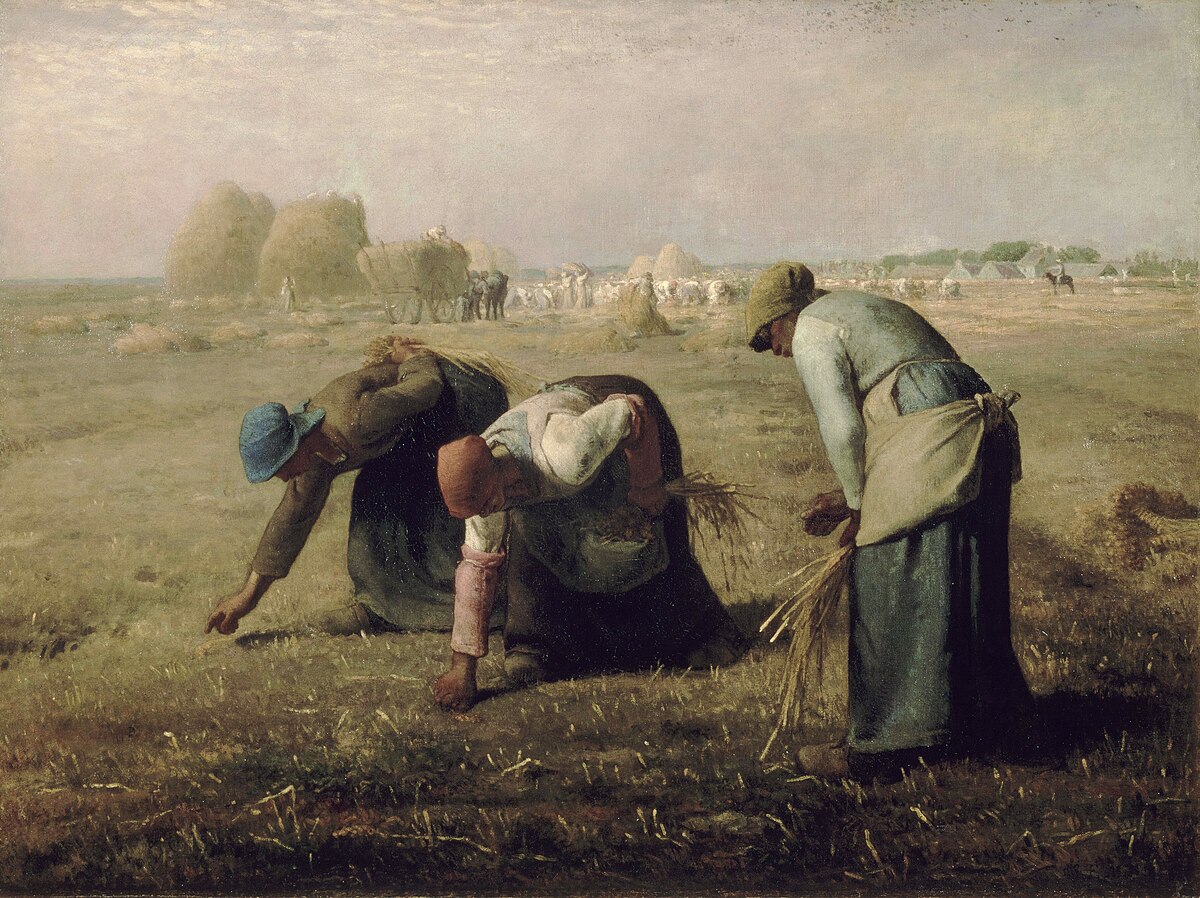
Žan-Fransoa Mile doneo je svečano, gotovo devocionalno dostojanstvo prikazu seljačkog rada. Njegove Pabiračice (1857.), koje prikazuju tri žene sagnute nad požnjevenim poljem sakupljajući preostalo zrnje, uzdigle su najskromniji poljoprivredni zadatak na nivo klasičnog friza. Monumentalna kompozicija slike i prigušena, zemljasta paleta dali su njenim subjektima veličanstvenost koju su konzervativni kritičari nalazili subverzivnom, čitajući u njoj opasno simpatično prikazivanje seoske sirotinje u vremenu akutne klasne napetosti. Mileov savremenik Onore Domije vladao je oštrijim oružjem: satirom. Plodni litograf i karikaturista, Domije je proizveo hiljade grafika koje su ismejavale korupciju francuske buržoazije i pravosuđa, kao i snažne slike poput Vagona treće klase (oko 1862—1864), koji je hvatao umorno rezigniranje urbane sirotinje sa empatijom koja anticipira socijalni realizam dvadesetog veka.
Uspon fotografije, nakon javne demonstracije dagerotipijskog procesa Luja Dagera 1839., postavio je bz presedana izazov tradicionalnoj pretenziji slikarstva da bude privilegovani medij vizuelne istine. Ako mehanički uređaj može da proizvede tačan lik vidljivog sveta za nekoliko minuta, koja je svrha slikara? Ovo pitanje proganjalo je drugu polovinu devetnaestog veka, a različiti umetnici odgovarali su na njega na radikalno različite načine. Neki realisti prihvatili su fotografiju kao saveznika, koristeći je kao referentni alat i nalazeći u njenoj objektivnosti potvrdu sopstvenih estetskih principa. Drugi — i ovaj odgovor bi se pokazao značajnijim za budućnost umetnosti — zaključili su da slikarstvo mora napustiti težnju za iluzionističkim prikazivanjem i otkriti vrednosti koje fotografija ne može da replicira: trag umetnikove ruke, izražajnost boje, autonomiju slikovne forme.
Realističko insistiranje na slikanju običnog života — ono što je Kurbe nazvao le reel — bilo je demokratizujuća sila ogromnih posledica. Rušeći akademsku hijerarhiju žanrova koja je postavljala istorijsko slikarstvo na vrh, a mrtvu prirodu na dno, realisti su otvorili čitav spektar ljudskog iskustva umetničkom tretmanu. Konobarica u Foli-Beržer, balerina koja se isteeže uz šipku, usamljeni pijalac absinta — sve su to postali legitimni subjekti za ozbiljnu umetnost. Ovo proširenje tematike bilo je preduslov za revoluciju impresionizma, koji bi preuzeo realističku posvećenost modernom životu i transformisao je kroz radikalno nov pristup boji, svetlosti i percepciji.
Impresionizam: Slikanje modernog života
Impresionizam je tačka okreta na kojoj se okreće istorija moderne umetnosti. Nastajući u Parizu šezdesetih i postižući svoj najkaraktezističniji izraz sedamdesetih i ranih osamdesetih godina devetnaestog veka, pokret je predstavljao istovremeno nastavak realističke posvećenosti savremenoj tematici i dramatičan raskid sa tehničkim konvencijama koje su upravljale evropskim slikarstvom vekovima. Impresionisti su napustili tamne, pažljivo modulirane tonove akademskog slikarstva u korist svetle, visoko intonirali palete nanošene vidljivim, razlomljenim potezima četkice. Napustili su atelje zarad otvorenog neba, praktikujući plenersko slikarstvo sa posvećenošću koju su njihovi prethodnici samo povremeno pokušavali. A birali su za svoje teme prolazne, treperave fenomene modernog života — sunčevu svetlost na vodi, dim iz lokomotive, petilastu senku baštenskog kafea — hvatajući ne trajnu suštinu stvari, već trenutni utisak koji one ostavljaju na oko.
Ključna figura u prelazu od realizma ka impresionizmu bio je Eduar Mane, mada je on sam odbijao impresionističku etiketu. Maneov Doručak na travi (1863.), koji prikazuje nagu ženu koja neobavezno piknikuje sa dvojicom potpuno odevenih muškaraca u savremenom okruženju, isprovocirao je skandal na Salonu odbijenih — izložbi koju je uspostavio Napoleon III da prikaže radove odbijene od strane žirija zvaničnog Salona. Uvredljivost slike nije bila njena nagota (aktovi su bili osnova akademske umetnosti), već njeno odbijanje da tu nagost opravda mitološkim ili alegorijskim pretekstom. Maneova naga bila je jednostavno moderna Parižanka, koja zuri direktno u posmatrača sa uznemirujućom samoposeduješnošću. Njegova Olimpija (1865.), ležeći akt modelovan po Ticijanovoj Veneri iz Urbina ali nepogrešivo savremena kurtizana, produbila je ogorčenost. Na oba platna, Maneovo ravno, frontalno osvetljenje, potisnuto modelovanje i vidljiv potez četkice najavili su nov skup slikarskih prioriteta koji bi duboko uticao na mlađe impresioniste.
„Ja slikam stvari kakve jesu. Ne komentarišem.” — Eduar Mane
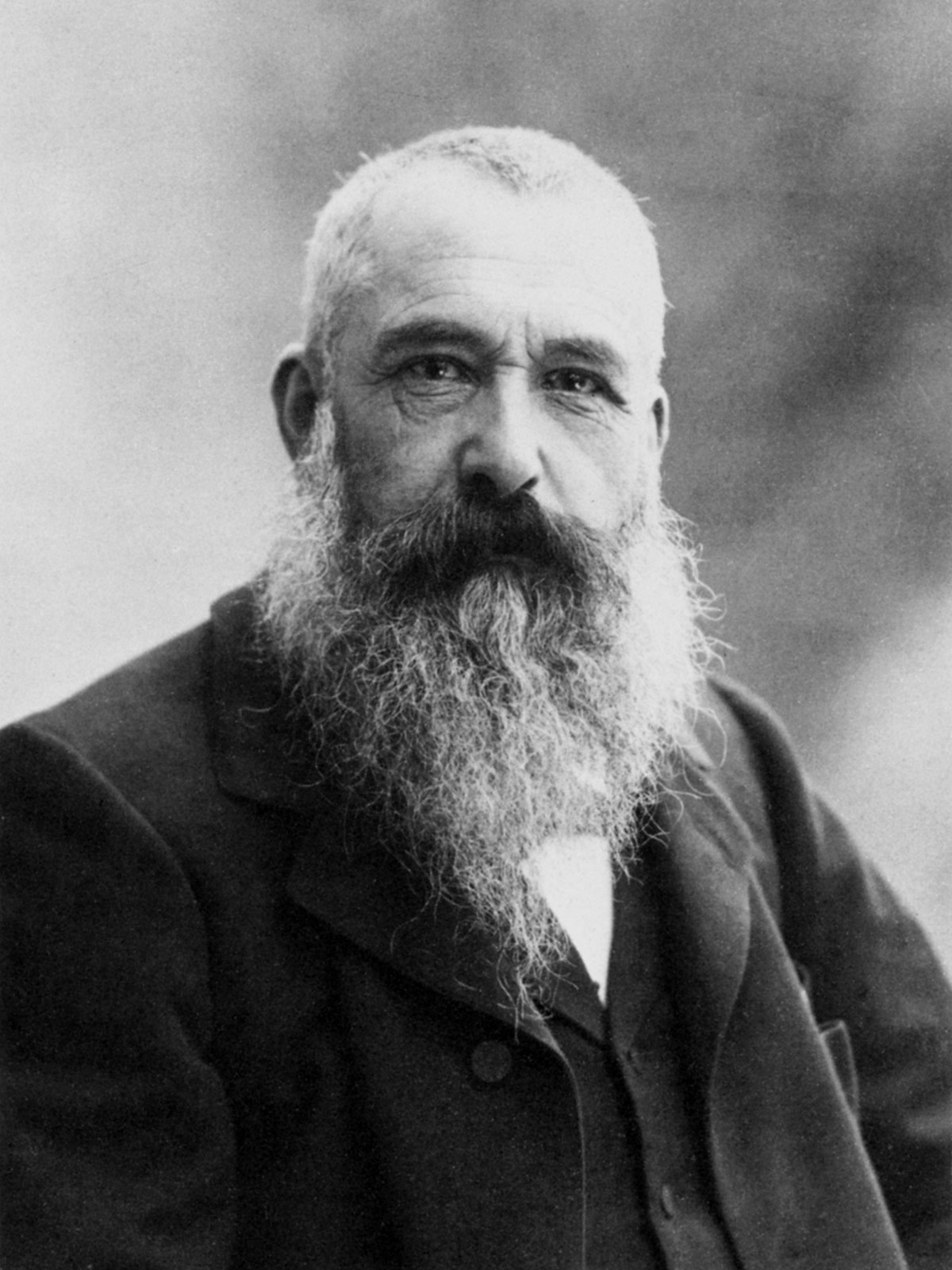
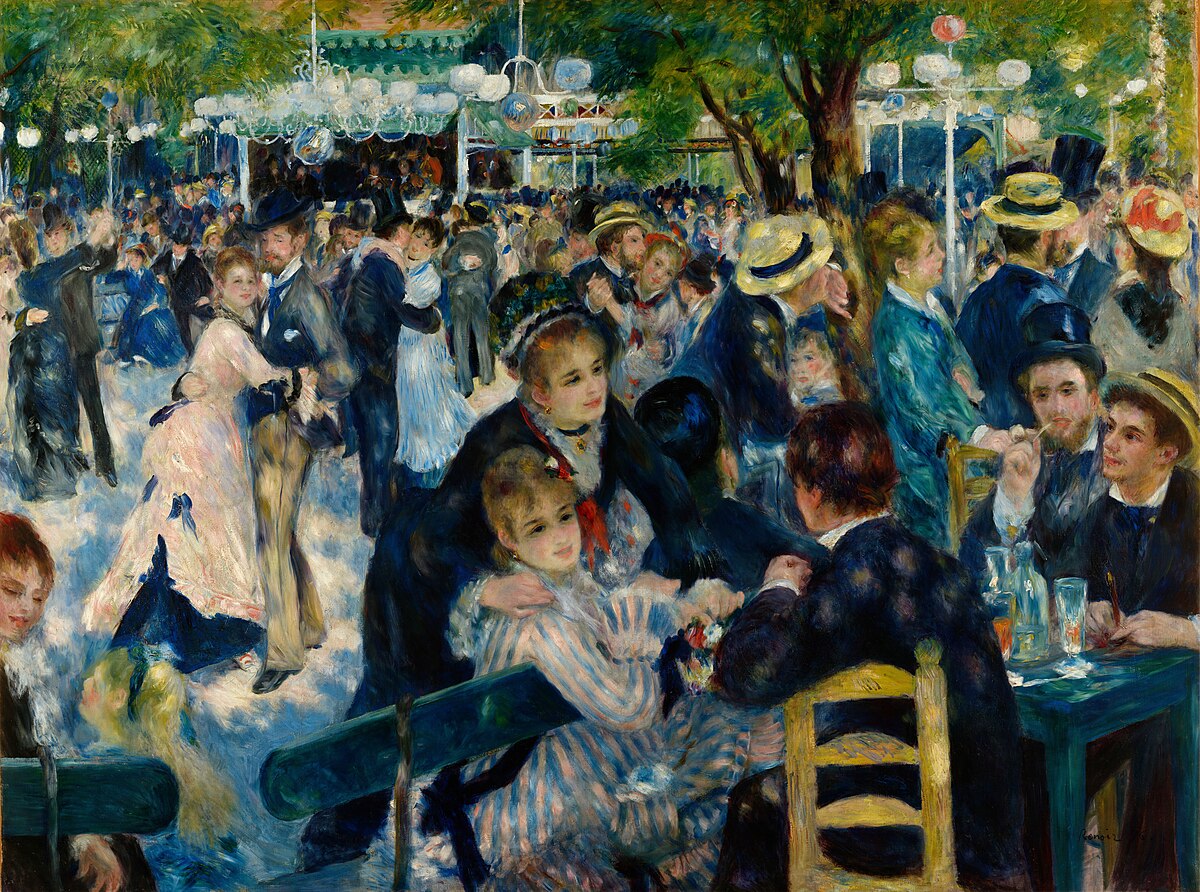
Klod Mone, više od bilo kog drugog umetnika, definisao je impresionističku estetiku. Njegov Impresija, izlazak sunca (1872.), magloviti pogled na luku Le Avra u zoru izveden labavim potezima plave, narandžaste i ljubičaste, nenamerno je pokretsu dao ime kada je kritičar Luj Leroa zgrabio naslov da ismeje čitavu grupu kao puke „impresioniste”. Moneova velika inovacija bilo je serijalno slikarstvo — praksa prikazivanja istog subjekta pod različitim uslovima svetlosti i atmosfere, kao u njegovim slavljenim serijama Plasti sena (1890—1891), Katedrala u Ruanu (1892—1894) i Lokvanja (1896—1926). Ova serijalna dela demonstrirala su da pravi predmet slikarstva nije prikazani objekt već sam čin percepcije, radikalna propozicija koja je otvorila vrata apstrakciji. Edgar Dega, nasuprot tome, primenio je impresionističku tehniku na ljudsku figuru u pokretu, prikazujući balerine, pralje i kupalice sa ekscentričnom, snimku sličnom kompozicijom pod uticajem japanskih grafika i fotografije. Pjer-Ogist Renoar prožeo je svoje scene pariške dokolice — Bal u Mulen de la Galet (1876.), Ručak društva na čamcu (1881.) — toplinom i čulnim uživanjem u igri svetlosti na koži i tkanini, čineći ga najotvorenijim hedonistom među impresionistima.
Bert Morizo i Meri Kasat bile su centralne figure u impresionističkom krugu, mada je istorija umetnosti dugo marginalizovala njihove doprinose. Morizo, koja je izlagala na sedam od osam impresionističkih izložbi, donela je delikatan ali siguran dodir domaćim enterijerima i baštanskim scenama, njeni prozirni potezi četkice i suptilne tonalne harmonije rivalizirajući sa onima bilo kog od njenih muških kolega. Kasat, Amerikanka koja je radila u Parizu, postala je najpronicljiviji posmatrač veze između majke i deteta u pokretu, njene kompozicije spajajući intimnost subjekta sa formalnom strogošću crpenom iz proučavanja japanskih drvoreza i starih majstorskih grafika. Uključivanje ovih umetnica u svaki ozbiljan prikaz impresionizma nije stvar korektivnog tokenizma; njihov rad bio je integralan za estetski i institucionalni identitet pokreta.
Odluka impresionista da organizuju sopstvene nezavisne izložbe, počevši od 1874., bila je jednako revolucionarna koliko i njihova tehnika. Zaobilazeći zvanični sistem Salona — sa njegovim konzervativnim žirijem, krutom hijerarhijom žanrova, insistiranjem na „završenim” površinama — uspostavili su princip da umetnici mogu izlagati pod sopstvenim uslovima, definišući sopstvene kriterijume kvaliteta i obraćajući se direktno publici. Ovaj čin institucionalnog odcepljenja ponovljen bi bio, u raznim formama, od strane praktično svake naknadne avangardne grupe, od fovista do dadaista. Plenjeska revolucija, u međuvremenu, nije bila puka promena lokacije, već transformacija slikarskih vrednosti: radeći na otvorenom, u prirodnom svetlu, pod pritiskom menjajuće scene koja zahteva brzo izvođenje, impresionisti su razvili razlomljeni potez četkice, kontrastna supostavljanja komplementarnih boja i rastvorene konture koji čine njihovo trajno vizuelno nasleđe.
Postimpresionizam: Četiri divergentna puta
Termin postimpresionizam, skovan od strane engleskog kritičara Rodžera Fraja 1910. za izložbu u londonskim Grafton galerijama, iskreno je termin pogodnosti, a ne preciznosti. On ne označava jedinstven pokret, već grupu izrazito individualnih umetnika koji su, apsorbovavši lekcije impresionizma, gurnuli dalje od njegovog perceptualnog empirizma u potrazi za nečim strukturiranijim, izražajnijim ili simbolički resonantnijim. Četiri glavna postimpresionista — Pol Sezan, Vinsent van Gog, Pol Gogen i Žorž Sera — delili su malo u pogledu stila, temperamenta ili namere. Ono što su imali zajedničko bilo je uverenje da je impresionizam, uprkos svoj revolucionarnoj svežini, žrtvovao previše: čvrstinu forme, dubinu emocije, intelektualnu strogost ili duhovno značenje. Rešenje svakog umetnika za ovaj percipirani deficit otvorilo bi distinktivan put u umetnost dvadesetog veka.
Sezan se često naziva „ocem moderne umetnosti”, titula koja, ako je donekle reduktivna, prepoznaje izuzetan raspon njegovog uticaja. Radeći u relativnoj izolaciji u Eksan-Provansu, Sezan se posvetio problemu pomirenja impresionističke vernosti vizuelnom osećaju sa strukturalnom čvrstinom starih majstora. Njegovo rešenje bilo je da analizira prirodne forme — planinu, jabuku, ljudskog kupača — na njihove temeljne geometrijske komponente, gradeći slikovnu površinu kroz male, metodične ravni boje koje su istovremeno opisivale volumen i potvrđivale ravnost platna. Njegova čuvena uputstava da se „priroda tretira cilindrom, sferom, konusom” postala bi osnivački tekst kubizma. Njegove kasne slike planine Sent-Viktoar, u kojima je provansalski pejzaž destilovan u arhitekturu uzajamno uklopljenih mrlja boje, postižu monumentalnu veličanstvenost koja se takmiči sa klasičnom tradicijom koju je Sezan poštovao.
„Želim da od impresionizma napravim nešto čvrsto i trajno, poput umetnosti u muzejima.” — Pol Sezan
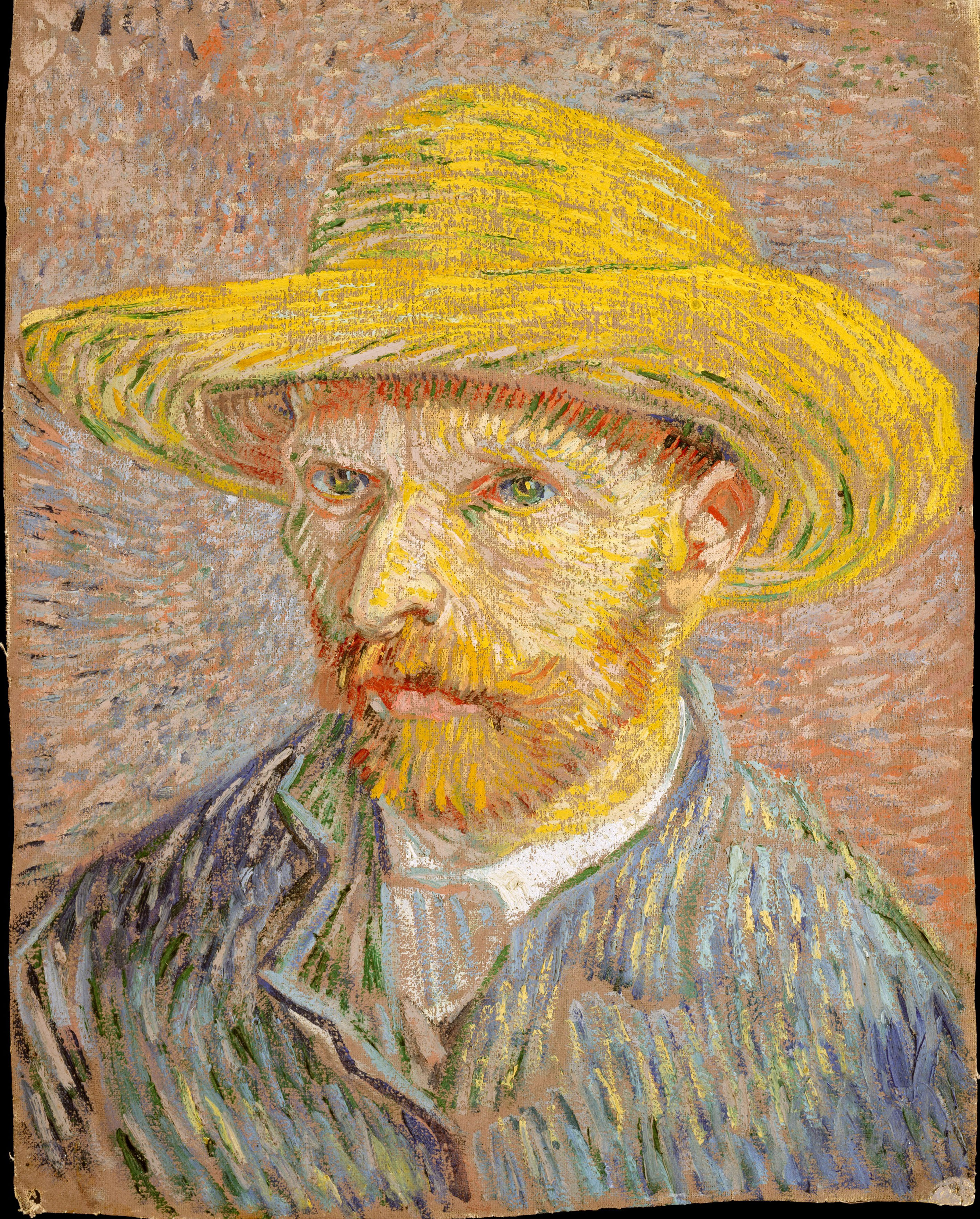
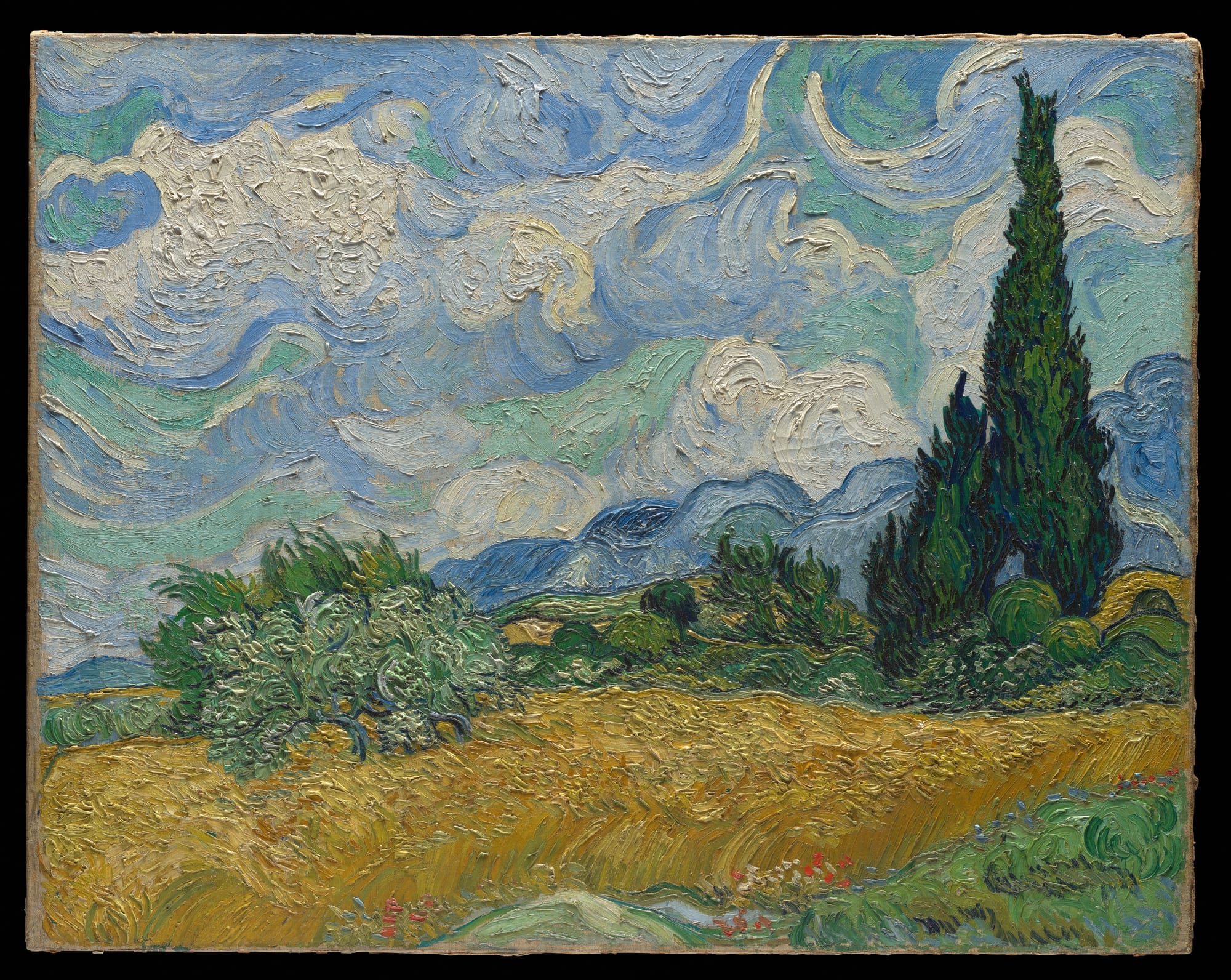
Vinsent van Gog stigao je do postimpresionizma radikalno drugačijim putem. Uglavnom samouki Holanđanin koji je počeo da slika kasno i proizveo čitav zreli opus u grozničavoj deceniji, Van Gog je transformisao impresionističku paletu i potez četkice u instrumente preovlađujućeg emocionalnog intenziteta. Njegova platna iz perioda Arla i Sen-Remija — Noćni kafe (1888.), Zvezdana noć (1889.), Žitno polje sa vranama (1890.) — pulsiraju vrtložnim, impastiranim potezima četkice i zasićenom, često nenaturalističkom bojom koja izražava ne spoljašnji izgled stvari, već umetnikovo unutrašnje iskustvo. Van Gogova umetnost, i tragični narativ njegove mentalne bolesti i rane smrti, učinili su ga prototipom modernog umetnika kao napaćenog vizionara, mit koji je, koliko god iskrivljujući, oblikovao popularne koncepcije umetničkog genija do danas. Njegov direktni uticaj na ekspresionizam — na Kirhner, Munka, foviste — bio je ogroman.
Pol Gogen, Van Gogov turbulentni pratilac u Arlu, sledio je drugačiju vrstu bekstva od impresionističkog naturalizma. Nezadovoljan onim što je video kao materijalizam i duhovnu prazninu evropske civilizacije, Gogen je tražio umetnički preporod u onome što je nazvao primitivizmom — najpre u seljačkoj kulturi Bretanje, zatim, značajnije, u autohtonim društvima Tahitija i Markiskih ostrva. Njegove tahitijanske slike — Duh mrtvih straži (1892.), Odakle dolazimo? Šta smo? Kuda idemo? (1897.) — koriste ravne površine zasićene, simboličke boje, pojednostavljene konture i enigmatičnu ikonografiju crpenu iz polinezijske mitologije da stvore slike izgubljenog raja koji je podjednako projekcija evropske čežnje koliko i prikaz pacifičke realnosti. Gogenovo prihvatanje nezapadnih vizuelnih tradicija, koliko god romantizovano, otvorilo je vrata kroz koja bi Pikaso, Matis i nemački ekspresionisti uskoro prošli. Žorž Sera, četvrti od velikih postimpresionista, zauzeo je suprotan pristup, primenjujući naučnu strogost na impresionistično proučavanje svetlosti i boje. Njegova tehnika pointilizma (ili divizionizma) podrazumevala je izgradnju slike od sićušnih, diskretnih tačaka čiste boje koje su trebale da se optički mešaju na retini posmatrača, proizvodeći luminoznost koju mešani pigmenti nisu mogli da postignu. Njegovo remek-delo, Nedeljno popodne na ostrvu La Grand Žat (1884—1886.), kombinovalo je ovu minucioznu tehniku sa monumentalnom, frizolikom kompozicijom koja je transformisala scenu buržoaskog dokoličarenja u nešto vanvremensko i hijeratsko.
To što je jedan pokret — impresionizam — mogao da izrodi četiri tako divergentna odgovora svedoči i o njegovom bogatstvu i o njegovim ograničenjima. Sezanov put vodio je ka kubizmu i geometrijskoj apstrakciji. Van Gogov je vodio ka ekspresionizmu i gestualnom slikarstvu. Gogenov ka primitivizmu, simbolizmu i umetnosti subjektivne boje. Seraov ka neoimpresionizmu i, šire, ka ideji da umetnost može biti zasnovana na naučnim principima. Zajedno, ova četiri umetnika demontirali su impresionistički konsenzus i uspostavili pluralistički uslov — višestruke koegzistirajuće avangarde, od kojih svaka tvrdi da predstavlja budućnost umetnosti — koji bi karakterisao dvadeseti vek.
Art nuvo i simbolizam
Kako se devetnaesti vek bližio kraju, dva preklapajuća pokreta — art nuvo i simbolizam — ponudila su alternative i perceptualnom empirizmu impresionizma i društvenom angažmanu realizma. Art nuvo, koji je cvetao od otprilike 1890. do 1910., bio je pre svega pokret dizajna, nastojn da rastvori granicu između likovne i primenjene umetnosti prožimajući svaki aspekt ljudskog okruženja — arhitekturu, nameštaj, nakit, staklariju, tipografiju, tekstil — organskom, krivlinijskom lepotom. Simbolizam, koji se pojavio u književnosti i slikarstvu osamdesetih godina devetnaestog veka, potpuno je odbacio spoljašnji svet u korist unutrašnjeg života snova, mitova i duhovnih čežnji. Zajedno, ovi pokreti predstavljali su povlačenje iz pozitivističkog samopouzdanja industrijskog doba u sfere tajne, lepote i subjektivne vizije.
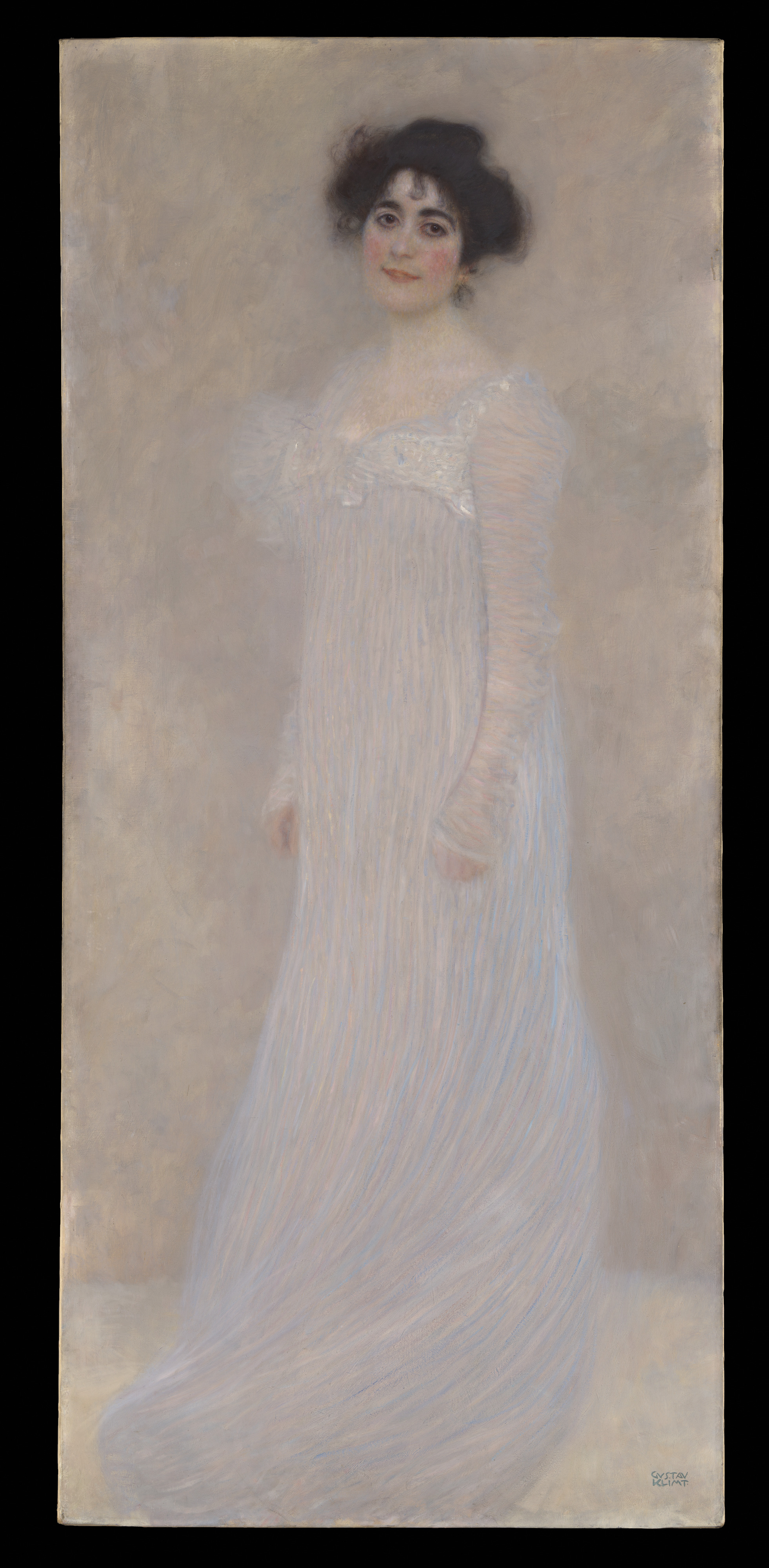
Gustav Klimt stoji na preseku art nuvoa i simbolizma, a njegovo delo otelotvorava napetosti i dostignuća oba. Tokom svog slavljenog zlatnog perioda (oko 1899—1910), Klimt je proizvodio slike izuzetnog dekorativnog bogatstva, spajajući ljudsku figuru — čulnu, često erotičnu, uvek psihološki nabijenu — sa pozadinama apstraktnog ornamentalnog obrasca izvedenim u zlatnom listiću, mozaičkim teserama i gusto isprepletenim geometrijskim i biomorfnim motivima. Poljubac (1907—1908.), koji prikazuje par u zagrljaju obavijen zlatnim čahurom uzorkovane draperije, možda je najvoljenije delo te ere, njegova fuzija intimnosti i apstrakcije postižući kvalitet koji je istovremeno dekorativan i duboko emocionalan. Klimtov Bethovenov friz (1902.) i njegovi portreti bečkih žena iz društva demonstriraju sličnu sposobnost objedinjavanja ornamentalnog i psihološkog, površinskog sjaja sa podtonovima anksioznosti i želje.
„Umetnost je linija oko vaših misli.” — Gustav Klimt
Češki umetnik Alfons Muha postao je najplodniji i najprepoznatljiviji praktičar art nuvoa, čiji su posteri za glumicu Saru Bernar i dekorativni paneli uspostavili ikonografiju sinuoznih ženskih figura, raspletene kose i cvetnih arabeski koja je definisala popularnu sliku pokreta. Muhin rad oličavao je art nuvo ambiciju stvaranja totalnog dekorativnog okruženja — Gesamtkunstverka — u kojem bi se slikarstvo, arhitektura i dekorativne umetnosti stopili u jednoobrazno estetsko iskustvo. Ova ambicija pronašla je svoju najpotpuniju arhitektonsku realizaciju u radu Viktora Orte u Briselu, Hektora Gimara u Parizu (čiji ulazi u metro ostaju ikonični), Antonija Gaudija u Barseloni i Čarlsa Renija Makintoša u Glazgovu, od kojih je svaki razvio prepoznatljive regionalne varijante art nuvo idioma.
Simbolistički slikari sledili su drugačiji, ali srodan let od materijalne stvarnosti. Gistav Moro, radeći stilom draguljaste, halucinatorne raskoši, naseljavao je svoja platna figurama iz mitologije i biblijskog narativa — Saloma, Orfej, Edip — preosšljenim kao stanovnici grozničavog, dragim kamenjem inkrustiranog sveta snova. Odilon Redon otišao je još dalje od reprezentacije, proizvodeći crteže ugljenom i pastele plutajućih očnih jabučica, spektralnih glava i nemogućih botaničkih formi koje kao da materijalizuju ikonografiju nesvesnog decenijama pre Frojda i nadrealista. Simbolistička estetika bila je duboko literarna, hranjena poezijom Stefana Malarmea i Šarla Bodlera i prozom Žorisa-Karla Uismansa, čiji je roman Na izgled (1884.) postao virtuelni manifest simbolističkog senzibiliteta, slaveći artificijelnost, sinesteziju i negovanje izvrsnog, dekadentnog osećaja.
Art nuvo i simbolizam, mada često odbačeni kao puki prethodnici „tvrđih” modernizama dvadesetog veka, ostvarili su doprinose od trajnog značaja. Insistiranje art nuvoa da lepota treba da prožme svaki aspekt svakodnevnog života anticipiralo je ambicije Bauhausa i širi projekat modernog dizajna. Simbolistička eksploracija iracionalnog, snoliktog i podsvesnog obezbeila je direktan most ka nadrealizmu. A spremnost oba pokreta da zamagle granice između reprezentacije i apstrakcije, između likovne i dekorativne umetnosti, između vizuelnog i literarnog, proširila je teritoriju umetničke prakse na načine koje bi navodno radikalnije avangarde novog veka nasledile i proširile.
Fovizam i ekspresionizam
Prve godine dvadesetog veka videle su dve otprilike istovremene erupcije radikalne boje i distoriovane forme koje su razorile ono što je preostalo od naturalističke konvencije: fovizam u Francuskoj i ekspresionizam u Nemačkoj i Austriji. Mada su se dva pokreta razlikovala po temperamentu — fovizam je bio fundamentalno radostan, ekspresionizam često anguistiran — delili su uverenje da boja i linija ne treba da služe opisu izgleda, već izrazu emocija. Oba su gledala na Van Goga, Gogena i simboliste kao prethodnike, i oba bi se pokazala fundamentalnima za razvoj apstraktne umetnosti.
Anri Matis bio je vođa i definišući genije fovista, labavo povezane grupe slikara čiji je rad na Jesenjem salonu 1905. u Parizu podstakao kritičara Luja Vosela da ih nazove les fauves — „divlje zveri”. Epitet je inspirisan šokantnim intenzitetom njihove boje: u slikama poput Žena sa šeširom (1905.) i Radost života (1905—1906.), Matis je nanosio nerazblažene pigmente — žive zelene, vruće ružičaste, električne plave — u širokim, ravnim površinama koje nisu imale nikakve veze sa posmatranom bojom subjekta. Lice može biti oslikano napola zeleno i napola narandžasto; pejzaž može sijati ljubičastim senkama i grimiznim drvećem. Za Matisa, boja je bila autonomna izražajna sila, oslobođena od podložnosti opisu. Njegov zreli rad, od monumentalnog Plesa (1910.) do kasnih izrezotina od papira, sledeo je ideal harmonije, ravnoteže i dekorativnog bogatstva koji je čuveno opisao kao umetnost „lišenu uznemirujuće ili depresivne tematike… poput dobre fotelje koja pruža odmor od fizičkog umora.”
„Tačnost nije istina.” — Anri Matis
Nemački ekspresionizam sledeo je oslobađajući potencijal boje ka daleko mračnijim ciljevima. Grupa poznata kao Di Brike („Most”), osnovana u Drezdenu 1905. od strane Ernsta Ludviga Kirhnera, Eriha Hekela, Karla Šmit-Rotlufa i drugih, usvojila je namerno sirov, agresivan stil obeležen isprekidanim formama, kiselim bojama i grubim površinama nalik drvorezu koje su svesno odbacivale sjaj i profinjenost akademske umetnosti. Kirhnerove ulične scene Berlina — žarki, ugaoni prikazi prostitutki i prolaznika — izražavale su anksioznost i otuđenost modernog urbanog života sa intenzitetom koji ostaje visceralno uznemirujuć. U Minhenu, Vasilij Kandinski i Franc Mark osnovali su Der Blaue Rajter („Plavi jahač”) 1911., duhovno orijentisaniju grupu koja je nastojala da izrazi unutrašnja stanja kroz sve apstraktnije konfiguracije boje i forme. Kandinskov teorijski traktat O duhovnom u umetnosti (1911.) argumentovao je da boja i forma poseduju inherentna emocionalna i duhovna svojstva nezavisna od bilo kakve reprezentacione funkcije — propozicija koja ga je, do 1910—1913., dovela do proizvodnje nekih od prvih potpuno apstraktnih slika u istoriji zapadne umetnosti.
Norveški slikar Edvard Munk, mada nije formalno pripadao ni jednoj nemačkoj grupi, bio je ključni prethodnik i srodni duh. Njegov Krik (1893.), koji prikazuje figuru na mostu kako stiska glavu dok nebo bukti talasastim trakama crvene i narandžaste, postao je najprepoznatljivija slika egzistencijalnog užasa moderne ere. Munkova tvrdnja da on ne slika ono što vidi, već ono što je osetio — „Ne slikam ono što vidim, već ono što sam video” — mogla bi da služi kao moto ekspresionizma u celosti. U Austriji, Egon Šile gurnuo je ekspresionističku figuraciju do ekstrema ugaone distorzije i neuzdržane erotske otvorenosti, dok je Oskar Kokoška razvio vizionarski portret koji je, činilo se, guliti kožu sa psihe svojih modela.
Fovizam i ekspresionizam zajedno uspostavili su princip koji bi odzvanjao kroz ostatak modernog perioda i dalje: da je subjektivno iskustvo umetnika, a ne objektivni svet, krajnji predmet umetnosti, i da boja, linija i forma nisu puki alati za opisivanje tog sveta, već autonomni jezici sposobni za direktnu, visceralnu komunikaciju bez posredovanja narativa ili reprezentacije. Ovaj princip pronašao bi svoju najpotpuniju realizaciju u apstraktnom ekspresionizmu posle 1945., ali njegovi koreni leže čvrsto u divljoj boji i distorzijama forme koje su eruptirale u ateljeima Pariza, Drezdena i Minhena u prvoj deceniji dvadesetog veka.
Kubizam: Razaranje slikovne ravni
Kubizam je bio najznačajnija revolucija u zapadnoj umetnosti od razvoja linearne perspektive u petnaestovekovnoj Firenci. Izmišljen zajednički od strane Pabla Pikasa i Žorža Braka između 1907. i 1914., kubizam je demontirao jednostaledioglenu, iluzionističku slikovnu ravan koja je upravljala evropskim slikarstvom pet stotina godina i zamenio je fragmentiranom, multiperspektivnom strukturom u kojoj su predmeti istovremeno viđeni sa više uglova, razloženi na geometrijske facete i ponovo sastavljeni na slikovnoj ravni u konfiguracijama koje su priznavale ravnost platna umesto da je prikrivaju. Implikacije ovog prekida protezale su se daleko izvan slikarstva: kubizam je uticao na skulpturu, arhitekturu, književnost, muziku i dizajn, a njegove analitičke metode pružile su konceptualni temelj za praktično svaki naknadni pokret u apstraktnoj umetnosti.
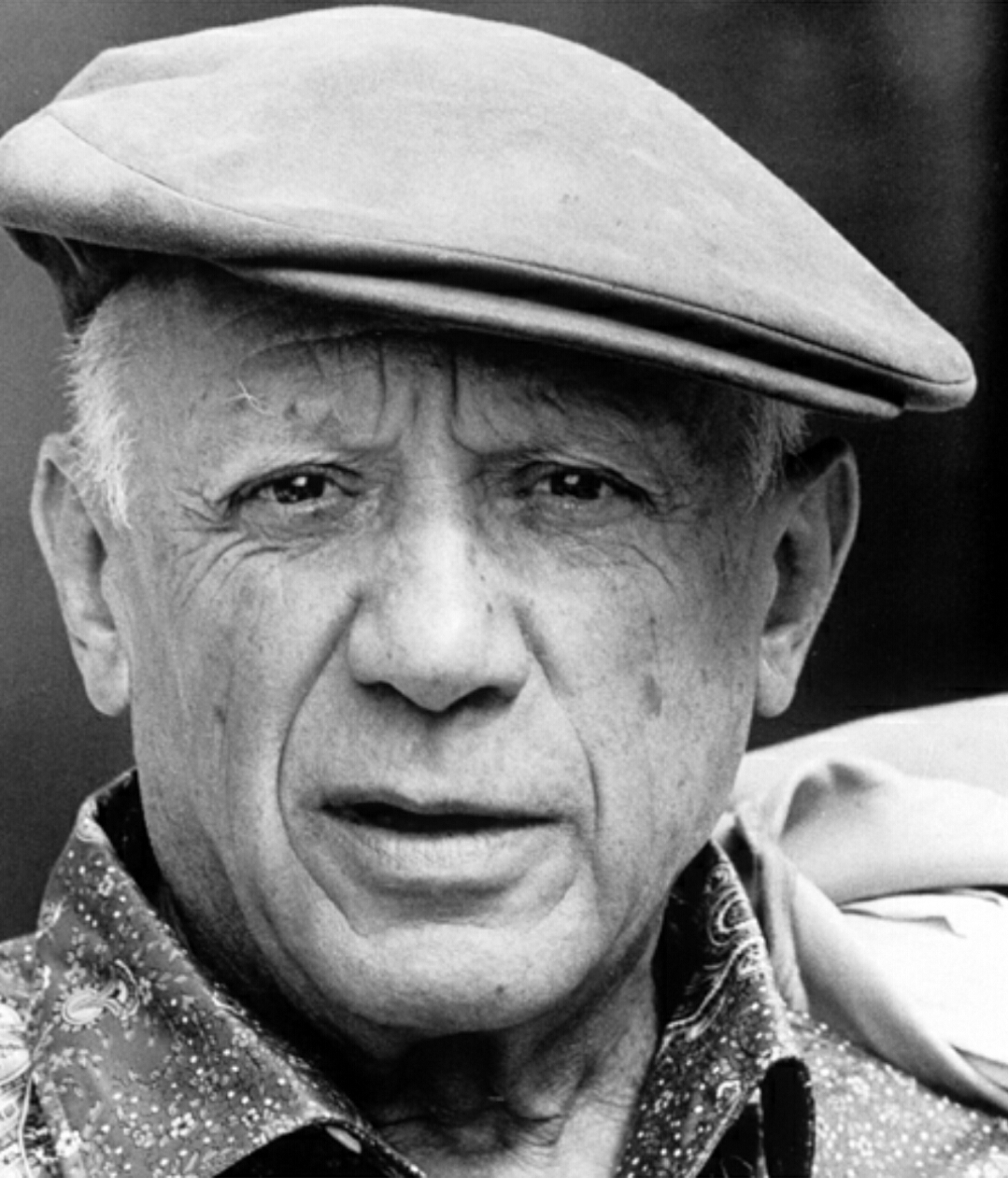
Slika koja je najavila kubističku revoluciju — mada je prethodila formalnom razvoju pokreta za nekoliko godina — bila je Pikasove Gospođice iz Avinjona (1907.). Ovo veliko, šokantno platno prikazivalo je pet nagih ženskih figura u javnoj kući, njihova tela izvedena u ugaonim, fragmentiranim ravnima, njihova lica — od kojih su dva jasno inspirisana afričkim i iberijskim maskama — zure u posmatrača sa konfrontacionim intenzitetom koji je kršio svaku normu lepote, koherencije i prostorne logike. Slika je bila toliko radikalna da su čak i Pikasovi najbliži saradnici isprva bili zbunjeni njome; Brak je navodno rekao da ga slika čini kao da neko „pije benzin i pljuje vatru”. Ipak, Gospođice iz Avinjona otvorile su vrata kroz koja bi sam Brak uskoro prošao, i do 1908—1909. dvojica umetnika su radila u toliko bliskoj saradnji da su njihove slike postale, na izvesno vreme, praktično nerazlučive.
„Svaki čin stvaranja je najpre čin razaranja.” — Pablo Pikaso
Istoričari umetnosti konvencionalno dele kubizam na dve faze. Analitički kubizam (oko 1909—1912) bio je strožiji i intelektualno rigorozniji: Pikaso i Brak analizirali su predmete — gitaru, čašu, ljudsku glavu — u preklapajuće, poluprovidne ravni izvedene u strogo ograničenoj paleti sivih, braon i oker tonova. Rezultujuće slike lebde na pragu čitljivosti, njihove fragmentirane forme nudeći privlačne tragove identiteta prikazanog predmeta bez ikakvog razrešavanja u koherentnu, ujedinjenu sliku. Analitički kubizam bio je umetnost radikalne sumnje, koja je dovodila u pitanje ne samo konvencije reprezentacije, već i samu mogućnost stabilnog vizuelnog znanja. Sintetički kubizam (oko 1912—1914 i dalje) obrnuo je proces, gradeći slike od ravnih, obojenih oblika, šabloniranih slova i — najinovativnije — fragmenata stvarnih materijala: novinskih isečaka, tapeta, mušeme, peska. Brakov Posuda sa voćem i čaša (1912.) generalno se smatra prvim papje kole (zalepljenim papirom), dok je Pikasova Mrtva priroda sa pletenom stolicom (1912.) uvela kolaž u širem smislu. Inkorporirajući realne materijale u slikovnu površinu, sintetički kubizam srušio je razliku između reprezentacije i stvarnosti, umetnosti i života, u gestu čije su implikacije odzvanjale kroz dadaizam, pop art i dalje.
Kubistički krug brzo se proširio izvan Pikasa i Braka uključujući Huana Grisa, čije su kristalne, precizno kalibrirane kompozicije donele novu jasnoću sintetičkom kubizmu; Fernana Ležea, čije su tubularne, mašini slične forme odražavale dinamizam modernog industrijskog života; i Robera Delonea, čiji je orfički kubizam ponovo uveo živahnu boju u kubistički vokabular. Vajari Aleksandar Arhipenko, Žak Lipšic i Anri Lorens preveli su kubističke principe u tri dimenzije, proizvodeći dela koja su otvarala čvrstu formu prazninama, konkavitetima i prožimajućim ravnima. U Italiji, futuristi — Umberto Bočoni, Đakomo Bala, Karlo Kara — prilagodili su kubističku fragmentaciju prikazivanju brzine, pokreta i tehnološkog dinamizma modernog grada.
Koncept četvrte dimenzije — različito shvaćen kao prostorna dimenzija izvan tri dimenzije uobičajenog iskustva, ili kao samo vreme — naširoko je razmatrn u kubističkim krugovima i doprineo intelektualnom prestižu pokreta. Matematičar Anri Poenkare i popularni naučni pisac Espri Žufre uveli su ideje četvorodimenzionalne geometrije širokoj francuskoj publici, a umetnici poput Žana Mecenžea i Alberta Gleza eksplicitno su prizivali ove koncepte u svojim teorijskim spisima. Da li kubističko slikarstvo zaista otelotvorava četvorodimenzionalnu geometriju je diskutabilno; ono što je izvesno jeste da je sistemsko rušenje renesansne perspektive od strane pokreta stvorilo novu vrstu slikovnog prostora — plitak, promenljiv, intelektualno zahtevan — koji ostaje jedno od definišućih dostignuća moderne umetnosti.
Dadaizam i antiumetnički impuls
Ako je kubizam razorio slikovnu ravan, dadaizam je razorio sam koncept umetnosti. Rođen u kotlu Prvog svetskog rata — katastrofe koja je, činilo se, diskreditovala čitavu građevinu evropske civilizacije, uključujući njene kulturne institucije — dadaizam je bio manje estetski pokret, a više trajni čin pobune protiv razuma, buržoaskih vrednosti i pojma da umetnost zauzima privilegovan domen lepote i značenja. Dadaisti nisu nastojali da reformišu umetnost; nastojali su da je sruše, da razotkriju njene pretenzije i da je zamene gestovima apsurda, provokacije i nihilističke igre koji bi preslikavali ludilo sveta u ratu.
Pokret se iskristalisao 1916. u Kabareu Volter u Cirihu, malom noćnom klubu koji su osnovali nemački pesnik Hugo Bal i njegova pratilja Emi Henings. Tamo je grupa umetnika i pisaca u egzilu — uključujući rumunskog pesnika Tristana Caru, alzaškog slikara i vajara Žana (Hansa) Arpa i nemačkog pisca Riharda Hilzenbeka — priređivala bučne večeri simultane poezije, muzike buke, besmislenih recitacija i provokativnih nastupa dizajniranih da razgnjeve i zbune publiku. Sam naziv „Dada” izabran je (prema kontradiktornim legendama) ili nasumično iz rečnika ili kao besmisleni slog, prikladan amblem za pokret koji je odbacivao sve sisteme značenja. Carine manifesti, isporučeni tonom radosne agresije, objavljivali su: „Dada ne znači ništa. Želimo da promenimo svet ni sa čim.”
„Prva misao ove gospode nije umetnost, već propagacija žestoke pobune protiv svega.” — Hugo Bal, razmišljajući o Kabareu Volter
U Njujorku, nezavisno od ciriške grupe, Marsel Dišan je vodio sopstveni napad na temelje umetnosti. Njegovi redimejdovi — masovno proizvedeni predmeti koje je umetnik odabrao i proglasio umetnošću pukim činom izbora — predstavljali su možda najznačajniji gest u umetnosti dvadesetog veka. Točak bicikla montiran na kuhinjsku stolicu (1913.), metalni stalak za boce (1914.), i najozloglašenije porcelanski pisoar nazvan Fontana i potpisan „R. Mut” (1917.): ovi predmeti osporili su definiciju umetnosti u njenom korenu. Ako je umetnost šta god umetnik proglasi umetnošću, onda su veština, lepota i zanatstvo irelevantni; ono što je važno jeste koncept, čin selekcije, institucionalni kontekst. Dišanovi redimejdovi anticipirali su konceptualnu umetnost za pola veka i ostaju, više od jednog veka kasnije, najradikalniji izazov ikada postavljen tradicionalnom razumevanju umetničkog stvaranja.
U Berlinu, dadaizam je poprimio eksplicitno politički karakter. Džon Hartfild (rođen Helmut Hecfild, koji je poenglezio svoje ime kao protest protiv nemačkog nacionalizma) bio je pionir tehnike fotomontaže — sečenja i rekombinovanja fotografskih slika iz novina i časopisa u šokantne, satirične kompozicije — kao oružja protiv militarizma, kapitalizma i, kasnije, nacizma. Njegove slike političara koji gutaju svastike i skeletnih vojnika ostaju među najsnažnijim primerima političke umetnosti ikada stvorene. Hana Hoh, još jedna berlinska dadaistkinja, koristila je fotomontažu za istraživanje pitanja roda, identiteta i masovnih medija sa sofisticiranošću koju savremene feminističke umetnice nastavljaju da nalaze inspirativnom. Kurt Šviters, koji je radio u Hanoveru, razvio je sopstvenu varijantu dadaizma nazvanu Merc, konstruišući kolaže i asamblaže od urbanog otpada — autpbuskih karata, omota bombona, komada drveta i žice — koji su transformisali otpad potrošačkog društva u predmete neočekivane lepote.
Zvanični životni vek dadaizma bio je kratak — do ranih dvadesetih, većina njegovih glavnih figura prešla je na druge projekte, naročito nadrealizam — ali je njegovo nasleđe neiscrpno. Redimejd, fotomontaža, performans, manifest, namerno izazivanje skandala, insistiranje da vrednost umetnosti leži u njenim idejama, a ne u njenim predmetima: sve ove dadaističke inovacije postale su standardna oprema za kasnije avangarde, od Fluksusa i pop arta do panka i savremene instalacione umetnosti. Dišanovo pitanje — „Može li se napraviti delo koje nije umetničko delo?” — ostaje najplodnije i najuznemirujuće pitanje u modernoj estetici, pitanje na koje je svaka naredna generacija umetnika bila prinuđena da odgovori iznova.
Nadrealizam: Snovi učinjeni vidljivim
Nadrealizam, poslednji od velikih pokreta istorijske avangarde, nastojao je da prevaziđe destruktivnu negaciju dadaizma i izgradi pozitivan program za oslobođenje ljudskog uma. Osnovan u Parizu 1924. od strane pesnika Andrea Bretona, koji se školovao kao psihijatar i služio u neurološkim bolnicama tokom Prvog svetskog rata, nadrealizam je crpeo svoje teorijske temelje iz psihoanalitičkih spisa Sigmunda Frojda, naročito Tumačenja snova (1900.). Bretonov Manifest nadrealizma definisao je pokret kao „čist psihički automatizam, kojim se predlaže da se izrazi, bilo verbalno, pisanjem, ili na bilo koji drugi način, stvarno funkcionisanje misli… u odsustvu svake kontrole vršene od strane razuma, oslobođeno svake estetske ili moralne brige.” Nesvesni um, sa svojim rezervoarom potisnutih želja, strahova i sećanja, trebalo je da postane primarni materijal umetnika.
Tehnike kojima su nadrealisti nastojali da pristupe nesvesnom bile su raznovrsne i inventivne. Automatizam — praksa pisanja, crtanja ili slikanja bez svesne kontrole, dozvoljavajući ruci da se slobodno kreće u odgovoru na nesvesne impulse — bio je metod najdirektnije izveden iz Frojdove slobodne asocijacije. Automatski crteži Andrea Masona, nastali u stanjima trans-nalike koncentracije, generisali su zamršene, biomorfne forme koje kao da su izvirale iz nekog primordijalnog psihičkog dubina. Maks Ernst razvio je tehnike frotaža (otiskivanje) i grataža (struganje), koristeći teksture drveta, tkanine i drugih materijala kao osnovu za halucinatorne slike koje je razrađivao u složene, vizionarske kompozicije. Njegovi kolaž romani, naročito Jedna nedelja dobrote (1934.), sastavljali su viktorijanske gravure u noćne more narative nasilja i metamorfoze koji se ubrajaju među remek-dela nadrealističke umetnosti.
„Nadrealizam je destruktivan, ali uništava samo ono što smatra okovima koji ograničavaju našu viziju.” — Salvador Dali
Salvador Dali postao je, pukom silom samopromocije i neporecive tehničke virtuoznosti, najslavniji nadrealistički slikar. Njegove „ručno naslikane fotografije snova”, kako ih je nazvao, prikazivale su ikonografiju snova i halucinacija sa minucioznom, gotovo fotografskom preciznošću holandskog slikarstva sedamnaestog veka, stvarajući dezorijentišući sudar između iluzionističke tehnike i nemogućeg sadržaja. Postojanost sećanja (1931.), sa topljenim satovima prebačenim preko puštog pejzaža, postala je jedna od najodmah prepoznatljivih slika na svetu, slika temporalnog raspadanja koja hvata fluidni, nestabilni kvalitet vremena u snu. Dalijeva paranoičko-kritička metoda — tehnika samoizazvanih halucinatornih stanja u kojima um opaža višestruke, protivrečne slike unutar jednog vizuelnog polja — proizvodila je dvostruke slike i vizuelne igre reči blistave domišljatosti, mada su Breton i drugi nadrealisti konačno ga isključili iz pokreta, nalazeći njegov politički oportunizam i komercijalne instinkte nespojivim sa revolucionarnim aspiracijama nadrealizma.
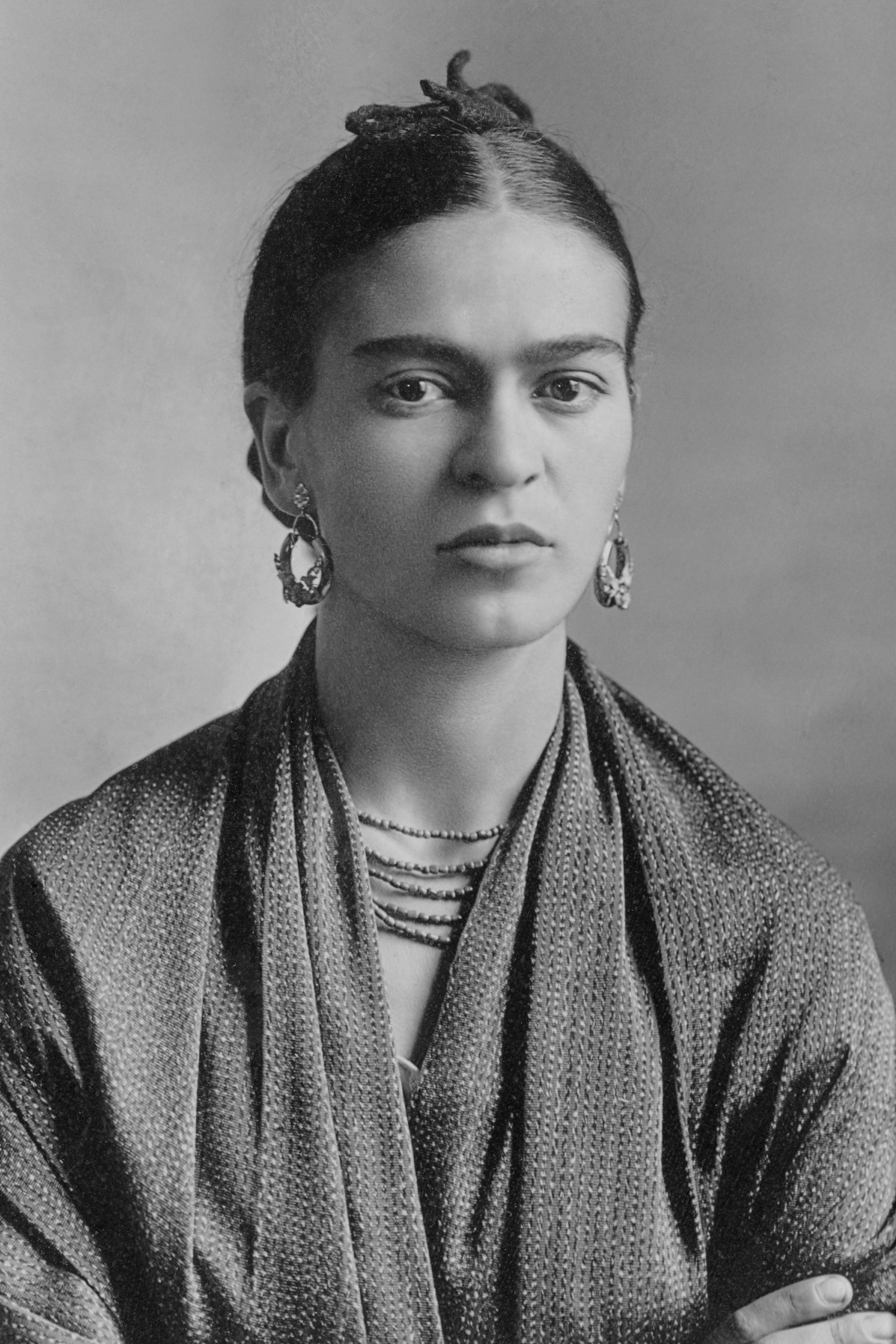
Rene Magrit, koji je radio u Briselu, sledeo je hladniji, filozofskiji nadrealizam. Njegove slike suprotstavljaju obične predmete u nemogućim odnosima — lokomotiva koja izlazi iz kamina, lice muškarca zastrto plutajućom jabukom, lula praćena natpisom „Ovo nije lula” — stvarajući slike koje funkcionišu kao vizuelne zagonetke, ispitujući odnos između reprezentacije i stvarnosti, reči i slike, viđenog i poznatog. Magritova umetnost je nadrealizam u najcerebralnijem obliku, trajna meditacija o lukavstvu privida. Frida Kalo, često povezivana sa nadrealizmom mada je odbijala tu etiketu — „Nikada nisam slikala snove. Slikala sam svoju stvarnost” — crpela je iz svog meksičkog nasleđa, turbulentnog braka sa Dijegom Riverom i doživotnog iskustva fizičke patnje da stvori autoportrete proparajućeg emocionalnog intenziteta. Dela poput Dve Fride (1939.) i Slomljeni stub (1944.) koriste nadrealističku ikonografiju — izložene organe, frakturirana tela, simboličke predmete — u službi nesalomljivo autobiografske umetnosti koja je Kalo učinila jednom od najšire divljenih umetnica dvadesetog veka.
Uticaj nadrealizma protezao se daleko izvan slikarstva. Pokret je duboko oblikovao fotografiju (Men Rej, Brasaj, Klod Kaun), film (Luisov Andaluzijski pas i Zlatno doba Luja Bunjuela), skulpturu (uznemiravajući rani predmeti Alberta Đakometija, šolja presvučena krznom Meret Openheim) i književnost (Bretonova Nadja, automatski tekstovi Robera Desnosa i Pola Elijara). Njegovo insistiranje da je nesvesni um legitimna i zaista suštinska teritorija za umetničko istraživanje otvorilo je puteve koji su vodili ka apstraktnom ekspresionizmu, ka psihološki nabijenoj figuraciji Frensisa Bejkona i ka čitavoj tradiciji umetnosti obaveštene psihoanalitičkom teorijom. Kada je Drugi svetski rat naterao mnoge nadrealiste u egzil u Njujork, poneli su sa sobom svoje metode i ideje, direktno katalizujući nastanak Njujorške škole i sledeće veliko poglavlje u istoriji moderne umetnosti. Nadrealizam je, više od bilo kog drugog pokreta, demonstrirao da najdublja revolucija modernizma nije bila formalna, već psihološka: revolucija ne samo u načinu na koji vidimo, već u načinu na koji razumemo um koji vidi.