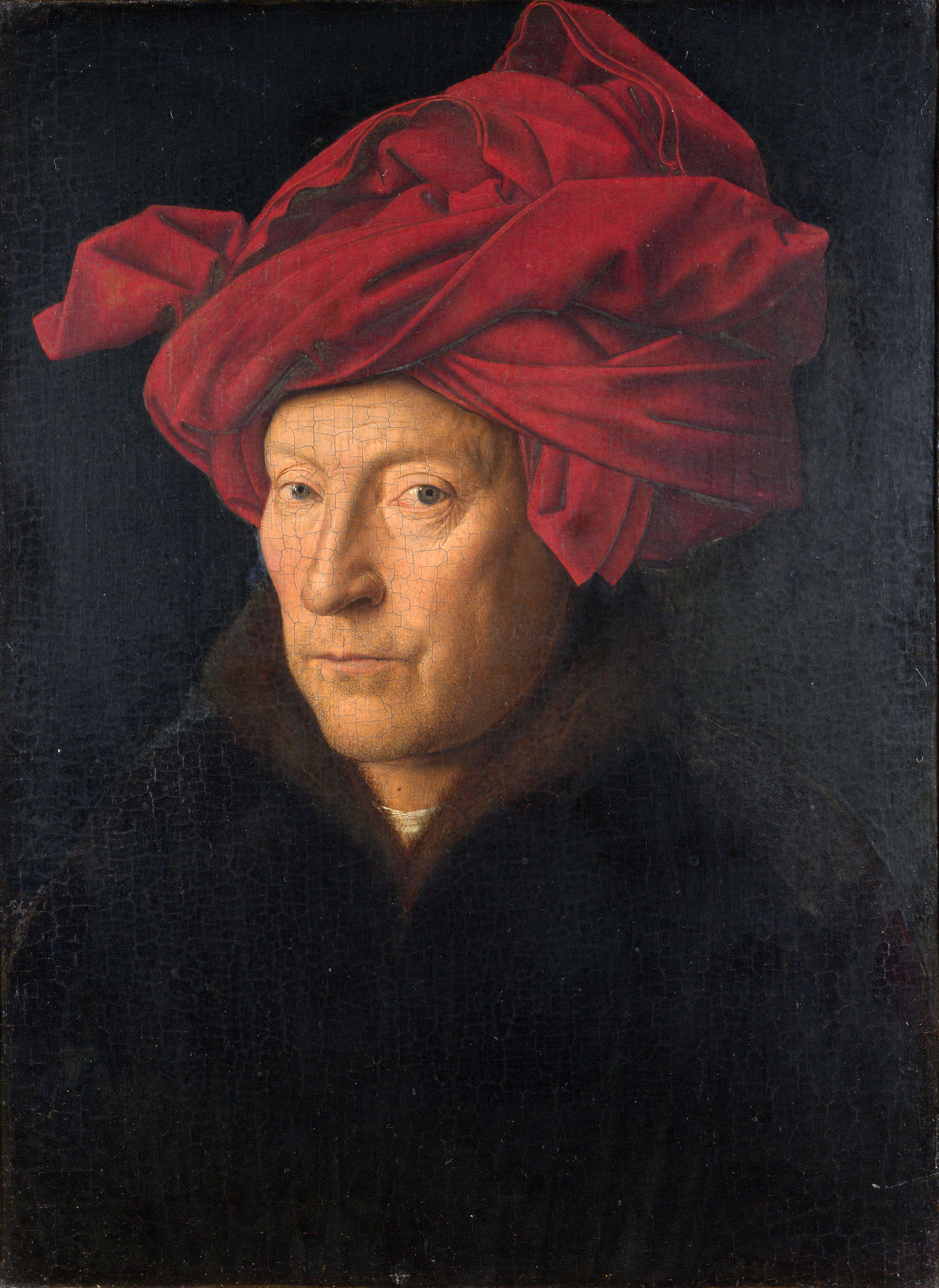
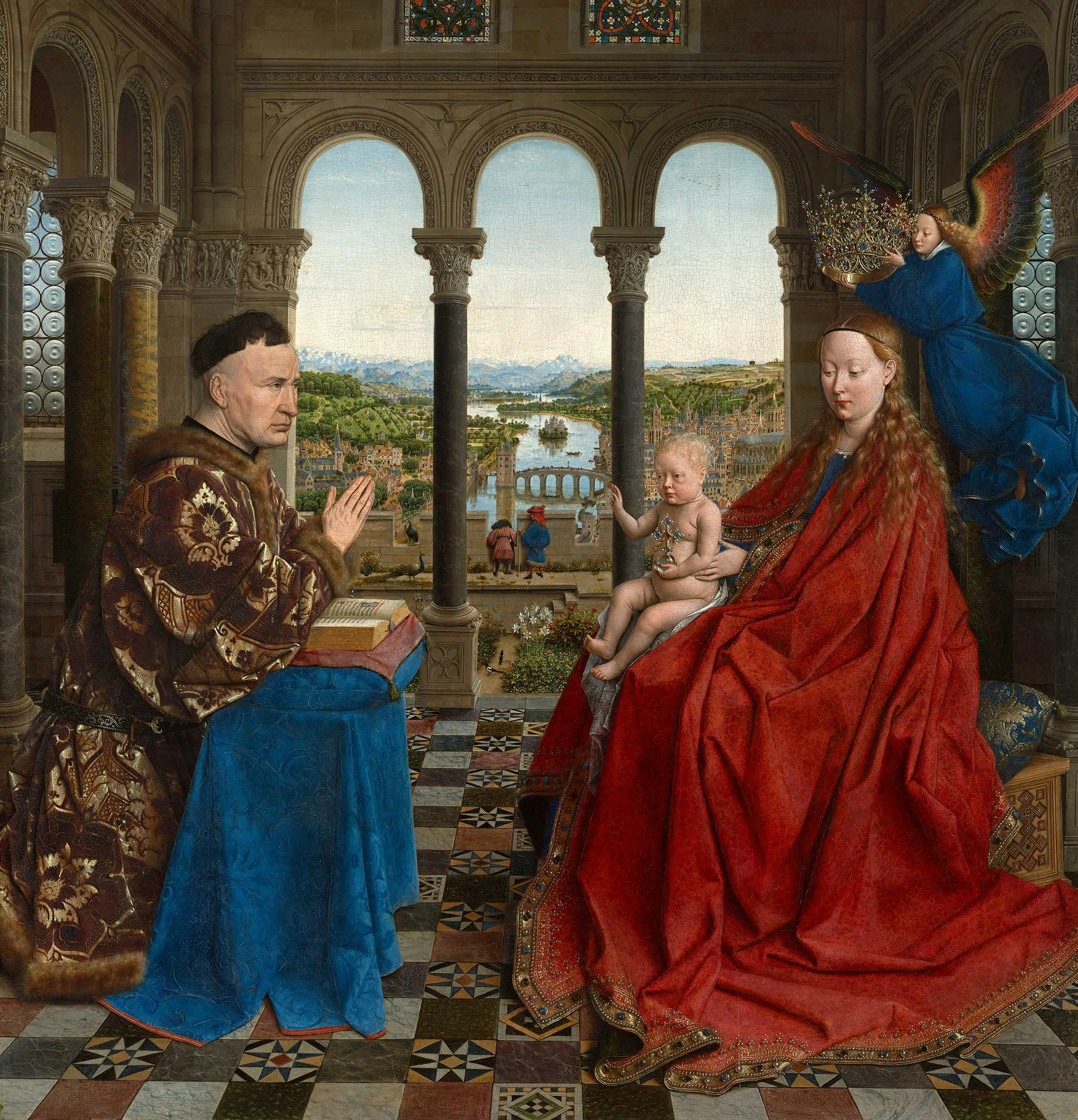
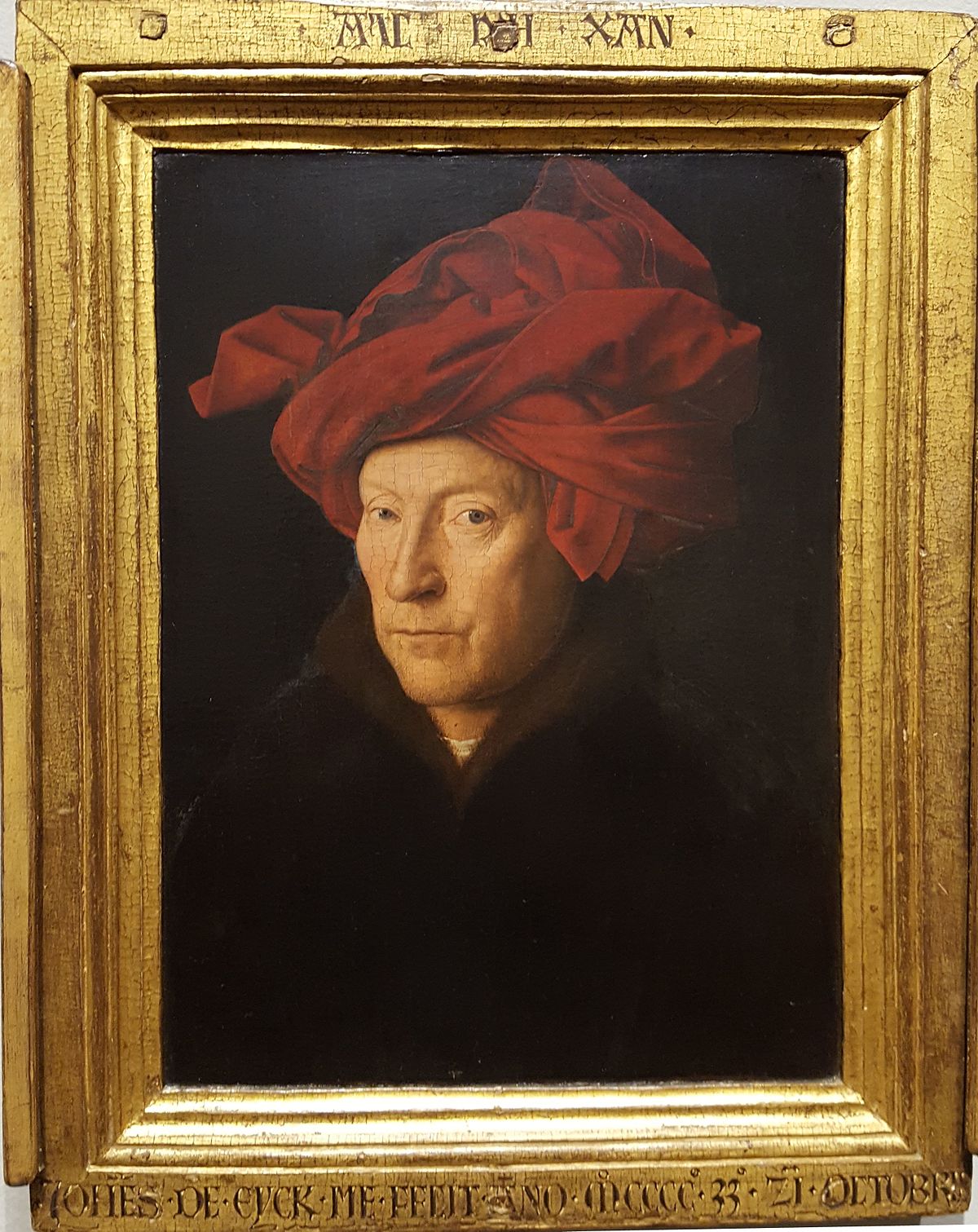
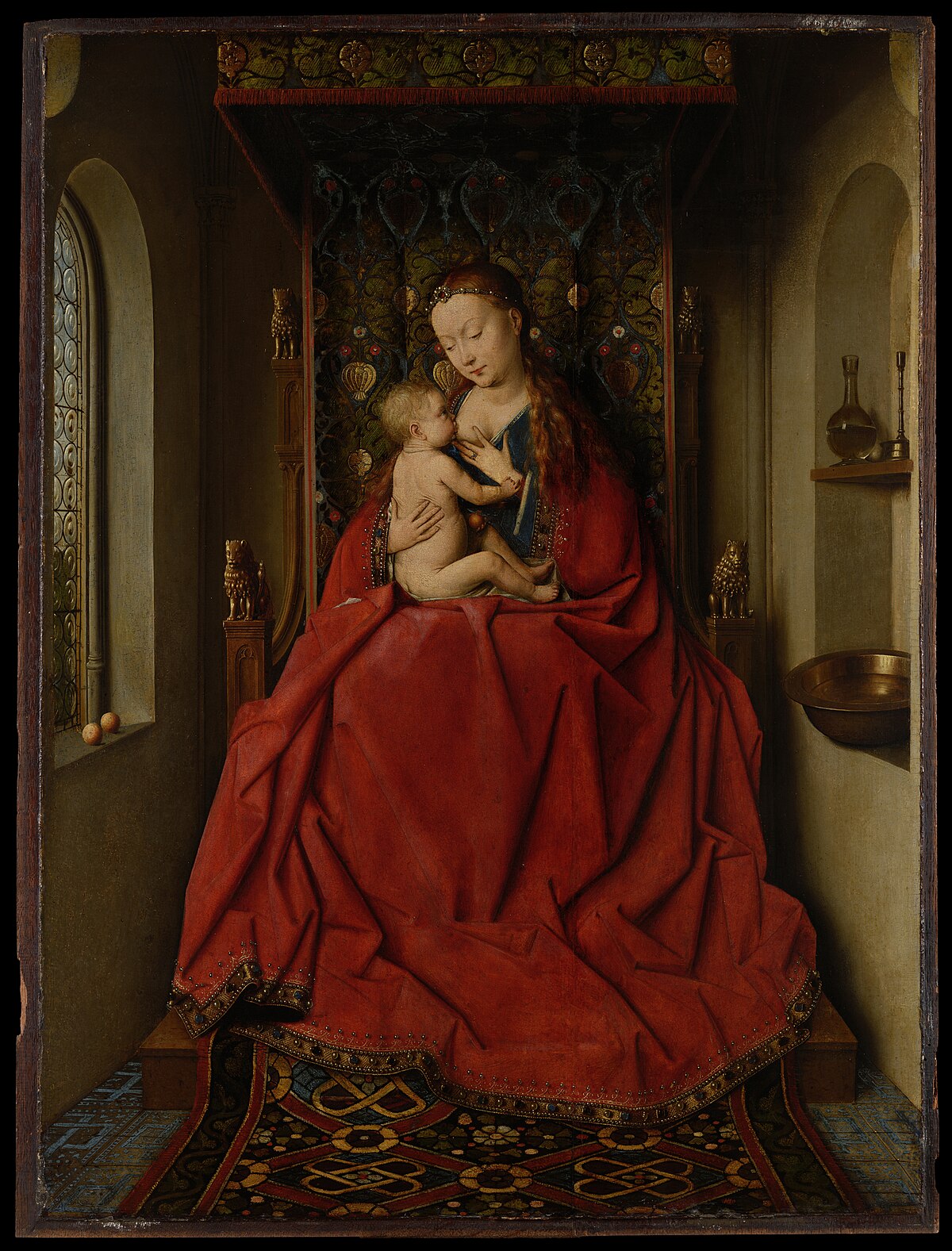
Jan van Eyck, dvorski slikar Filipa Dobrog, vojvode od Burgundije, bio je tehnički najsposobniji slikar petnaestog veka i umetnik koji je ustanovio uljano slikarstvo kao vrhovni medijum evropske umetnosti. Radeći u Brižu od kasnih 1420-ih do svoje smrti 1441. godine, Van Eyck je razvio metodu nanošenja prozirnih glazura uljane boje koja je postizala gotovo draguljastu luminoznost — površine koje su kao da su svetlele iznutra, prikazujući svaki detalj vidljivog sveta sa preciznošću kakvu nijedan slikar pre njega nije pokušao.
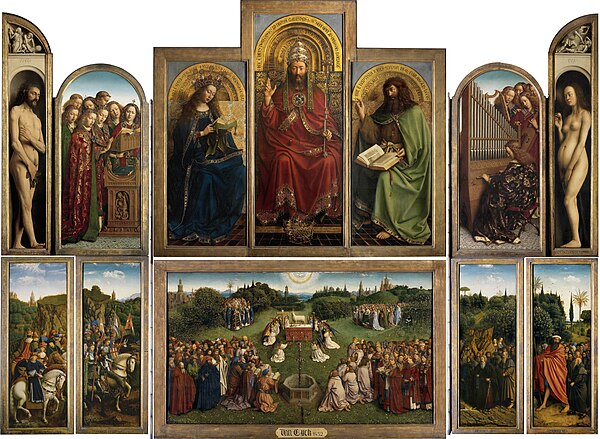
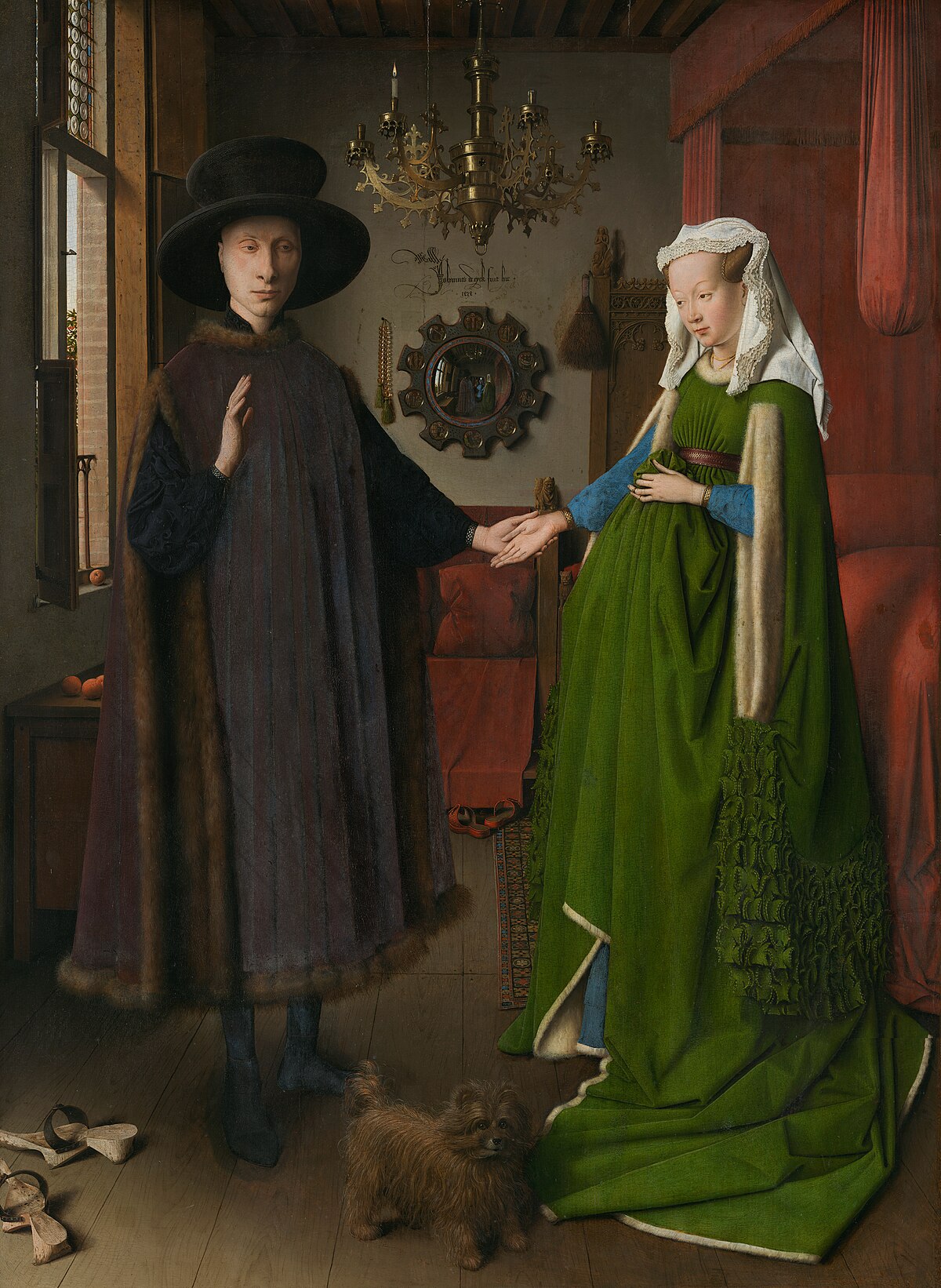
Ghent Altarpiece (završen 1432), koji je započeo njegov brat Hubert a dovršio Jan, jedno je od najambicioznijih slika ikada stvorenih: višepanelni poliptih čije otvoreno stanje otkriva Obožavanje Mističnog Jagnjeta u prostranom, cvećem posutom pejzažu kristalne jasnoće. Arnolfini Portrait (1434) ostaje jedna od najdiskutovanijih slika u istoriji umetnosti — dvostruki portret trgovca i njegove supruge u enterijeru u Brižu, ispunjen simboličnim predmetima koji se ogledaju u konveksnom ogledalu, potpisan enigmatičnim natpisom „Jan van Eyck je bio ovde.”
Van Ejkov uticaj bio je neposredan i dalekosežan. Italijanski slikari bili su zadivljeni flamanskom tehnikom: Vazari mu je (netačno) pripisao izum uljnog slikarstva uopšte. Njegov mikroskopski naturalizam — pojedinačne dlake krznenog okovratnika, odsjaji na oklopu, vene na mramornom stubu — predstavljao je način viđenja sveta koji nije bio ništa manje revolucionaran od Mačovljeve perspektive, a njegovo nasleđe proteže se kroz celokupnu tradiciju severnoevropskog slikarstva.