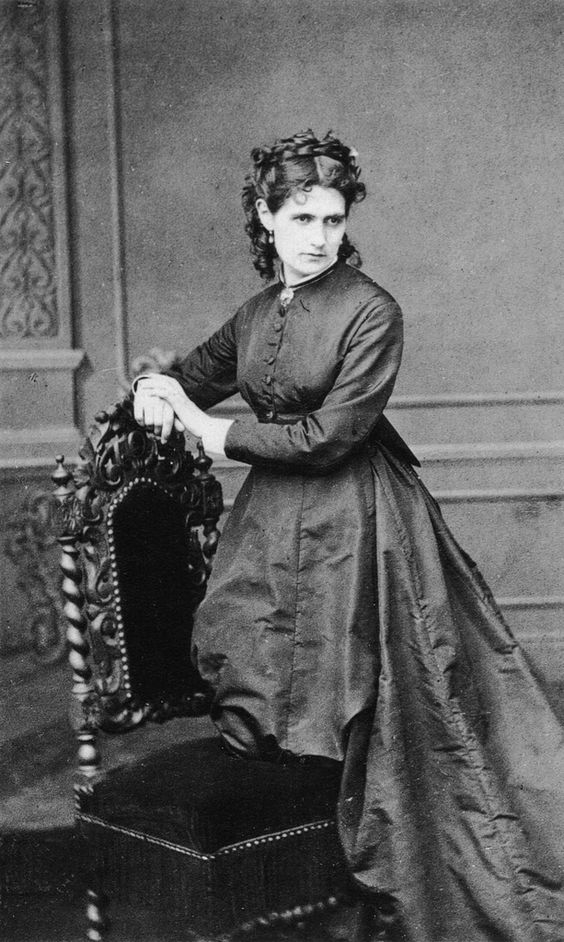
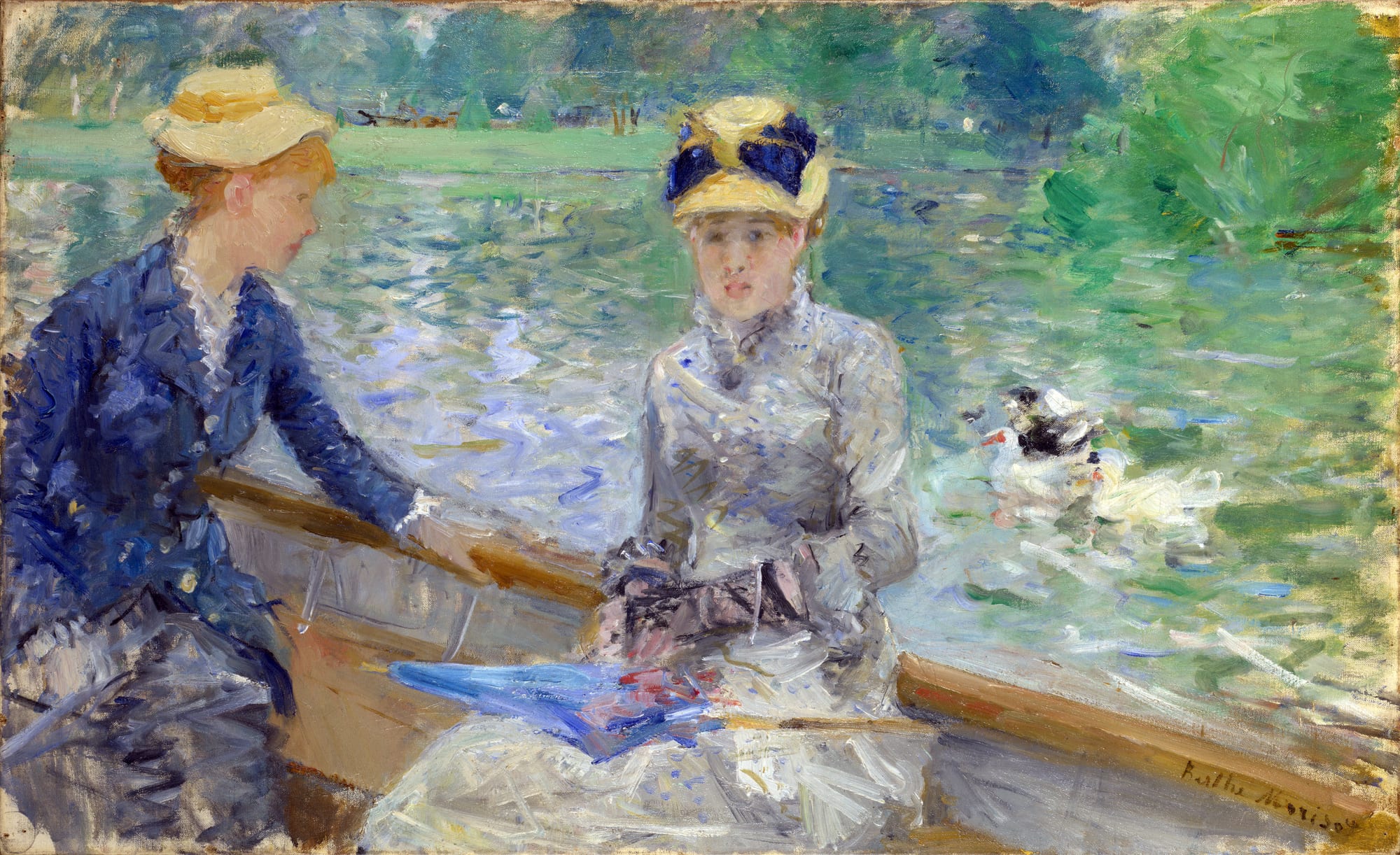
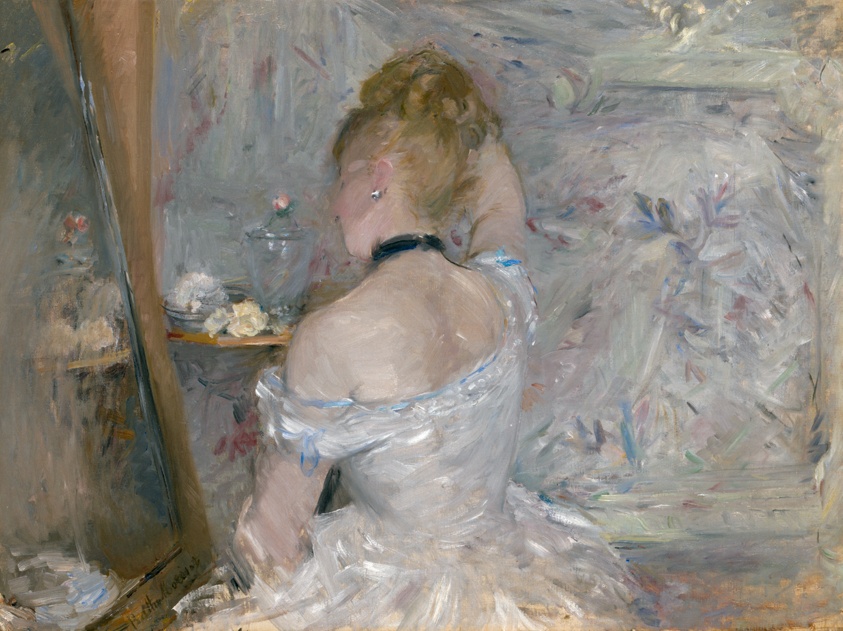
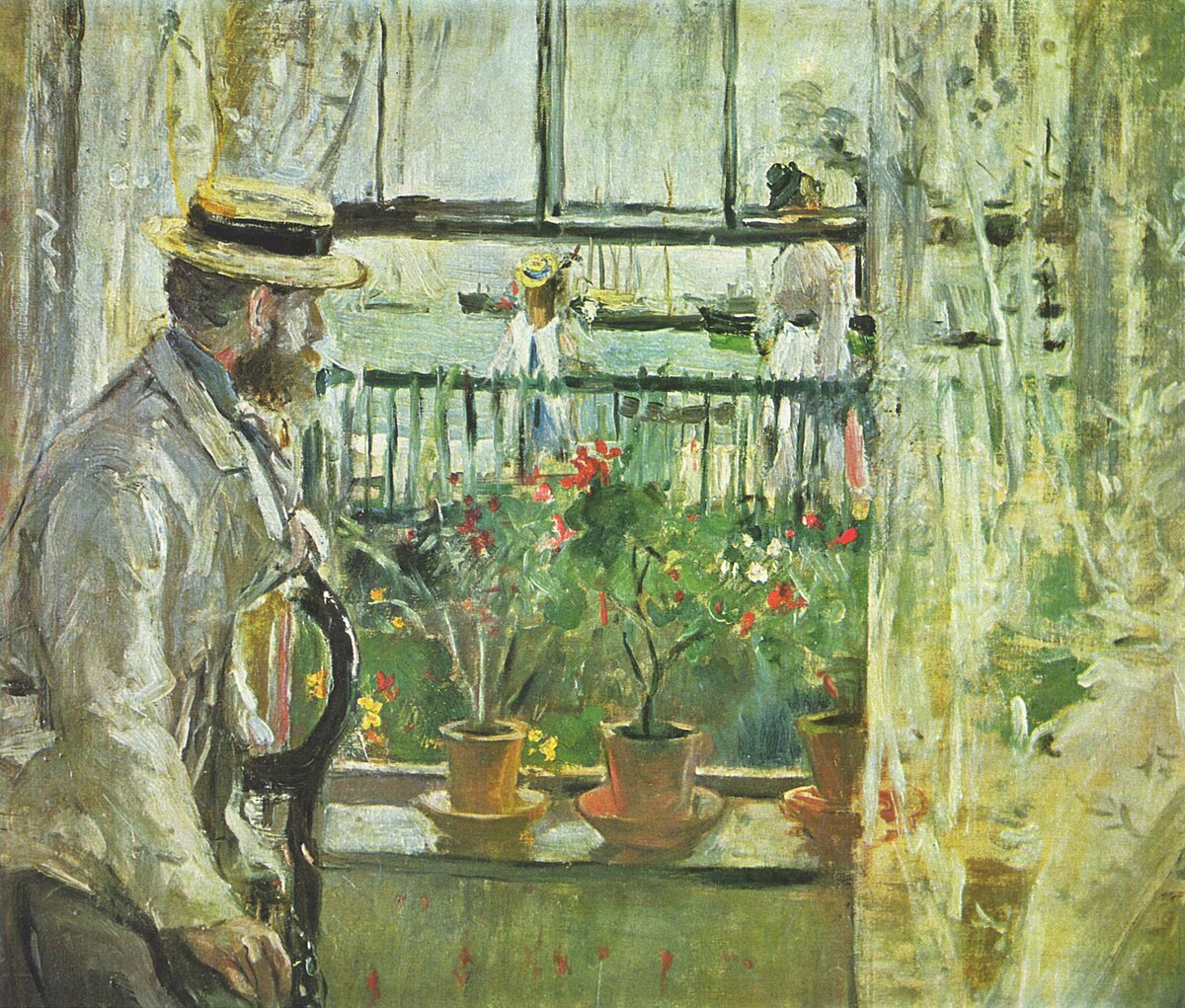
Berthe Morisot je rođena 1841. u kultivisanoj buržoaskoj porodici u Bourgesu i postala je jedna od osnivačica impresionističkog pokreta — jedina žena koja je učestvovala na njihovoj prvoj izložbi 1874. i redovna izlagačica na sedam od osam grupnih izložbi. Najpre je učila kod Corota, koji ju je ohrabrio da slika na otvorenom, i razvila je stil izvanredne lakoće i fluidnosti, nanoseći boju brzim, skicoznim potezima koji su hvatali igru svetlosti i atmosfere sa neposrednošću koja je mogla da se meri sa Moneom i Renoarom.
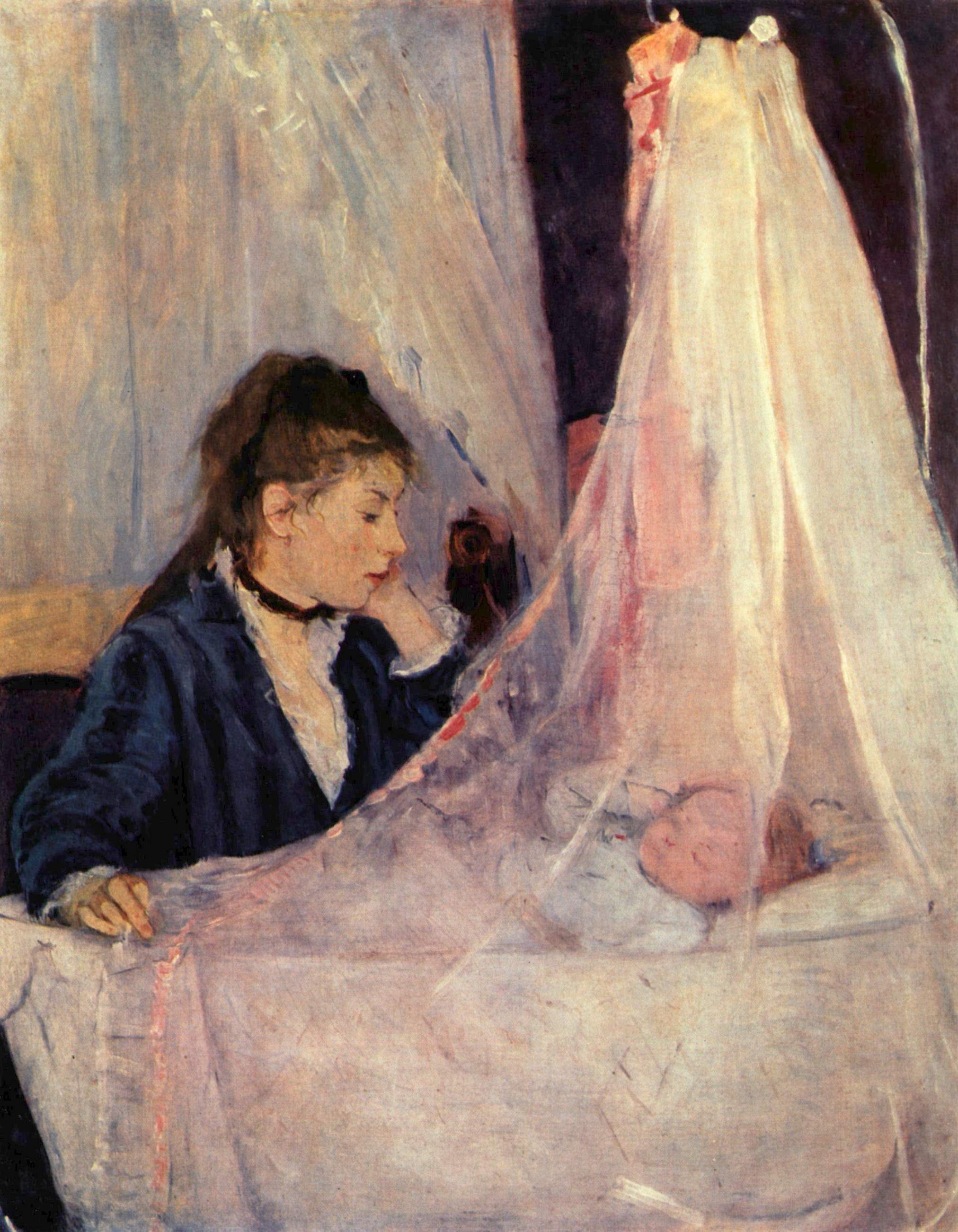
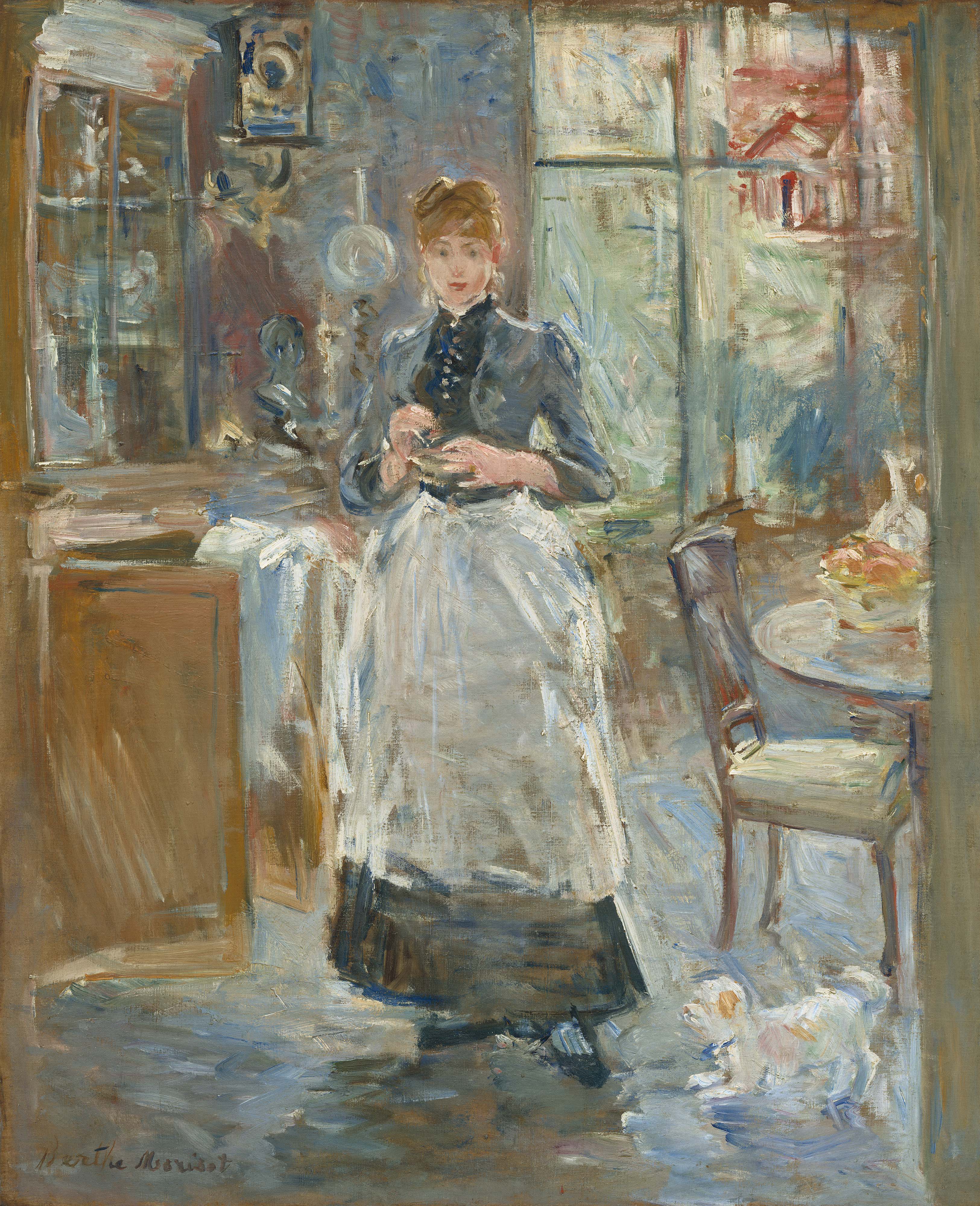
Njeni motivi su uglavnom crpeni iz sveta koji je najbolje poznavala: domaće sfere pariskih žena više srednje klase. The Cradle (1872), koja prikazuje njenu sestru Edmu kako nadgleda svoje uspavano novorođenče, jedna je od najnežnijih slika u impresionističkoj umetnosti. Njene slike žena koje čitaju, oblače se, neguju bašte i čuvaju decu nisu samo žanr scene, već suptilna istraživanja ženskog iskustva, naslikana sa slobodom poteza i osetljivošću za svetlost koja ih svrstava među najfinije domete pokreta.
Morisot se udala za Eugènea Maneta, brata slikara, 1874, a njen dom je postao okupljalište impresionističkog kruga. Mallarmé, Degas, Renoir i Monet bili su redovni gosti. Nastavila je da razvija svoju umetnost tokom čitavog života, a njena pozna dela su sve smelija u raspuštanju forme. Umrla je od upale pluća 1895, u pedeset četvrtoj godini, a retrospektivna izložba održana naredne godine potvrdila je njeno centralno mesto u impresionističkom dostignuću.