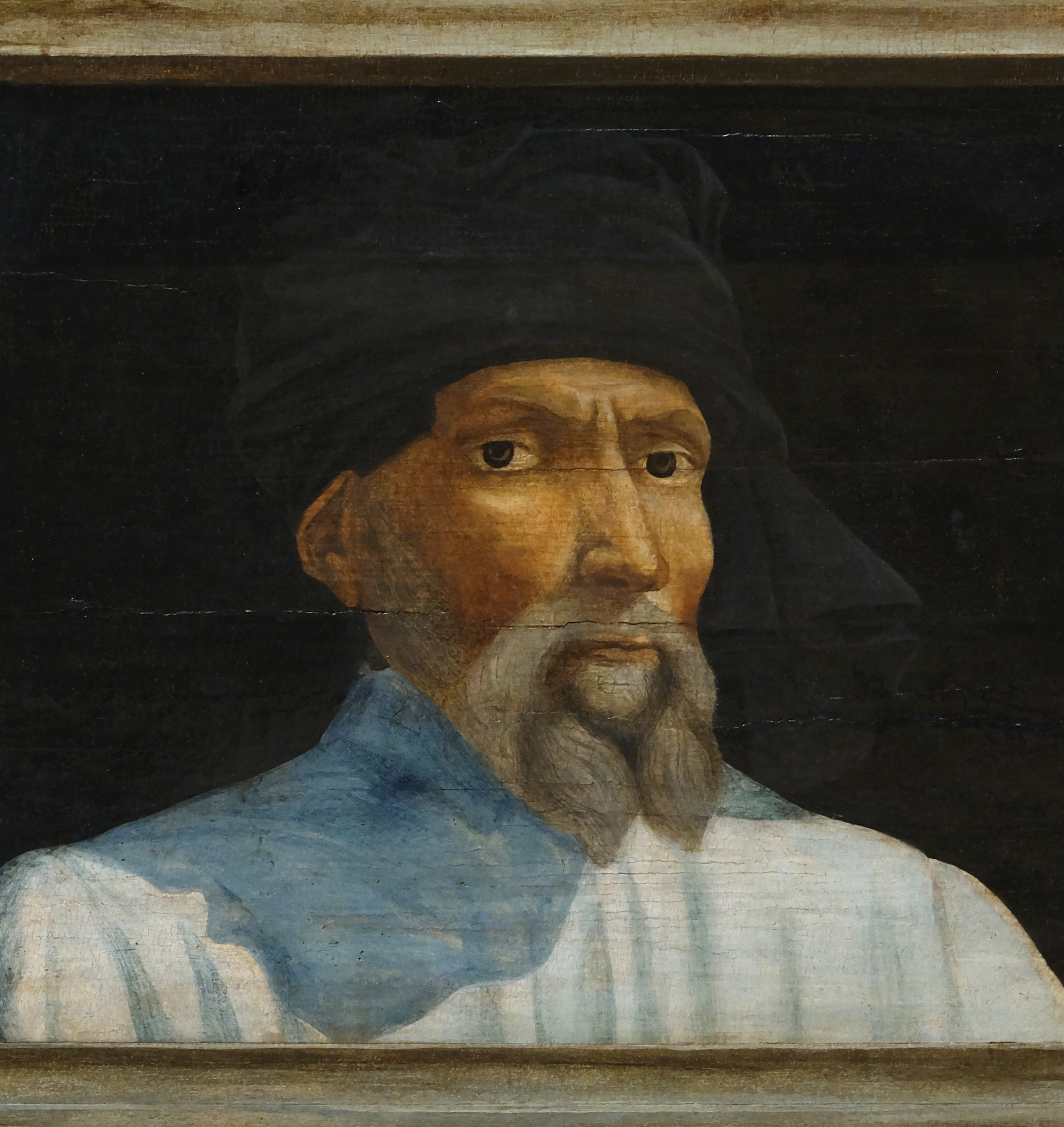
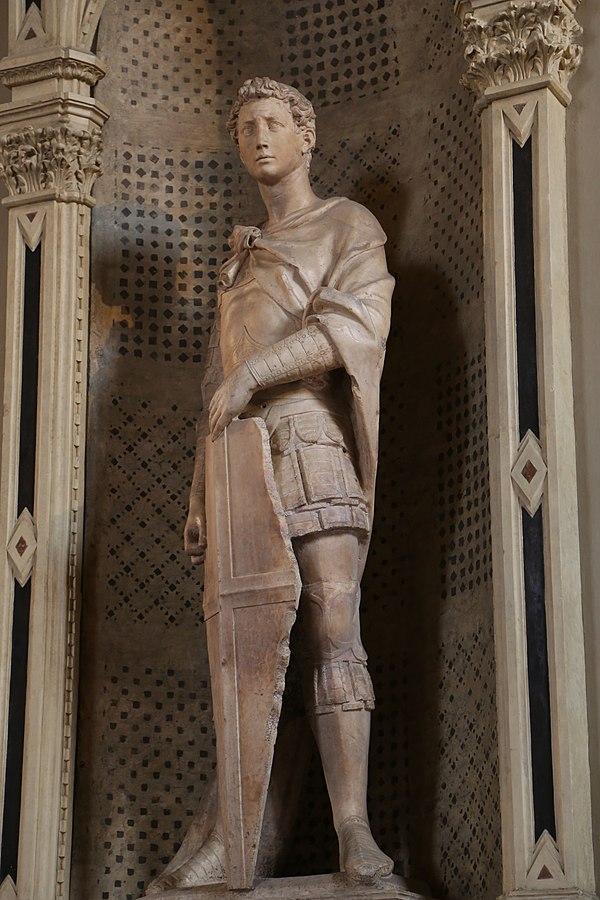
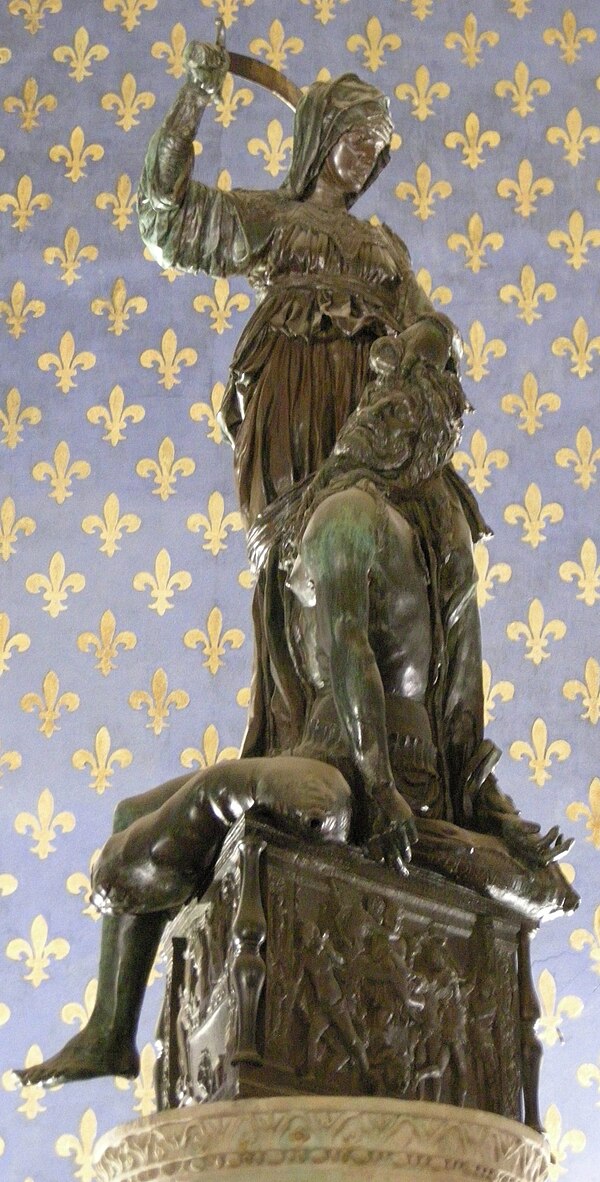
Donato di Niccolò di Betto Bardi, poznat kao Donatello, bio je najznačajniji vajar rane renesanse i jedan od najinventivnijih umetnika u čitavoj istoriji zapadne umetnosti. Rođen u Firenci oko 1386, školovao se u radionici Lorenza Ghibertija i brzo je prevazišao svog učitelja, razvijajući stil koji je odlučno raskrstio sa gotičkom konvencijom. Dok su srednjovekovni vajari proizvodili elegantne ali stilizirane figure, Donatello je težio sirovom naturalizmu — modelujući meso koje se opušta, mišiće koji se naprezaju i lica koja izražavaju iskrene ljudske emocije.
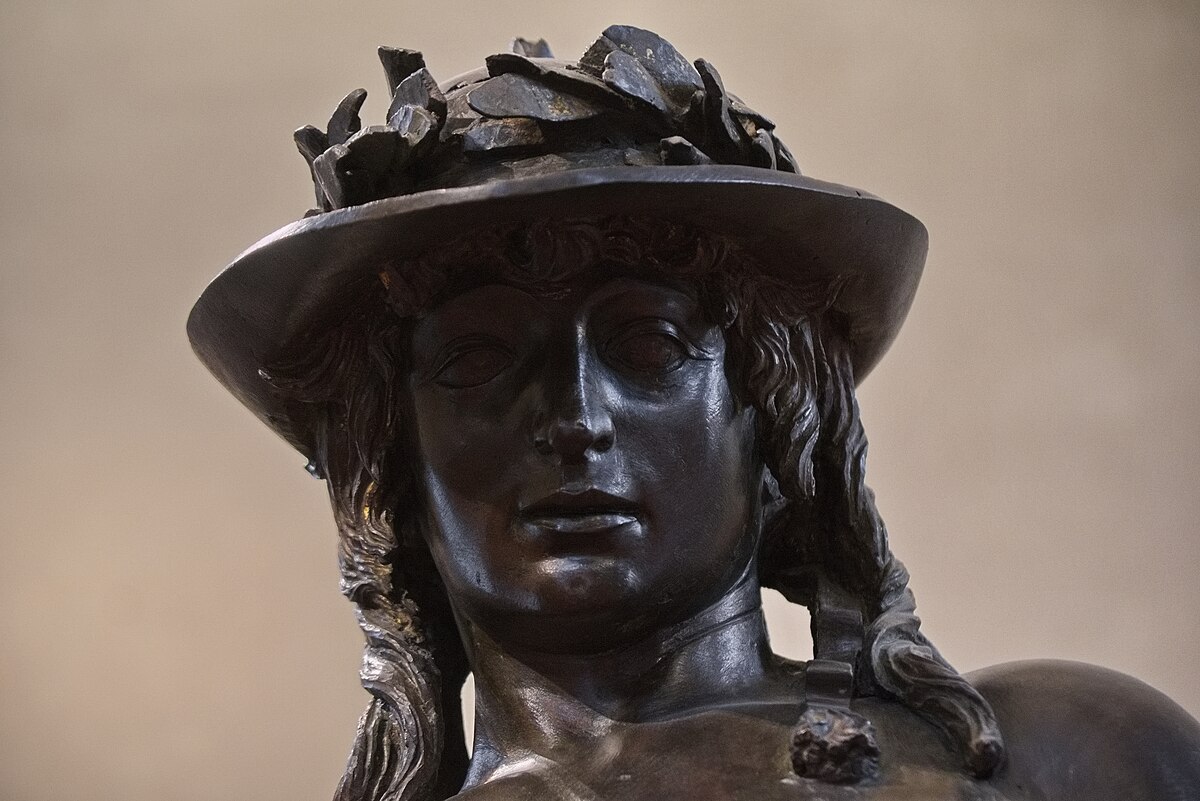
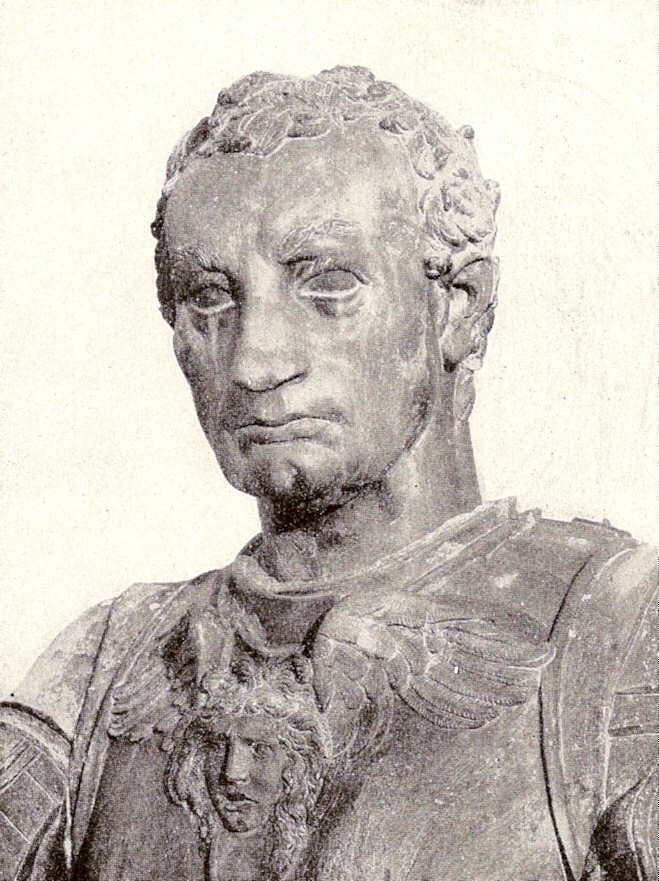
Njegov bronzani David (oko 1440-ih) bio je prva slobodnostojeća gola skulptura od antike, vitak adolescent koji stoji nad odsečenom Golijatovom glavom sa enigmatičnim, gotovo mlitavim samopouzdanjem. Njegova Gattamelata u Padovi bila je prvi monumentalni konjički kip od Marka Aurelija, uspostavljajući tip koji će biti imitiran vekovima. Njegov pozni rad — potresna drvena Mary Magdalene u Firenci, iscrpljena i opustošena pokajničkim patnjama — ostaje jedna od najsnažnijih slika u celokupnoj umetnosti, demonstrirajući da lepota i istina nisu uvek isto.
Donatellov uticaj na naredne umetnike bio je ogroman. Mikelanđelo je pažljivo proučavao njegova dela, a linija od Donatellovog emocionalnog realizma vodi direktno kroz Verrocchia, Leonarda i čitavu visoku renesansu. Vasari ga je stavio na drugo mesto odmah iza samog Mikelanđela među vajarima, a moderna istorija umetnosti potvrdila je tu ocenu.