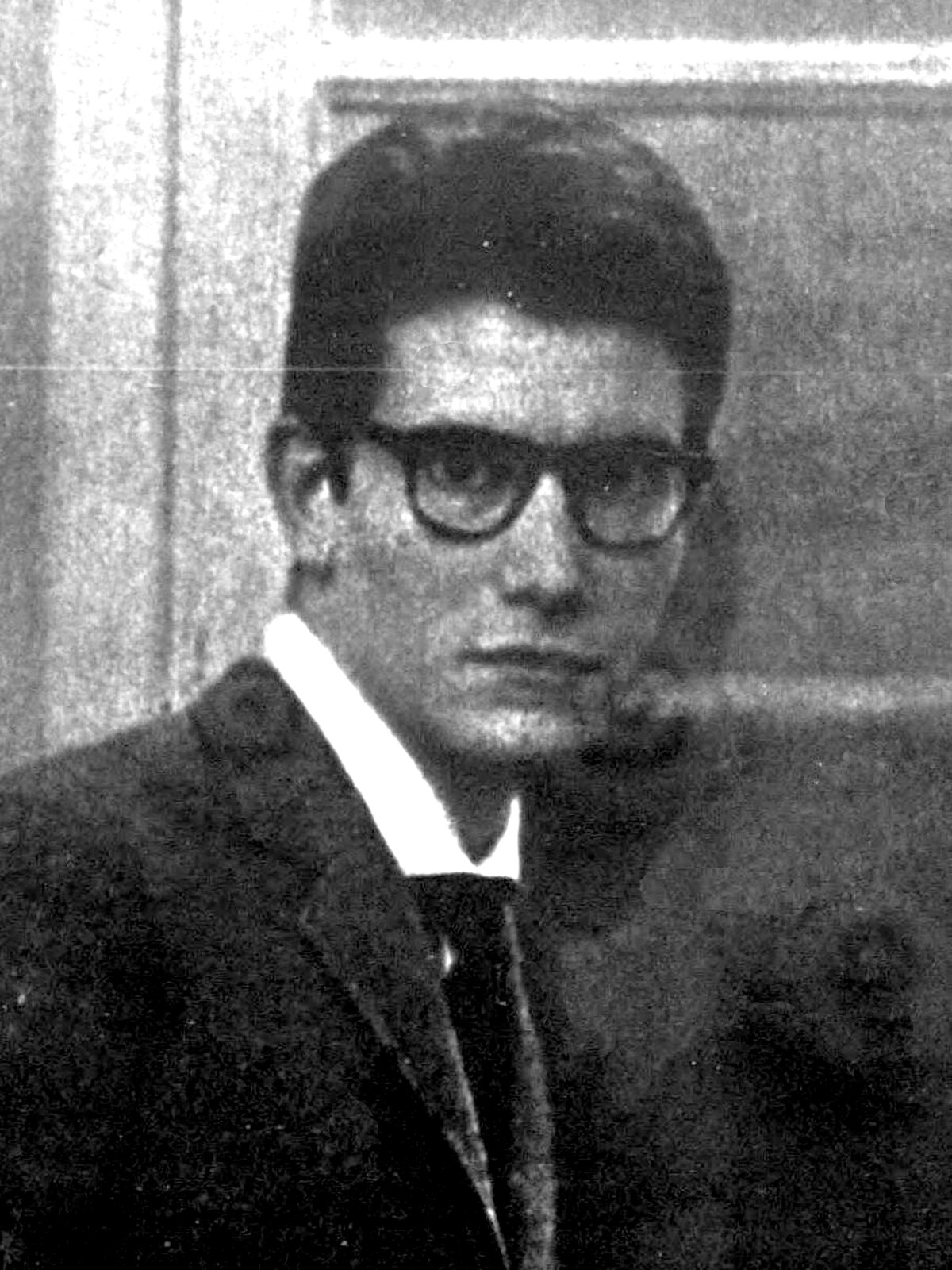
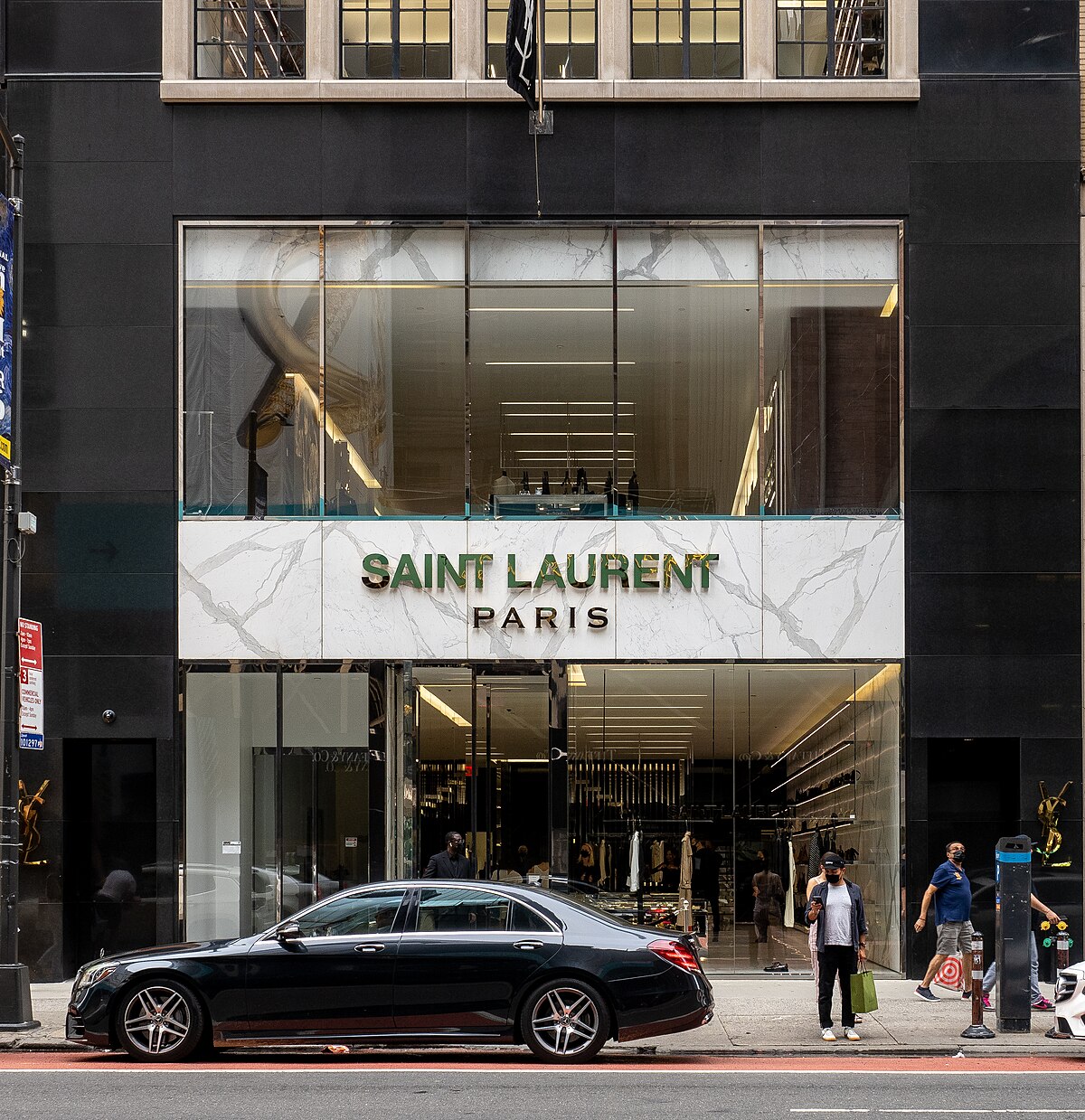
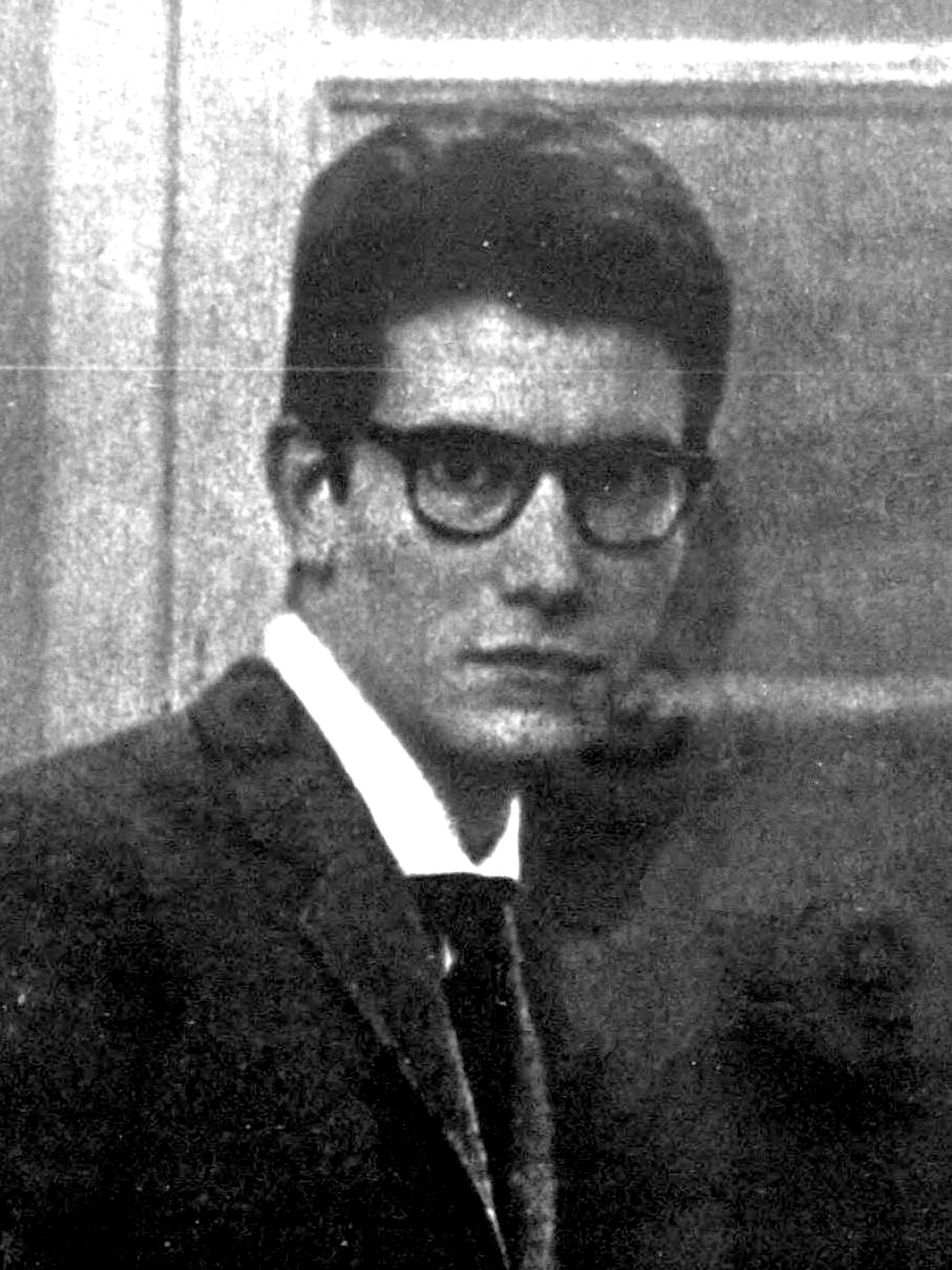
Iv Sen Loran stigao je u Dior sa devetnaest godina, preuzeo modnu kuću sa dvadeset jednom nakon Diorove smrti i nastavio da postane najznačajniji dizajner druge polovine dvadesetog veka. Rođen u Oranu, Alžir 1936, doneo je u modu glad autsajdera i oko slikara — jednako ugodno je razgovarao o Pikasu ili Velaskezu kao i o organzi.
Najmlađi kutijer
U Dioru, mladi Sen Loran je pokazao trenutnu briljantnost. Njegova prva kolekcija za kuću 1958. — Trapez linija — bila je kritički trijumf koji mu je doneo heroski doček na balkonu sedišta Diora. Ali njegove naredne kolekcije, sve više pod uticajem omladinske kulture Levog brega i Beat generacije, uznemirile su konzervativne finansijere kuće. Kada je regrutovan u francusku vojsku tokom Alžirskog rata 1960, Dior ga je zamenio Markom Boanom. Iskustvo — koje je uključivalo brutalni boravak u vojnoj psihijatrijskoj bolnici — trajno ga je ranilo ali i pojačalo njegovu kreativnu viziju.
Umetnost i moda kao jednaki
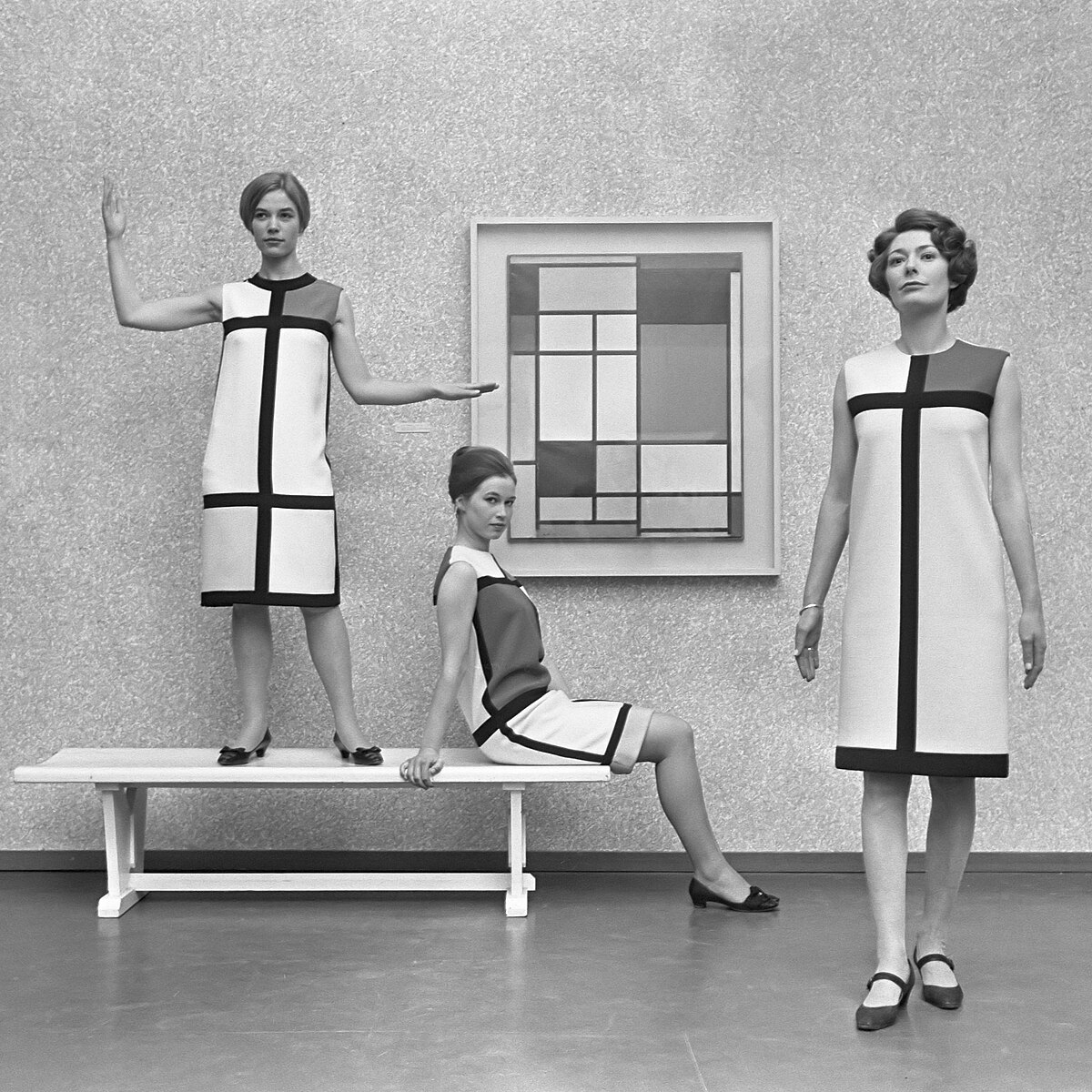
Njegova Mondrian kolekcija iz 1965. — serija haljina sa blokovima boja izvedenih direktno iz Mondrijanovnih mreža primarnih boja — najavila je da se likovna umetnost i moda mogu sretati kao jednake. Haljine su bile toliko savršeno rešene da nisu zahtevale nakit, nikakve aksesoere; bile su potpune estetske izjave same po sebi. Sen Loran se vraćao ovom dijalogu tokom čitave karijere, stvarajući kolekcije inspirisane Pikasom (1979), Matisom (1981), Van Gogom (1988) i Brakom, tretirajući pistu kao galeriju a svaki komad odeće kao platno.
Le Smoking: moda kao politika
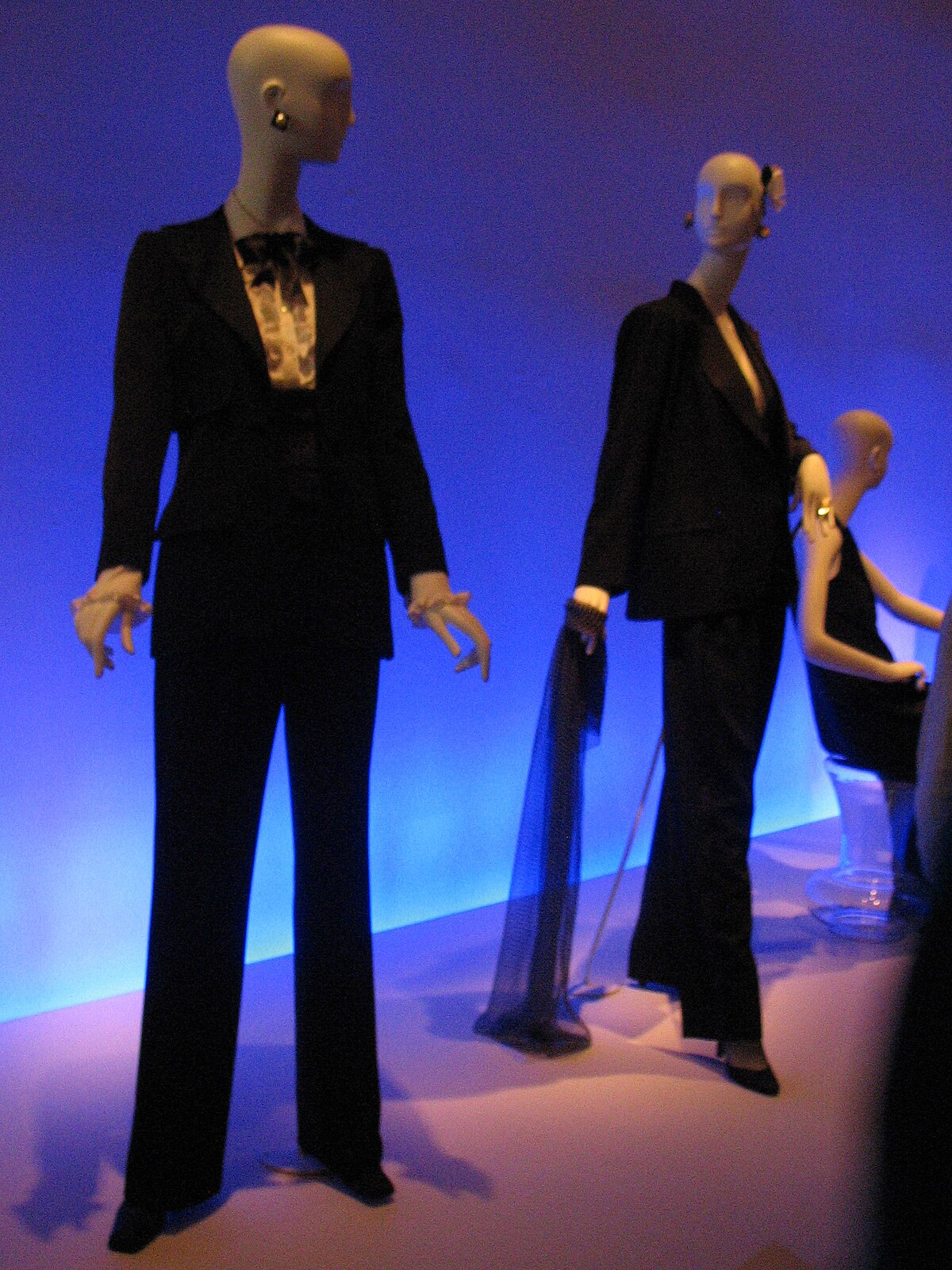
Ali njegov najrevolucionarniji čin bio je Le Smoking iz 1966: žensko smoking odelo, besprekorno skrojeno u muškoj tradiciji, ponuđeno kao alternativa večernjoj haljini. U vreme kada je ženama još uvek bio uskraćen pristup mnogim restoranima u pantalonama, Le Smoking je bio politički čin prerušen u izbor garderobe. Kada je Nan Kempner odbijena u njujorškom restoranu jer je nosila svoje, jednostavno je skinula pantalone i ušla samo u sakou, kao mini haljini. Sen Loran se opsesivno vraćao smokingu tokom čitave karijere — „Često sam govorio da bih voleo da sam izmislio farmerke”, pisao je. „One imaju izražajnost, skromnost, seks-apil, jednostavnost — sve čemu se nadam u svojoj odeći.”
Demokratizacija mode
Pionir je koncepta dizajnerske konfekcijes kroz svoje butike Rive Gauche od 1966. nadalje, namerno donoseći kutijerski dizajn na demokratsku cenu u vreme kada je visoka moda bila ekskluzivna privilegija malobrojne elite. Butici Rive Gauche — sa njihovim intelektualnim glamurom Levog brega, rok-end-rol energijom — stvorili su novi model za prodaju mode, prethodeći kulturi dizajnerskih butika koja danas dominira globalnom maloprodajom.
Svetska kultura na pisti
Njegova Afrička kolekcija (1967) i Ruska kolekcija (1976) demonstrirale su izuzetnu sposobnost apsorbovanja nezapadnih estetskih tradicija i njihovog prevođenja u parišku visoku modu bez pukog egzotiziranja. Večernje haljine ukrašene perlicama od rafije iz Afričke kolekcije i kaputi od seljačkog kroja obrubljeni krznom i vojnički sakoi sa zlatnim gajtanima iz Ruske kolekcije bili su činovi autentične kulturne sinteze, kontroverzni u svom prisvajanju ali neporecivi u svojoj lepoti.
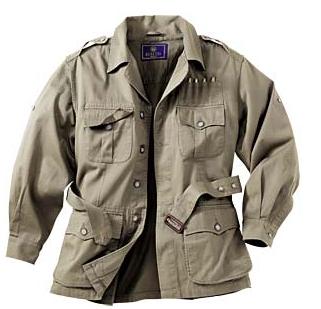
Safari jakna (1968) — adaptirana iz kolonijalnog muškog odevanja u pojasanu, džepovima opremljenu jaknu za žene — postala je jedan od najimitiranijih odevnih predmeta veka, pokrenuvši bezbroj kopija u svakom cenovnom rangu i ušavši u trajni rečnik ženske odeće.
Borba i poslednje godine
Sen Loranov privatni život bio je turbulentan. Tokom čitave karijere borio se sa depresijom, alkoholizmom i zavisnošću od droga — demonima koji su se pojačavali kako je modna industrija koju je pomogao da stvori postajala sve korporativnija i tržišno vođena. Njegov partner, Pjer Berže, upravljao je poslovnom stranom kuće sa žestokom zaštitničkom energijom, stvarajući podelu između umetnosti i komercijale koja je omogućila Sen Loranu da nastavi da dizajnira čak i tokom perioda teških kriza.
Njegova poslednja revija visoke mode u januaru 2002, u Centru Pompidu, bila je retrospektiva njegovih najvećih hitova — Le Smoking, Mondrijan haljina, safari jakna — i završila se sa celom publikom u suzama. Umro je u Parizu 1. juna 2008. Muzej Iv Sen Lorana, u njegovom nekadašnjem ateljeu na Avenue Marso, sada čuva radionice tačno onako kako ih je ostavio — tualne, skice, bale tkanine — kao svetilište poslednjeg velikog kutijera.