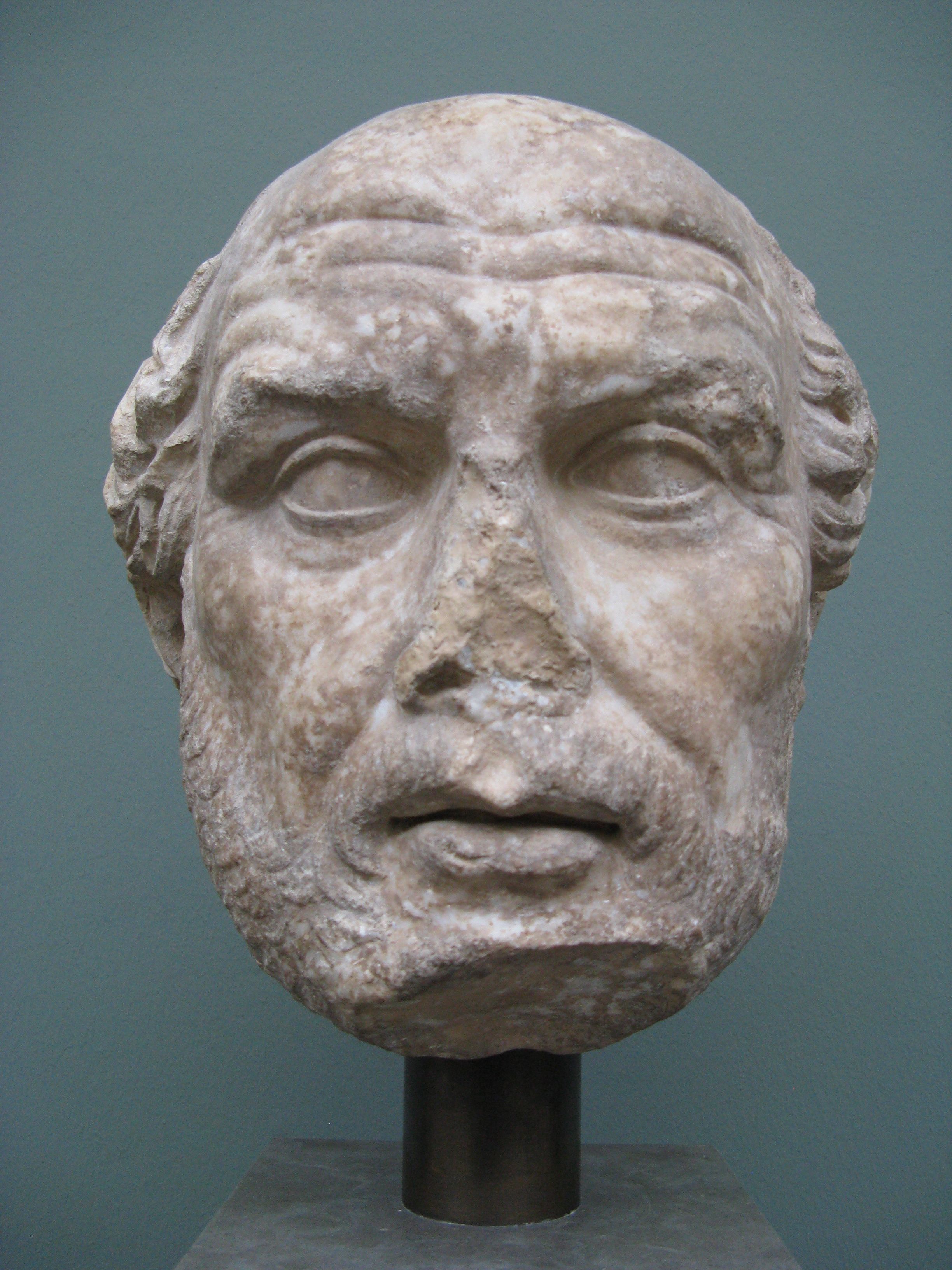
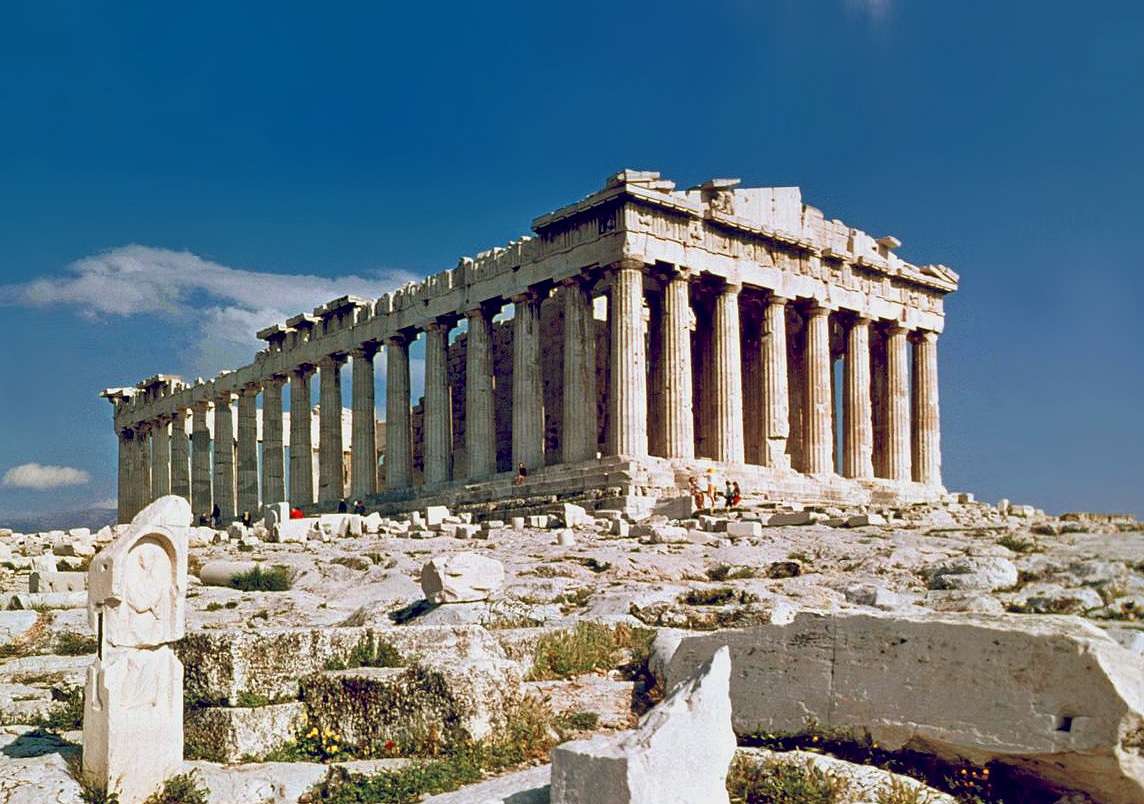
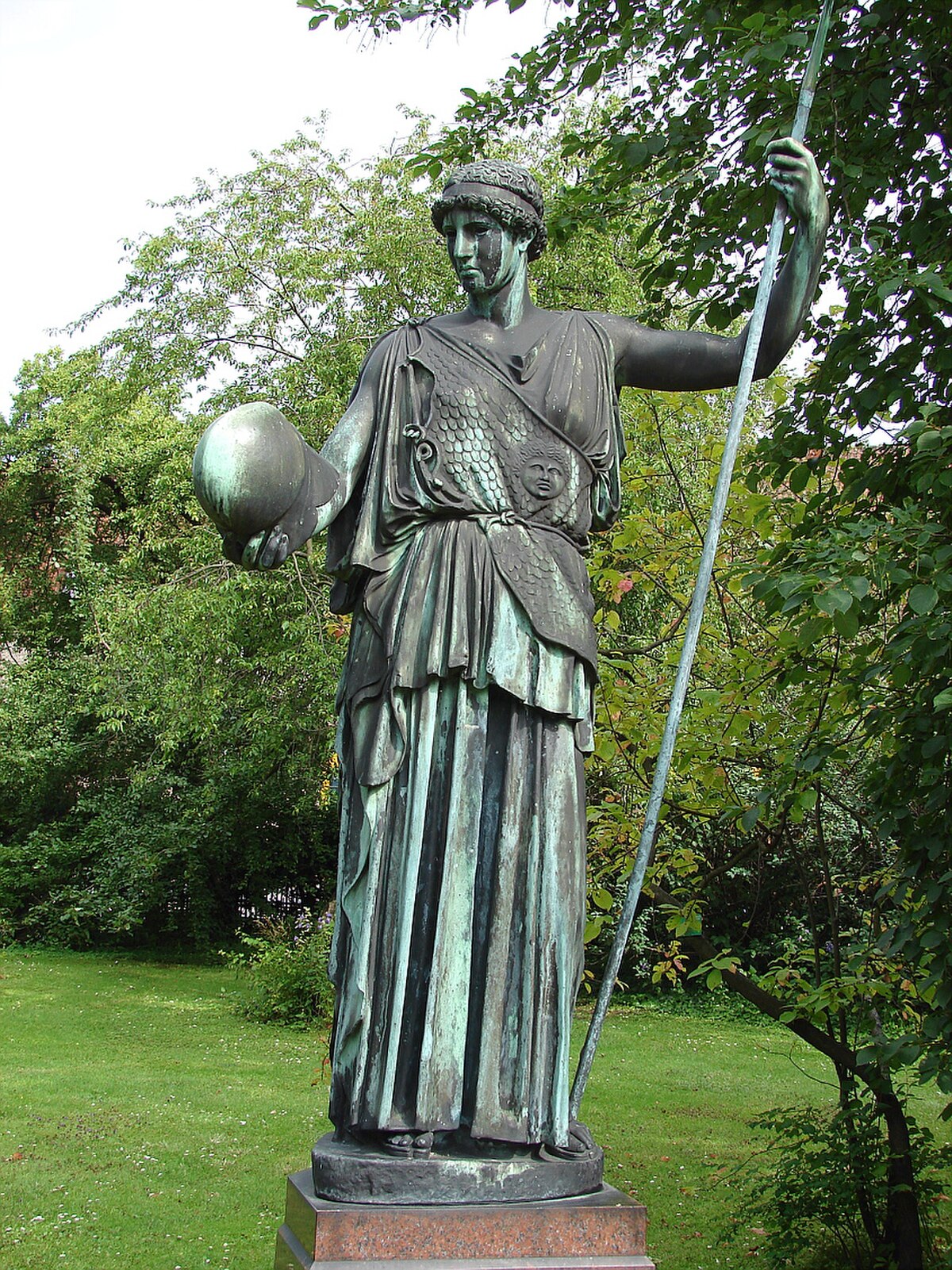
Fidija je bio najslavljeniji vajar klasičnog grčkog sveta, aktivan u Atini tokom zlatnog doba Perikla u petom veku pre nove ere. Antički izvori mu pripisuju nadgledanje čitavog skulpturalnog programa Partenona na Akropolju, uključujući legendarni friz, metope i figure frontona koji su otelotvorili atinske ideale lepote, proporcije i građanskog ponosa. Njegova radionica je proizvodila dela zapanjujuće ambicije, a njegova sposobnost da prikaže božansko veličanstvo u mermeru i bronzi bila je nenadmašena među savremenicima.
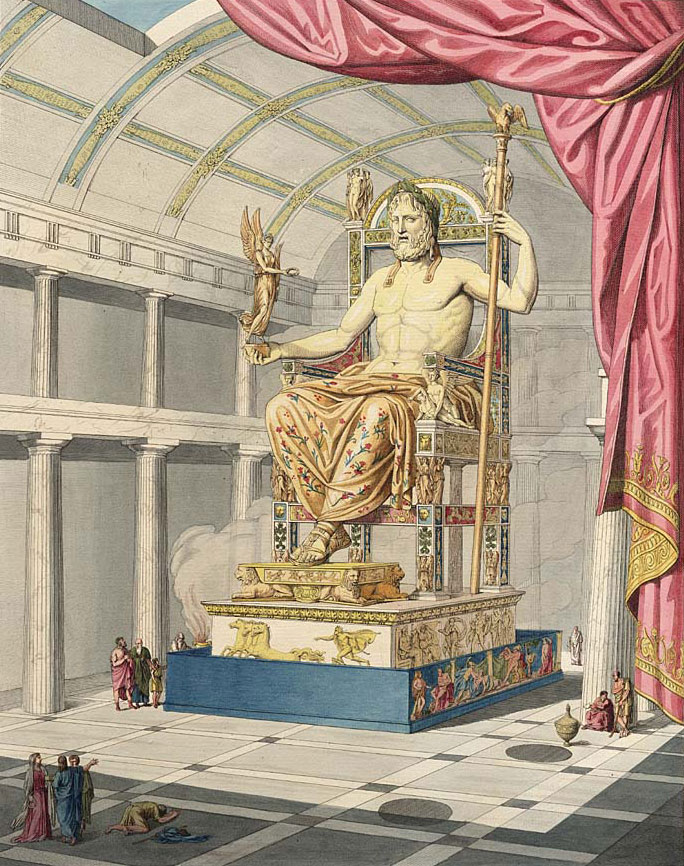
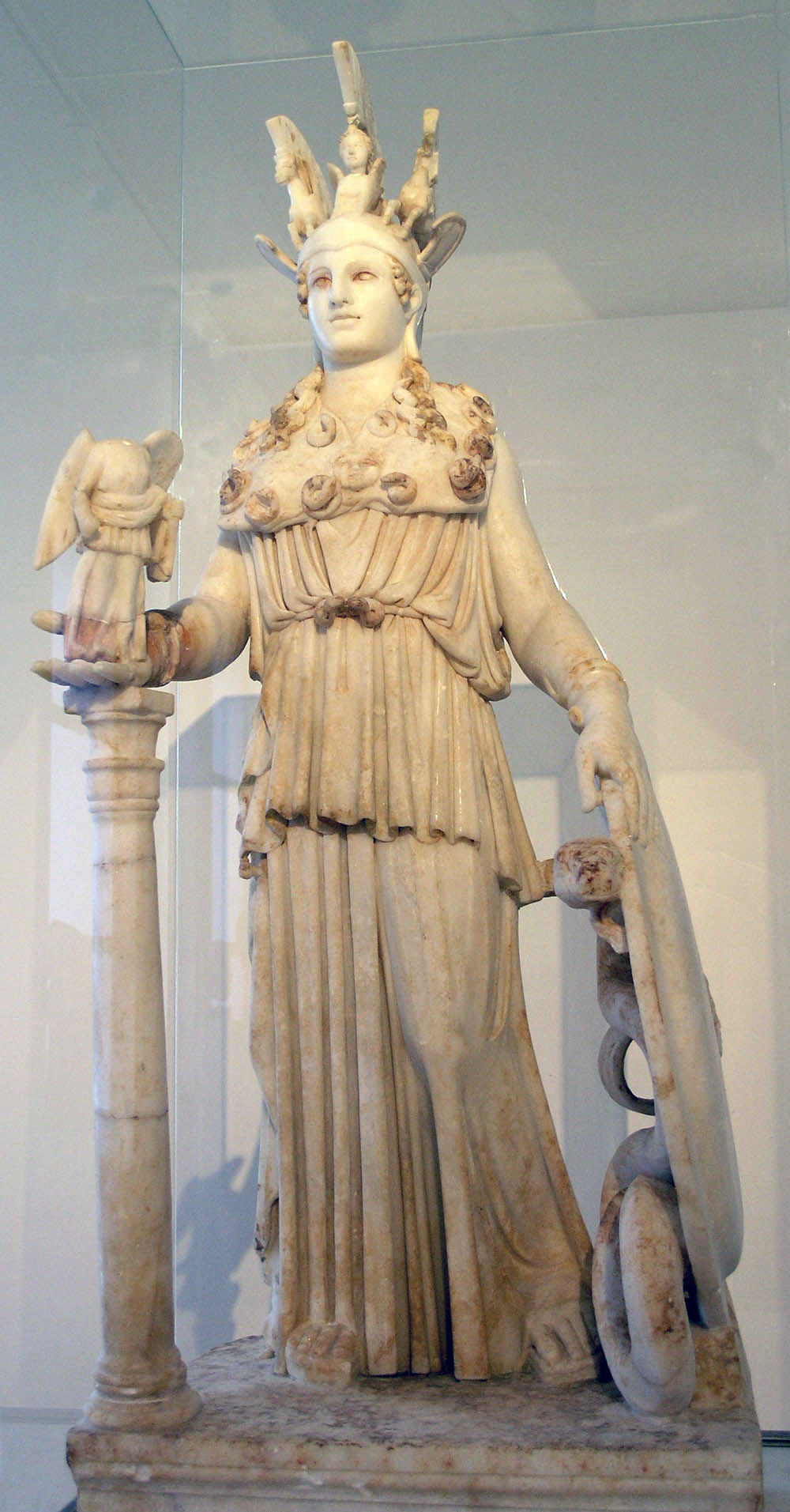
Njegove dve najpoznatije kreacije — kolosalna Atena Partenos unutar Partenona i sedući Zevs u Olimpiji — bile su hrizelefantinske statue, konstruisane od zlatnih ploča i slonovače preko drvenih okvira, i ubrajane među sedam svetskih čuda antičkog sveta. Nijedna nije sačuvana, ali antički opisi i kopije malog formata prenose nešto od njihove ogromne veličine i spokoja. Za Zevsa, navodno visokog preko dvanaest metara, govorilo se da je na posmatrače ostavljao utisak da stoje u prisustvu samog boga.
Fidijino nasleđe oblikovalo je čitavu kasniju tradiciju zapadne skulpture. Njegovo majstorstvo „idealnog” ljudskog oblika — smirenog, proporcionalnog, prožetog unutarnjom plemenitošću — postalo je standard prema kojem su vajari merili sebe više od dve hiljade godina, od rimskih kopista preko renesansnih majstora do neoklasicističkih obnovitelja.