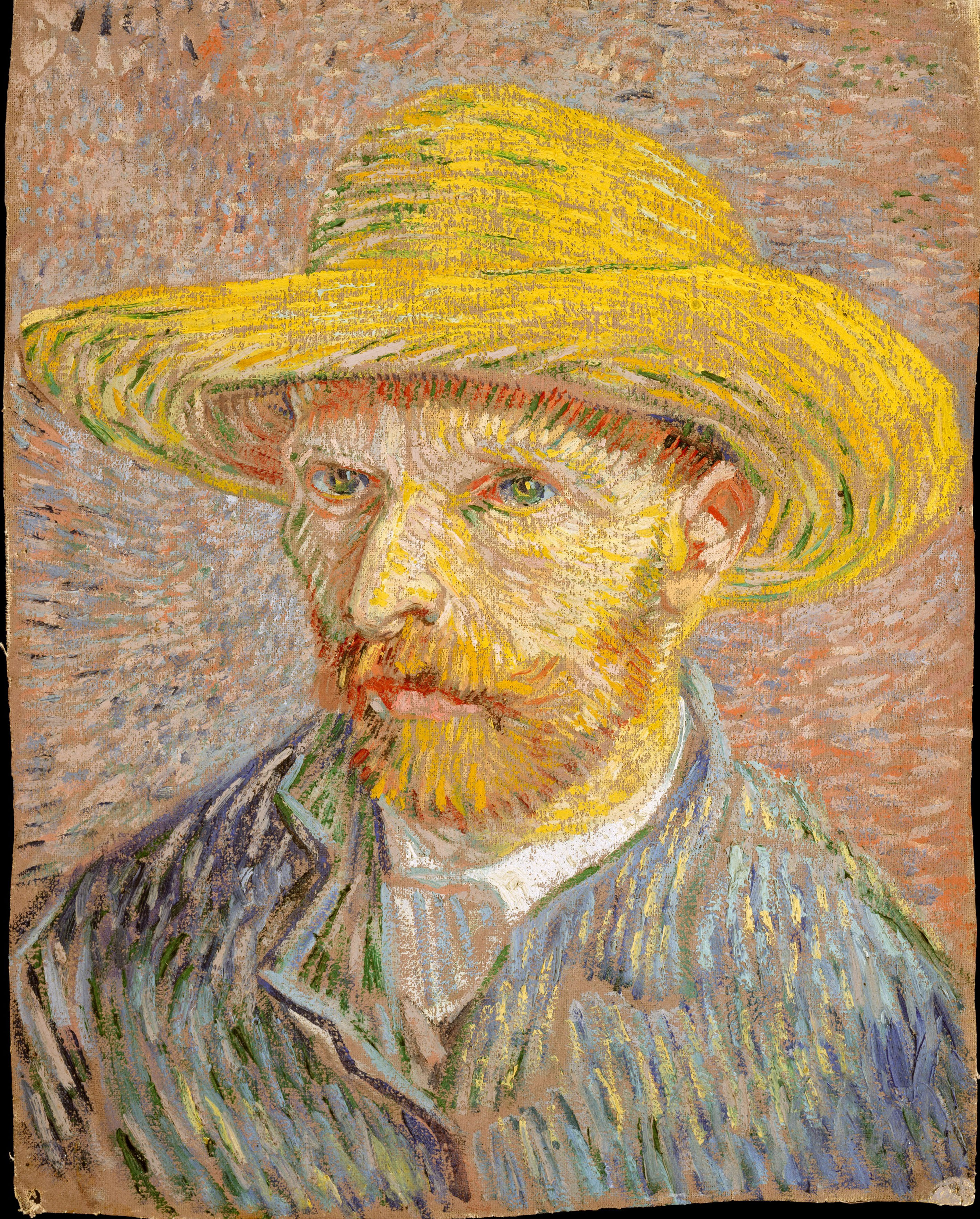
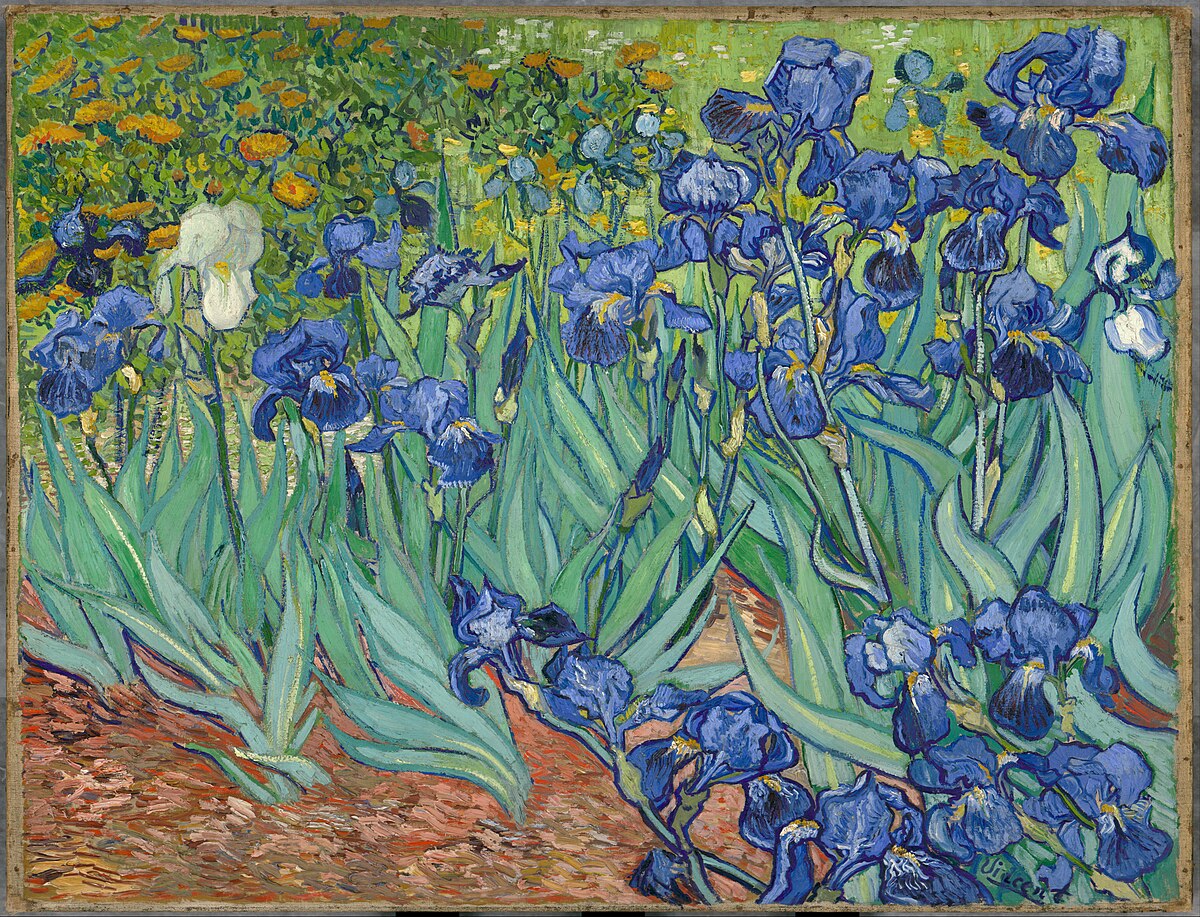
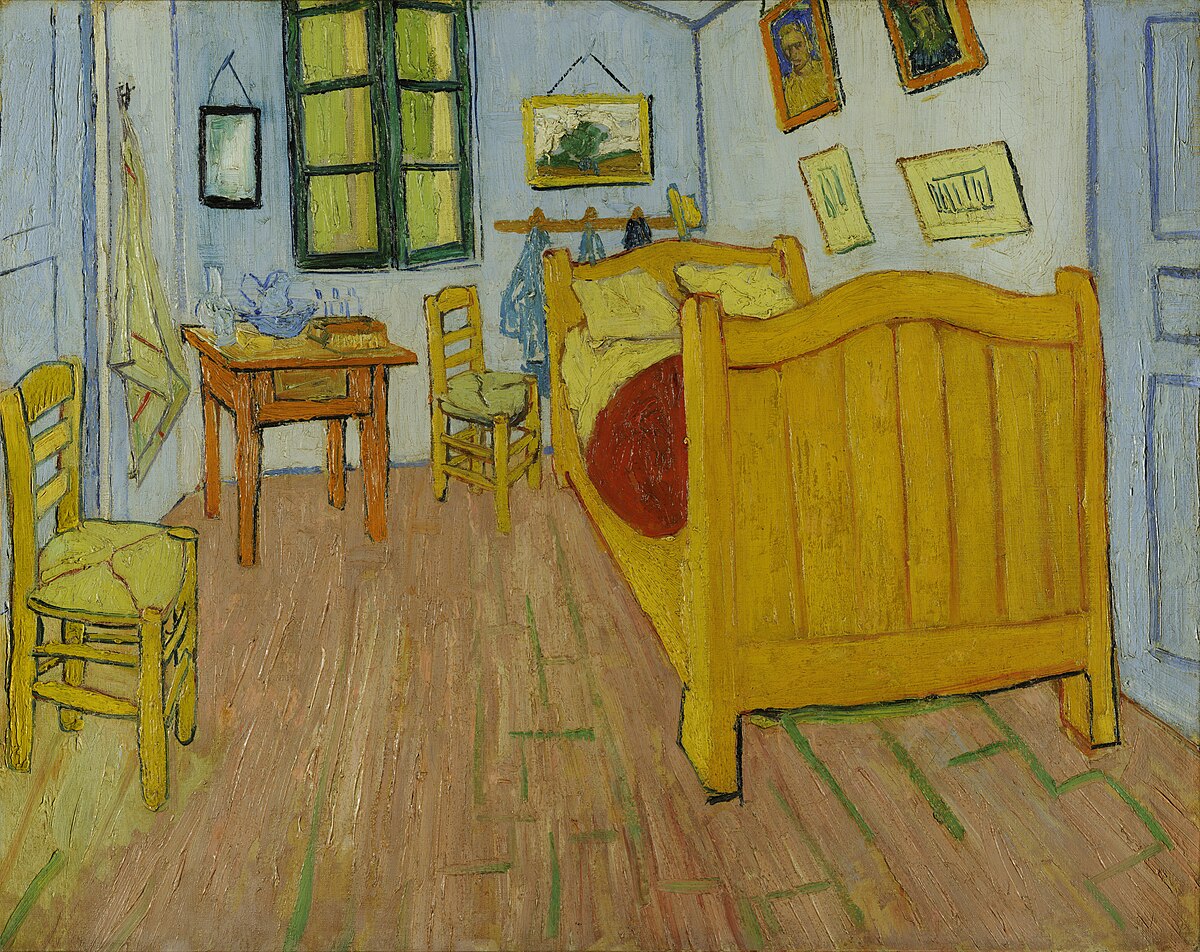
Vinsent van Gog došao je do umetnosti kasno i zaobilaznim putem. Rođen u Holandiji 1853, radio je kao trgovac umetninama, školski učitelj i misionar među belgijskim rudarima uglja pre nego što je, u dvadeset sedmoj godini, odlučio da postane slikar. Njegova rana dela — tamne, zemljane scene seoskog života poput The Potato Eaters — malo su nagoveštavala hromatsku eksploziju koja je sledila. Sve se promenilo kada se preselio u Pariz 1886. i susreo sa živahnom paletom impresionista i smelim uzorcima japanskih drvoreza. U roku od dve godine njegov stil se potpuno transformisao, i uputio se na jug u Arl u Provansi, opijen žestokom mediteranskom svetlošću.
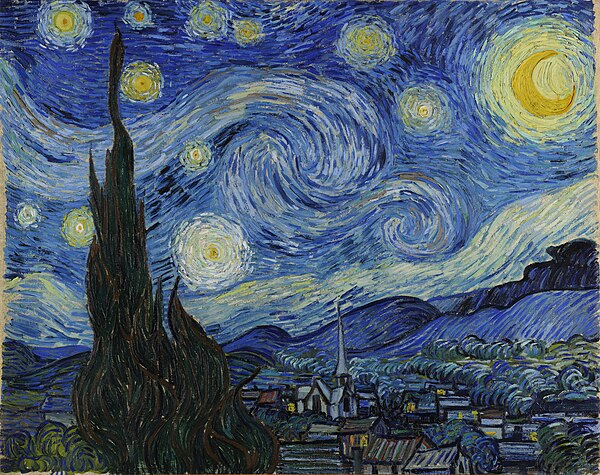
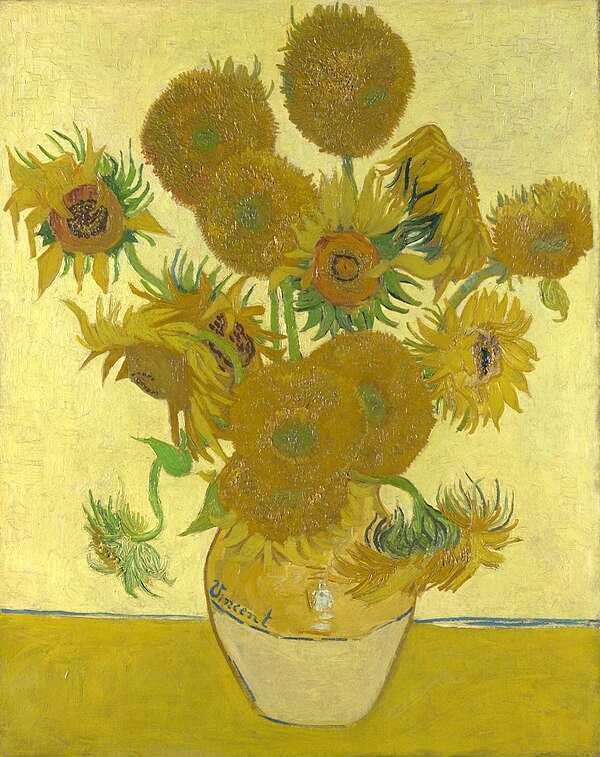
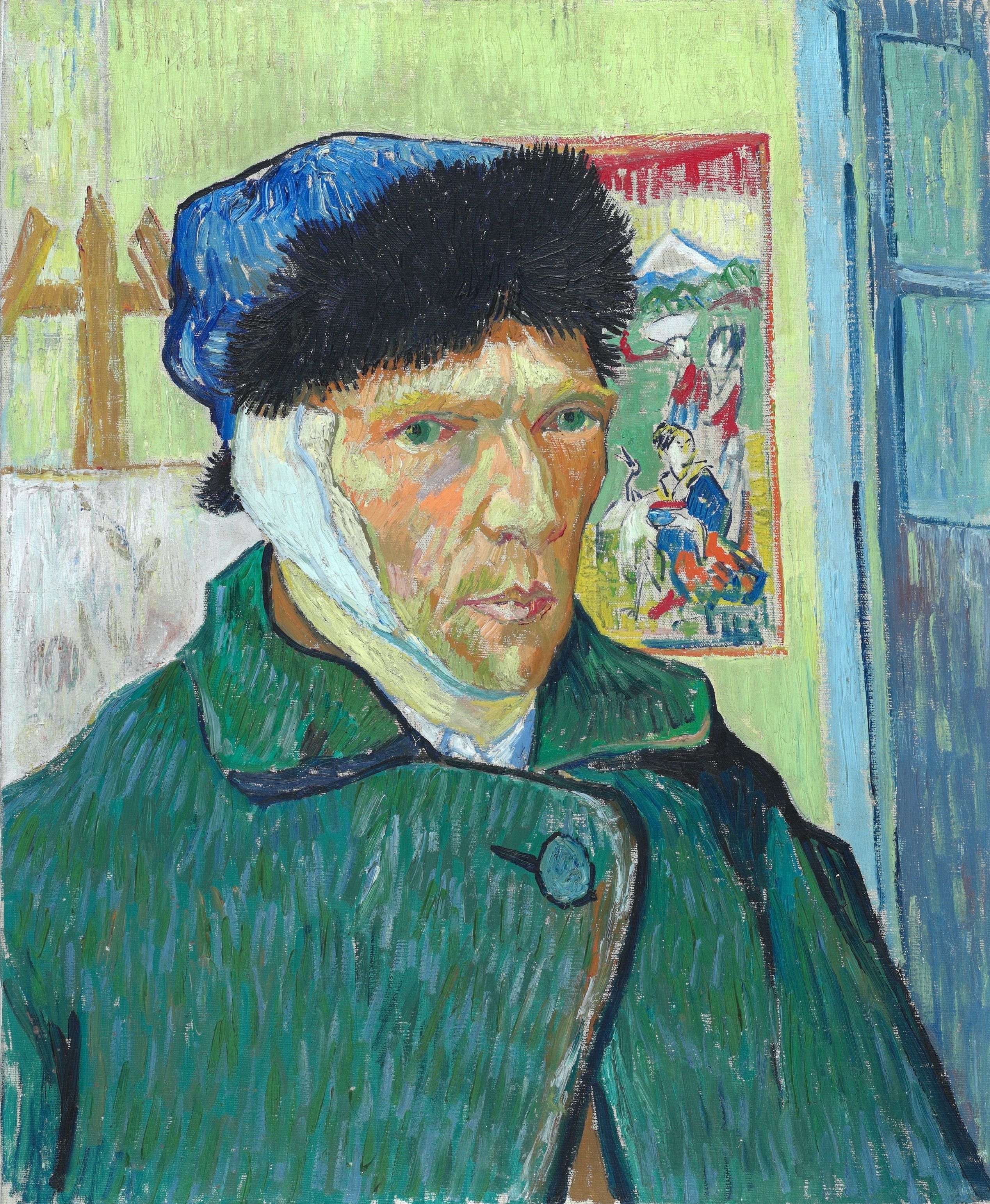
Upravo na jugu Francuske Van Gog je stvorio slike koje su ga učinile besmrtnim. Radeći grozničavim tempom — ponekad završavajući platno za jedan dan — slikao je plamteće Sunflowers, uskovitlane čemprese i luminozne kafane i žitna polja Provanse gustim, ritmičnim potezima četke koji su kao da pulsiraju sirovom emocijom. Sanjao je o osnivanju umetničke kolonije i pozvao Pola Gogena da mu se pridruži, ali njihov burni suživot završio se čuvenim slomom tokom kojeg je Van Gog sebi odsekao deo uha. Kasniji napadi mentalnog oboljenja doveli su do njegovog dobrovoljnog prijema u bolnicu u Sen-Remiju, gde je naslikao The Starry Night — noćno nebo koje se kovitla kosmičkom energijom iznad uspavanog sela — jednu od najprepoznatljivijih slika u čitavoj umetnosti.
Van Gog se ustrellio u žitnom polju blizu Over-sir-Oaza u julu 1890, u trideset sedmoj godini, prodavši samo jednu jedinu sliku za života. Pa ipak, u roku od nekoliko decenija nakon smrti, njegova reputacija je vrtoglavo porasla. Udovica njegovog brata Tea, Johana van Gog-Bonger, neumorno je promovisala njegove radove i objavila njegovu izvanrednu prepisku, otkrivajući duboko promišljen i artikulisan um iza mučene legende. Danas je Van Gog među najomiljenijim umetnicima u istoriji, njegove slike se prodaju za vrtoglave sume, a njegova priča je snažno svedočanstvo o jazu koji može postojati između patnje umetnika i lepote koju ostavljaju za sobom.