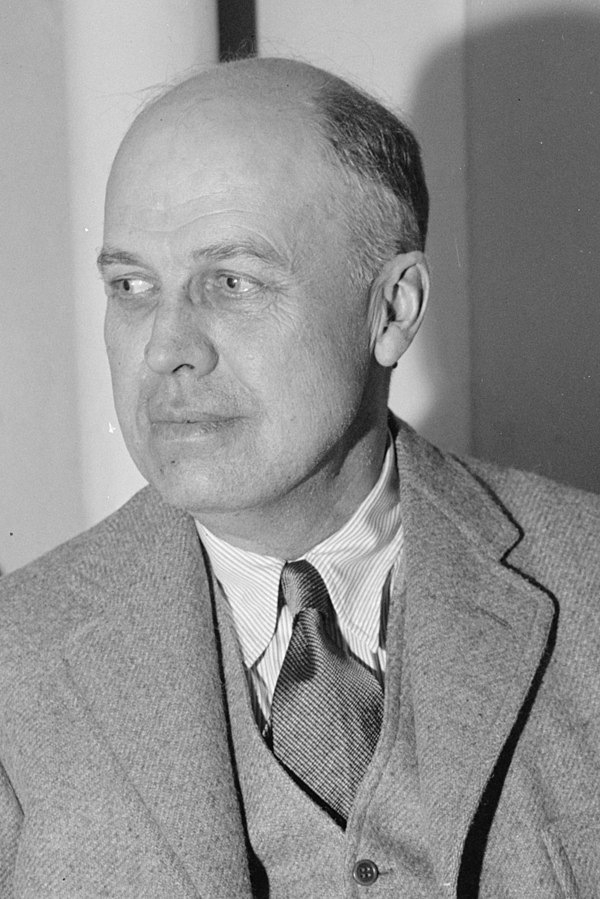
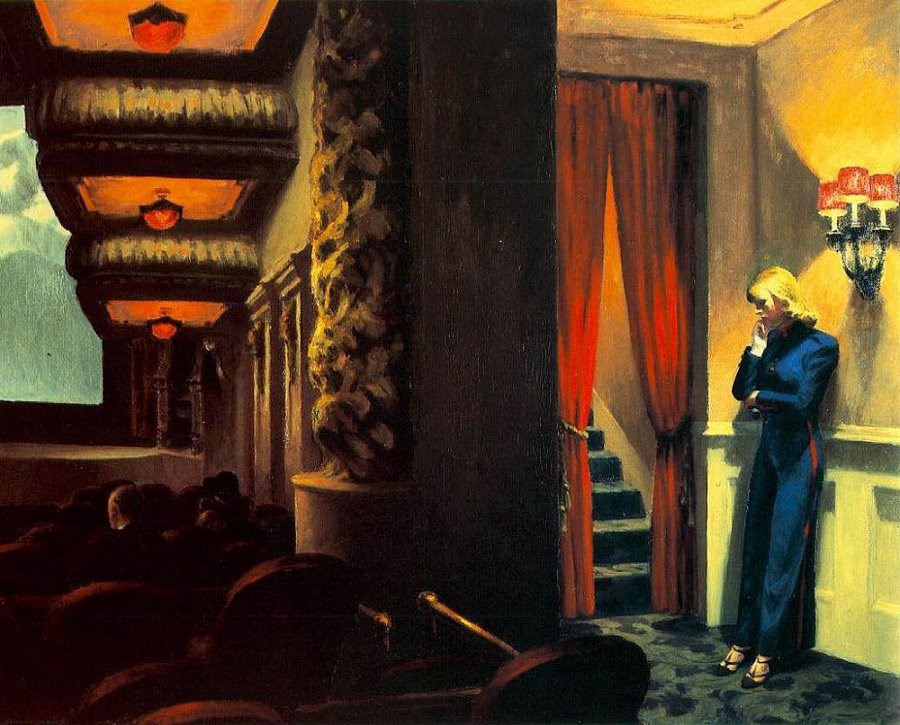
Edvard Hoper je rođen 1882. godine u Najeku, u državi Njujork, i postao je najvažniji američki realistički slikar dvadesetog veka — umetnik koji je uhvatio usamljenost, tišinu i surovu lepotu modernog američkog života sa jasnoćom koja nikada nije bila nadmašena. Nakon studiranja kod Roberta Henrija i tri putovanja u Pariz (gde se divio Degau, Maneu i impresionistima), Hoper je godinama radio kao komercijalni ilustrator pre nego što je stekao priznanje kao slikar u četrdesetim godinama života.
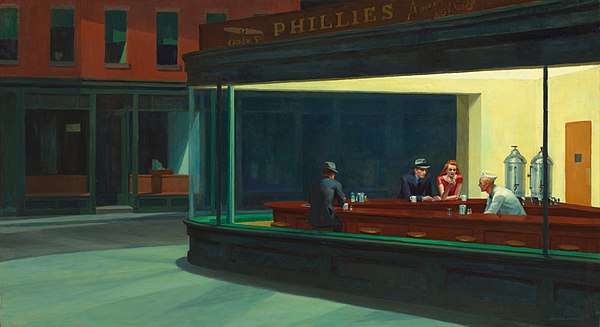
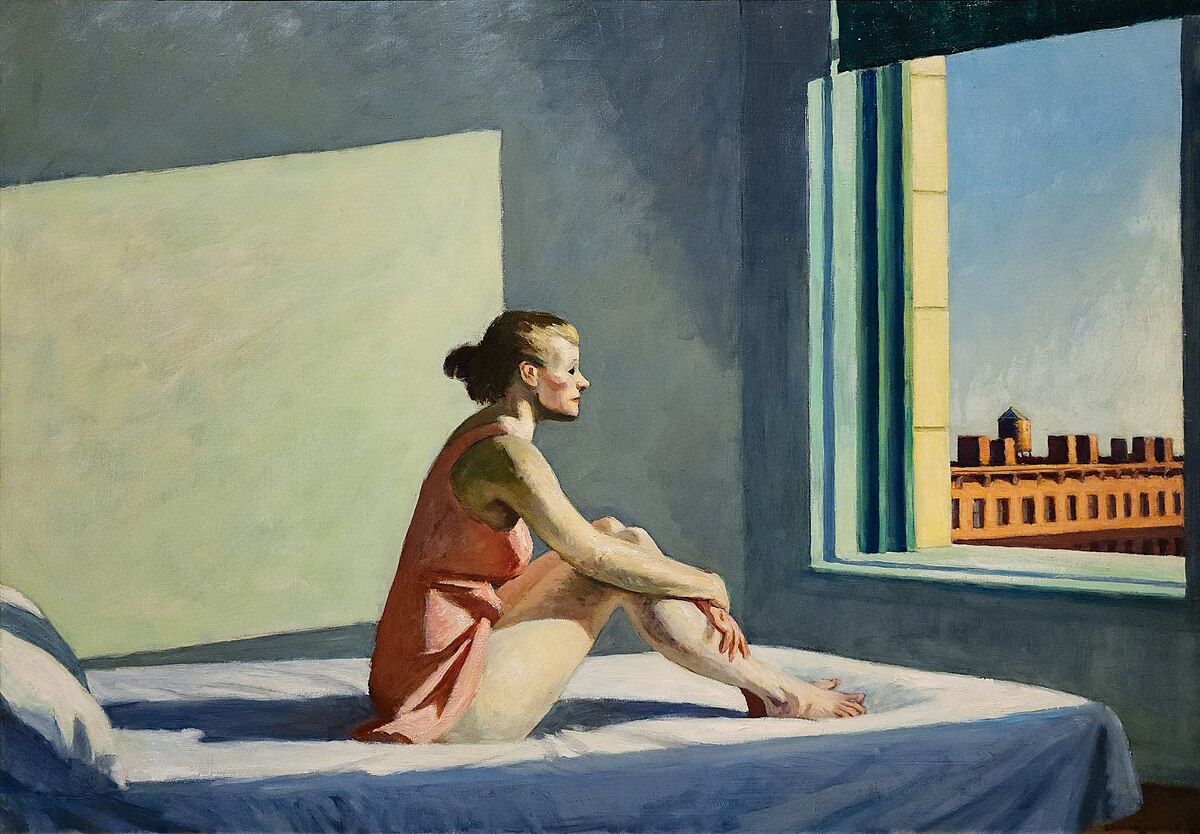
Nighthawks (1942) — četiri figure u jarko osvetljenom noćnom restoranu viđene kroz panoramski prozor, sa tamnom, praznom i tihom ulicom napolju — jedna je od najprepoznatljivijih američkih slika, destilacija urbane izolacije u jednu nezaboravnu sliku. Ali Hoperov genije se proteže daleko izvan ovog jednog dela. Automat (1927) prikazuje ženu samu u noćnoj kafeteriji, njen odraz udvostručen u tamnom prozoru iza nje. Morning Sun (1952) prikazuje ženu koja sedi uspravno na krevetu, okupanu oštrom jutarnjom svetlošću, kako zuri u grad sa izrazom koji može biti kontemplacija, rezignacija ili jednostavno prazan izraz buđenja.
Hoperove kompozicije — sa kosim svetlom, praznim prostorima i zamrznutim figurama — često se nazivaju „filmskim”, i reditelji od Hičkoka do Vima Vendersa su priznali njegov uticaj. Ali njegove slike su takođe duboko slikarske: njegovo rukovanje svetlom na zidu od cigala ili drvenom podu ima fizičku lepotu koju nijedna kamera ne može da reprodukuje. Nastavio je da slika do 1965. i umro je u svom ateljeu 1967. godine.