Albrecht Dürer je rođen u Nirnbergu 1471. godine, kao sin mađarskog zlatara, i postao je najsvestraniji umetnik severne renesanse — slikar, grafičar, crtač i teoretičar podjednakog značaja. Prvo je učio kod svog oca, a zatim kod slikara Michaela Wolgemuta, te je preduzeo dva transformativna putovanja u Italiju (1494–1495. i 1505–1507) koja su ga upoznala sa dostignućima Mantegne, Giovannija Bellinija i Leonarda, i ubedila ga da severna umetnost mora da usvoji italijansko majstorstvo proporcije, perspektive i idealizovanog ljudskog tela.
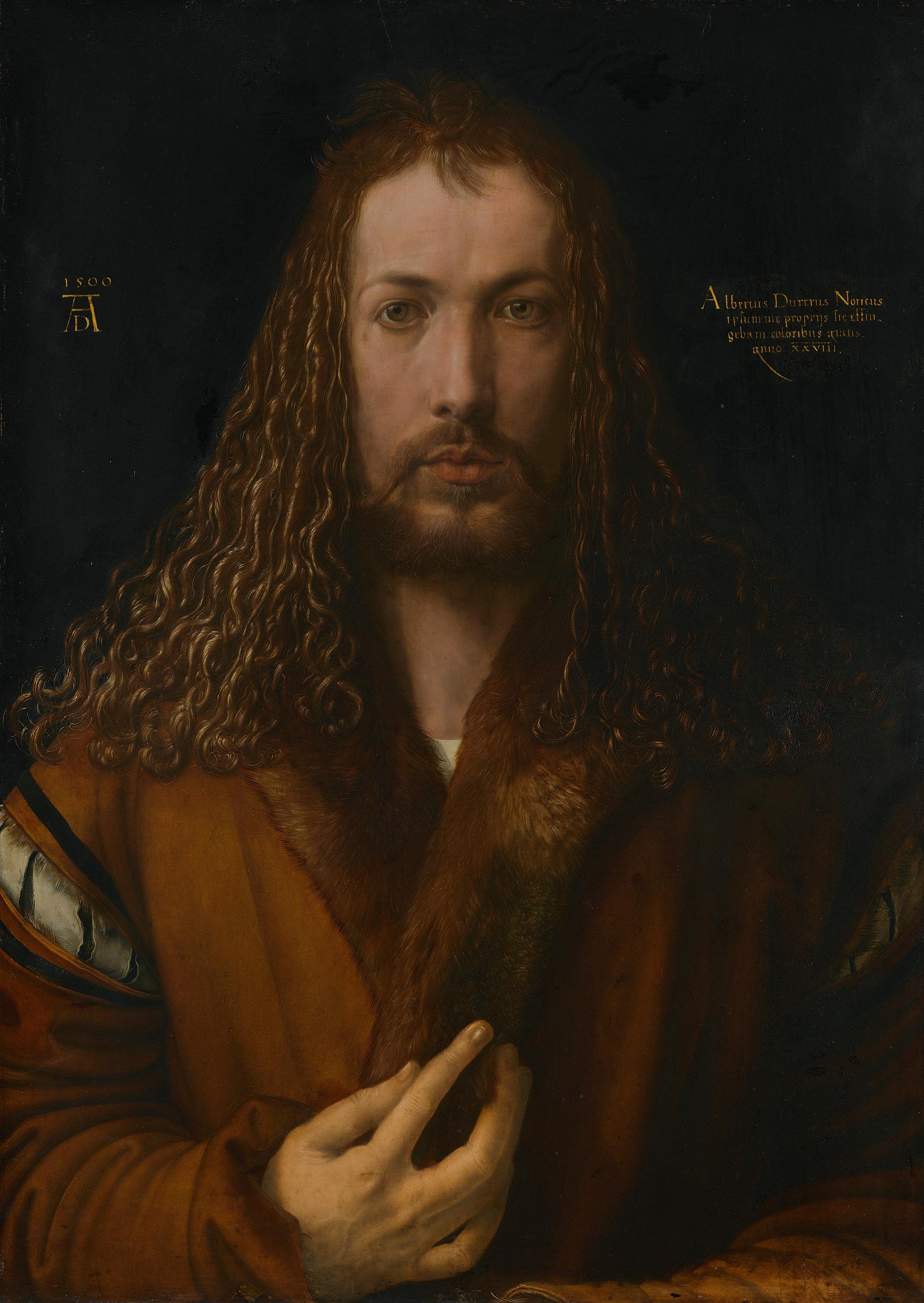
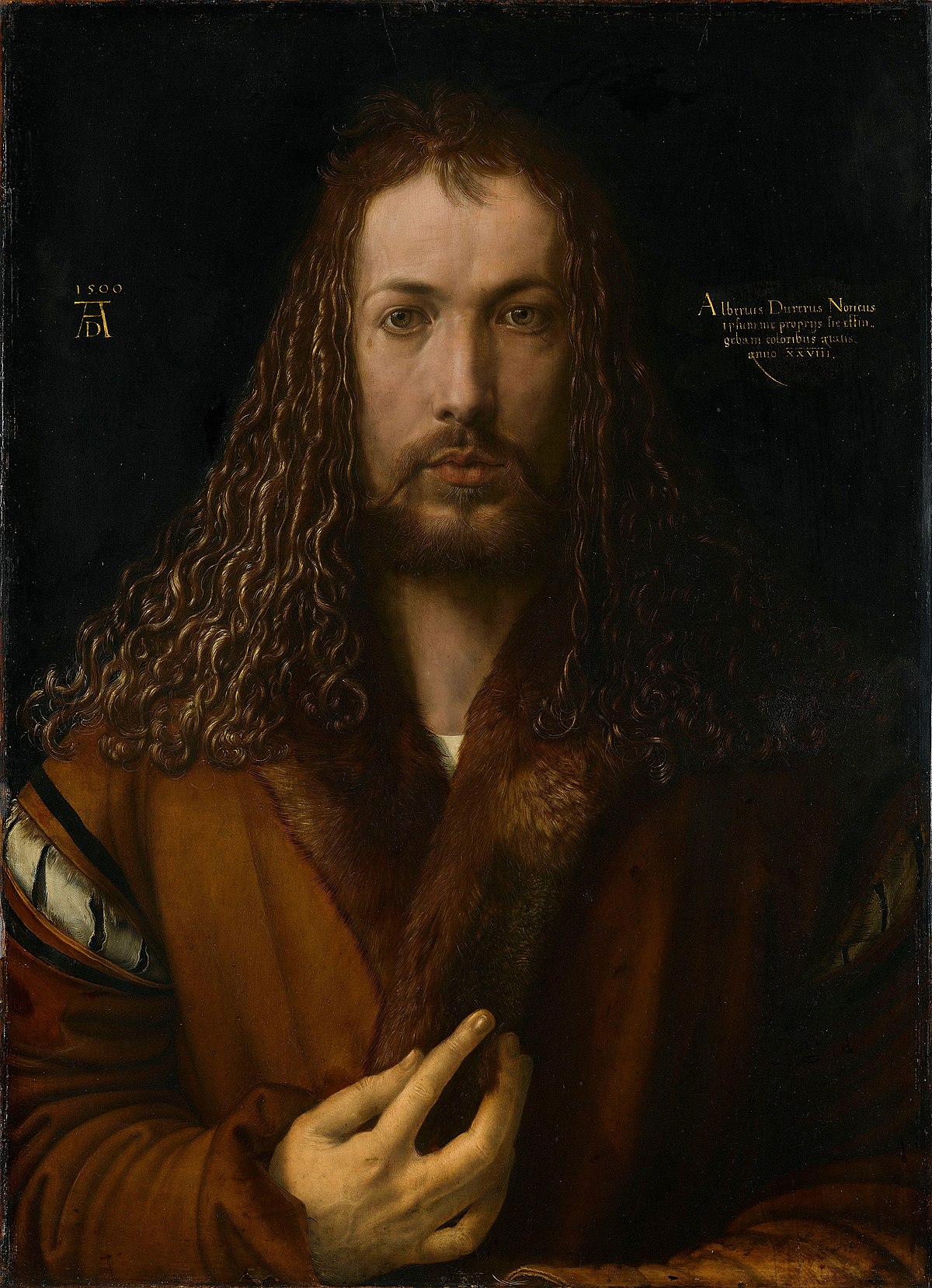
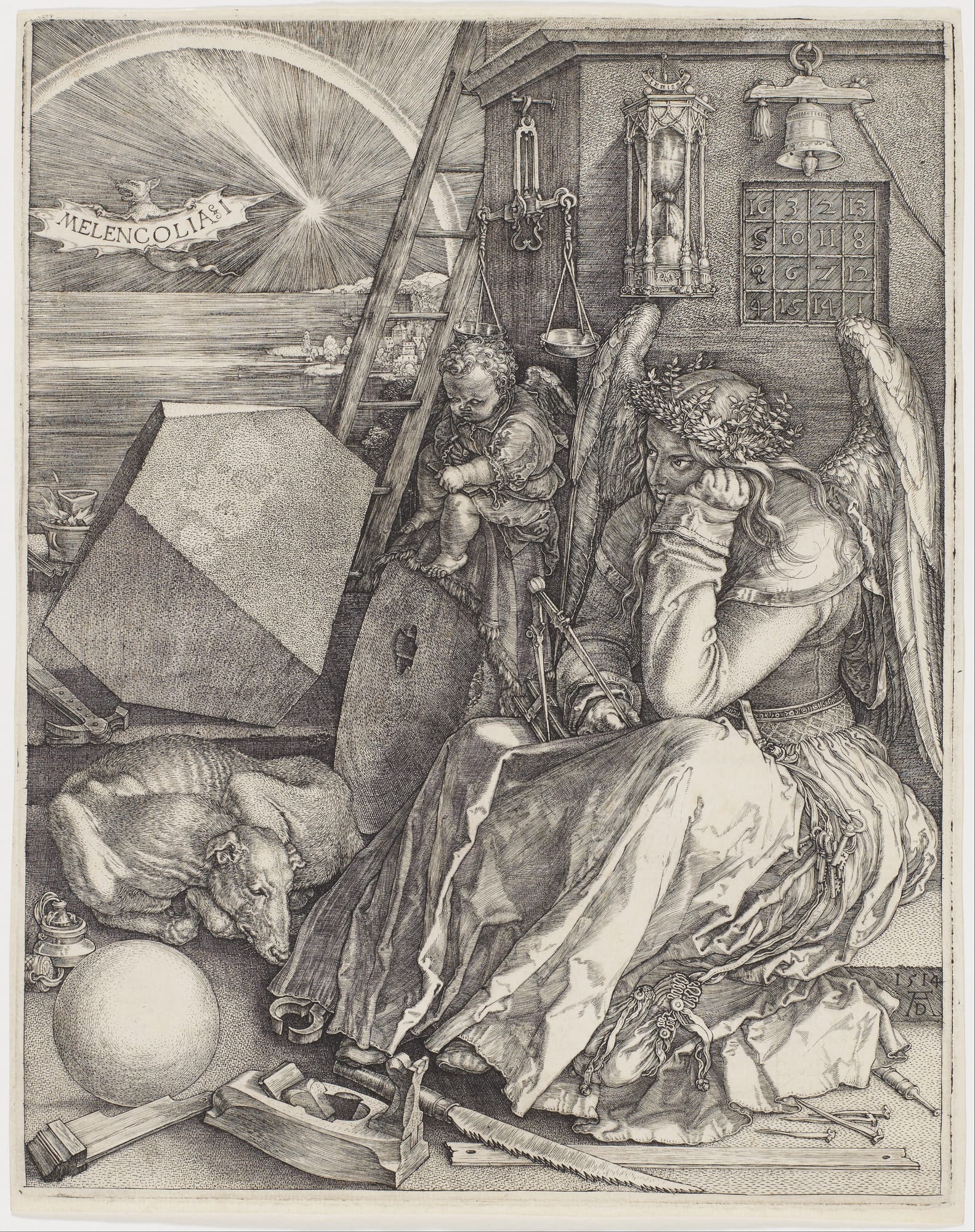
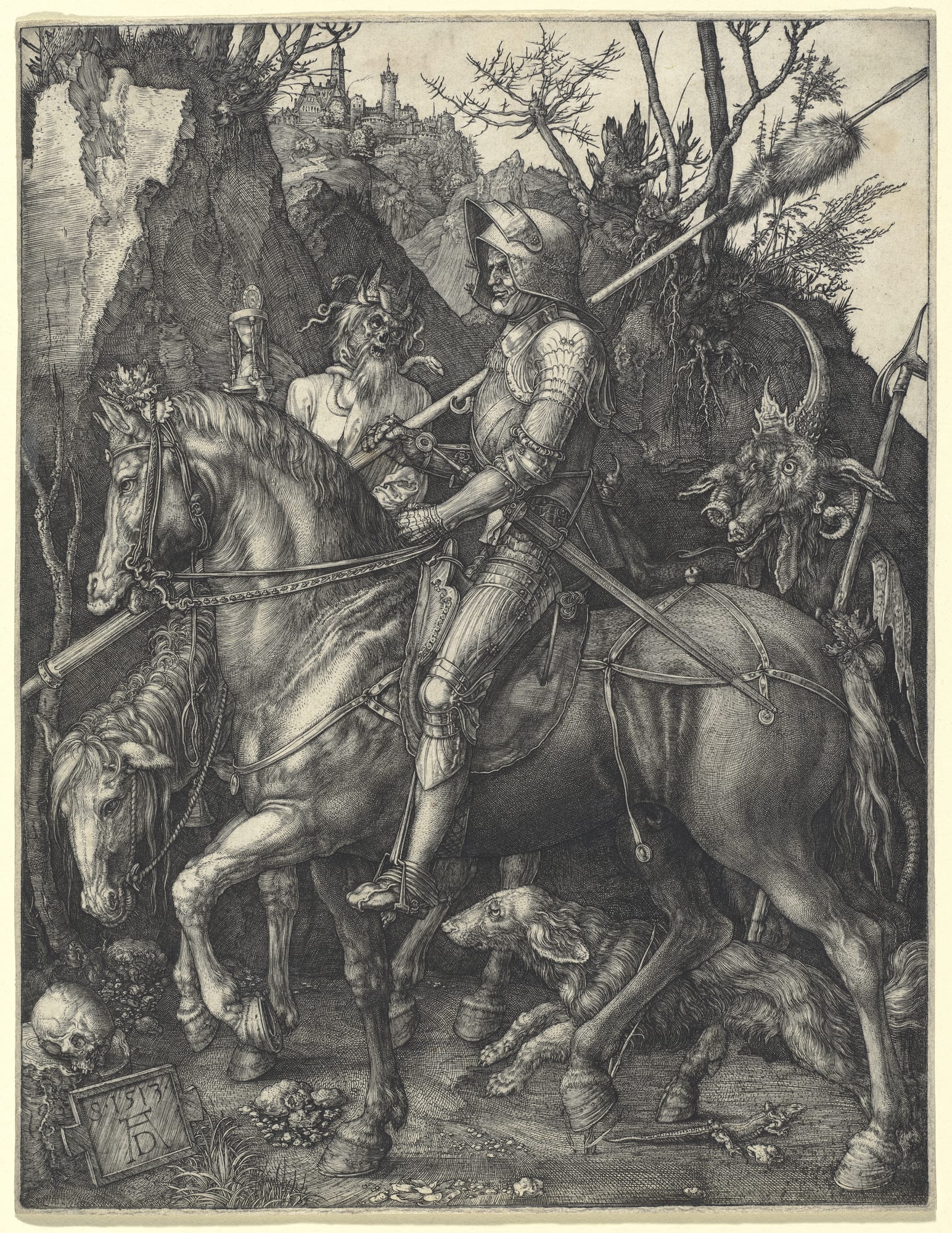
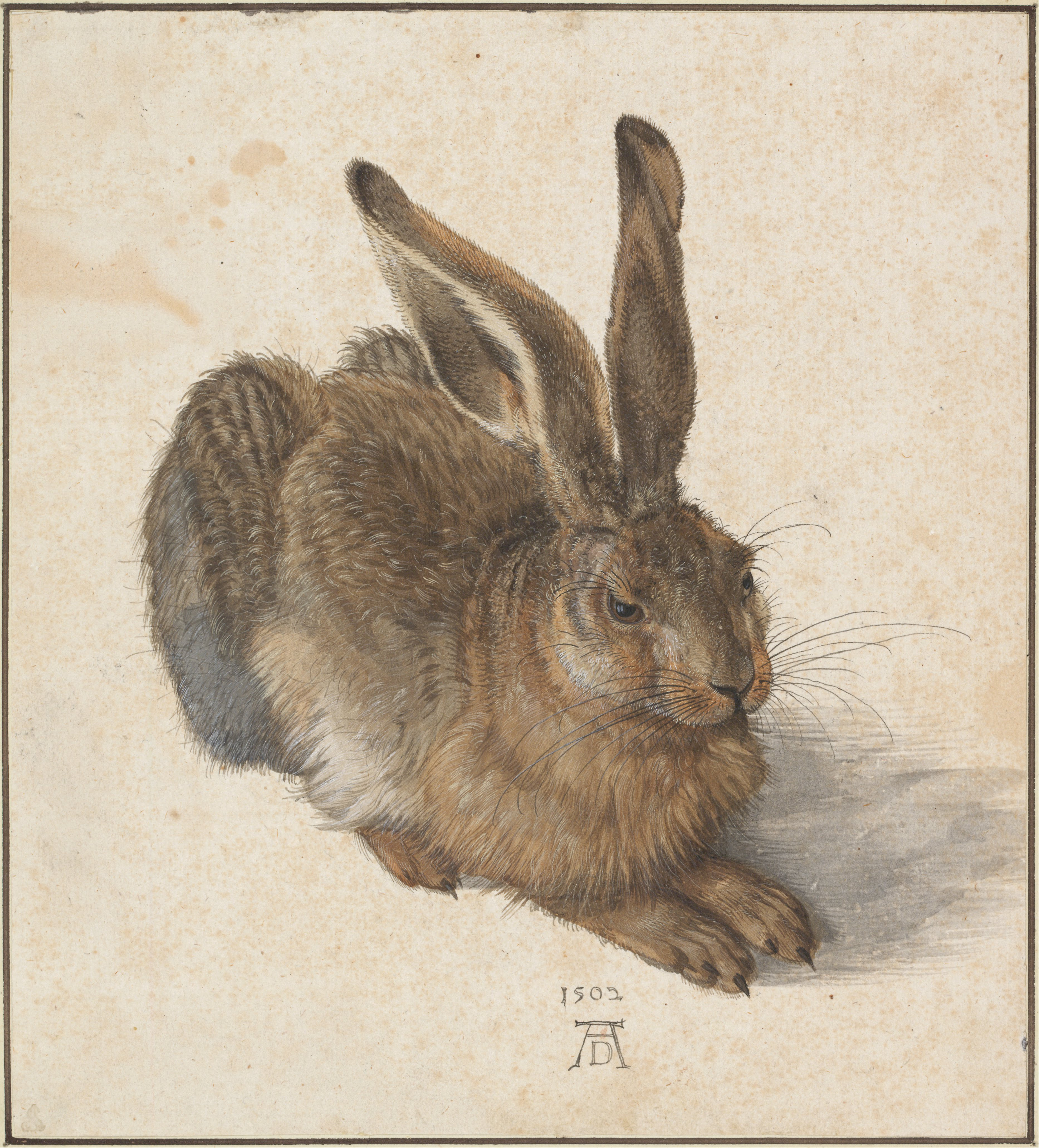
Njegovi drvorezi i bakrorezi — pre svega serija Apokalipsa (1498), Knight, Death and the Devil (1513), Saint Jerome in His Study (1514) i Melencolia I (1514) — uzdigli su grafiku od zanata do velike umetničke forme, postižući tonsko bogatstvo i kompozicionu složenost koja je mogla da se meri sa slikarstvom. Njegove akvarele, uključujući čuveni Young Hare i Great Piece of Turf, spadaju među najranije primere čistog proučavanja prirode u zapadnoj umetnosti. Njegovi slikani autoportreti, koji kulminiraju ikoničnim frontalnim Self-Portrait at Twenty-Eight (1500), uspostavili su umetnika kao figuru intelektualnog dostojanstva i gotovo hristolikom autoriteta.
Dürer je takođe bio plodan pisac o teoriji umetnosti, stvarajući traktate o ljudskim proporcijama, merenju i fortifikaciji koji su sistematizovali renesansne principe za severnoevropsku publiku. Dopisivao se sa Erazmom i Rafaelom, divio mu se car Maksimilijan I, i bio je prvi severni umetnik koji je postigao istinski međunarodnu slavu za svog života.