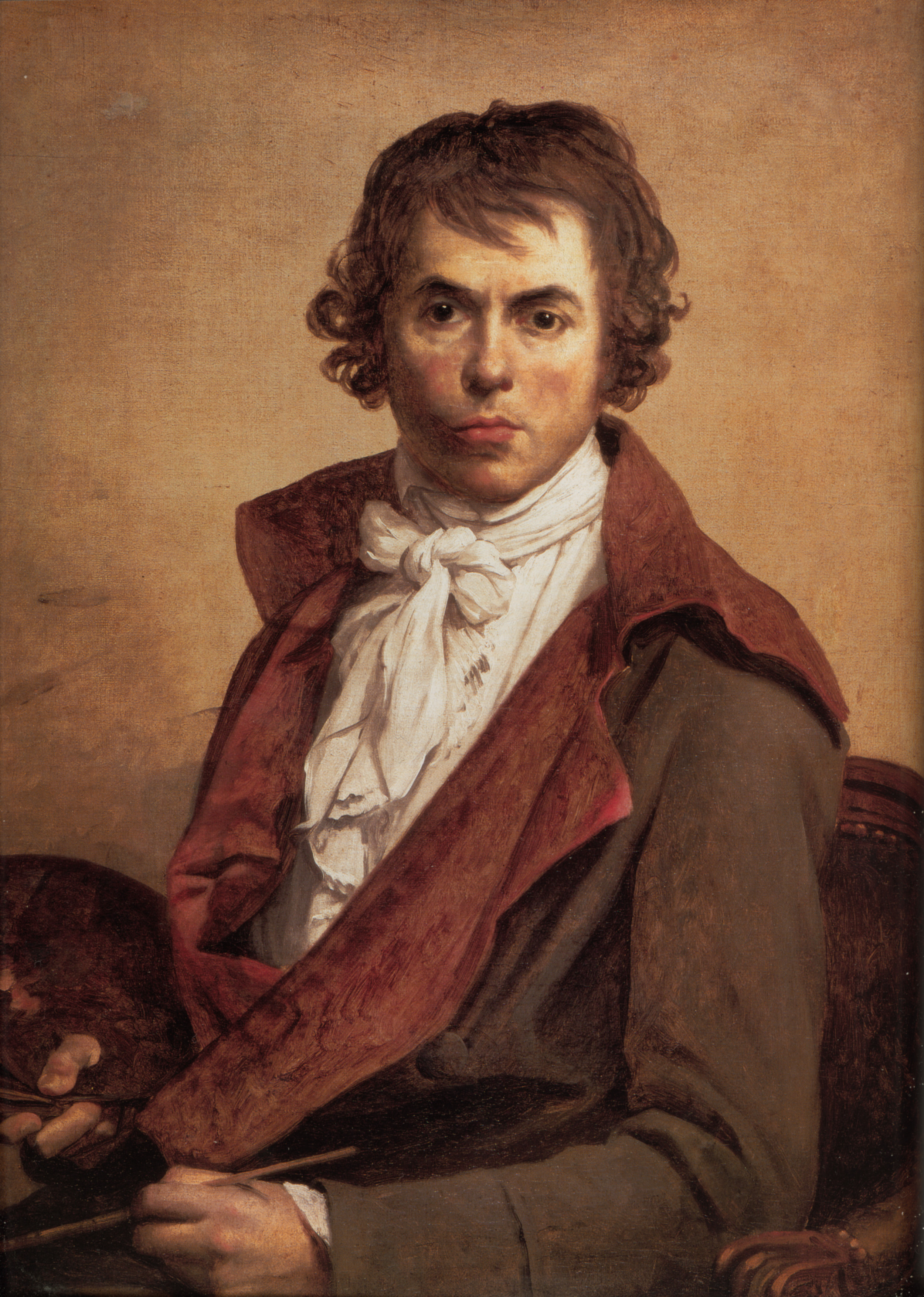
Žak-Lui David je bio najuticajniji francuski slikar kasnog osamnaestog i ranog devetnaestog veka, i umetnik koji je najkompletnije spojio umetnost sa političkom revolucijom. Rođen u Parizu 1748. godine, školovao se na Kraljevskoj akademiji i osvojio Prix de Rome, provodivši godine u Italiji proučavajući antičku skulpturu i dela Rafaela i Pusena. Vratio se u Pariz 1780-ih sa novim, strogim stilom koji je odbacio frivolnost rokoka u korist asketskih kompozicija crpljenih iz rimske istorije, slaveći građansku vrlinu, samožrtvovanje i republikanske ideale.
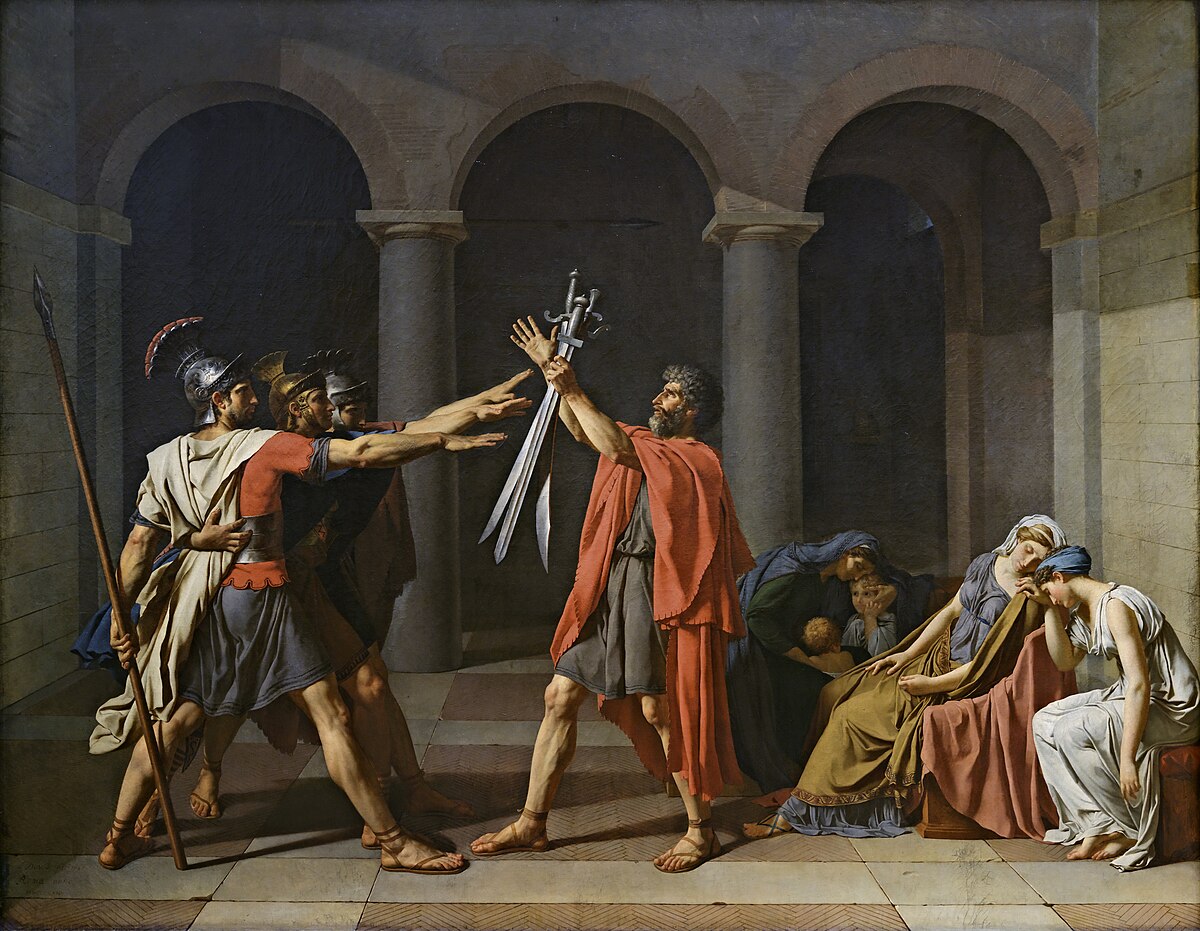
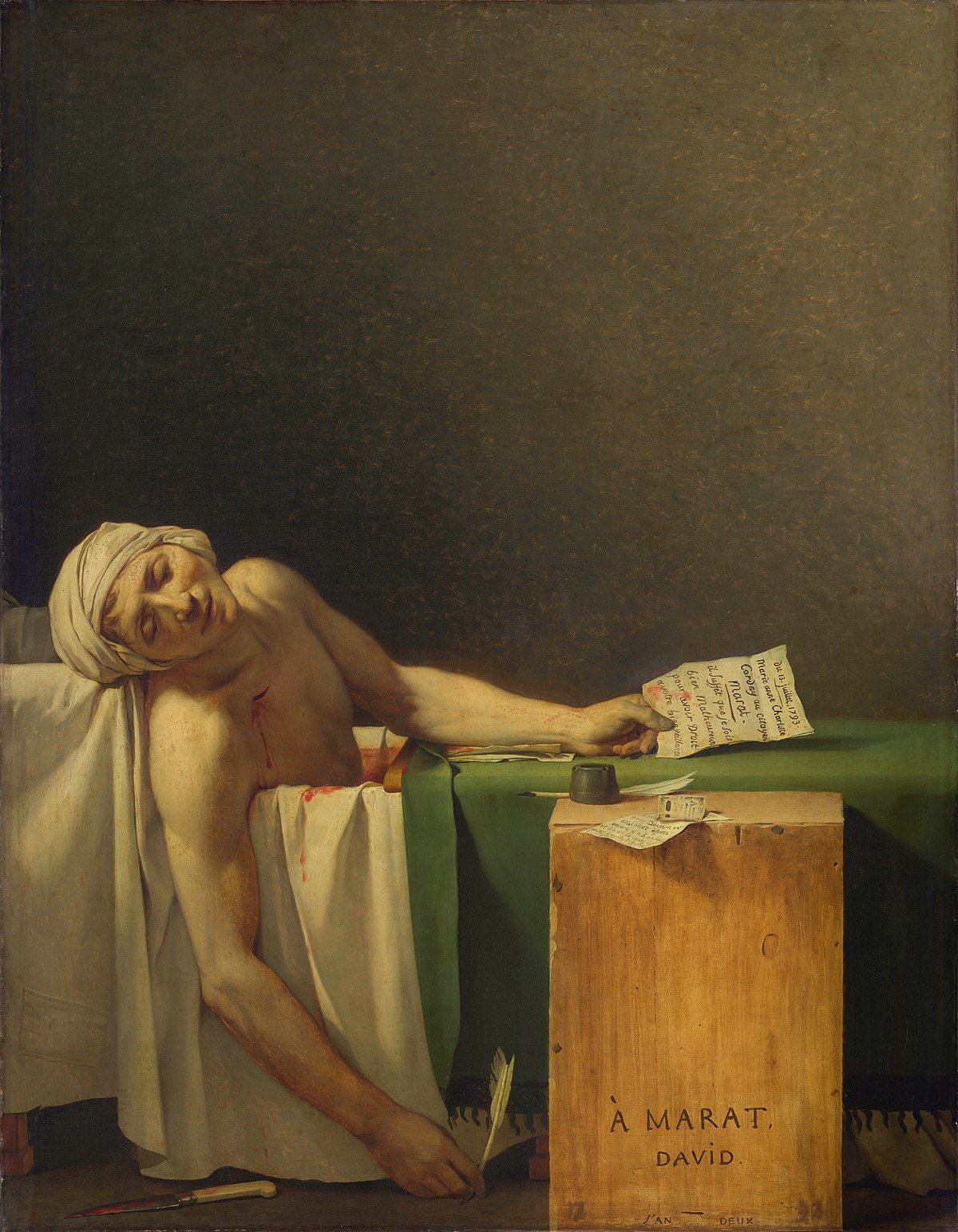
The Oath of the Horatii (1784) najavio je novu estetiku snagom manifesta: tri rimska brata se zaklinju na svoje mačeve da će se boriti za svoj grad, njihove kruto geometrijske poze i oštra rasveta otelotvoruju prosvetiteljske vrednosti razuma, dužnosti i patriotizma. Kada je revolucija izbila 1789. godine, David je postao njen vizuelni propagandista, slikajući The Death of Marat (1793) — ubijenog revolucionarnog vođu u kadi, prikazanog sa ikoničnom jednostavnošću hrišćanskog mučenika — i organizujući masovne javne festivale.
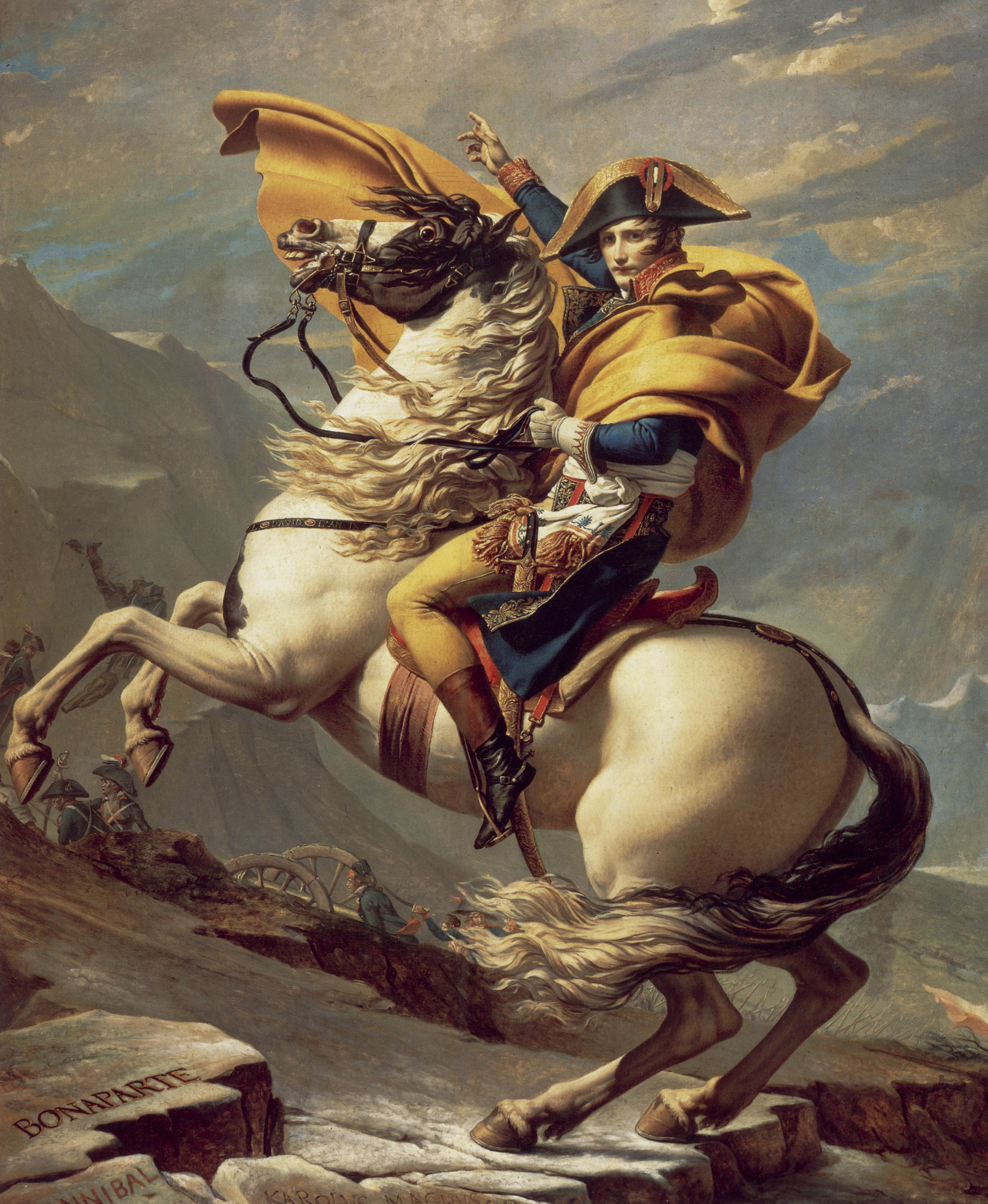
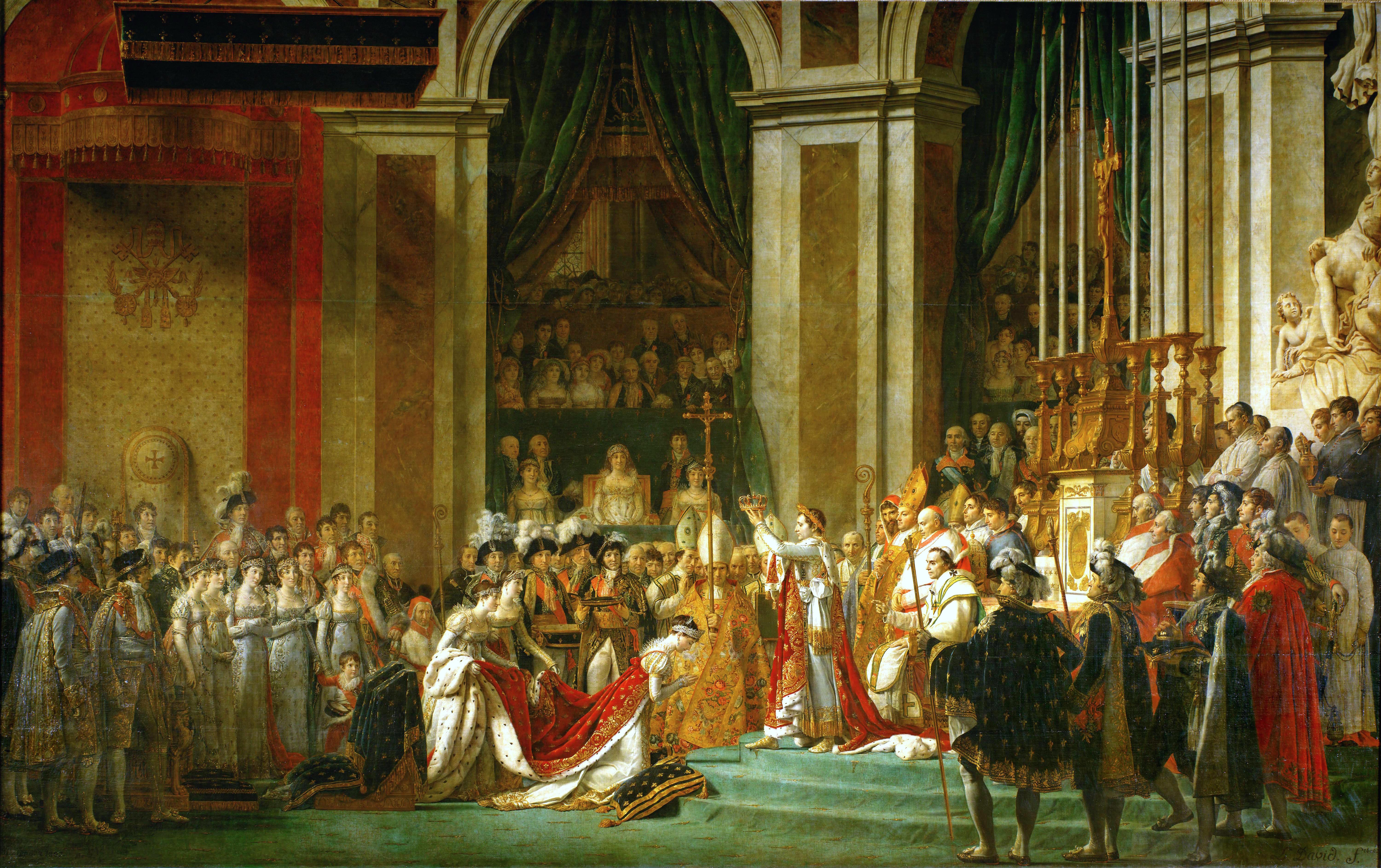
Pod Napoleonom, David je postao premijer-slikar Carstva, stvarajući ogromnu The Coronation of Napoleon i herojski Napoleon Crossing the Alps. Nakon Vaterloa prognan je u Brisel, gde je umro 1825. godine. Njegovo nasleđe je dvostruko: stvorio je neke od najmoćnijih političkih slika u istoriji umetnosti, ali je takođe demonstrirao kako umetnost može služiti propagandi — lekcija koju moderni svet nije zaboravio.