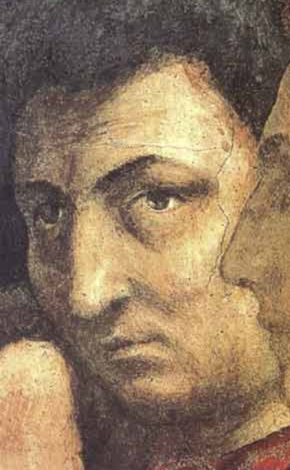
Tomazo di ser Đovani di Simone, zvani Mazačo — „Nespretni Toma” — rođen je 1401. godine u San Đovaniju Valdarnu i umro u Rimu 1428. godine, u dobi od samo dvadeset šest godina. U svojoj zapanjujuće kratkoj karijeri ostvario je revoluciju u slikarstvu koja će oblikovati tok zapadne umetnosti vekovima. Nadograđujući se na arhitektonske eksperimente Bruneleskija i skulpturalni naturalizam Donatelov, Mazačo je bio prvi slikar koji je dosledno primenio matematičke zakone linearne perspektive, modelovao figure sa jednim, koherentnim izvorom svetlosti i smestio ih u ubedljiv trodimenzionalni prostor.
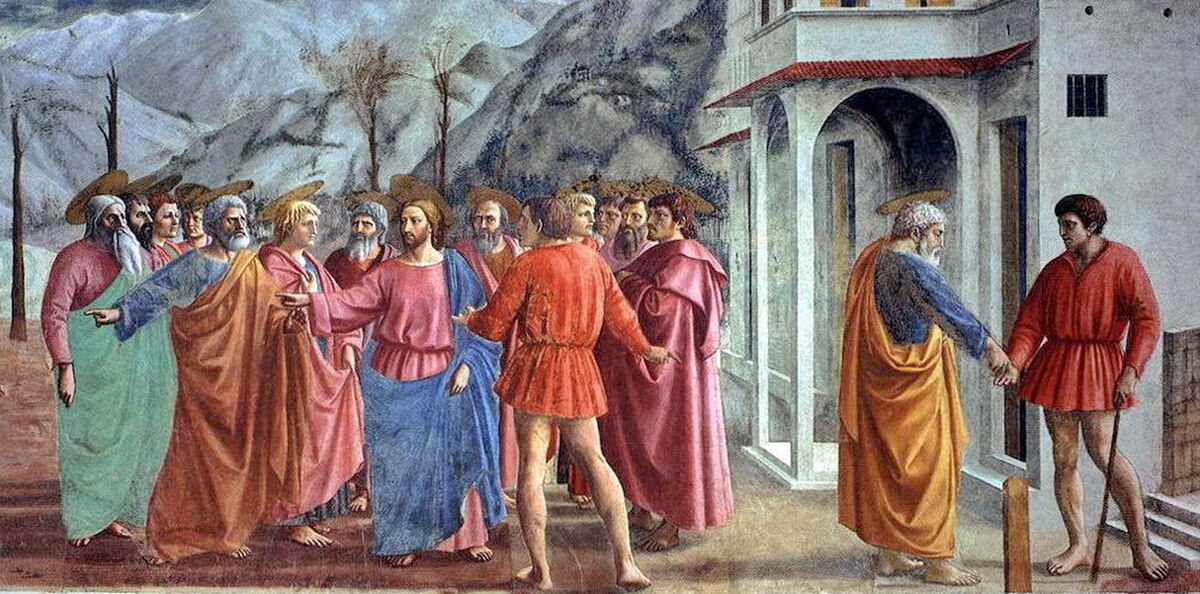
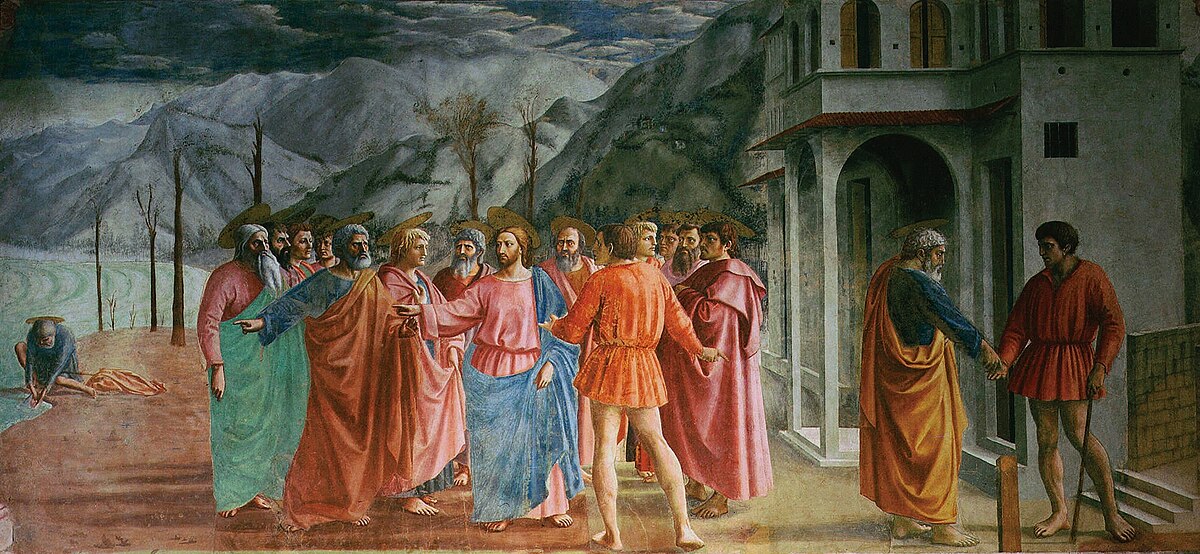
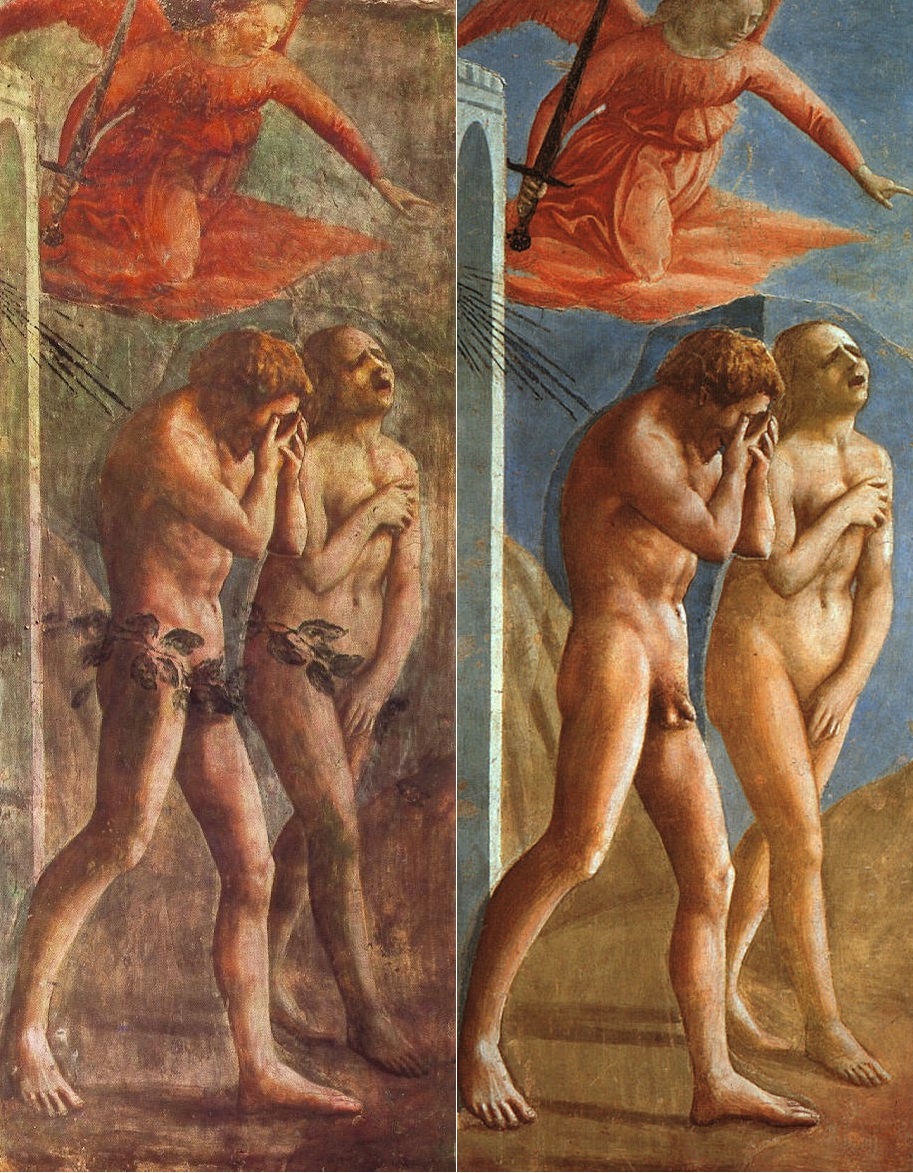
Njegove freske u kapeli Brankači crkve Santa Marija del Karmine u Firenci, naslikane oko 1424-1427. godine, bile su učionica gde su generacije renesansnih umetnika učile svoj zanat. The Tribute Money predstavlja kontinuirani narativ u pejzažu atmosferske dubine, sa teškim i čvrstim figurama koje bacaju prave senke na tlo. Expulsion from the Garden of Eden prenosi agoniju Adama i Eve sa sirovom emocionalnom snagom koja anticipira Mikelanđela za gotovo čitav vek.
Njegova freska The Holy Trinity u crkvi Santa Marija Novela, sa savršeno izračunatom bačvastom kapelom koja se povlači iza naslikane površine, bila je toliko ubedljiva da je Vazari zabeležio kako su posmatrači verovali da je prava kapela usečena u zid. Mazačova rana smrt lišila je svet onoga što je mogao postići, ali ono što je ostavio za sobom — jedva šačica dela — bilo je dovoljno da mu osigura mesto pored Đota kao jednog od dva velika osnivača italijanskog slikarstva.