



Alexander McQueen je stigao na londonsku modnu scenu 1992. godine sa master tezom — kolekcijom nastalom dok je još bio na Central Saint Martins — toliko moćno ostvarenom da je stilska ikona Isabella Blow kupila svaki komad. Ono što je usledilo bila je jedna od najizvanrednijih karijera u istoriji mode, obeležena intenzitetom vizije koja je ostala beskompromisna čak i kada je njegov komercijalni uspeh enormno porastao.
Od Savile Row do Saint Martins
Rođen kao Lee Alexander McQueen 1969. u Lewishamu, sin taksiste, napustio je školu sa šesnaest godina i počeo da šegrtuje na Savile Row — najpre u Anderson & Sheppard, zatim u Gieves & Hawkes — učeći strukturalnu preciznost krojenja po meri. Zatim je kratko radio za pozorišne kostimografe Angels and Bermans i za japanskog dizajnera Kojija Tatsunoa, pre nego što se upisao na Central Saint Martins.
Ta kombinacija zanatske veštine i konceptualne ambicije definisala je njegov rad: jakne koje su pristajale s arhitektonskom preciznošću, stvorene u službi ideja koje su često bile uznemirujuće, uvek provokativne i nikada manje nego tehnički briljantne.
Highland Rape i rana kontroverznost
Njegova kolekcija Highland Rape (1995) — modeli koji su teturali pistom u pocepanoj čipki, rasečenom somotu i otkrivenim korsetima — izazvala je ogorčenje kritičara koji su je tumačili kao mizoginiju, ali McQueen je insistirao da se radi o referencama na škotska Hajlendska čišćenja: britanska moda koja guta škotski identitet. Kontroverza je utvrdila njegovu reputaciju kao najopasnije talentovane osobe u modi i najavila njegove stalne teme: nasilje istorije, ranjivost tela i lepotu koja se može pronaći u razaranju.
Kolekcija The Hunger (1996), inspirisana viktorijanskim romanom o gladi i Irskoj velikoj gladi, nastavila je njegovo istraživanje mode kao istorijske traume. Njegove „bumster” pantalone — skandalozno nisko skrojene, otkrivajući bazu kičme — bile su njegov prvi istinski viralni dizajnerski trenutak, imitiran na svakom cenovnom nivou u roku od nekoliko meseci.
Pozorište modne piste
McQueenove modne revije bile su teatralni događaji bez presedana koji su transformisali modnu reviju iz komercijalne prezentacije u formu performans umetnosti. Za No. 13 (1999), roboti su prskali belu haljinu žutom i crnom bojom dok je model Shalom Harlow stajala i vrtela se na gramofonu na vrhuncu revije — saradnja između ljudske lepote i mehaničkog nasilja koja je ostavila publiku bez teksta.
Za VOSS (proleće/leto 2001), gosti su sedeli oko ogledalne kutije posmatrajući sopstvene odraz pre nego što su zidovi pali i otkrili modele u ćeliji sa jastučićima — meditacija o voajerizmu, razumu i eksploataciji lepote u modnoj industriji. Revija se završila razbijanjem staklene kutije koja je otkrila živi tablo inspirisan fotografijama Joel-Peter Witkina. Bio je to najekstremniji teatralni trenutak u modi.
Widows of Culloden i romantična tama
Widows of Culloden (jesen/zima 2006) je možda bilo njegovo remek-delo — kolekcija smeštena u gotski pejzaž okovanih mećava, sa čipkom, tartanom i krznom koji su evocirali duhove škotskih žena koje tuguju za mrtvima nakon bitke 1746. Vrhunac revije bio je holografska projekcija Kate Moss, koja je lebdela u vazduhu unutar staklene piramide, a njena slika se rastapala u maglu — najzagonetnije korišćenje tehnologije u modi. Kolekcija je demonstrirala da McQueenova tama nije bila nihilistička, već duboko romantična, ukorenjena u iskrenom osećanju za izgubljene istorije i oštećene pejzaže.
Plato’s Atlantis i digitalna moda
Za Plato’s Atlantis (proleće/leto 2010) — njegovu poslednju kompletnu kolekciju — kamere su po prvi put u istoriji mode uživo prenosile reviju na internet. Kolekcija je zamišljala budućnost u kojoj podizanje nivoa mora primorava čovečanstvo da evoluira nazad u morska bića: digitalno štampane haljine u tuđinskim reptilskim šarama, čizme u obliku armadila s potpeticama od deset inča i digitalni pejzaž okeanskih predatora projektovan iza modela. Bio je to prvi nativno digitalni spektakl mode i predvideo je zaokret industrije ka virtuelnoj prezentaciji za čitavu deceniju.
Givenchy i komercijalni uspeh
McQueen je bio kreativni direktor kuće Givenchy od 1996. do 2001, imenovanje koje se pokazalo teškim — LVMH luksuzna mašinerija i McQueenova konfrontaciona vizija bili su nezgodna kombinacija. Ali iskustvo ga je naučilo da funkcioniše na najvišem nivou tehničke visoke mode, a njegov sopstveni brend je enormno profitirao. Njegov šal s lobanjama — svileni kvadrat štampan lobanjama i ukrštenim kostima — postao je jedan od najprodavanijih luksuznih aksesoaara 2000-ih, samostalno finansirajući njegov eksperimentalniji rad.
Smrt i Savage Beauty
McQueen je izvršio samoubistvo 11. februara 2010, u četrdesetoj godini. Njegova smrt je šokirala modni svet i pokrenula širu raspravu o tretmanu kreativnih talenata u industriji — nemilosrdnom tempu od šest kolekcija godišnje, komercijalnim pritiscima, usamljenosti singularne vizije.
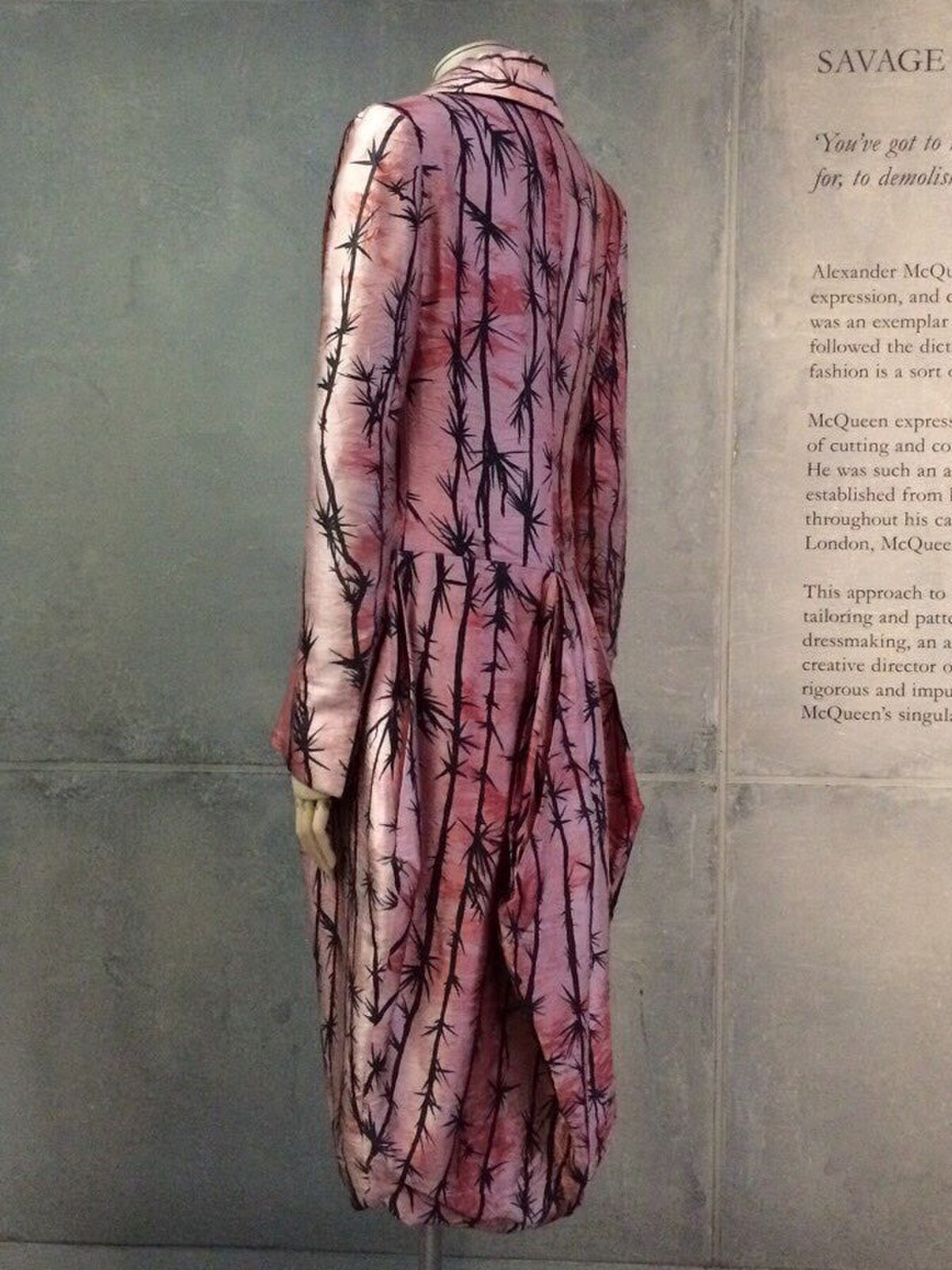
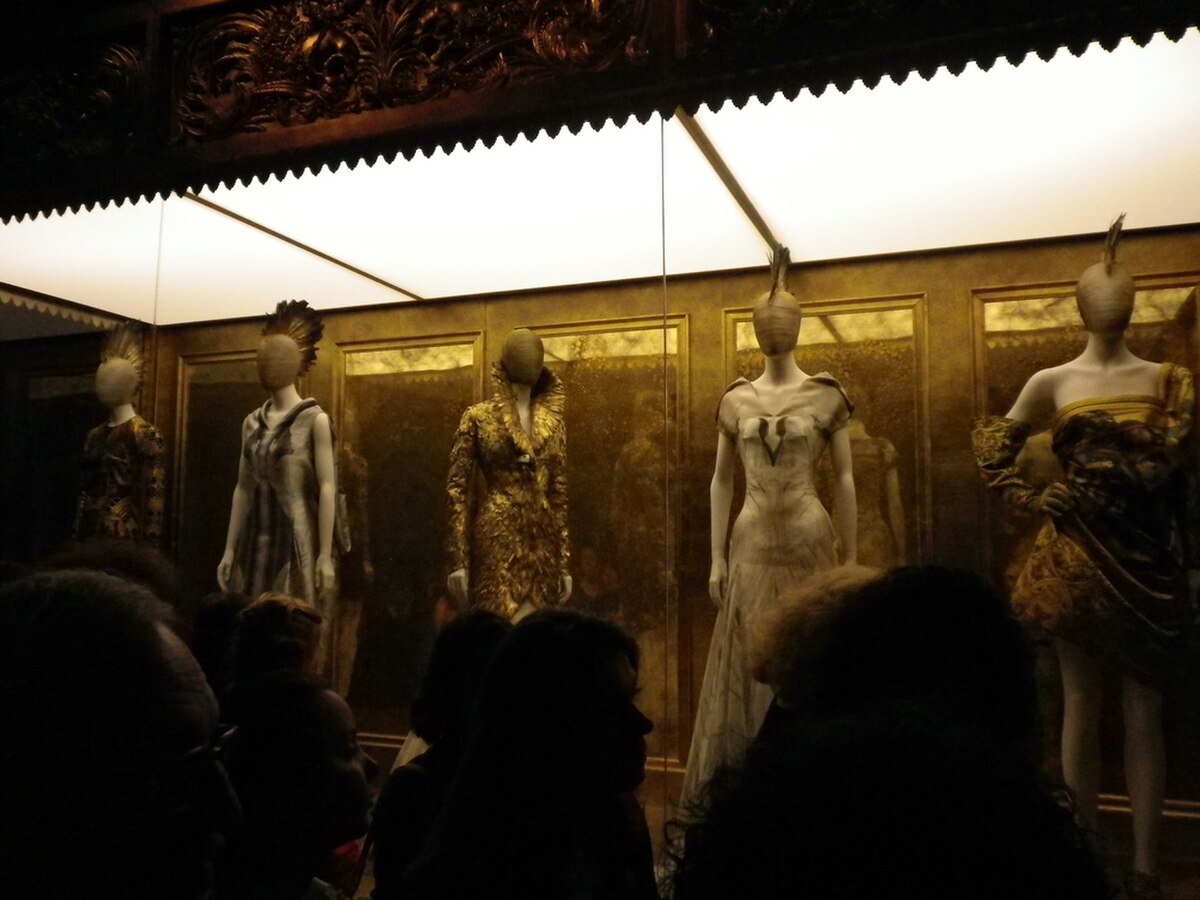
Retrospektiva Savage Beauty u Metropoliten muzeju umetnosti 2011. — kasnije prikazana u Victoria & Albert muzeju u Londonu 2015. — postala je jedna od najposećenijih izložbi u istoriji oba muzeja. Posetioci su čekali u redu satima, a V&A je uveo dvadesetčetvoročasovno radno vreme da bi zadovoljio potražnju. Izložba je potvrdila ono što je industrija oduvek znala: McQueen nije bio samo modni dizajner već umetnik čiji je medijum bila tkanina, i čija je vizija — lepote i užasa, prirode i tehnologije, tela kao mesta i ranjivosti i moći — bila zaista bez presedana.