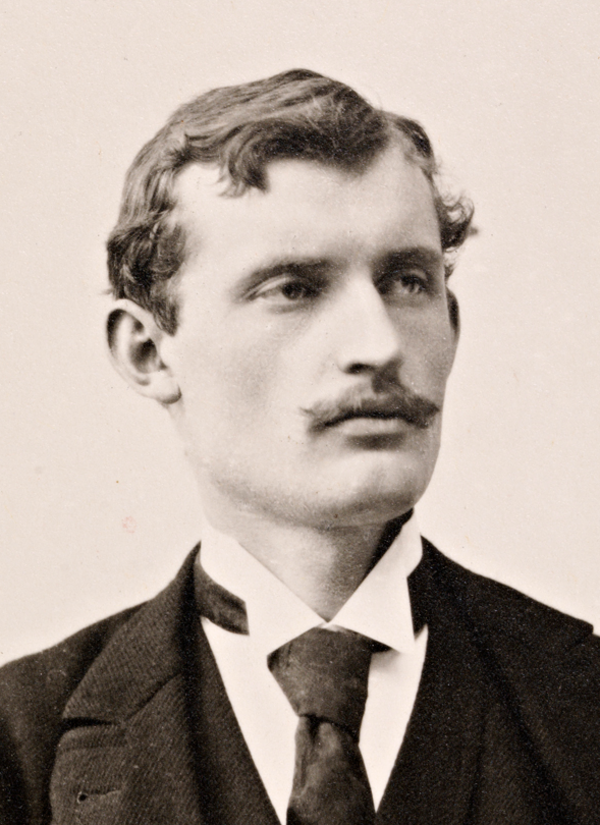

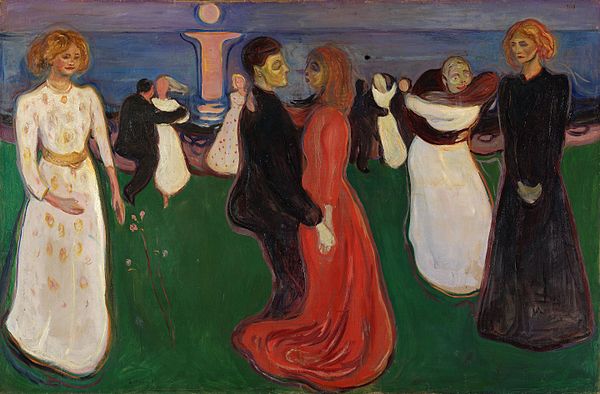
Edvard Munch je rođen 1863. u Løtenu, Norveška, u porodici progonjenoj bolešću i smrću — majka mu je umrla od tuberkuloze kad je imao pet godina, sestra Sophie kad je imao trinaest, a očev verski fanatizam bacio je senku krivice i anksioznosti nad njegovim detinjstvom. Ova iskustva su podstakla umetnost sirove emocionalne snage koja je odlučno raskrstila sa naturalističkim konvencijama slikarstva devetnaestog veka i postavila temelje ekspresionizma.
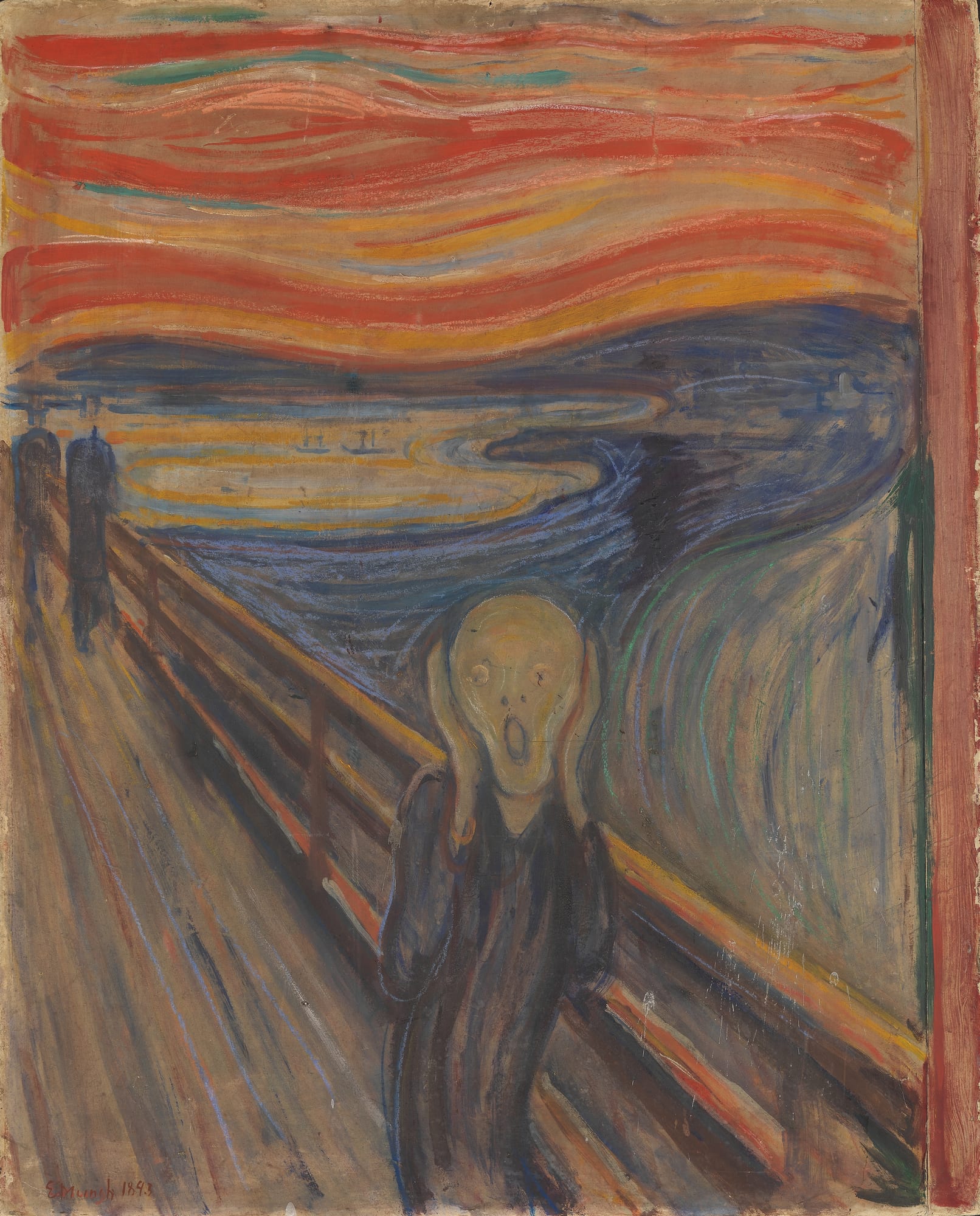
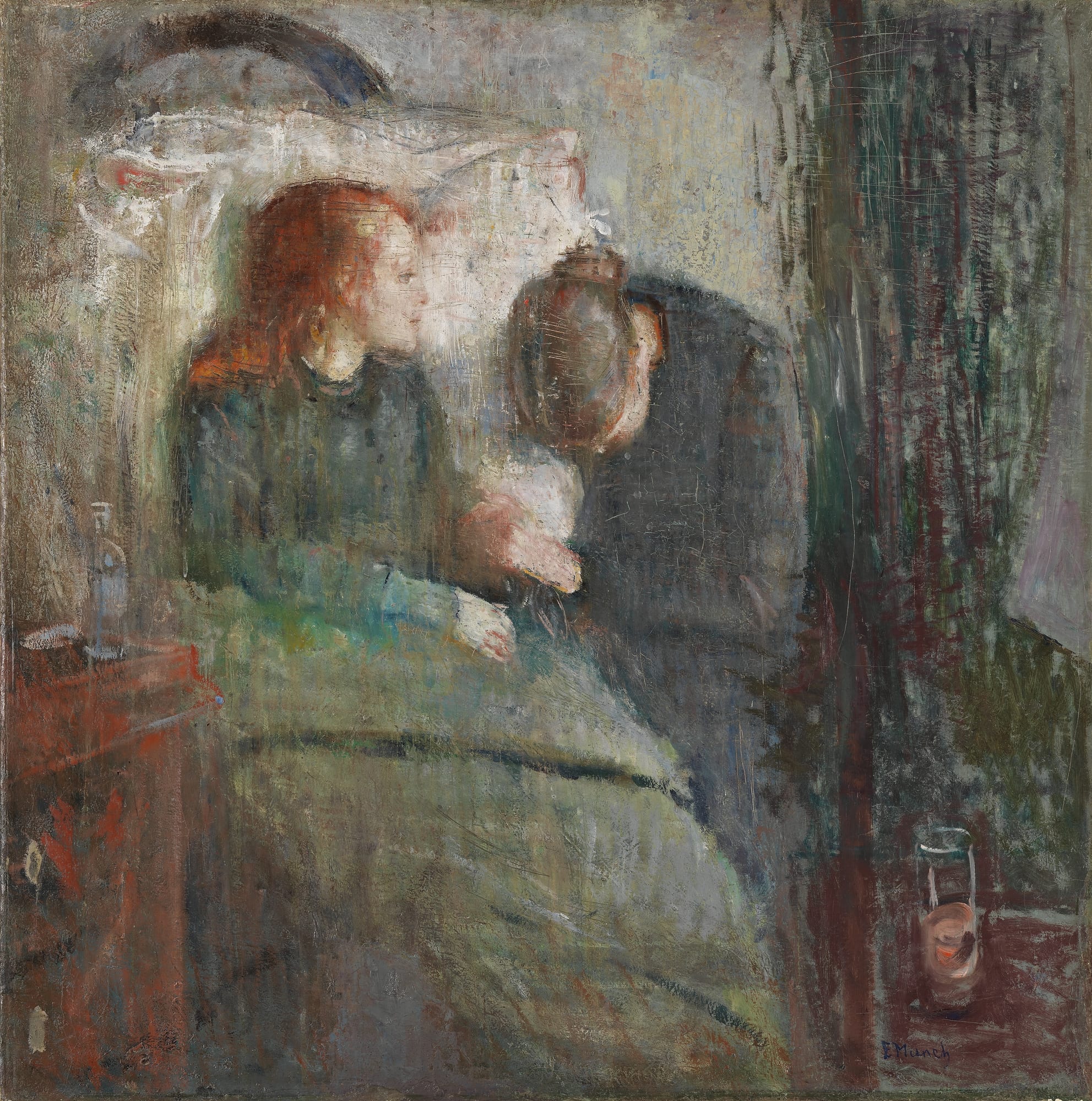
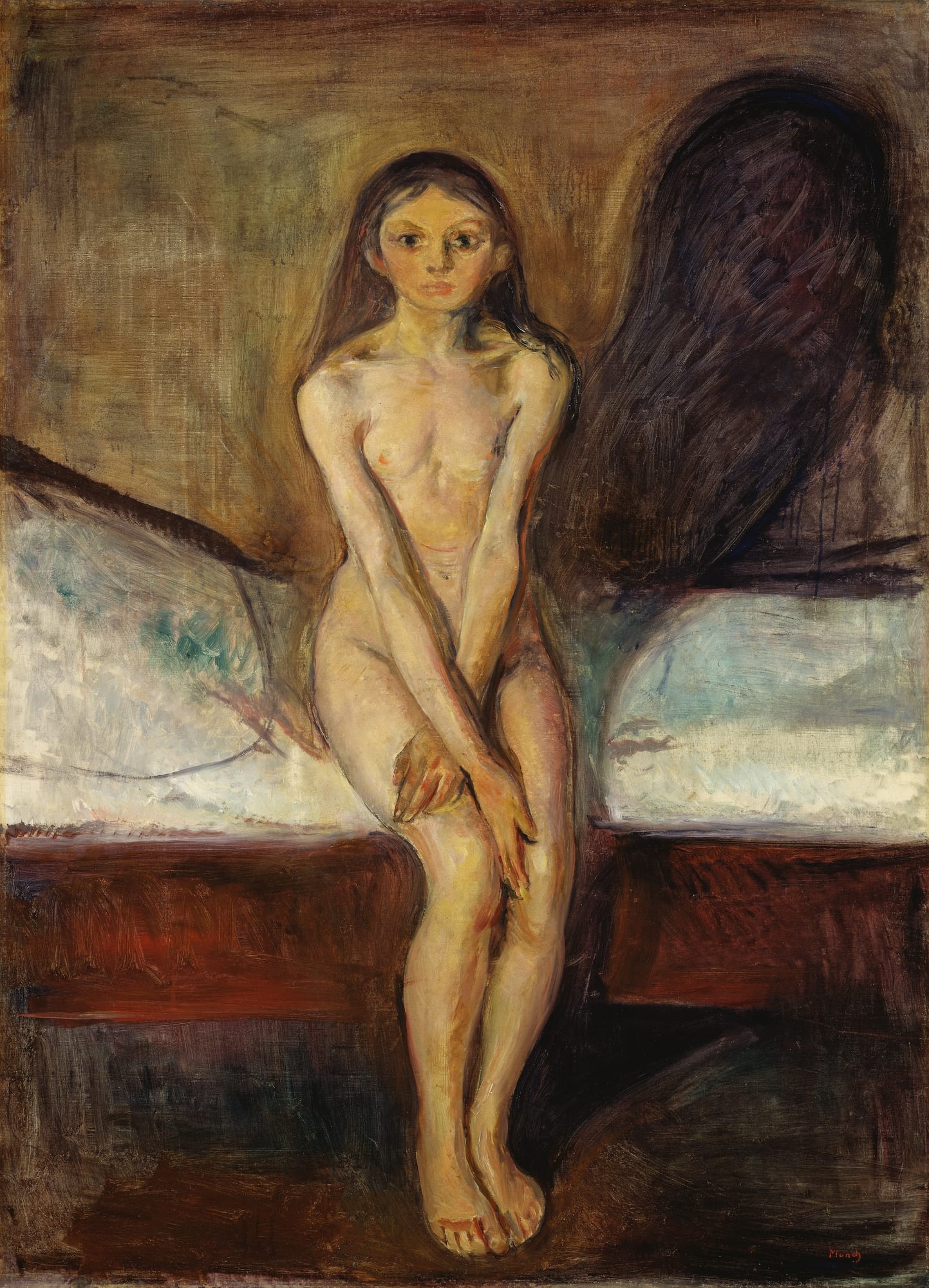
The Scream (1893), koji prikazuje figuru na mostu kako steže glavu dok se nebo uvija u prugama narandžaste i crvene, postao je univerzalni simbol moderne anksioznosti — slika toliko utkana u popularnu kulturu da njena snaga može delovati umanjeno, sve dok se ne stane pred original i ne oseti puna sila Munchove očajnosti. Bio je deo šireg ciklusa slika koji je nazvao „Friz života”, istražujući ljubav, anksioznost i smrt kroz slike zastrašujućeg intenziteta: Madonna, The Sick Child, Puberty, The Dance of Life.
Munchov uticaj na nemački ekspresionizam — Die Brücke, Der Blaue Reiter — bio je direktan i priznat. Njegovi drvorezi i litografije, sa sirovim, izdubljenim površinama i oštrim kontrastima, revolucionisali su grafiku. Nakon nervnog sloma 1908, Munchova umetnost postala je mirnija i monumentalnija, i proveo je poslednje decenije u relativnoj osami blizu Osla, stvarajući obiman opus. Zaveštao je čitavo svoje imanje — preko hiljadu slika i hiljade grafika i crteža — gradu Oslu.