Počeci vizuelnog izražavanja
Mnogo pre nego što su se prvi gradovi podigli duž obala Tigra i Eufrata, ljudska bića bila su tvorci slika. Oslikane pećine jugozapadne Evrope — Lasko u Dordonji, Altamira u Kantabriji, Šove u Ardešu — čuvaju zapis vizuelne aktivnosti koji seže više od trideset hiljada godina unazad. To nisu nesigurni crteži primitivnog uma. Bizoni u Altamiri, prikazani duvanim pigmentom i veštim ugljenim obrisima, pokazuju vladanje konturom, volumenom i pokretom koji je zadivio Pabla Pikasa, koji je navodno izjavio posetivši pećinu: „Nismo naučili ništa.” Bez obzira da li su ove slike služile kao lovačka magija, šamanistička vizija ili nešto potpuno izvan moderne rekonstrukcije, one najavljuju fundamentalni ljudski kapacitet: potrebu da se iskustvo prenese u trajni vizuelni oblik.
Neolitska revolucija — spori prelaz sa nomadskog lova i sakupljanja na stalno zemljoradništvo koji je počeo oko 10.000. p.n.e. — transformisala je uslove pod kojima je umetnost nastajala. Stalna naselja stvarala su višak bogatstva, društvenu hijerarhiju i podelu rada. U Čatalhojuku u Anatoliji, jednom od najranijih poznatih proto-urbanih naselja, istraživači su otkrili malterisane zidove ukrašene geometrijskim obrascima, otiscima ruku i živopisnim scenama lova na divlje bikove, datirane na približno 7000. p.n.e. U Jerihonu je skrovište ljudskih lobanja sa crtama modeliranim u malteru i umetnutim očima od kauri školjki ukazivalo na rani kult predaka u kojem je slika služila kao posuda za duh umrlih. Umetnost više nije bila ograničena na zidove svetih pećina; ušla je u domaću sferu, isprepletena sa ritualima svakodnevnog života, smrti i društvenog pamćenja.
Pojava megalitske arhitekture širom zapadne Evrope — od prolaznog tumula u Njugrejndžu u Irskoj (oko 3200. p.n.e.), čiji ulaz se poravnava sa izlaskom sunca na zimski solsticijum, do velikog kamenog kruga u Stounhendžu — svedoči o organizacionoj ambiciji kasnih neolitskih društava. Ovi spomenici zahtevali su koordinirani rad stotina, možda hiljada ljudi, podrazumevajući postojanje političkog autoriteta, zajedničkih kosmoloških verovanja i koncepta svetog prostora. Urezane spirale i rombovi u Njugrejndžu spadaju među najranije primere apstraktne ornamentike primenjene na monumentalnu arhitekturu, praksa koja bi bila razrađena sa zadivljujućom složenošću u svakoj narednoj civilizaciji.
„Umetnost se rađa iz posmatranja i istraživanja prirode.” — Ciceron, De Natura Deorum
Kritični prag prešao se kada je stvaranje slika postalo profesionalizovano — kada su određeni članovi zajednice bili oslobođeni od borbe za opstanak da bi se posvetili proizvodnji predmeta cenjenih zbog njihove vizuelne i simboličke moći. Ovo je trenutak u kojem se umetnost počinje razlikovati od zanata, mada bi granica između to dvoje ostala propusna milenijumima. Grnčar koji je urezivao geometrijske obrasce na posudu bio je istovremeno zanatlija i umetnik; vajar koji je klesao krečnjačku boginju u Ain Gazalu u Jordanu (oko 7000. p.n.e.) bavio se radom koji je bio istovremeno tehnički, estetski i religijski. Nametati moderne zapadne kategorije „lepe umetnosti” i „primenjene umetnosti” ovim ranim tvorcima je anahronizam, ali je isto tako jasno da je nešto novo nastajalo: klasa predmeta čija primarna svrha nije bila utilitarna već predstavljačka, komunikativna i sveta.
Mesopotamija i Bliski istok
Aluvijalna ravnica između Tigra i Eufrata — region koji su Grci nazvali Mesopotamija, „zemlja između reka” — bila je svedok jednog od najznačajnijih dostignuća u ljudskoj istoriji: pronalaska pisma, urbanizacije i države. Sa njima je došla eksplozija umetničke produkcije bez premca u antičkom svetu pre Egipta. Sumerani, koji su dominirali južnom Mesopotamijom od otprilike 4500. do 2000. p.n.e., izgradili su prve prave gradove — Ur, Uruk, Lagaš, Eridu — i sa njima prve monumentalne hramove. Zigurat, masivna stepenasta platforma krunisana svetilištem, postala je određujuća arhitektonska forma mesopotamske civilizacije. Delimično rekonstruisan Zigurat Ura (oko 2100. p.n.e.), podignut pod kraljem Ur-Namuom Treće dinastije Ura, i dalje se uzdiže iznad pustinjskog tla u savremenom Iraku, sa svojim zakošenim zidovima i trostrukim stepeništem koji odaju osećaj ogromne moći i religijske svečanosti.
Sumerska umetnost blistala je u luksuznim predmetima malog formata izuzetne finoće. Standard iz Ura (oko 2600. p.n.e.), koji je otkrio Leonard Vuli u Kraljevskoj nekropoli u Uru, trapezoidna je kutija ukrašena školjkama, crvenim krečnjakom i lapis lazulijem, sa scenama rata na jednoj strani i mira na drugoj. Čitani u registrima odozdo nagore, ratni panel pokazuje bojne kočije kako gaze neprijatelje, vojnike koji vode zarobljenike i kralja koji prima zarobljenike — vizuelni narativ osvajanja koji je uspostavio konvencije kraljevskog prikaza koje su trajale milenijumima. Cilindrični pečati, mali kameni cilindri urezani u intalioj koji su se kotrljali po vlažnoj glini da bi proizveli kontinuirane reljefne otiske, predstavljaju možda najkarakterističniju mesopotamsku umetničku formu. Hiljade ih je sačuvano, prikazujući mitološke scene, ritualne gozbe i božanske susrete sa minijaturnom preciznošću koja se takmiči sa svakom kasnijom tradicijom rezanja dragulja ili graviranja.
Uspon Akadskog carstva pod Sargonom Akadskim (oko 2334-2279. p.n.e.) uveo je novi naglasak na kraljevski portret i individualnu moć. Veličanstvena bronzana Glava akadskog vladara (oko 2300. p.n.e.), koja možda prikazuje samog Sargona ili njegovog unuka Naram-Sina, kombinuje idealizovane crte sa gotovo uznemiravajućim psihološkim intenzitetom — bademaste oči, rafinirana pletenica brade i kose, i oštećene očne duplje (verovatno rezultat namernog unakaživanja od strane kasnijih osvajača) daju delu sablasni autoritet. Stela pobede Naram-Sina (oko 2254-2218. p.n.e.) dramatično je prekinula sa kompozicijom baziranom na registrima ranije sumerske umetnosti, smestivši božanskog kralja u jedinstvenu, objedinjenu scenu, kako trijumfalno korača uz planinu preko tela svojih neprijatelja, sa rogatanom kacigom koja objavljuje njegov božanski status.
„Ja sam Asurbanipal, kralj sveta, kralj Asirije… Čitam lepe glinene table iz Sumera i tamno akadsko pismo koje je teško savladati.” — iz kolofona biblioteke Asurbanipala u Ninivi
Kasnija carstva Mesopotamije — Vavilonsko i Asirsko — svako je doprinelo karakterističnim umetničkim dostignućima. Asirci, čije je carstvo dominiralo Bliskim istokom od otprilike 900. do 612. p.n.e., bili su majstori monumentalne reljefne skulpture. Ogromni krečnjački paneli koji su oblagali zidove palata u Nimrudu, Korsabadu i Ninivi prikazivali su kraljevske lovove na lavove, vojne kampanje i razrađene dvorske rituale sa narativnom energijom i osećajem za životinjsku anatomiju koji i dalje impresioniraju. Kolosalni lamasui — hibridne figure čuvara sa telima bikova ili lavova, krilima orlova i krunisanim glavama bradatih muškaraca — flankirali su palace kapija, sa svojih pet nogu (vidljivih spreda i sa strane) kao genijalnim rešenjem problema prikazivanja figure u koraku u visokom reljefu. Novovavilonsko carstvo Nabukodonosora II (vladao 605-562. p.n.e.) proizvelo je zadivljujuću Ištarinu kapiju (oko 575. p.n.e.), čiji su zidovi obloženi glaziranim ciglama u sjajnom kobalt plavom, ukrašeni redovima oblikovanih bikova i zmajeva u žutoj, beloj i smeđoj — hromatski spektakl koji je danas delimično rekonstruisan u Pergamonskom muzeju u Berlinu.
Umetničke tradicije Mesopotamije izvršile su dubok uticaj na svaku narednu kulturu antičkog Bliskog istoka, od Hetita u Anatoliji do Persijanaca u Iranu. Konvencije hijerarhijske razmere, narativnog friza i monumentalne figure čuvara — sve mesopotamski izumi — odzvanjale bi kroz milenijume umetničkog stvaranja u antičkom svetu i šire.
Umetnost starog Egipta
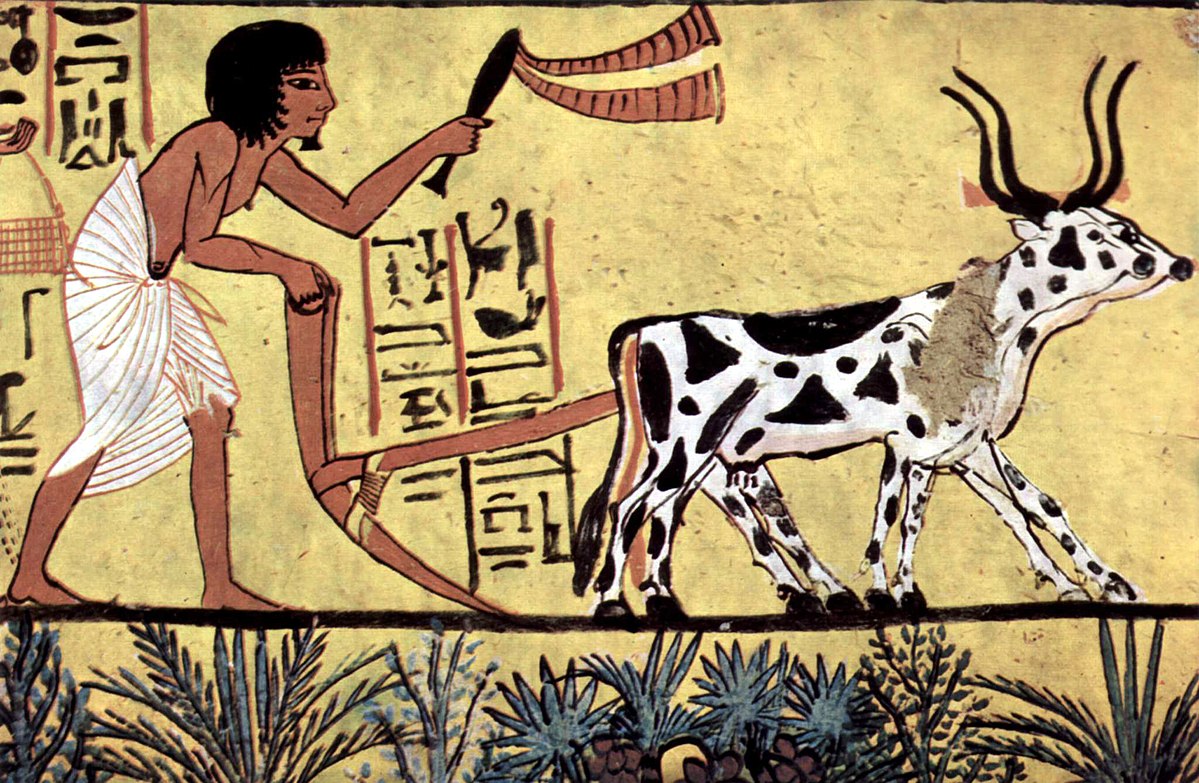
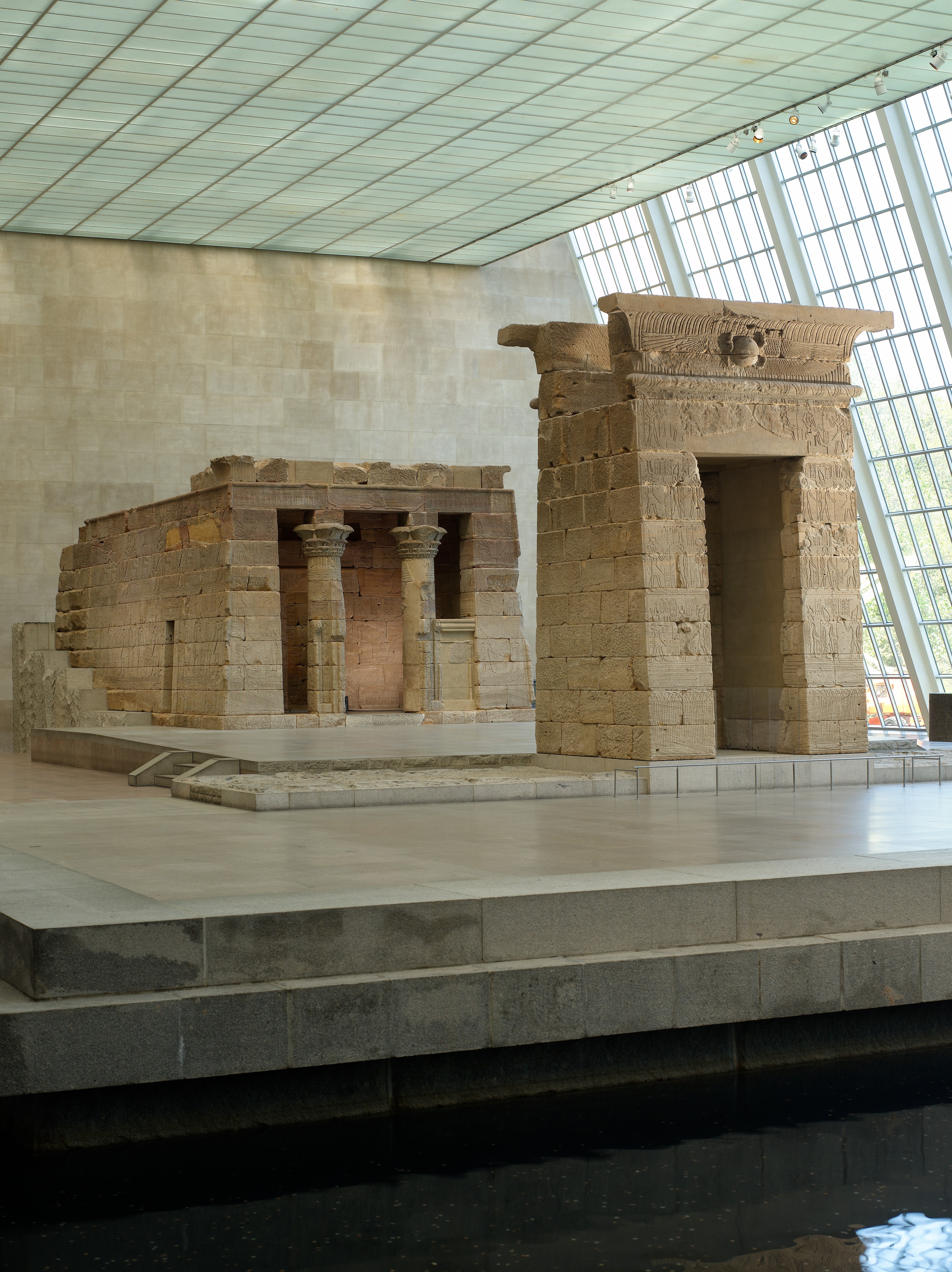
Nijedna civilizacija u istoriji nije održala tako konzistentnu umetničku tradiciju tokom tako ogromnog vremenskog raspona kao stari Egipat. Od ujedinjenja Gornjeg i Donjeg Egipta pod Narmerom (oko 3100. p.n.e.) do rimskog osvajanja 30. p.n.e., egipatska umetnost razvijala se unutar okvira konvencija tako stabilnih da dela razdvojena dvema hiljadama godina mogu izgledati zapanjujuće slično neuvežbanom oku. Ova doslednost nije bila proizvod kreativne stagnacije, već duboko usađenog verovanja da umetnost služi kosmičkoj funkciji: slike i natpisi nisu bili puki prikazi, već magijski delotvorna prisustva koja su mogla da održe mrtve u zagrobnom životu, umilostive bogove i očuvaju maat — božanski poredak univerzuma.
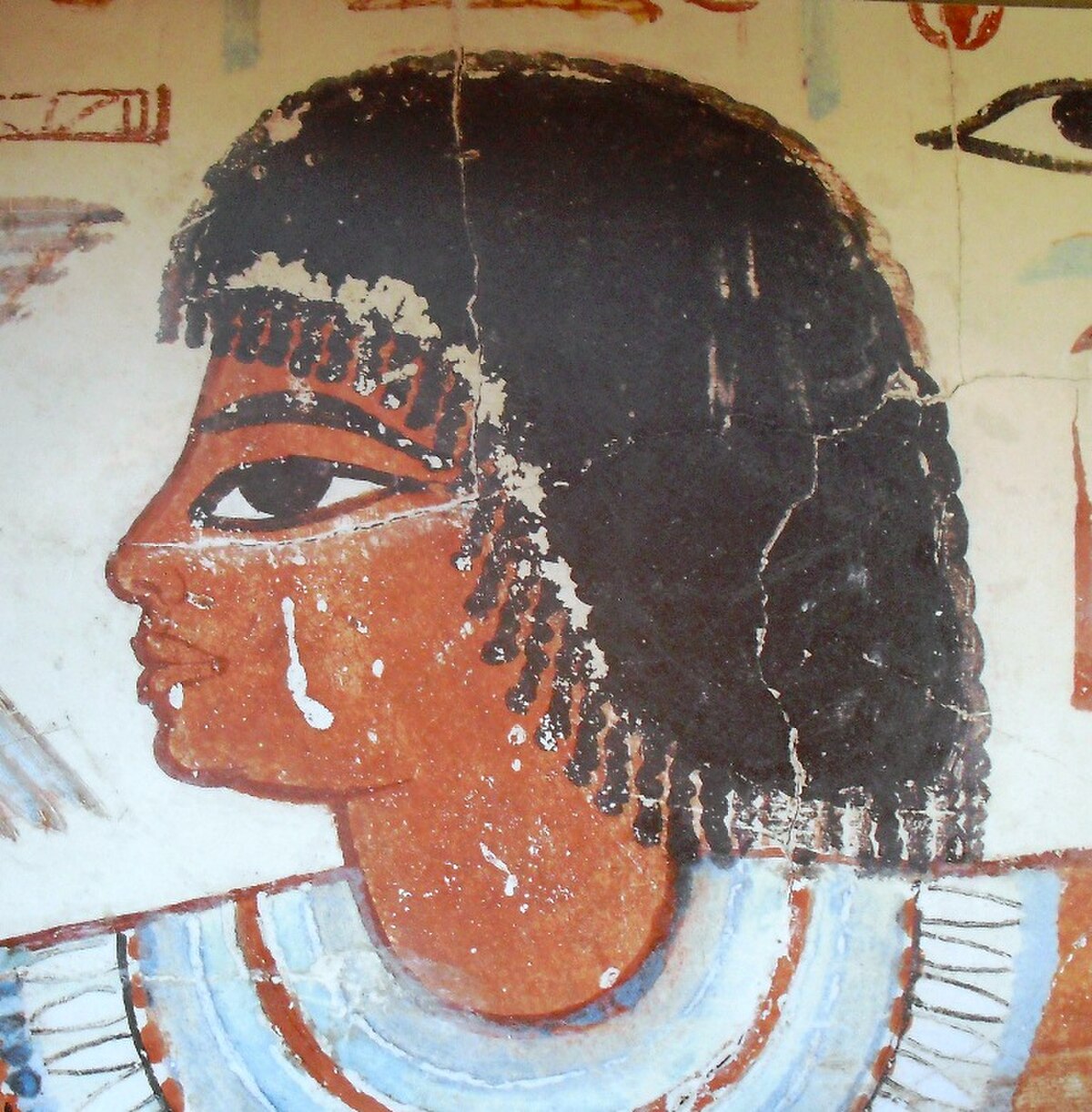
Temelj egipatskog slikarstva bio je kompozitni pogled (ponekad nazvan aspektivna ili konceptualna reprezentacija). Ljudska figura prikazivana je sa glavom u profilu, okom prikazanim frontalno, ramenima i grudima okrenutim ka posmatraču, i nogama ponovo u profilu. Daleko od toga da predstavlja naivni neuspeh u savladavanju skraćenja, ovaj sistem je obezbeđivao da svaki deo tela bude prikazan u svom najpotpunijem i najprepoznatljivijem aspektu, stvarajući sliku koja je simbolički celina. Kanon proporcija, sistem zasnovan na mreži koji je regulisao relativne veličine delova tela, garantovao je da figure održavaju konzistentne proporcije bez obzira na razmeru. Ovaj kanon je usavršavan tokom vekova ali je ostao fundamentalno stabilan od Starog carstva do ptolemejskog perioda. Hijeratska razmera — konvencija prikazivanja faraona i bogova u većoj veličini od običnih smrtnika — pojačavala je krutu društvenu i kosmičku hijerarhiju koja je strukturirala egipatski život.
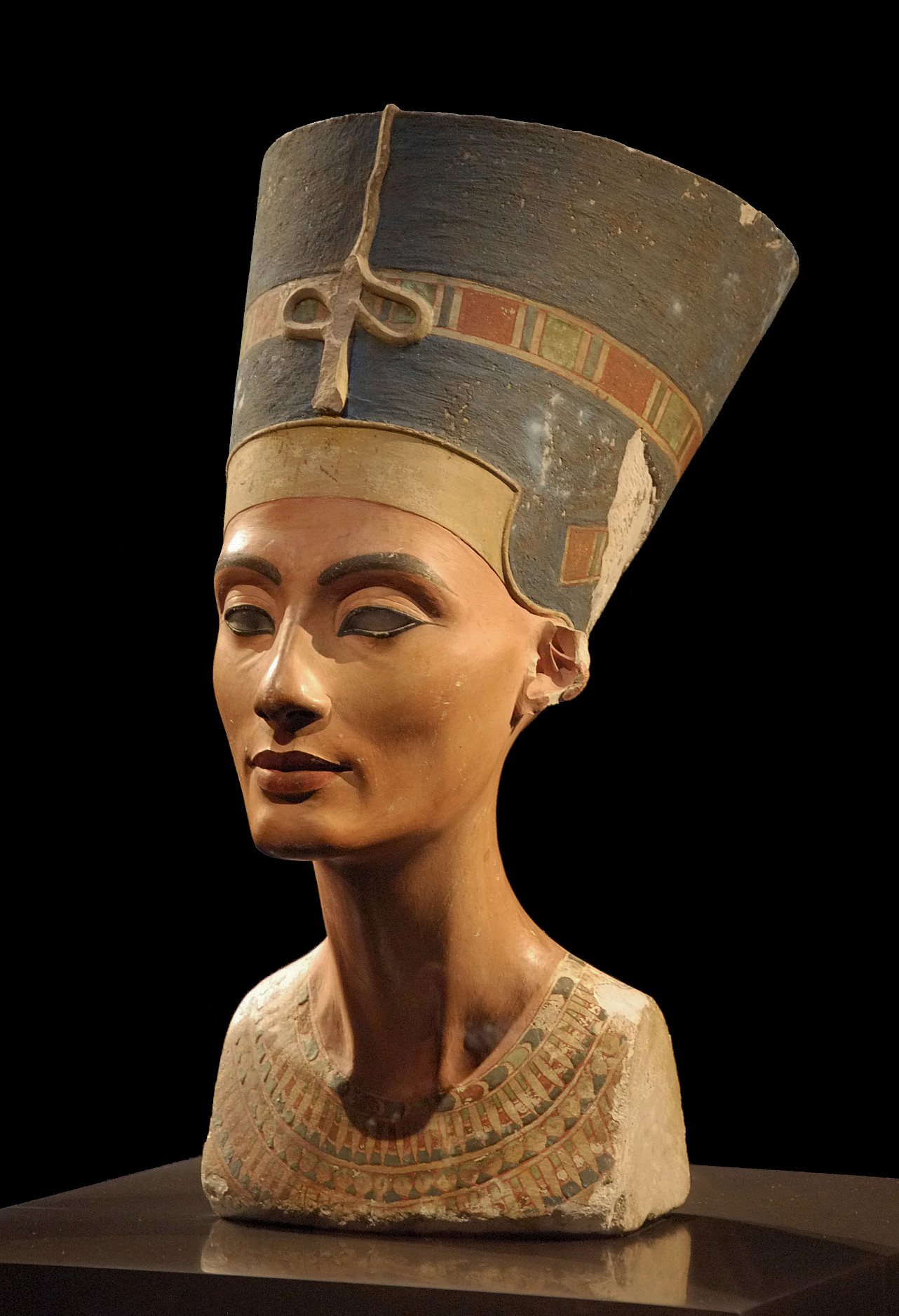
Egipatsko grobno slikarstvo i reljefna skulptura dostigli su izuzetne nivoe sofisticiranosti. Oslikane grobnice Doline kraljeva u Tebi, reljefi pogrebnog hrama u Deir el-Bahriju (izgrađenom za ženu-faraona Hatšepsut, oko 1479-1458. p.n.e.), i izvanredno detaljne scene svakodnevnog života u privatnim grobnicama plemića u Sakari i Beni Hasanu nude enciklopedijski vizuelni zapis staroegipske civilizacije — njene poljoprivrede, zanatske proizvodnje, verskih rituala i zabava. Hijeroglifsko pismo, samo po sebi oblik umetnosti, bilo je neodvojivo od likovnog programa; tekst i slika funkcionisali su zajedno kao objedinjen sistem značenja, svaki pojačavajući i dopunjujući drugi. Statue sedećih pisara iz Starog carstva, kolosalne statue Ramzesa II u Abu Simbelu i spokojno portretno poprsje Nefertiti (oko 1345. p.n.e.) demonstriraju vladanje skulpturalnom formom koje se kreće od intimnog naturalizma do zastrašujuće monumentalnosti.
„Svaki umetnik umače četkicu u sopstvenu dušu i slika svoju prirodu u svoje slike.” — Henri Vord Bičer, mada bi Egipćani rekli da svaki umetnik umače četkicu u maat i slika večnost.
Najdramatičniji prekid u dugom kontinuitetu egipatske umetnosti dogodio se za vreme vladavine Ehnatona (vladao 1353-1336. p.n.e.), takozvanog „jeretičkog faraona” koji je napustio tradicionalnu politeističku religiju u korist ekskluzivnog obožavanja Atona, sunčevog diska. Amarnska revolucija (nazvana po mestu Ehnatonove nove prestonice, Ahetaton, savremeni Tel el-Amarna) donela je zapanjujuće promene u umetničkim konvencijama. Kraljevski portreti prikazivali su Ehnatona sa izduženom lobanjom, naduvenim stomakom, širokim kukovima i tankim udovima — crte toliko preuveličane da su naučnici debatovali o tome da li odražavaju medicinsko stanje, svesnu teološku simboliku (kralj kao androgini bog-tvorac) ili jednostavno novu estetsku preferenciju. Čuveno oslikano krečnjačko poprsje Ehnatonove kraljice, Nefertiti (Neues Museum, Berlin), kombinuje novi amarnski naturalizam sa bezvremenskim idealizmom koji ga je učinio jednim od najprepoznatljivijih dela antičke umetnosti. Intimne scene kraljevske porodice — Ehnaton i Nefertiti se igraju sa kćerima pod zracima Atona — zamenile su formalnu krutost tradicionalne kraljevske ikonografije bez presedana toplinom i domaćom atmosferom. Posle Ehnatonove smrti, stara religija i stare umetničke konvencije brzo su obnovljene, ali je amarnski interludijum demonstrirao da su čak i najdublje ukorenjene tradicije podložne transformaciji pod pritiskom revolucionarne vizije.
Sama obilje egipatske umetnosti koja je preživela — u grobnicama, hramovima, muzejima i privatnim kolekcijama širom sveta — učinilo ju je jednom od najproučavanijih i najvoljenijih antičkih umetničkih tradicija. Njen uticaj na grčku arhaičnu skulpturu, njeno ponovno otkrivanje tokom Napoleonovih kampanja i njen trajni uticaj na popularnu maštu obezbeđuju da umetnost starog Egipta ostane živo prisustvo u globalnoj kulturi.
Egejski svet
Između uspostavljenih civilizacija Egipta i Mesopotamije i kasnijeg procvata grčke umetnosti nalazi se fascinantan, delimično enigmatičan svet egejskog bronzanog doba. Dve velike kulture dominirale su ovim regionom: Minojska civilizacija na Kritu (oko 2700-1450. p.n.e.) i Mikenska civilizacija kontinentalne Grčke (oko 1600-1100. p.n.e.). Obe su proizvele umetnost izuzetne lepote i sofisticiranosti, i obe su igrale ključnu ulogu u prenošenju bliskoistočnih i egipatskih umetničkih ideja nastajućem grčkom svetu, služeći kao kulturni most između Istoka i Zapada.
Minojska umetnost, usredsređena na velike komplekse palata na Kritu — pre svega Knosos, ali i Festos, Malija i Zakros — karakteriše se dinamizmom, ljubavlju prema prirodnim oblicima i osećajem radosne vitalnosti koji je izdvaja od hijeratske ozbiljnosti egipatske i mesopotamske umetnosti. Čuvena Freska skakanja preko bikova iz Knososa (oko 1550-1450. p.n.e.) prikazuje mladog atletu u sredini prevrtanja preko leđa jurećeg bika, flankiranu dvema ženskim figurama, u kompoziciji zadivljujuće energije i gracioznosti. Da li ovo predstavlja stvarni ritualni sport, mitološki narativ ili simboličko prikazivanje kosmičkih sila ostaje predmet debate, ali njegova umetnička snaga je neporeciva. Minojski slikari favorizovali su sinuozne, krivolinijske oblike, živopisne polihromatske palete i motive crpljene iz prirodnog sveta — delfine, hobotnice, ljiljane, šafrane — prikazane sa posmatračkom svežinom koja sugeriše kulturu duboko usklađenu sa lepotom mediteranskog pejzaža.
„Minojci su stvorili prvu veliku evropsku civilizaciju, i njihova umetnost odražava pogled na svet u kojem su priroda, ritual i lepota bili nerazdvojni.” — Nano Marinatos, Minoan Religion
Mikenska civilizacija, koja je došla do dominacije na grčkom kopnu posle 1600. p.n.e. i na kraju apsorbovala minojski Krit, proizvela je umetnost markantno drugačijeg karaktera — ratobornije, monumentalnije i više zaokupljene prikazivanjem političke moći. Lavlja kapija u Mikeni (oko 1250. p.n.e.), sa svojim masivnim trougaonim reljefom dva heraldička lava koji flankiraju centralnu kolonu, najranija je monumentalna skulptura u evropskoj umetnosti i moćan amblem kraljevskog autoriteta. Zlatne maske smrti pronađene u jamatim grobovima u Mikeni od strane Hajnriha Šlimana 1876. — uključujući čuvenu takozvanu Agamemnonovu masku (danas datiranu na oko 1550. p.n.e., vekovima pre legendarnog kralja) — pokazuju autoritativni realizam i raskošnu upotrebu dragocenih materijala koji svedoče o bogatstvu i ratničkom ponosu mikenske elite. Mikenski zlatari proizveli su i izvanredna dela dekorativne umetnosti, uključujući dva zlatna Vafio pehara (oko 1500. p.n.e.), čije repuse scene hvatanja bikova kombinuju minojski stilski uticaj sa izrazito mikenskom snagom.
Kolaps mikenske civilizacije oko 1100. p.n.e. uveo je period umetničkog i kulturnog opadanja — takozvano Mračno doba Grčke — tokom kojeg je pismenost izgubljena i monumentalna umetnost prestala. Ipak, umetnička dostignuća egejskog bronzanog doba nisu potpuno zaboravljena. Sećanja na mikensku veličinu preživela su u usmenoj epskoj tradiciji koja bi na kraju proizvela Homerovu Ilijadu i Odiseju, a određeni oblici i motivi — stub, spirala, lav — trajali su u grčkoj umetnosti dugo nakon što su se palate raspale. Egejski svet, koliko god da je dalek, ostaje suštinsko poglavlje u priči o zapadnoj umetnosti: prvi čin drame koja bi dostigla svoj vrhunac u Atini Periklovog doba.
Grčka umetnost: Arhaički period
Pojava grčke umetnosti iz ruševina mikenskog sveta bio je spor i neizvestan proces, ali onaj čije su krajnje posledice bile revolucionarne. Najranija post-mikenska umetnost — grnčarija Protogeometrijskog (oko 1050-900. p.n.e.) i Geometrijskog (oko 900-700. p.n.e.) perioda — karakteriše se strogim, rigorozno apstraktnim vizuelnim jezikom. Monumentalne pogrebne vaze iz nekropole Dipilon u Atini, visoke preko metar, prekrivene su horizontalnim trakama meandara, cik-cak linija, šahovskih polja i drugih pravougaonih obrazaca, sa malim, shematizovanim figurama ožalošćenih, bojnih kočija i ratnika svedenih na geometrijske siluete. Ova dela odražavaju kulturu u procesu ponovne izgradnje svog vizuelnog vokabulara od samog temelja, i njihovo insistiranje na redu, jasnoći i strukturalnoj logici pokazalo bi se proročkim za vrednosti koje bi grčka umetnost kasnije sledila u trodimenzionalnoj formi.
Orijentalizirajući period (oko 700-600. p.n.e.) video je dramatičan priliv bliskoistočnih i egipatskih motiva u grčku umetnost, podstaknut obnovljenim trgovačkim kontaktima preko istočnog Mediterana. Sfinge, grifoni, palmete, lotosovi cvetovi i procesije životinjskih frizova počele su se pojavljivati na grčkoj grnčariji i metalnim predmetima, posebno u radionicama Korinta, koji je dominirao izvoznom trgovinom oslikanom keramikom tokom ovog perioda. Asimilacija stranih uticaja nije bila pasivno podražavanje; grčki umetnici su brzo transformisali pozajmljene motive u nešto izrazito svoje, sintetišući istočno ornamentalno bogatstvo sa strukturalnom jasnoćom nasleđenom iz Geometrijske tradicije.
Arhaički period u užem smislu (oko 600-480. p.n.e.) bio je svedok rađanja dve umetničke forme koje bi definisale grčko dostignuće: monumentalne kamene skulpture i arhitektonske hramovne gradnje. Kuros (množina: kuroi), slobodnostojeća naga muška mladićka figura, i kora (množina: korai), drapirana ženska figura, prepoznatljivi su skulpturalni tipovi perioda. Najraniji kuroi — poput Njujorškog kurosa (oko 600. p.n.e.) — stoje u krutim, frontalnim pozama jasno izvedenim iz egipatskih prototipova, sa stisnutim pesnicama, jednom nogom ispred i shematski prikazanom anatomijom. Tokom šestog veka, međutim, dogodila se izuzetna transformacija: vajari su postepeno omekšali krutu simetriju, artikulisali muskulaturu sa sve većom suptilnošću i uveli enigmatični arhaički osmeh — nežnu uzlaznu krivu usana koja ovim figurama daje duh spokojne vitalnosti. Proces se može pratiti kroz niz sačuvanih dela, od rane krutosti Sunionskog kurosa (oko 600. p.n.e.) do fluidnog naturalizma Kritiosovog dečaka (oko 480. p.n.e.), koji stoji na pragu Klasične revolucije.
„Grci nisu izmislili ljudsku figuru u umetnosti; ono što su izmislili bio je novi način njenog sagledavanja — kao problema koji treba rešiti, forme koju treba usavršiti.” — Dž. Dž. Polit, Art and Experience in Classical Greece
U domenu oslikane grnčarije, Arhaički period proizveo je dve od najslavnijih tehnika u istoriji keramike. Crnofiguralna tehnika, razvijena u Korintu i usavršena u Atini tokom šestog veka, podrazumevala je slikanje figura u crnom premazu na prirodnoj crveno-narandžastoj glinenoj podlozi, zatim urezivanje finih detalja oštrim alatom. Veliki crnofiguralni slikari — Eksekija pre svih, čija je Ajaksa i Ahilej igraju igru na tabli (oko 540-530. p.n.e.) remek-delo psihološke napetosti i kompozicione ravnoteže — postizali su efekte izuzetne narativne moći unutar ograničenja tehnike. Oko 530. p.n.e. atinski grnčari izmislili su crvenofiguralnu tehniku, koja je obrnula šemu boja: pozadina je bila oslikana crno, ostavljajući figure u prirodnoj crvenoj boji gline, sa detaljima dodatim razblaženim premazom koristeći četkicu umesto alata za urezivanje. Ova inovacija omogućila je daleko veću slobodu u prikazivanju anatomije, draperije i prostorne dubine, i crvenofiguralne vaze brzo su postale dominantan medijum za slikarsku umetnost u Grčkoj. Arhitektonski razvoj dorskog reda — sa svojim čvrstim stubovima, triglifima i metopama — pružio je monumentalni okvir za skulpturalne programe, kao što se vidi u zabatima i metopama Hrama Afaje na Egini (oko 500-480. p.n.e.), čiji ratnici u borbi hvataju arhaički stil u njegovom najsnažnijem izrazu.
Arhaički period naglo se završio Persijskim ratovima (490-479. p.n.e.), koji su iskovali novi osećaj grčkog identiteta i inaugurisali najslavnije poglavlje u istoriji zapadne umetnosti. Persijsko razaranje atinskog Akropolja 480. p.n.e. — i kasnija odluka da se ponovo izgradi u većem obimu — postaviće scenu za Klasičnu revoluciju.
Grčka umetnost: Klasična revolucija
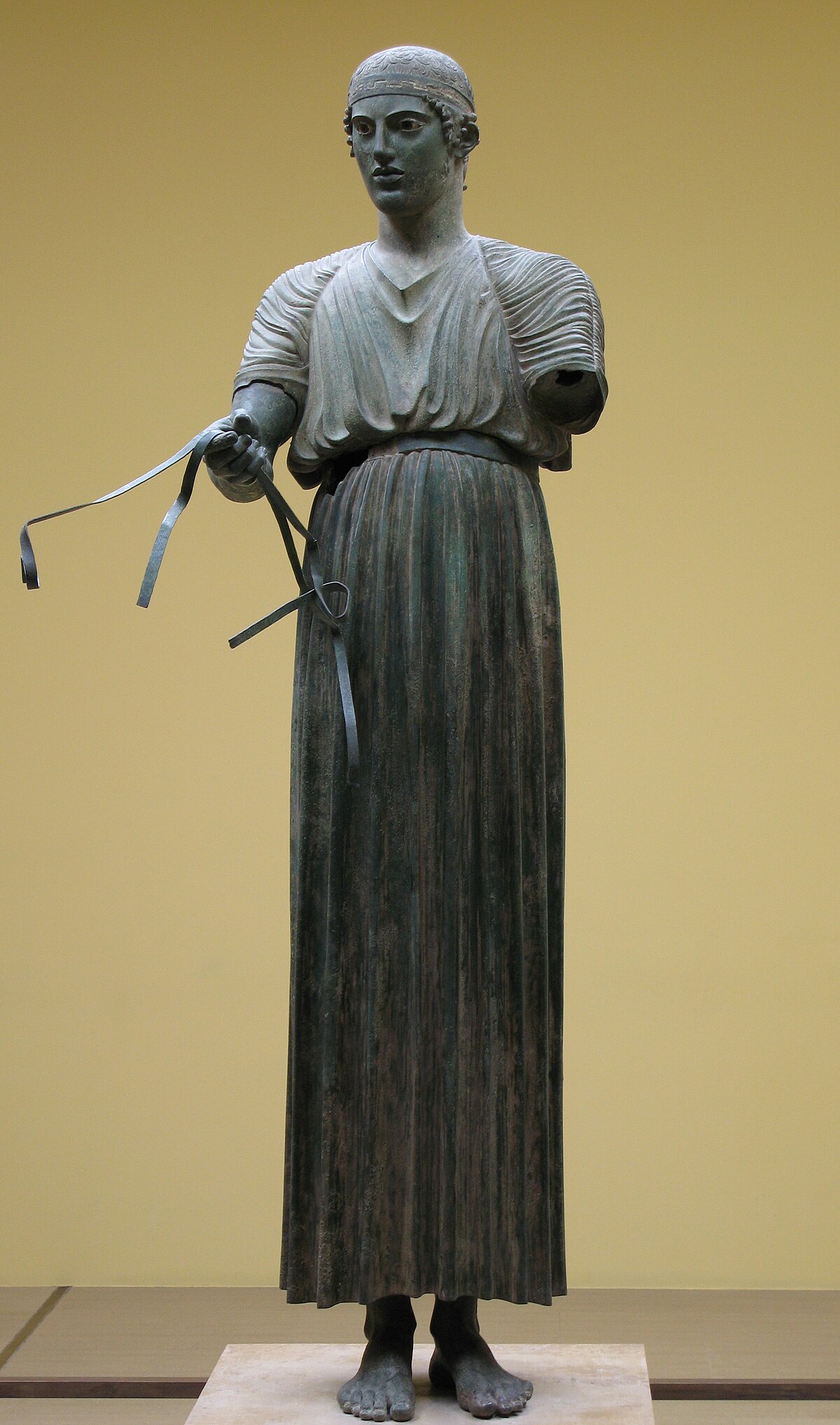
Klasični period (oko 480-323. p.n.e.) predstavlja jedno od vrhunskih dostignuća ljudske civilizacije. U rasponu od otprilike vek i po, grčki umetnici — koji su radili prevashodno u Atini, ali i na Peloponezu, Siciliji i u južnoj Italiji — razvili su vizuelni jezik takve snage, koherentnosti i lepote da bi oblikovao tok zapadne umetnosti narednih dva i po milenijuma. Centralna inovacija bilo je otkriće kontraposta — asimetrične poze u kojoj težina figure počiva na jednoj nozi dok je druga opuštena, stvarajući suptilnu S-krivu kroz torzo koja sugeriše potencijal za pokret u stanju mirovanja. Kritiosov dečak (oko 480. p.n.e.), mermerna skulptura pronađena na atinskom Akropolju, generalno se smatra najranijim sačuvanim primerom ovog prodora, koji je transformisao statični, simetrični kuros u živo, dišuće prisustvo.
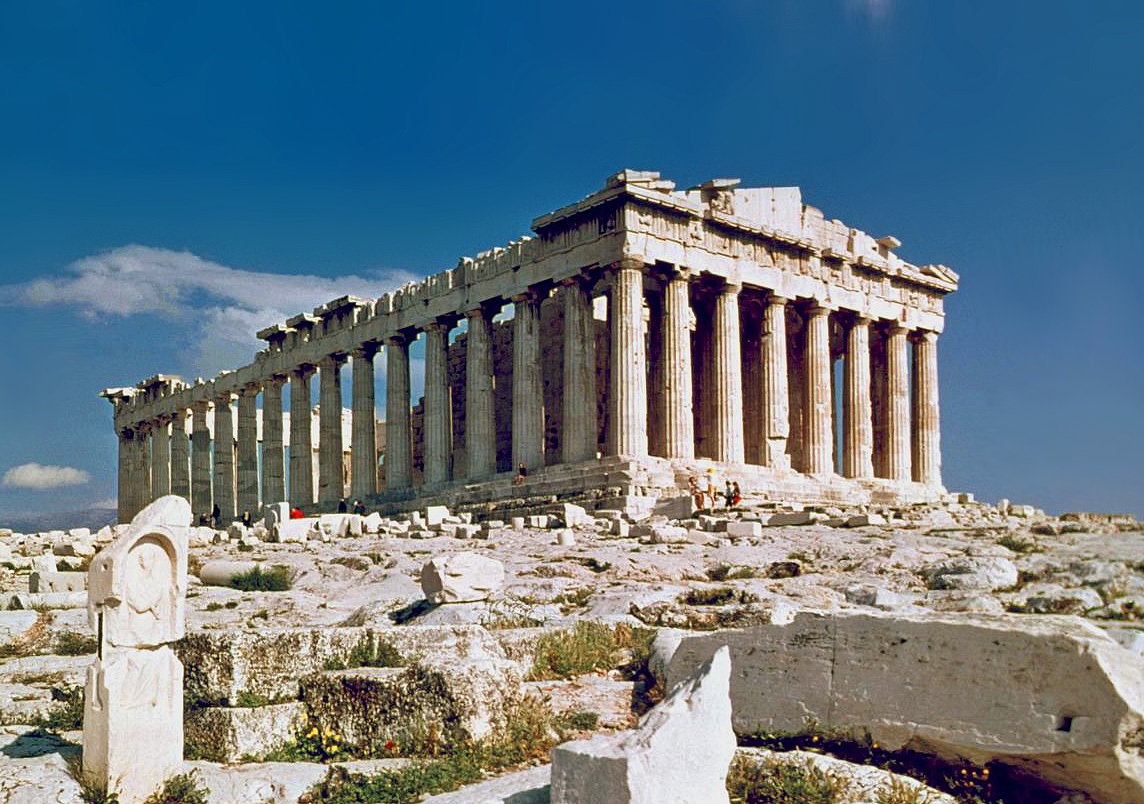
Dominantna figura Klasične skulpture je Fidija (oko 480-430. p.n.e.), umetnički direktor Periklovog građevinskog programa na atinskom Akropolju. Fidija je nadgledao skulpturalnu dekoraciju Partenona (447-432. p.n.e.) — dorskog hrama posvećenog Ateni Partenos koji ostaje vrhunski simbol klasične grčke umetnosti. Skulpturalni program Partenona obuhvatao je tri različita elementa: zabate (koji prikazuju rođenje Atene i takmičenje između Atene i Posejdona), metope (koje prikazuju bitke Lapita i Kentaura, Bogova i Giganata, Grka i Amazonki, i možda Grka i Trojanaca), i kontinuirani jonski friz koji se proteže oko spoljašnjosti unutrašnje cele, prikazujući veliku povorku — najverovatnije Panatenajsku procesiju — sa ritmičkom gracioznošću i osećajem za teksturu kože, mišića i draperije koji nikada nisu nadmašeni. Fidija je u antici bio slavljen i zbog dve kolosalne hrizelefantinske (od zlata i slonovače) kultne statue: Atena Partenos unutar Partenona i sedeći Zevs u Olimpiji, potonji uvršten među Sedam svetskih čuda antičkog sveta. Obe su izgubljene, poznate samo iz antičkih opisa i kopija malog formata, ali je njihov uticaj na koncept božanske slike bio nemerljiv.
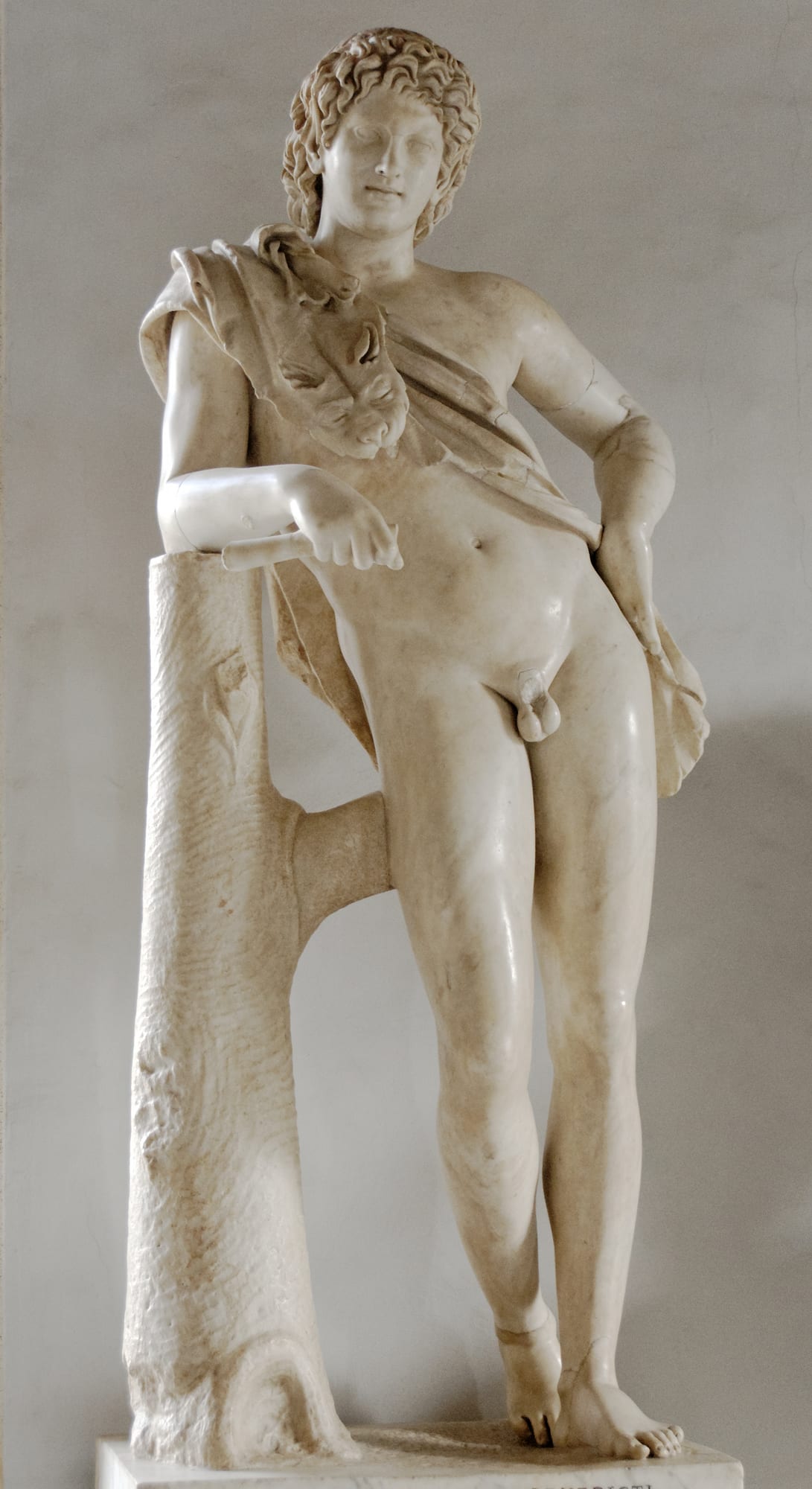
Potraga za idealnom proporcijom našla je svoju najrigorozniju teorijsku formulaciju u delu Polikleta iz Argosa, koji je napisao traktat poznat kao Kanon (oko 450-440. p.n.e.) u kojem je izložio matematički sistem idealnih telesnih proporcija. Njegova bronzana statua Dorifor (Kopljonoša), poznata kroz rimske mermerne kopije, otelotvorila je ove principe: figura stoji u savršeno kalibriranom kontrapostu, svaka dimenzija povezana sa svakom drugom konzistentnim skupom odnosa. Za Polikleta, lepota nije bila stvar subjektivnog ukusa već objektivne, merljive harmonije — uverenje sa dubokim korenima u pitagorejskoj filozofiji i ono koje bi odzvanjalo kroz Renesansu i u modernu estetiku. Drugi značajni klasični vajari uključuju Mirona, čiji je Diskobol (Bacač diska, oko 460-450. p.n.e.) uhvatio atletsko telo u zamrznutom trenutku maksimalne napetosti, i Praksitela, čija je Afrodita Knidska (oko 350. p.n.e.) — prva monumentalna naga ženska figura u grčkoj umetnosti — uvela novu senzualnost i emotivnu intimnost koja je ukazivala na Helenistički period.
„Glavne forme lepote su red i simetrija i određenost, koje matematičke nauke demonstriraju u posebnom stepenu.” — Aristotel, Metafizika
Klasična grčka umetnost nije bila ograničena na skulpturu. Atinsko pozorište, rodno mesto tragedije i komedije, generisalo je bogatu tradiciju dramskih maski, oslikane scenografije (poreklo reči „scena” od grčkog skene) i arhitektonskog scenskog dizajna. Vaza slikarstvo nastavilo je da cveta, sa crvenofiguralnim majstorima poput Berlinskog slikara i Kleofradovog slikara koji su dostigli nove visine anatomske preciznosti i emotivne ekspresivnosti. Izgubljene slike Polignota, Zeuksisa i Apelesa — slavljene u antičkim literarnim izvorima kao najveći slikari klasičnog sveta — poznate su samo iz opisa i iz odraženog uticaja koji su vršile na vaza slikarstvo, rimsko zidno slikarstvo i mozaik. Usavršavanje jonskog i korintskog arhitektonskog reda uz već uspostavljeni dorski dali su grčkim arhitektama raznovrstan vokabular formi — stub, arhitrav, zabat — koji bi postao univerzalni jezik zapadne monumentalne arhitekture.
Klasični ideal, uprkos svom prividnom spokoju, kovan je u veku gotovo neprekidnog ratovanja — Persijski ratovi, Peloponeski rat i međusobni sukobi koji su oslabili grčke gradove-države i ostavili ih ranjivim pred rastućom moći Makedonije. Napetost između spokojnog savršenstva Klasične umetnosti i turbulentne realnosti Klasične politike jedan je od velikih paradoksa istorije umetnosti, i onaj koji su naredne epohe tumačile na veoma različite načine.
Helenistička umetnost
Smrt Aleksandra Velikog 323. p.n.e. inaugurisala je novu eru u istoriji umetnosti. Aleksandrova osvajanja razorila su okvir nezavisnog grčkog grada-države i stvorila ogromno, kulturno heterogeno carstvo koje se protezalo od Egipta do granica Indije. Nasledničke kraljevine — Ptolemejski Egipat, Seleukidska Sirija, Pergamon u Maloj Aziji, Antigonidska Makedonija — postale su novi centri umetničkog pokroviteljstva, a umetnost koju su proizvodile odražavala je svet koji je bio veći, raznovrsniji, kosmopolitskiji i emocionalno kompleksniji od svega što je klasični polis poznavao. Helenistički period (oko 323-31. p.n.e.) karakteriše dramatično proširenje tema, intenzifikacija emotivnog izražavanja i virtuozna tehnička ambicija koja je pomerala granice onoga što su skulptura, slikarstvo i arhitektura mogli da postignu.
Kontrast sa klasičnom uzdržanošću odmah je očigledan. Dok je klasični ideal tražio ravnotežu, harmoniju i potiskivanje ekstremnih emocija, helenistički umetnici prihvatili su patos, dramu i pun raspon ljudskih osećanja. Laokoon i njegovi sinovi (oko prvog veka p.n.e., mada je datum diskutabilan), ponovo otkriven u Rimu 1506. i slavljen od Plinija Starijeg kao superiorniji od svih drugih dela slikarstva ili skulpture, prikazuje trojanskog sveštenika Laokoona i njegova dva sina kako se grče u zavojima ogromnih zmija poslatih od bogova — vizija agonije, užasa i uzaludnog otpora isklesana sa anatomskom virtuoznošću i emotivnim intenzitetom koji je elektrizovao renesansne umetnike, najzapaženije Mikelanđela. Nika sa Samotrake (Krilata pobeda, oko 190. p.n.e.), danas jedno od centralnih dela Luvra, prikazuje boginju pobede kako sleće na pramac broda, sa draperijom raspršenom vetrom koja prianja uz njeno telo u tur de forsu skulptorskog iluzionizma koji pretvara hladni mermer u izgled mokre, prozirne tkanine.
„Laokonova situacija je najprogalnija — i stoga najlepša — koju je moguće zamisliti.” — Gothold Efraim Lesing, Laokoon: Ogled o granicama slikarstva i poezije (1766)
Veliki Pergamonski oltar (oko 180-160. p.n.e.), izgrađen od Eumena II Pergamonskog i danas rekonstruisan u Berlinu, predstavlja helenistički barok u njegovom najekstravagantnijemo obliku. Njegov monumentalni friz — dugačak preko 100 metara i visok više od dva metra — prikazuje Gigantomahiju, bitku između olimpskih bogova i Giganata, u vrtložnoj, gusto pakovnoj kompoziciji nadljudskog nasilja, naduvanih draperija, napregnutih mišića i izmučenih lica. Reljef je tako duboko isklesan da se figure projektuju gotovo potpuno u prostoru, prelivajući se sa arhitektonskog okvira na stepenice oltara u dramatičnom raspadanju granice između umetnosti i života. Pergamonski stil, sa svojimnaglašavanjem patnje, herojstva i božanske borbe, predstavlja svesno prisvajanje klasičnih atinskih tema — pergamonski kraljevi nastojali su da se predstave kao novi branioci grčke civilizacije protiv varvarskih sila — ali prikazanim na emotivnoj temperaturi daleko od spokojne ravnoteže Partenona.
Helenistička umetnost takođe je doživela revolucionarno proširenje tema. Klasični ideal fokusirao se gotovo isključivo na bogove, heroje i idealizovane atletičare; helenistički umetnici okrenuli su pažnju starosti, detinjstvu, pijanstvu, snu, deformitetu, etničkoj pripadnosti i životima običnih ljudi. Stara žena sa tržnice (oko drugog veka p.n.e.), pogrbljena, umorna figura koja nosi korpu sa proizvodima, i Umirući Gal (oko 230-220. p.n.e.), smrtno ranjeni keltski ratnik prikazan sa dostojanstvenim patosom, primeri su ovog novog demokratskog impulsa u temama. Portretisanje postalo je sve više psihološko: naborane obrve, duboko usađene oči i nemirni pogledi helenističkih portreta vladara — samog Aleksandra, Demetrija Poliorketa, Ptolemejevića — prenose ne samo fizičku sličnost već unutrašnja stanja ambicije, anksioznosti i harizmatičnog autoriteta. Ova tradicija individualizovanog, emocionalno rezonantnog portreta bila bi nasleđena i transformisana od strane Rimljana.
Helenistički svet bio je i svet gradova, i helenistička urbanistika i arhitektura odražavale su novu brigu za teatralnu organizaciju javnog prostora. Gradovi poput Aleksandrije, Antiohije i Pergamona dizajnirani su sa kolonadama ulica, terasastim padinama, monumentalnim stepeništima i aksijalnim pogledima koji su prefigurirali urbane ambicije carskog Rima. Faros Aleksandrijski, veliki svetionik koji je bio još jedno od Sedam čuda sveta, i Biblioteka Aleksandrijska, najveće antičko skladište znanja, svedoče o obimu i sofisticiranosti helenistične urbanizacije.
Rimska umetnost i arhitektura
Rimska umetnost prečesto se tretira kao puki dodatak grčkoj tradiciji — derivativno, tehnički vešto ali kreativno sekundarno delatnost. Ovaj pogled, nasleđen od istoričara umetnosti osamnaestog veka Johana Joakima Vinkelmana, koji je grčku umetnost smatrao nenadmašivim vrhuncem ljudskog dostignuća, fundamentalno pogrešno razume originalnost i ambiciju rimske vizuelne kulture. Rim je, nesumnjivo, duboko dugovao Grčkoj: rimski kolekcionari sakupljali su grčke originale, rimske radionice proizvodile su kopije, a rimski pesnici i teoretičari priznavali su superiornost grčkih uzora. Ali rimski umetnici su takođe razvili posebne forme, tehnike i izražajne ciljeve koji su njihov rad izdvajali — pre svega u domenima portreta, arhitekture i istorijskog narativnog reljefa.
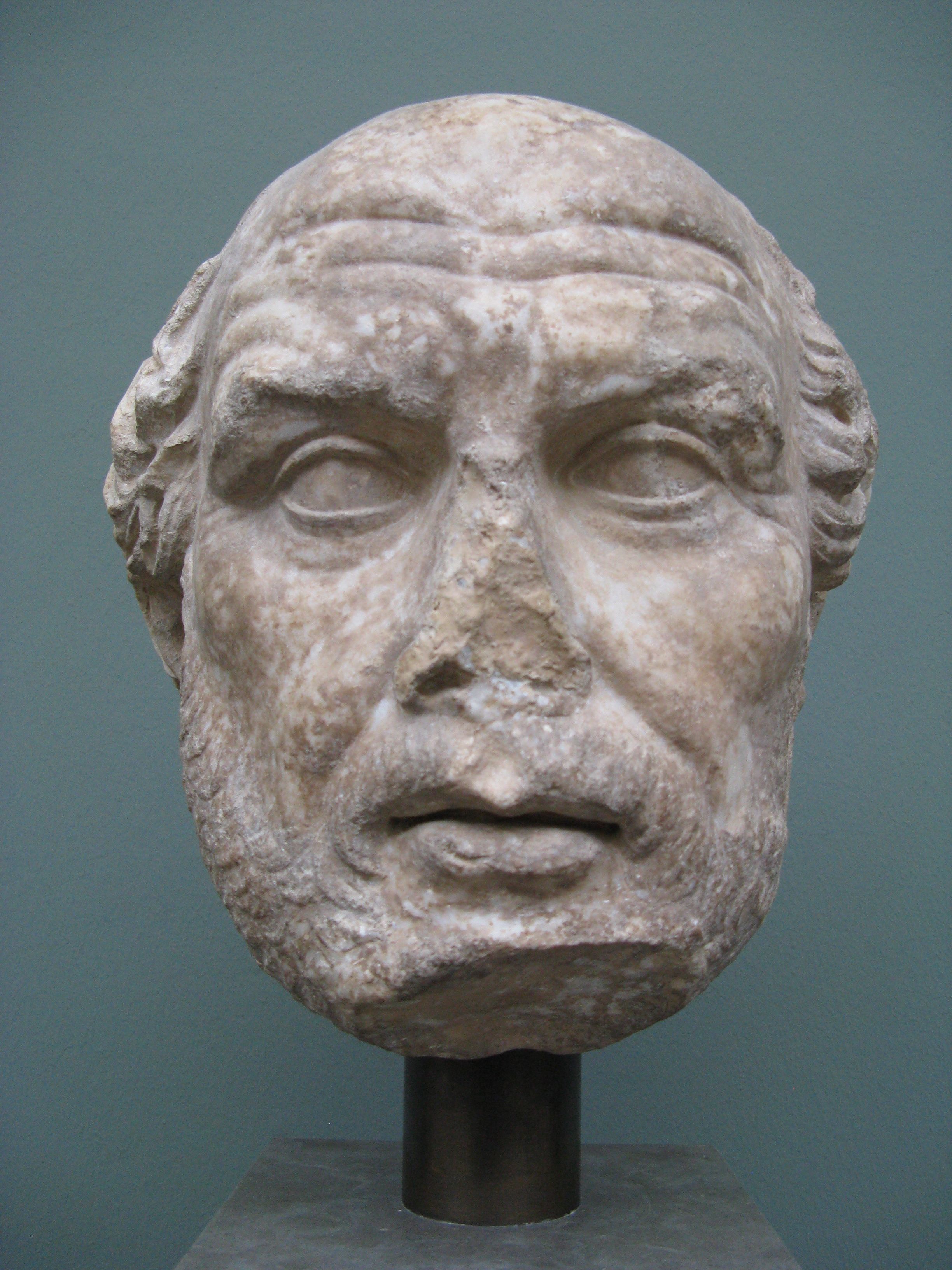
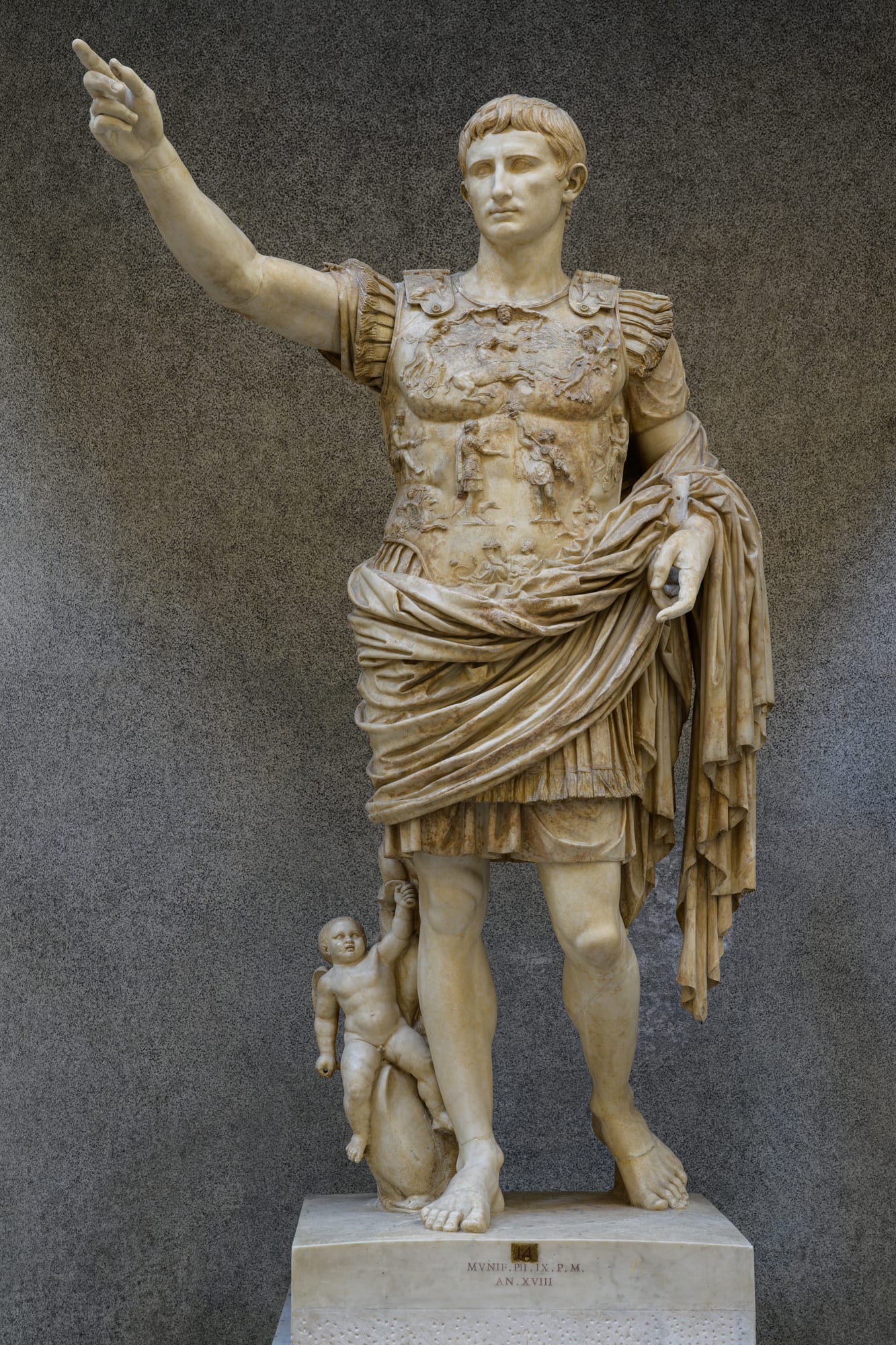
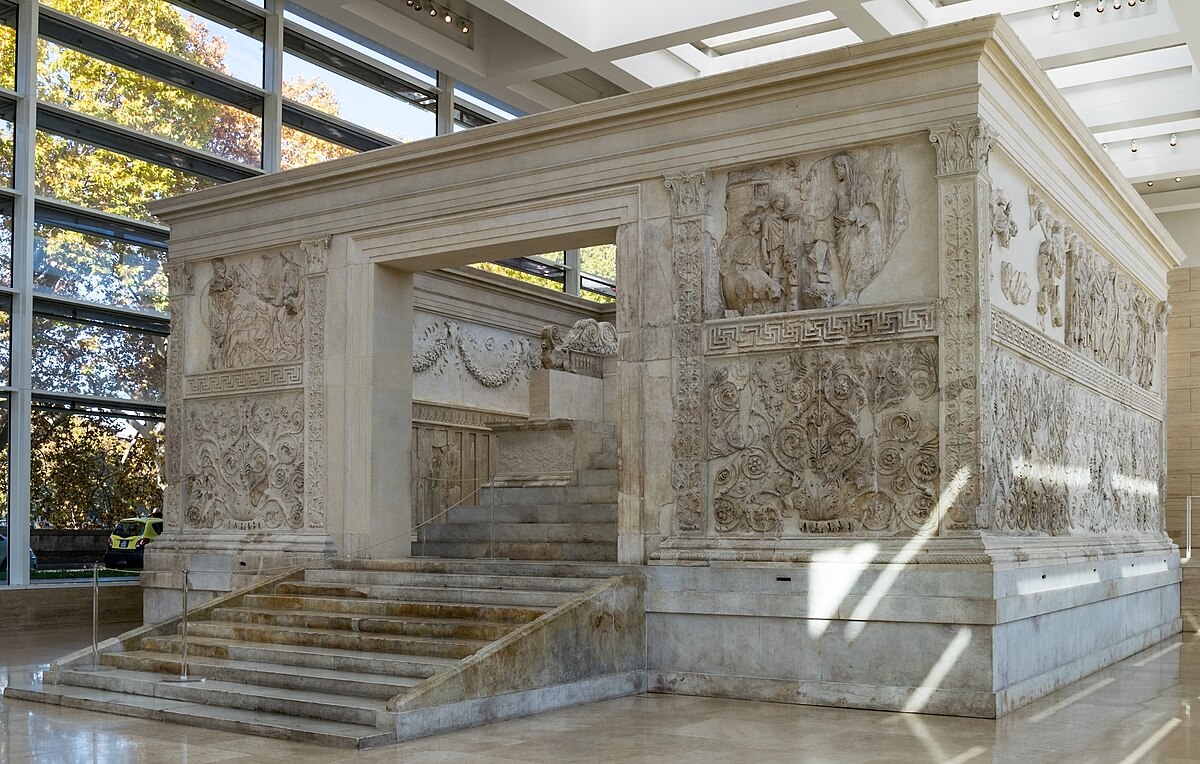
Najupadljivija karakteristika rimske umetnosti je njena posvećenost verističkom portretisanju — portretima koji nepokolebljivo beleže fizičke nesavršenosti svojih subjekata. Tradicija je nastala u kasnoj Republici (oko drugog-prvog veka p.n.e.), kada su stariji rimski senatori naručivali biste koje su prikazivale svaku boru, bradavicu, upale obraze i povlačeću liniju kose kao oznake moralnog autoriteta i gravitasa. Ovaj „sa svim manama” realizam stajao je u svesnom kontrastu sa idealizujućim tendencijama grčkog portretisanja i odražavao specifično rimske kulturne vrednosti: uzvisivanje starosti, iskustva i javne službe nad mladenačkom lepotom. Pod Carstvom, stilovi portreta oscilirali su između verističke konkretnosti i helenizujućeg idealizma, zavisno od ideoloških potreba vladara. August iz Prima Porte (oko 20. p.n.e.), sa svojim savršenim klasičnim proporcijama, kontrapost pozom i idealizovanim crtama, predstavlja prvog cara kao bezvremenu, božansku figuru, dok brutalno iskreni portreti Vespazijana pokazuju ćelavog, podvalog, pragmatičnog vojnika-cara koji je nosio svoje plebejsko poreklo sa ponosom.
„Grčka, mada zarobljena, zarobila je svog divljeg osvajača i donela umetnosti rustičnom Lacijumu.” — Horacije, Epistulae II.1
Najpreobražavajući doprinos Rimljana istoriji umetnosti bio je nesumnjivo ne u skulpturi ili slikarstvu već u arhitekturi i inženjerstvu. Razvoj betona (opus caementicium) — mešavine vulkanskog pepela (pucolana), kreča i agregata — oslobodio je rimske graditelje od ograničenja stubno-gredfne konstrukcije i omogućio stvaranje ogromnih unutrašnjih prostora pokrivenih lukovima, svodovima i kupolama. Koloseum (Flavijevski amfiteatar, oko 70-80. n.e.), sa kapacitetom od oko 50.000 gledalaca, koristio je sofisticiran sistem radijalnih bačvastih svodova i kompleksnu mrežu hodnika i stepeništa koji su omogućavali da cela publika bude smeštena i evakuisana sa izuzetnom efikasnošću. Panteon (oko 118-125. n.e.), izgrađen pod carem Hadrijanom, ostaje jedan od najzadivljujućih unutrašnjih prostora ikada stvorenih: njegova nearmirano betonska kupola, prečnika 43,3 metra, probušena centralnim okulusom otvorenim ka nebu, stvara hemisferu svetlošću ispunjenog prostora koji je imitiran ali nikada dostignut. Trijumfalni luk — od relativno skromnog Titovog slavoluka (oko 81. n.e.), čiji unutrašnji reljefi prikazuju plen iz razaranja Jerusalima, do razrađenog Konstantinovog slavoluka (oko 315. n.e.) — služio je kao trajna pozornica za prikaz carske moći i vojne slave.
Rimsko zidno slikarstvo, sačuvano u izuzetnoj količini u Pompeji, Herkulanumu i Stabiji erupcijom Vezuva 79. n.e., otkriva sofisticiranu tradiciju slikarskog iluzionizma podeljenu od strane modernih naučnika na četiri pompejanska stila. Prvi stil (Inkrustacija, oko 200-80. p.n.e.) imitirao je izgled obojenih mermernih ploča. Drugi stil (Arhitektonski, oko 80-15. p.n.e.) stvarao je iluzionističke poglede na kolone, balkone i uzmičuće arhitektonske prostore koji su anticipirali renesansnu perspektivu. Treći stil (Ornamentalni, oko 15. p.n.e. – 45. n.e.) zaravnio je zid u elegantnu površinu delikatnih kandelabra, girlandi i malih centralnih mitoloških panela. Četvrti stil (Složeni, oko 45-79. n.e.) kombinovao je elemente sva tri prethodnika u živahnoj, teatralnoj ekstravaganzi. Zajedno, ovi stilovi dokumentuju kontinuiranu tradiciju slikarskog eksperimentisanja koja se proteže kroz skoro dva veka i demonstriraju da su rimski slikari posedovali vladanje iluzionističkim prostorom, atmosferskom perspektivom i tonskim modelovanjem koje ne bi bilo ponovo otkriveno do italijanske Renesanse.
Rimska umetnost je blistala i u medijumu istorijskog reljefnog vajarstva, korišćenog sa posebnom efikasnošću na spomenicima carske propagande. Spiralni friz Trajanovog stuba (oko 113. n.e.), koji se uvija naviše oko tela stuba u kontinuiranom narativu od oko 200 metara koji prikazuje Trajanove dačke ratove, jedna je od najambicioznijih narativnih kompozicija u istoriji umetnosti — vizuelna hronika armija u maršu, gradnje mostova, opsadnog ratovanja i carske milosti koja je služila istovremeno kao istorijski zapis, politička reklama i umetničko remek-delo. Rimski mozaici, pronađeni širom carstva od Britanije do Severne Afrike, kretali su se od jednostavnih crno-belih geometrijskih obrazaca do razrađenih polihromatskih figurativnih kompozicija, uključujući zapanjujući Mozaik Aleksandra iz Kuće Fauna u Pompeji (oko 100. p.n.e.), podni mozaik koji možda kopira izgubljenu helenističku sliku Bitke kod Isa.
Umetnost na marginama
Narativ antičke umetnosti, kako se tradicionalno pripoveda, teži da sledi linearni put od Mesopotamije preko Egipta do Grčke i Rima — takozvani mejnstrim zapadne civilizacije. Ovaj teleološki okvir, mada koristan, zamagljuje ogromno bogatstvo i raznolikost umetničkih tradicija koje su cvetale izvan, pored i u stalnoj interakciji sa grčko-rimskim jezgrom. Potpuniji prikaz antičke umetnosti mora se obračunati sa doprinosima kultura koje su prečesto bile relegate na margine umetno-istorijskog diskursa.
Ahemenidsko persijsko carstvo (oko 550-330. p.n.e.), u svom zenitu najveće carstvo koje je svet dotada video, razvilo je umetničku tradiciju izuzetnog eklekticizma i veličanstvenosti. Ceremonialna prestonica u Persepolisu, započeta pod Darijem I (vladao 522-486. p.n.e.), remek-delo je carske umetnosti i arhitekture: njene ogromne kamene terase, kolonadne sale za audijencije (apadana) i monumentalna stepeništa ukrašena su reljefnim skulpturama koje prikazuju delegacije iz pokorenih naroda carstva kako donose danak Velikom kralju. Persepoljski reljefi isklesani su u prepoznatljivom stilu koji sintetiše mesopotamske, egipatske, grčke jonske i autohtone iranske elemente u koherentan vizuelni jezik carskog univerzalizma. Čuveni Besmrtni — elitna kraljeva garda — marširaju u preciznoj povorci duž zidova stepeništa, njihove odežde prikazane sa ravnom, dekorativnom elegantnošću koja kontrastira volumetrijskom naturalizmu savremene grčke skulpture. Persijska umetnost izvršila je snažan uticaj na kasniju umetnost Centralne Azije, Indije i islamskog sveta.
„Kelti su bili prvi veliki patroni apstraktne umetnosti u Evropi, stvarajući vizuelni jezik čiste forme koji se takmiči sa svakim dostignućem moderne avangarde.” — Rut i Vinsent Megov, Celtic Art: From Its Beginnings to the Book of Kells
Keltski narodi, čija se umetnička tradicija proteže od halštatske kulture ranog gvozdenog doba (oko 800. p.n.e.) do insularnih remek-dela ranosrednjovekovne Irske i Britanije, razvili su vizuelni jezik dijametralno suprotan grčko-rimskom naglašavanju naturalističke reprezentacije. Latenska umetnost (oko 450. p.n.e. nadalje), nazvana po nalazištu na jezeru Nešatel u Švajcarskoj, karakteriše se tečnim, krivolinijskim formama — spirale, triskele, palmete i obrasci vitica — koji transformišu prepoznatljive biljne i životinjske motive u hipnotizujuće apstrakcije. Keltski metalni radovi — torkve, fibule, štitovi, futrole i kacige — pokazuju tehničku virtuoznost u livenju bronze, emajliranju i zlatnom filigranskom radu koja se ravna sa svim što je proizvedeno u klasičnom Mediteranu. Batersijski štit (oko prvog veka p.n.e.), izvučen iz Temze i danas u Britanskom muzeju, i Gundestrupski kazan (oko drugog-prvog veka p.n.e.), srebrna posuda pronađena u danskom tresetu, ukrašena enigmatičnim scenama bogova, ratnika i životinjskog žrtvovanja, primeri su moći i misterije keltske vizuelne imaginacije.
Skiti i srodni nomadski narodi evroazijske stepe proizveli su umetničku tradiciju poznatu kao Životinjski stil, karakterisan živopisnim, često nasilnim prikazima stvarnih i fantastičnih životinja — jelena, pantera, orlova, grifona — prikazanih u zlatu, bronzi i kosti sa dinamičnom energijom koja kao da hvata nemirnu pokretljivost nomadskog života. Zlatni pektorali, ploče i ukrasi posuda iz skitskih kraljevskih grobnica u južnoj Rusiji i Ukrajini (poput pektorala iz Tolstaje Mogile, četvrti vek p.n.e.) prikazuju zapanjujući nivo zlatarskog umeća i prepoznatljivu estetiku koja je uticala na grčku, persijsku i kinesku umetnost. Takozvani grčko-skitski predmeti — dela koja su grčki zanatlije proizvodili za skitske naručioce — predstavljaju fascinantan primer međukulturne umetničke razmene.
Druge tradicije koje su obogatile antički umetnički pejzaž uključuju Etrusku civilizaciju centralne Italije, čije grobno slikarstvo, bronzane skulpture i terakota sarkofazi (poput Sarkofaga supružnika iz Červetrija, oko 520. p.n.e.) prikazuju vitalnost i neposrednost koja je duboko uticala na ranu rimsku umetnost; umetnost Gandare u savremenom Pakistanu i Avganistanu, gde su helenističke vajarstvene tehnike bile primenjene na budističke teme, proizvodeći prve antropomorfne slike Bude; i raznolike umetničke tradicije Fenikije, Nubije i predrimske Iberije, od kojih je svaka doprinela karakteristične forme i tehnike širim strujama antičke vizuelne kulture.
Nasleđe i prelaz
Umetnost antičkog sveta nije se završila čistim rezom. Transformacija od klasične antike ka srednjovekovnom svetu bio je postepen, složen i geografski neravnomeran proces koji se odvijao tokom nekoliko vekova — otprilike od krize trećeg veka (oko 235-284. n.e.) do pada Zapadnog rimskog carstva 476. n.e. i dalje. Umetnost Kasne antike, kako je ovaj prelazni period danas uobičajeno poznat, pojavila se u poslednjim decenijama kao jedno od najdinamičnijih i najplodonosnijih polja umetno-istorijskog istraživanja, osporavajući starije narative o „opadanju i padu” i otkrivajući period izuzetnog kreativnog vrenja.
Najuočljivija transformacija u kasnoantičkoj umetnosti je pomeranje od naturalističkih, iluzionističkih konvencija klasične i helenističke umetnosti ka apstraktnijem, hijeratičnijem i simboličnijem načinu predstavljanja. Figure postaju frontalno orijentisane, zureći u posmatrača velikim, širom otvorenim očima. Tela gube svoju volumetrijsku čvrstinu, postajući zaravnjena, izdužena i dematerijalizovana. Prostorna dubina je komprimovana ili eliminisana; pozadinski pejzaži i arhitektonska okruženja zamenjuju se ravnim poljima zlata. Ove promene, dugo tumačene kao dokaz opadanja tehničkog umeća, danas se razumeju kao svesni estetski izbori vođeni novim duhovnim prioritetima. U kulturi sve više oblikovanoj hrišćanstvom i drugim transcendentnim religijama, svrha umetnosti više nije bila da slavi lepotu fizičkog sveta, već da manifestuje prisustvo božanskog, da preplavi vernika i da prenese svete istine koje nadilaze materijalni izgled.
Ranohrišćanska umetnost nastala je unutar ovog kasnoantičkog konteksta, obilno crpeći iz formi i konvencija rimske carske umetnosti dok ih je prožimala novim značenjima. Ikonografija katakombi — podzemnih grobnica rimske hrišćanske zajednice — uključuje slike Jone i kita, Danila u lavljoj jami, Dobrog pastira i oranta (figure u molitvi), adaptirane iz standardnog repertoara rimske pogrebne umetnosti. Najraniji sačuvani hrišćanski sarkofazi, datirani od trećeg i četvrtog veka, isklesani su sa scenama iz Starog i Novog zaveta prikazanim u stilu nerazlučivom od savremenih paganskih dela. Velike bazilike izgrađene nakon što je car Konstantin legalizovao hrišćanstvo 313. n.e. — Stari Sveti Petar u Rimu, Crkva Svetog groba u Jerusalimu, Crkva Hristovog rođenja u Betlehemu — adaptirale su formu rimske građanske bazilike za liturgijsku upotrebu, stvarajući novi arhitektonski tip koji bi dominirao zapadnom crkvenom gradnjom čitav milenijum.
„Umetnost nije umrla kada je Rim pao; preporodila se, transformisana novim verama i novim vizijama u nešto bogato i čudno.” — Ernst Kicinger, Byzantine Art in the Making
Vizantijsko carstvo — nastavak rimske države u grkogovornom Istoku, sa prestonom u Konstantinopolju (savremeni Istanbul) — sačuvalo je i transformisalo umetničko nasleđe antike sa izuzetnim sjaj. Velika crkva Aja Sofija (532-537. n.e.), koju je izgradio car Justinijan a projektovali matematičari Antemije iz Trala i Isidor iz Mileta, krunisala je svoj ogromni enterijer kupolom koja je, rečima savremenog istoričara Prokopija, izgledala „kao da je obešena sa neba zlatnim lancem.” Vizantijski mozaik — u Raveni, Konstantinopolju, Solunu i kasnije širom pravoslavnog sveta — razvio je kasnoantičku tendenciju ka hijeratičkoj frontalnosti i zlatnoj apstrakciji u vizuelni jezik hipnotičke duhovne moći. Ikona, panel slika Hrista, Bogorodice ili sveca prikazana prema strogim teološkim konvencijama, postala je centralna devociona umetnička forma istočnog hrišćanstva i predmet jedne od najgorčih teoloških kontroverzi u istoriji umetnosti: Ikonoboračke kontroverze (726-843. n.e.), koja je debatovala o tome da li su svete slike legitimna pomoć u bogosluženju ili opasni idoli.
Nasleđe antičke umetnosti proteže se daleko izvan granica Kasne antike i Vizantije. Svaka naredna era zapadne umetnosti vraćala se izvoru klasične antike: Karolinška renesansa devetog veka, Renesansa dvanaestog veka, italijanska Renesansa petnaestog i šesnaestog veka, Neoklasicizam osamnaestog veka, pa čak i Modernistički pokreti dvadesetog veka svi su se definisali, u celini ili delimično, kroz svoj odnos prema umetnosti Grčke i Rima. Antički kanon proporcija oblikuje crteže Leonarda; dorski stub uokviruje portike Džefersonovog Montičela; kontraposto Polikleta ponovo živi u Mikelanđelovom Davidu. Antička umetnost nije zatvoreno poglavlje u udžbeniku. Ona je živa tradicija, beskrajno reinterpretirana, beskrajno generativna — temelj na kojem je podignuta čitava građevina zapadne vizuelne kulture.