Ponovno otkrice antickog sveta sredinom osamnaestog veka elektrizovalo je evropsku kulturu. Arheoloska iskopavanja u Pompeji, koja su sistematski zapocela 1748, i raniji radovi u Herkulanumu od 1738. nadalje, otkrili su citave rimske gradove zamrznute u vremenu ispod vulkanskog pepela. Umetnici, arhitekte i naucnici pohrlili su u juznu Italiju da skiciraju freske, mozaike i skulpture koje su bile skrivene gotovo sedamnaest vekova. Nemacki istoriccar umetnosti Johan Joahim Vinkelman zagovarao je ova otkrica, tvrdeci da “plemenita jednostavnost i tiha velicajnost” grcke i rimske umetnosti predstavljaju najvise dostignuce ljudske civilizacije. Njegovi spisi pruzili su intelektualnu osnovu za pokret koji je tezio da zbrise ono sto je dozivljavao kao dekadentni visak rokoka i zameni ga strogom moralnom jasnocom antickog sveta.
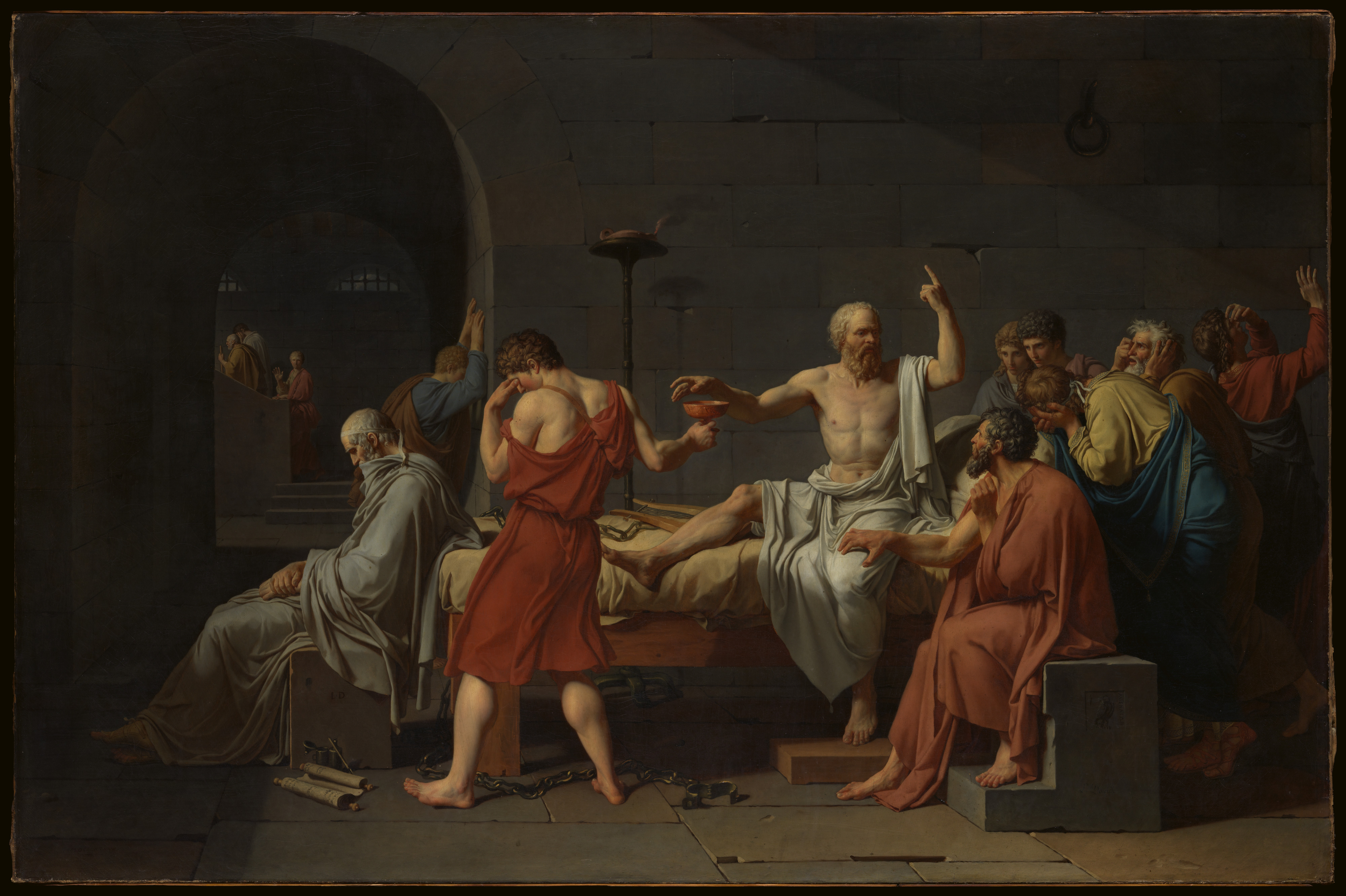
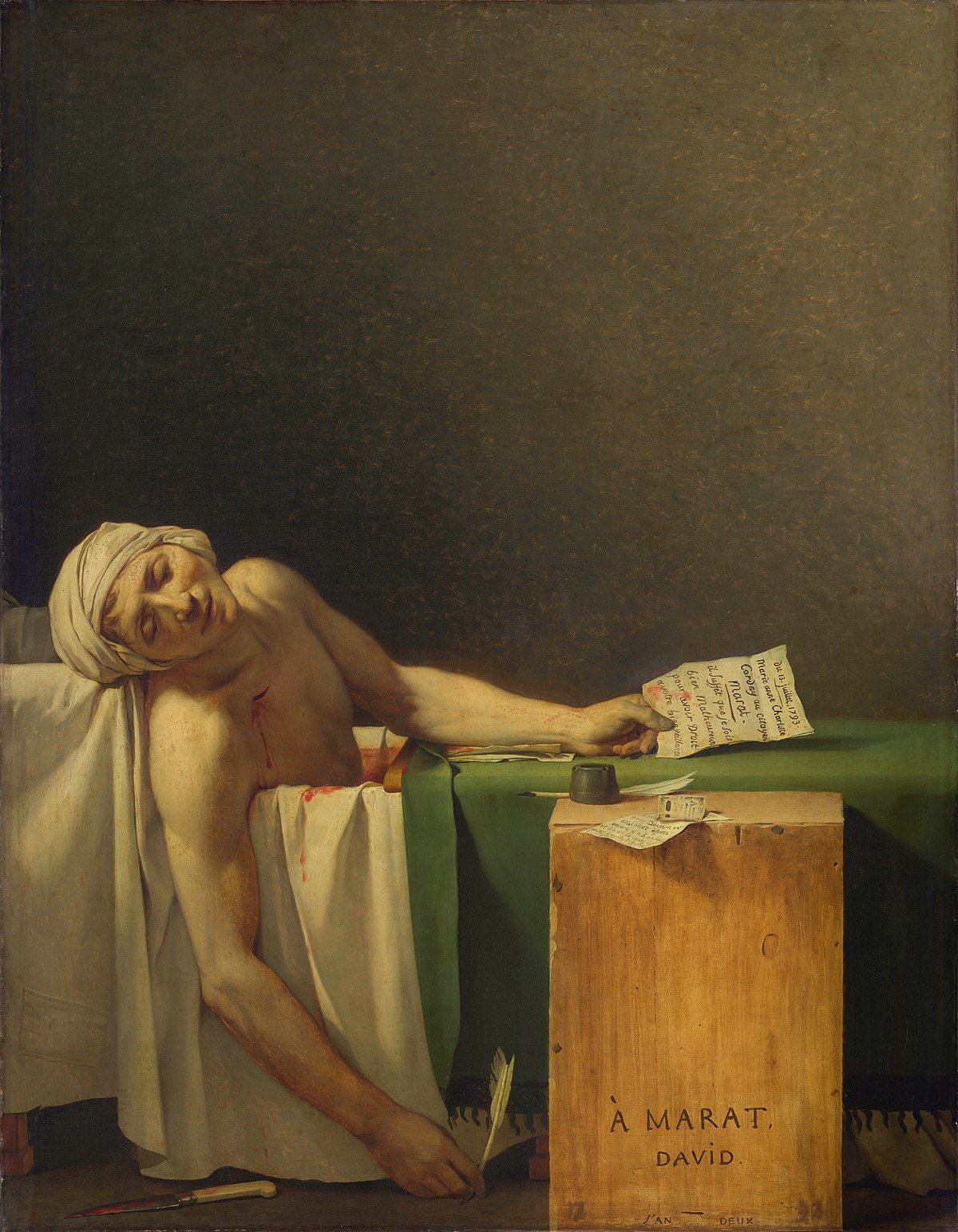
Nijedan umetnik nije otelotvoroo politicku dimenziju neoklasicizma snaznije od Zak-Luja Davida. Njegova monumentalna slika Oath of the Horatii (1784) postala je okupljajuci prikaz za republikanske ideale cak i pre nego sto je Francuska revolucija izbila 1789. Kompozicija je namerno stroga: tri brata pruzaju ruke ka macevima koje drzi njihov otac, njihova tela napeta od odlucnosti, postavljeni na strogu arhitektonsku pozadinu rimskih lukova. David je nastavio da postane virtuelni umetnickki diktator revolucionarne Francuske, organizujuci festivale, dizajnirajuci kostime i slikajuci propagandu koja je povezivala novu republiku sa vrlinama antickog Rima. Njegov portret ubijenog revolucionarnog novinara Maraa, prikazanog poput klasicnog mucenika u svojoj kadi, ostaje jedna od najmoocnijih politickih slika ikada stvorenih.
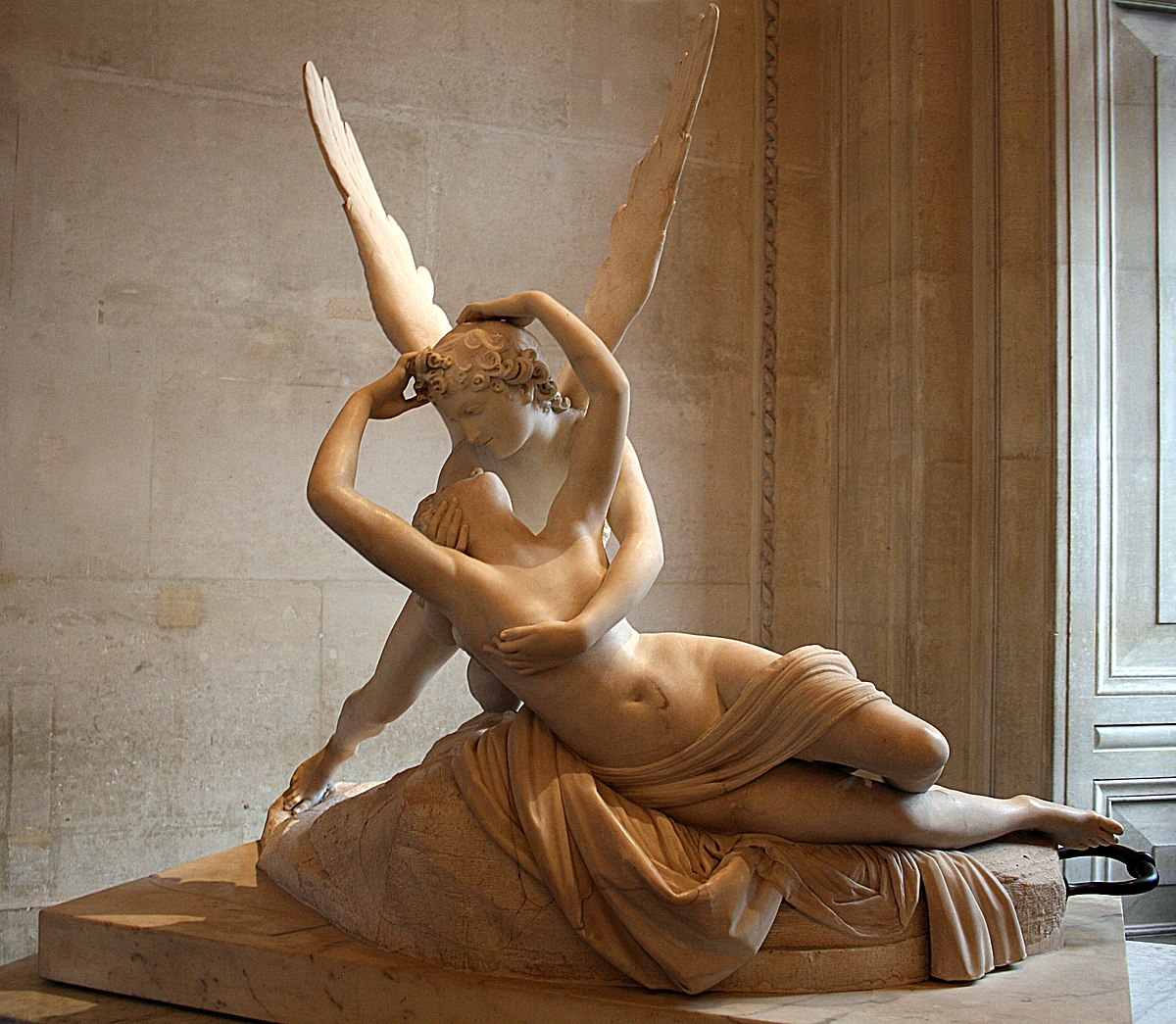
U skulpturi, Antonio Kanova postigao je izvanrednu sintezu klasicnog idealizma i culne lepote. Radeci u Rimu, Kanova je rezbaario mermer sa prefinjenoscu koja se takmicila sa antickim majstorima, pa ipak njegove figure poseduju toplinu i emocionalnu suptilnost koja prevazilazi puku imitaciju. Njegova skulptura Cupid and Psyche hvata mitoloske ljubavnike u spiralnom zagrljaju izuzetne neznosti, mermerne povrssine uglacane do svetleceg sjaja koji kao da tera kamen da dise. Kanovni slava bila je medjunarodna; sam Napoleon je narucivao dela od vajara, a njegov atelje postao je jedna od obaveznih stanica na Velikom putovanju. Njegov uticaj priostiirao se sirom Evrope, uspostavljajuci vajarski ideal koji je trajao do duboko u devetnaesti vek.
Zan-Ogist-Dominik Engr, Davidov najdarovitiji ucenik, preneo je neoklasicni naglasak na crtez i liniju do sredine devetnaestog veka, dugo nakon sto je politicki moment pokreta prosao. Engr je verovao da je crtez “postenost umetnosti”, i njegovi portreti olovkom i istorijsske slike prikazuju cistocu konture koja granici sa apstraktnim. Pa ipak, Engr nikada nije bio jednostavan klasicista. Njegove odaliske i kupacice otkrivaju fascinaciju egzoticnim temama i spremnost na iskrivljavanje anatomije radi izrazajnog efekta koja anticipira kasnija modernisticka kretanja. Vijugava ledjaa njegove Grande Odalisque, sa anatomski nemogucim visskom prslenova, pokazuju da cak i unutar racionalnog okvira neoklasicizma privlacnost emocije, culnosti i subjektivne vizije nikada nije mogla biti u potpunosti potisnuta.
Ova osnovna tenzija izmedju razuma i emocije definisala je istorijski trenutak neoklasicizma. Pokret je nastao tokom prosvetiteljstva, kada su filozofi zagovarali racionalno ispitivanje i univerzalne moralne principe, i sluzio je revolucionarnoj ambiciji da se izgradi novo drustvo samo na razumu. Pa ipak, sama intenzivnost njegove moralne vizije — strastvena posvecenost duznosti i zrtvi prikazana na Davidovim platnima — nosila je emocionalnu energiju koja je upucivala izvan klasicne suzdrzanosti. Pocetkom devetnaestog veka, mladja generacija umetnika ce zgrabiti tu emocionalnu podstruju i gurnuti je u prvi plan, radjajuci romantizam. Nasledje neoklasicizma, medjutim, traje u uverenju da umetnost nosi moralnu tezinu i da oblici proslosti mogu mocno govoriti sadasnjosti.
Spisi Johana Joahima Vinkelmana predstavljaju intelektualnu osnovu na kojoj je citav neoklasicni pokret konstruisan. Njegova Razmisljanja o imitaciji grckih dela u slikarstvu i skulpturi (1755) i Istorija umetnosti antike (1764) nisu samo opisivali anticku umetnost vec su je transformisali u estetski i moralni ideal. Vinkelmanoca proslavljeena formula, “plemenita jednostavnost i tiha velicajnost” (edle Einfalt und stille Grosse), predlagala je da sustina grcke umetnosti ne lezi u dramaticnoj ekspresivnosti vec u vedrom, idealizovanom lepoti koja prevazilazi individuualnu emociju. Njegovo uverenje da su grcki umetnici postigli savrsensstvo imitirajuci ne bilo koji pojedinacni model vec idealizovanu sintezu najlepsih prirodnih formi ustanovilo je teorijsku osnovu za neoklasicnu praksu u svim umetnostima. Vinkelmanov uticaj bio je ogroman i paradoksalan: mada sam nikada nije posetio Grcku i zasnivao je svoje teorije uglavnom na rimskim kopijama, njegovo strastveno zagovaranje stvorilo je kult antike koji je preoblikovao evropski ukus generacijama. Njegovo nasilno ubistvo u Trstu 1768. samo je pojacalo njegov legendarni status kao mucenika-proroka klasicnog idealizma.
Veliko putovanje, produzeno putovanje kroz Francusku, Italiju i ponekad Grcku koje su preduzimali imucni mladi Evropljani, narocito britanska aristokratija, odigralo je odlucujucu ulogu u sirenju neoklasicnog ukusa sirom kontinenta. Putnici su posecivali rusevine Rima, iskopavanja u Pompeji i Herkulanumu, hramove u Pestumu i kolekcije Vatikana, vracajuci se kuci sa antikvitetima, kopijama i skicenblokovima koji su podsticali potraznju za klasicnom umetnosccu, arhitekturom i dizajnom enterijera. Veliko putovanje stvorilo je medjunarodno trziste za neoklasicno slikarstvo, skulpturu i dekorativne umetnosti, i ustanovilo je Rim kao centar umetnicke zajednice koja je ukljucivala Kanovu, nemackog slikara Antona Rafaela Mengsa, skotskog arhitektu Roberta Adama i svajcarsku slikarku Angeliku Kaufman. Kulturni uticaj Velikog putovanja prostirao se daleko izvan vizuelnih umetnosti: oblikovao je knjizevnu senzibilnost, filozofski diskurs i politicku imaginaciju, ugradivsi klasicne reference toliko duboko u evropsku elitnu kulturu da su postale podrazumevani jezik gradjanskog autoriteta i javne vrline.
Neoklasicna arhitektura postigla je svoje najambicioznije i najtrajnije izraze u javnim zgradama kasnog osamnaestog i ranog devetnaestog veka, gde su klasicne forme koriscene da otelotvoore ideale republicanske vlade i gradjanskog dostojanstva. Tomas Dzeferson, sam predani klasicista koji je studirao Paladija i rimski hram u Nimu, projektovao je svoju imanje u Virdziniji Monticelo (1768-1809) kao sintezu rimske hramske arhitekture i prosvetiteljskog racionalizma, sa kupolom i tremom koji proklamuju vlasnikovo poistovecivanje sa republikanskim vrlinama antike. Dzefersonov uticaj na americku javnu arhitekturu bio je dubok: projektovao je Drzavni kapitol Virdzzinije (1788) kao direktnu adaptaciju Mezon Kare u Nimu, uspostavljajuci klasicni hram kao model za americke gradjanskke zgrade. Kapitol Sjedinjenih Americkih Drzava u Vasingtonu, koji je projektovao Vilijam Tornton a kasnije modifikovali Bendzamin Henri Latrob i Carls Bulfinc, sa monumentalnom kupolom, korintskim stubovima i skulpturalnim programom crpljenim iz rimskog presedana, postao je definissuci simbol americke demokratske vlade i najuticajnija neoklasicna zgrada na zapadnoj hemisferi.
Zan-Ogist-Dominik Engr zauzima jedinstvenu poziciju kao poslednji veliki praktikant neoklasicizma i, paradoksalno, kao vesnik modernistickih briga. Kao Davidov najbriljantniiji ucenik, Engr je nasledio majstorovu posvecenost konturi, jasnocci i supremaciji crteza nad bojom, braneci ove principe protiv romanticnog izazova Delakroa tokom gorkih akademskih rivalstava 1820-ih i 1830-ih. Pa ipak, Engrov sopstveni rad otkriva upornu tenziju izmedju klasicne discipline i culnog popustanja koja ga cini daleko slozenijim nego sto bilo koja jednostavna etiketa dozvoljava. Njegova Grande Odalisque (1814), sa anatomski nemoguce izduzenom kicmom i hladnom, porcelanskom glatkom puti, koristi klasicnu liniju u sluzbi erotizma koji podriva samu racionalnost koju navodno otelotvorava. Njegovo kasno Tursko kupatilo (1862), tondo natrpan isprepletenim nagim zenskim telima, gura ovu kontradikciju do njene granice, proizvodecci sliku preovlaadjujuce culnosti uokvirenu najrigoroznijom kompozicijskom geometrijom. Engrova opsesivna prerada istih tema decenijama, njegova spremnost da iskrivljava anatomiju zarad lepe konture i njegovo uzdizanje linije do gotovo apstraktne cistoce anticipiraju kretanja u modernoj umetnosti od Degaa i Matisa do Pikasa, koji ga je obozavao. U Engru, neoklasicizam je istovremeno dosegao svoju kulminaciju i otkrio unutrasnje tenzije koje ce ga na kraju rastvoriti.