Dadaizam je eruptirao u Cirihu 1916. kao krik gnusanja prema katastrofi Prvog svetskog rata i racionalnoj, progresivnoj civilizaciji koja ga je proizvela. Dok su vojske Evrope klale jedne druge kod Verdena i na Somi — industrijalizovano krvoprolice razmera koje ranije nisu bile zamislive — grupa umetnika emigranata, pesnika i performera okupila se u malom baru na Spiglelgase koji su nazvali Kabare Volter, po prosvetiteljskom filozofu cija je vera u razum sada delovala gorko ironicno. Hugo Bal, nemacki pesnik i prigovarac savesti, osnovao je kabare 5. februara 1916, zajedno sa svojom partnekom Emi Henings, pevacicom i pesnikinjom. Njima su se brzo pridruzili rumunski pesnik Tristan Cara, alzaski umetnik Zan (Hans) Arp, rumunski umetnik Marcel Zanko i nemacki pesnik Rihard Hilzenbek. Ono sto se pojavilo iz ovog neverovatnog okupljanja — simultana citanja poezije na vise jezika, africko bubnjanje, muzika buke, bizarni kostimi i provokativne deklaracije — nije bio novi umetnicki stil vec sveobuhvatni napad na sam koncept umetnosti.
Ime “Dada” savrseno je otjelotvorilo posvecenest pokreta apsurdu i anti-znacenju. Postoje visestruke price o poreklu, svaka namerno kontradiktorna: Bal je tvrdio da je rec slucajno nasao u francusko-nemackom recniku, gde znaci “konjic za ljuljanje”; Cara je insistirao da je izabrana zbog svoje besmislenosti; Hilzenbek je kasnije rekao da je izabrana upravo zato sto ne znaci nista ni na jednom jeziku, mada na rumunskom “da, da” znaci “da, da.” Sama nemogucnost utvrdjivanja porekla reci je, za dadaiste, bila poenta: u svetu gde su razum, napredak i nacionalni identitet doveli do rovova, besmislenost je bila jedini posten odgovor. Cara je kodifikovao ovu filozofiju u svom Dada Manifestu iz 1918, izjavivsi: “Dada ne znaci nista… Zelimo da promenimo svet nicim.” Sam manifest je bio karakteristicno samoprotiurecan, proglasavajuci manifeste bezvrednima dok funkcionise kao jedan, napadajuci sve principe dok implicitno promovishe sopstvene — paradoks koji su dadaisti prihvatili sa odusevljenjem.
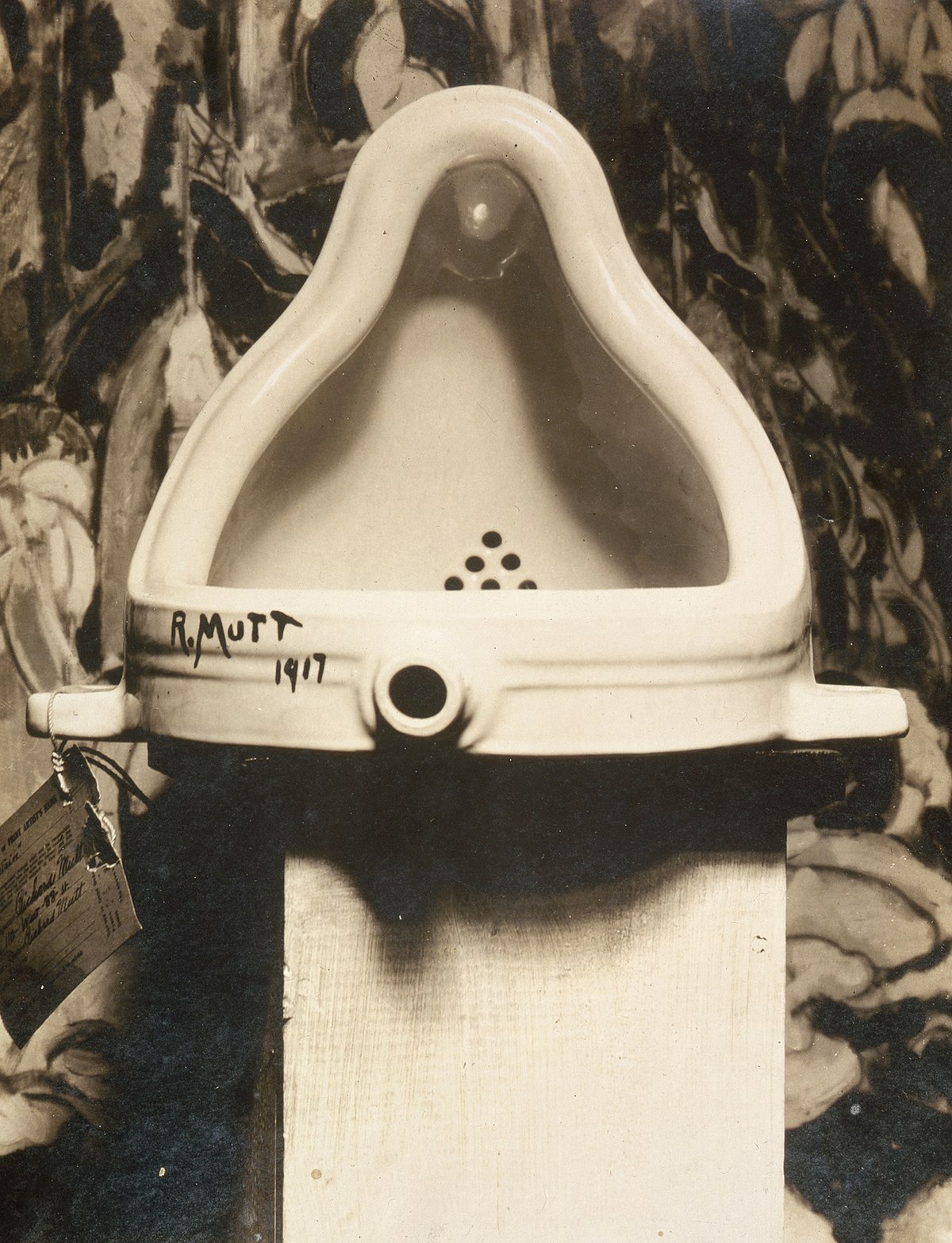
Njujorska Dada, koja se razvila nezavisno i gotovo istovremeno, bila je dominirana dvema figurama ciji ce se doprinosi pokazati jos znacajnijim od onih ciriske grupe: Marsel Disan (1887-1968) i Man Rej (1890-1976). Disan, francuski umetnik koji je stigao u Njujork 1915. vec ozloglasan zbog svog Nude Descending a Staircase (koji je sablaznio Armori Sou 1913), razvio je koncept “redimejda” — masovno proizvedenog, komercijalno proizvedenog objekta koji umetnik bira i ozuncava kao umetnost samim cinom izbora. Njegov Bicycle Wheel (1913), tocak montiran naopako na kuhinjsku stolicu, i Bottle Rack (1914), nemodifikovana pocincana gvozdena stalaza za flaše, bili su privatni gestovi; ali Fountain (1917), porculanski pisoar kupljen od fabrike J.L. Mott Iron Works, potpisan “R. Mutt” i podnet na izlozbu Drustva nezavisnih umetnika, bio je proracunata javna provokacija. Kada je komisija odbila delo, Disan je podneo ostavku u znak protesta, a usledjela kontroverza je postavila pitanje koje ce dominirati umetnickim diskursom do kraja veka: ako bilo koji objekat moze biti proglsaen umetnosccu, sta definise umetnost? Odgovor koji je Disan predlozio — da umetnost ne pociva u zanatstvu ili estetskoj lepoti vec u konceptualnom cinu umetnika — postavio je filozofski temelj za konceptualnu umetnost, Fluksus, Pop art i gotovo svaki kasniji izazov tradicionalnim umetnickim kategorijama.
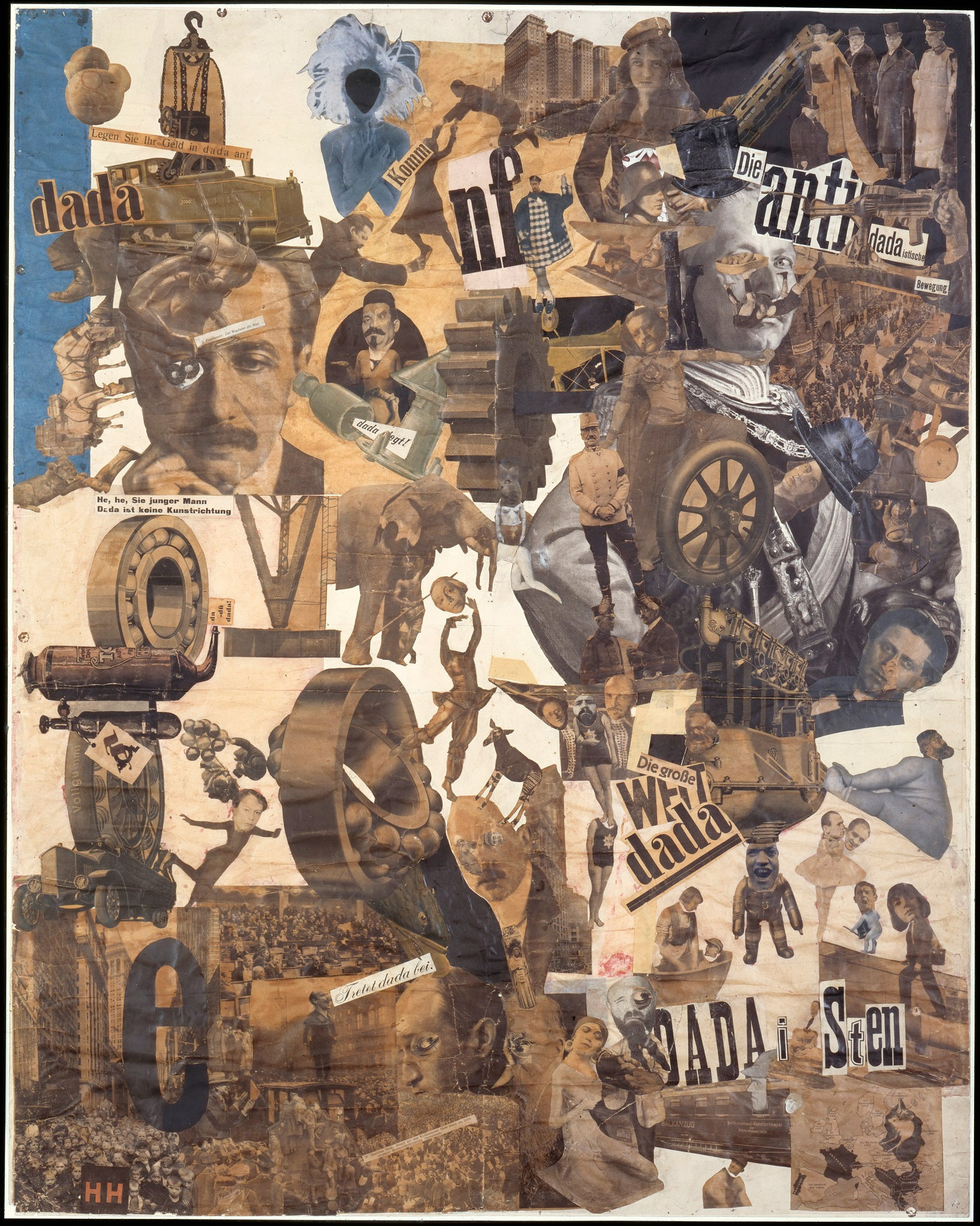
Berlinska Dada, koja je cvitala od 1918. do 1920, bila je politicki najradikalnija grana pokreta. Delujuci u zapaljivoj atmosferi Novembarske revolucije, propasti Kajzerraha, Spartakistickog ustanka i osnivanja Vajmarske republike, berlinski dadaisti — ukljucujuci Raula Hausmana, Hanu Hoh, Dzona Hartfilda (rodjen Helmut Hercfeld, koji je poenglezio ime u znak protesta protiv nemackog nacionalizma), Dzordza Grosa i Hilzenbeka — razvili su fotomontazu kao oruzje politicke kritike. Monumentalna Cut with the Kitchen Knife Dada through the Last Weimar Beer-Belly Cultural Epoch of Germany (1919-1920) Hane Hoh sastavila je fragmente fotografija, novinske naslove, delove masina i portrete politicara, umetnika i revolucionara u vrtlozu kaleidoskopske kompozicije koja je istovremeno satirizovala politicko chaos Vajmarske Nemacke i slavila emancipatorske mogucnosti Dade i Nove Zene. Hartfild je razvio fotomontazu u najrazorniji instrument antifasisticke propagande 1930-ih, njegove naslovnice za casopis AIZ (Arbeiter Illustrierte Zeitung) koristile su besprekorne fotografske manipulacije da razotkriju brutalnost iza nacisticke retorike sa preciznoscu i zestinom koje zadrzavaju svoju moc do danas.
U Kelnu, Maks Ernst (1891-1976) i Johanes Teodor Bargeld organizovali su dada izlozbe namerne provokacije — jednoj u 1920. se moglo pristupiti samo kroz muski pisoar — dok je Ernst razvio tehniku kolaza koristeci viktorijanske gravire i naucne ilustracije za stvaranje uznemirujucih, sanjolikih kompozitnih slika koje su anticipirale nadrealizam. U Hanoveru, Kurt Sviters (1887-1948), odbacen od berlinskih dadaista jer je bio nedovoljno politican, kreirao je sopstveni jednoclani pokret koji je nazvao “Merc” (slog izvucen iz reci Kommerc u fragmentu kolaza). Svitersovi Merc kolazi su slagali karte, omote slatkisa, kanap, tkaninu, zicu i drugi urbani otpad u kompozicije iznenadujuce formalne elegancije, tretitajuci odbacene fragmente potrosackog drustva sa istom kompozicionom strogoscu koju je kubisticki kolaz primenio na novine i tapete. Njegovo remek-delo, Merzbau — imerzivno, neprestano rastuie skulpturalno okruzenje koje je postepeno progutalo njegov hanoveriski atelje tokom vise od jedne decenije — bio je proto-instalacija koja je granicu izmedju umetnosti i zivota pretvorila u totalno okruzenje. Tragicno unisten u saveznickom bombardovanju 1943, Merzbau prezivljava samo na fotografijama, mada je Sviters zapoceo dve naknadne verzije u Norveskoj i Engleskoj pre smrti.
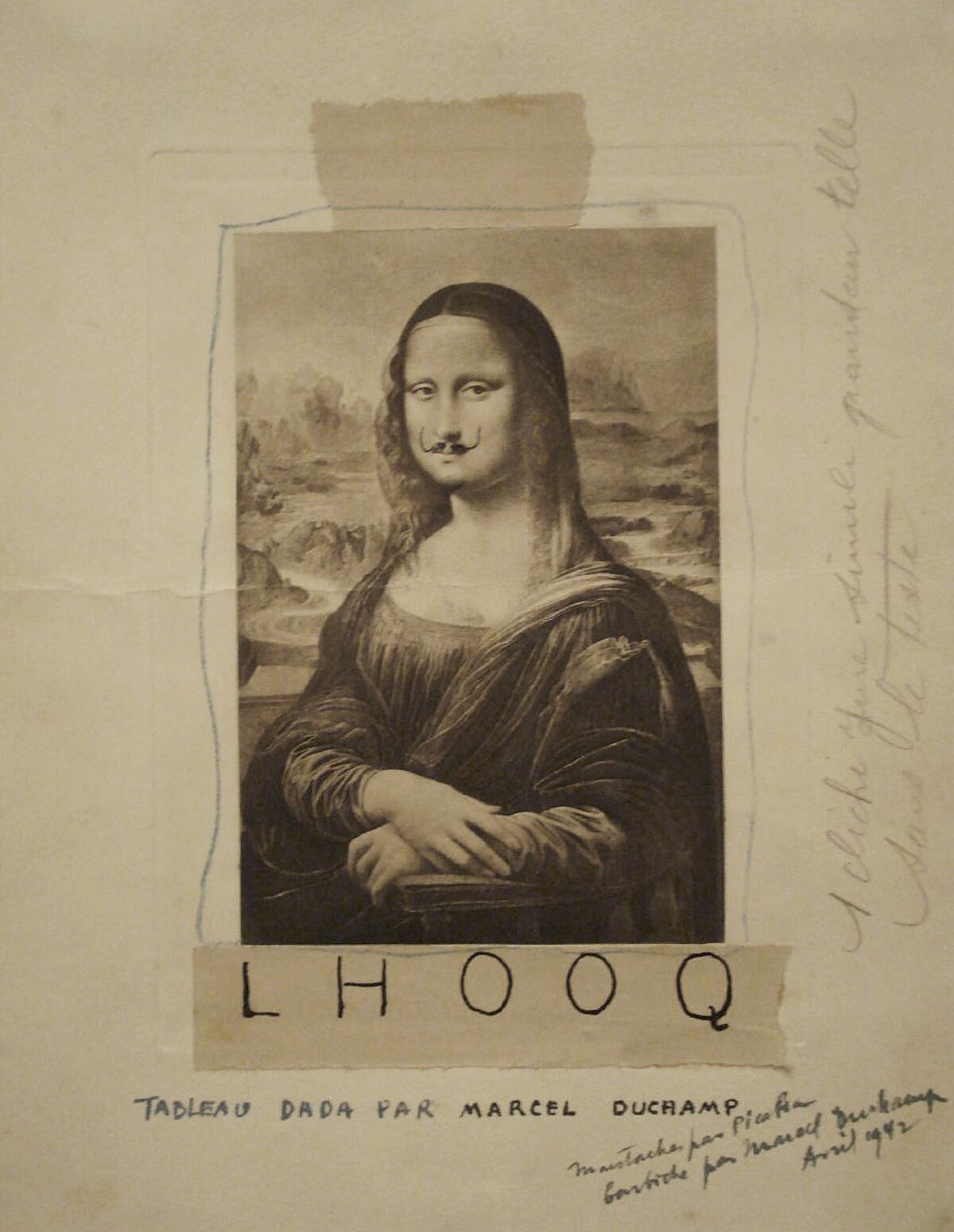
Prelaz sa Dade na nadrealizam, koji se odigrao u Parizu izmedju 1922. i 1924, bio je i nastavak i transformacija. Andre Breton, koji je ucestvovao u pariskim dada aktivnostima zajedno sa Carom, Disanom i Fransisom Pikabijom, postao je frustriran onim sto je percipirao kao cisto destruktivnu negativnost Dade i pokusao je da usmeri njene anarhicne energije ka konstruktivnijem istrazivanju nesvesnog uma. Njegov Nadrealisticki manifest iz 1924. eksplicitno je priznao Dadu kao pretecu nadrealizma dok je proglasavao da je trenutak ciste negacije prosao — da iracionalne sile koje je Dada oslobodila sada moraju biti sistematski istrazivane kroz automatsko pisanje, analizu snova i negovanje cudesnog. Nekoliko kljucnih dada figura — Ernst, Arp, Man Rej — presiLo je neprimedceno, dok su drugi — Disan, Pikabija, Sviters — odrzali svoju nezavisnost. Sam Cara se konacno pridruzio nadrealistickoj grupi 1929, mada je njegov odnos sa Bretonom ostao sporan.
Nasledje Dade u savremenoj umetnosti je neizmerljivo i nastavlja da se siri. Redimejd je otvorio vrata svakom kasnijem obliku aproprijacije, od Pop artovog prihvatanja komercijalne slike do Dzefa Kunsovog izlaganja usisivaca u vitrinama. Fotomontaza je postala dominantni vizuelni jezik politickog protesta, od Hartfildove antinacisticke propagande preko pank estetike Dzejmija Rida za grafiku Sex Pistolsa do digitalne manipulacije slika dvadeset prvog veka. Performans umetnost, konceptualna umetnost, mejl art, Fluksus, Situacionisticka internacionala, pank rok, kulurno dzemeovanje — svi prate svoju lozu direktno do Kabarea Volter i njegovog insistiranja da umetnost nije dragocena roba vec subverzivan cin. Mozda najdublje, centralno pitanje Dade — “Sta je umetnost i ko odlucuje?” — ostaje fundamentalno pitanje savremene umetnicke prakse, nereseno i produktivno danas koliko i kada je Marsel Disan postavio pisoar na postolje i izazvao svet da gleda.