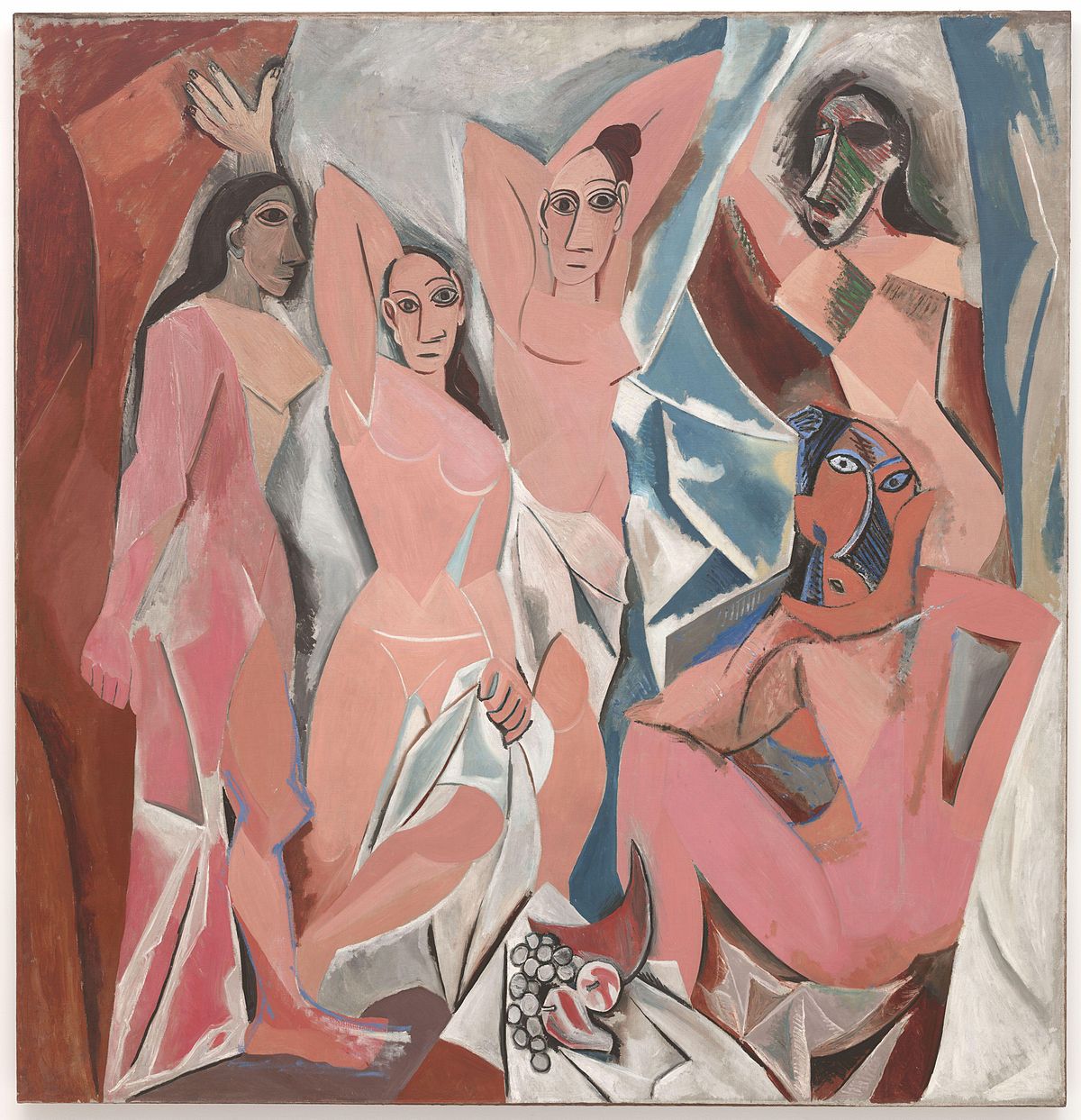
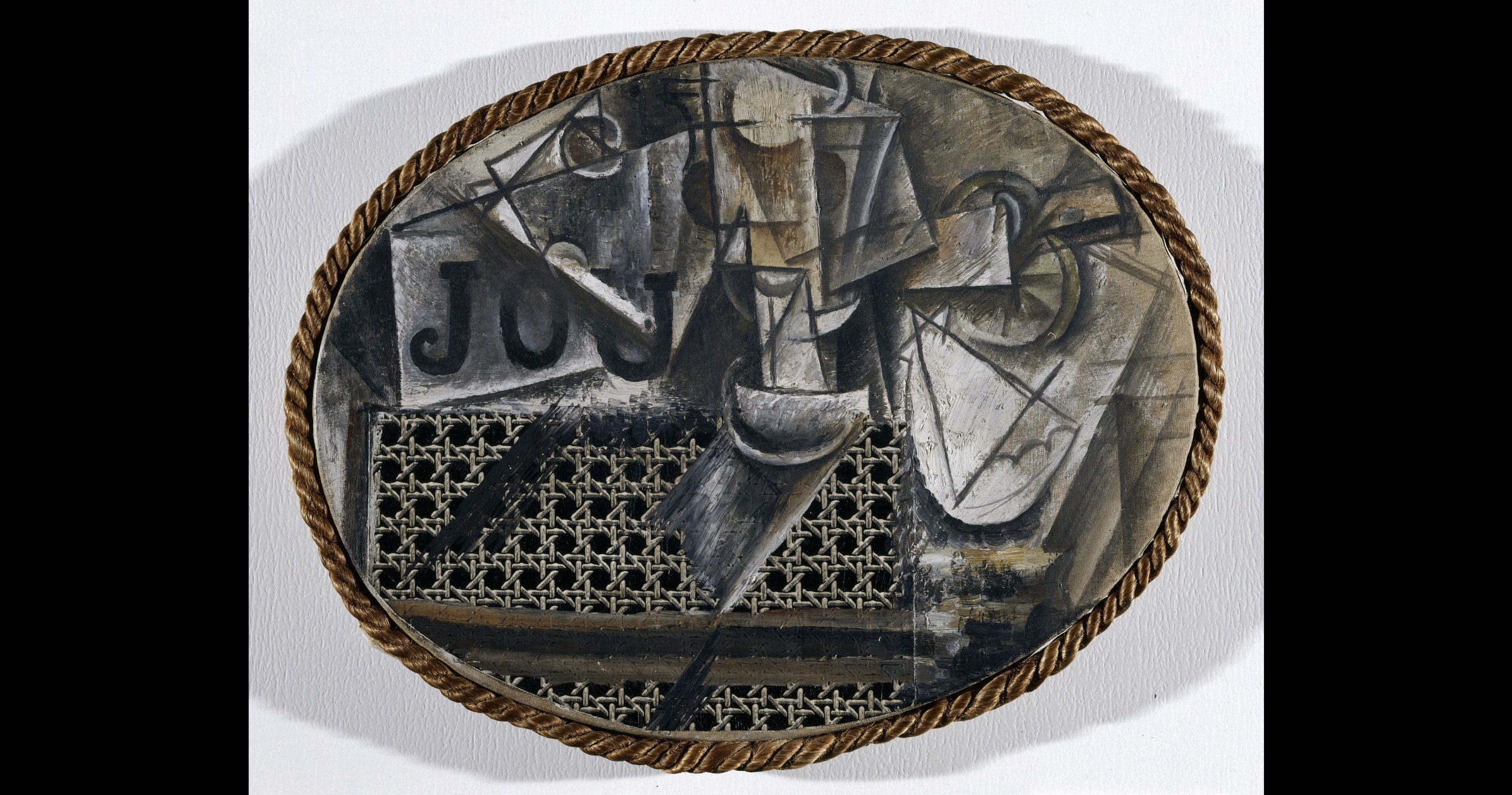
Kubizam je poceo jednom jedinom, eksplozivnom slikom. Godine 1907, Pablo Pikaso je predstavio Les Demoiselles d’Avignon uskom krugu prijatelja u svom ateljeu na Montmartru. Platno je prikazivalo pet golih zena u bordelu, njihova tela razlomljena u uglaste, geometrijske krhotine, a dva lica prikazana kao africke maske supljh ociju i oskarenih crta. Slika je uzasnula cak i Pikasove najblize saveznike. Anri Matis je mislio da je sala; Zorz Brak je rekao da gledanje u nju je kao “piti benzin i pljuvati vatru.” Pa ipak, Brak je takodje bio fasciniran, i u roku od nekoliko meseci dvojica umetnika su zapocela intenzivnu saradnju koja ce fundamentalno preoblikovati vizuelne umetnosti. Pikaso je kasnije rekao da su bili “kao dva planinara povezana uzem”, gurajuci jedan drugog ka sve radikalnijem rusenju tradicionalne perspektive i reprezentacije.
Pokret koji se pojavio oslanjao se na dva kljucna izvora. Prvi je bila umetnost Pola Sezana, koji je pokazao da se prirodni oblici mogu analizirati u geometrijske ravni i da slika moze priznati sopstvenu ravnost a da i dalje evocira trodimenzionalni prostor. Drugi je bila africka i iberska skulptura, koja je demonstrirala da snazno umetnicko izrazavanje ne zahteva zapadnu tradiciju naturalisticke reprezentacije. Pikasov susret sa africkim maskama u Trokadero etnoloskom muzeju u Parizu bio je otkrovenje: u njima je video konceptualni pristup ljudskom obliku koji je oslobodio umetnika od tiranije privida. Iz ovih dvojnih inspiracija, Pikaso i Brak su razvili slikarski jezik u kojem su objekti razlazeni i ponovo sklapani iz vise tacaka gledista istovremeno, kao da posmatrac hoda oko subjekta i vidi svaki ugao odjednom.
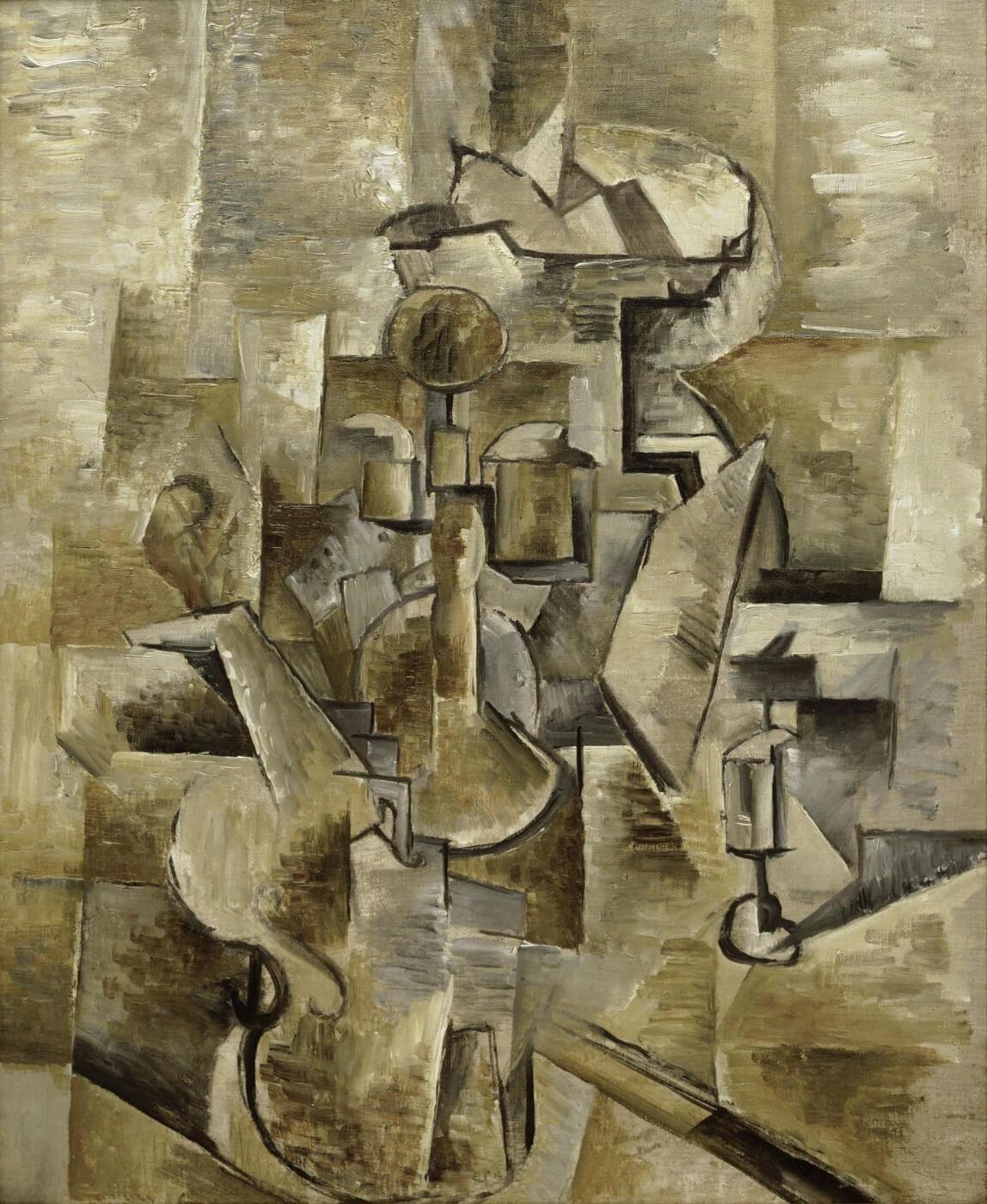
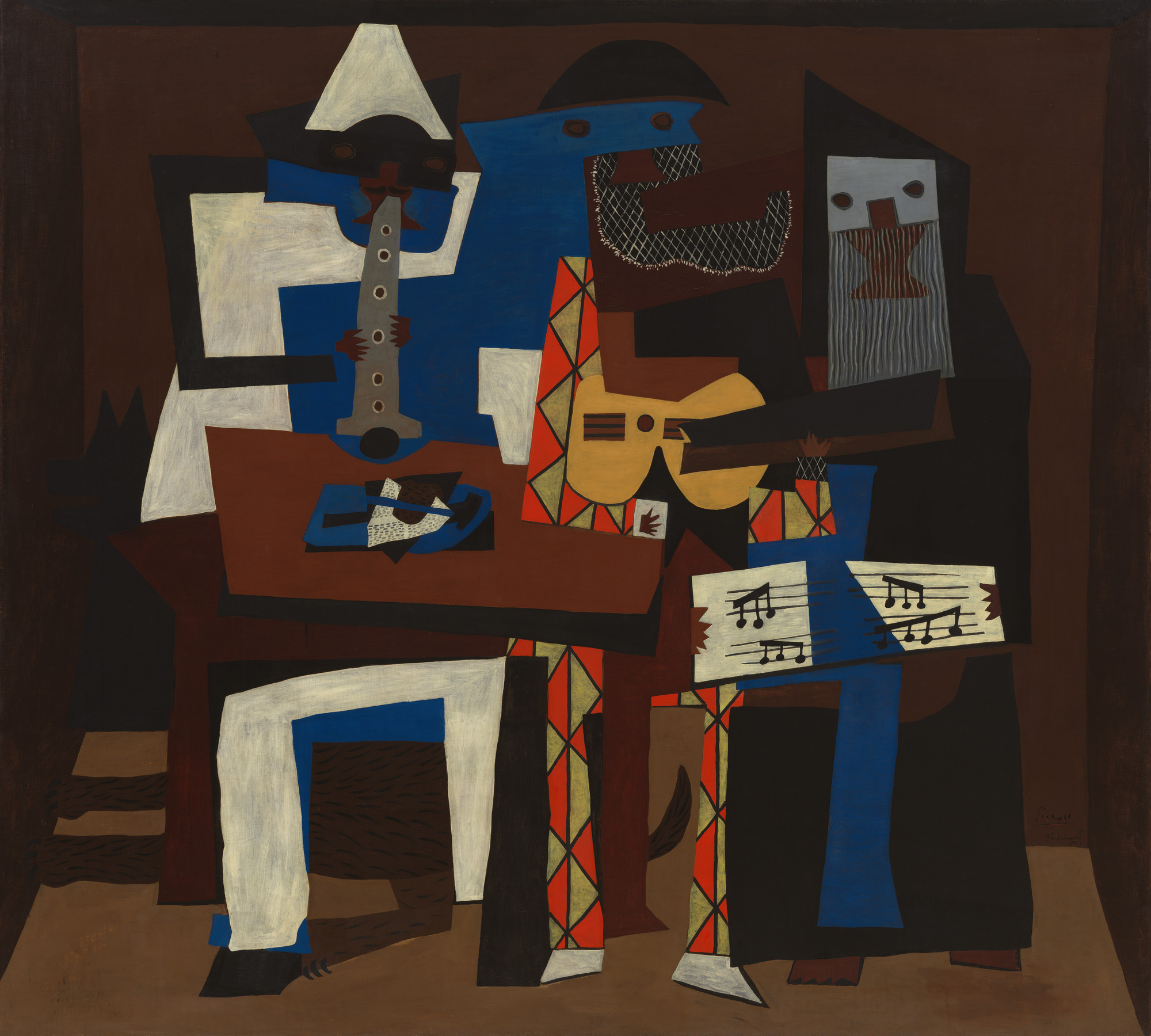
Istoricari umetnosti obicno dele kubizam u dve faze. Analiticki kubizam, koji je dominirao od otprilike 1909. do 1912, ukljucivao je sistematsku fragmentaciju objekata u preklapajuce, poluprozirne ravni izvedene u suzdrzanoj paleti sivih, braon i oker tonova. Slike iz ovog perioda, poput Brakove Violin and Candlestick, mogu biti teske za tumacenje; subjekt kao da se rastvara u treperavu mrezu faseta koje se stapaju sa okolnim prostorom. Sinteticki kubizam, koji se pojavio oko 1912. i nastavio do 1920-ih, preokrenuo je proces. Umesto da razlazu objekte, umetnici su gradili slike od ravnih, obojenih oblika i uvodili elemente kolaza — isecke iz novina, tapete, muzicke partiture i druge materijale iz svakodnevnog zivota zalepljene direktno na platno. Ovaj izum papje kolea (zalepljenog papira) i kolaza bio je mozda revolucionarniji od prostornih inovacija kubizma, uspostavljajuci da umetnost moze ukljucivati bilo koji materijal i brisuci granicu izmedju reprezentacije i stvarnosti.
Uticaj kubizma je sezeao daleko izvan slikarstva. U skulpturi, umetnici poput Aleksandra Arhipenka i Zaka Lipcica pretocili su kubisticku fragmentaciju u tri dimenzije, stvarajuci figure probijene prazninskim i sastavljene od ukrstenih ravni. U arhitekturi, ceski kubisticki pokret je proizveo zgrade sa fasetkiranim fasadama koje kao da kristalizuju urbani pejzaz. Pokret je takodje duboko uticao na graficki dizajn, tipografiju i modu, sireci geometrijski vizuelni recnik koji je postao sinonim za modernost. Fernan Leze je primenio kubisticke principe na scene modernog industrijskog zivota, stvarajuci robusnu estetiku masinskog doba. Huan Gris je doneo uredniju, koloritniju preciznost sintetickom kubizmu, dok su Robert i Sonja Delone gurali kubisticku fragmentaciju ka cistoj apstrakciji svojim radijantnim, bojom zasicenim kompozicijama.
Vise od bilo koje specificne stilske odlike, trajni doprinos kubizma bila je ideja da slika ne mora biti prozor u svet. Razbijajuci jednoperspektivnu tacku gledista koja je vladala zapadnom umetnosccu od renesanse, Pikaso i Brak su demonstrirali da se slikarski prostor moze iznova izmisliti od temelja. Ovo oslobodjenje je otvorilo brane za gotovo svaki apstraktni i nereprezentativni pokret koji je usledio, od futurizma i konstruktivizma do De Stijla i dalje. Kubisticka revolucija je takodje uspostavila novi model za umetnicku inovaciju: avangardu kao neumorno preispitivanje nasledjenih pretpostavki, spremnost da se razore poznati oblici u cilju otkrivanja novih nacina vidjenja.
Progresija od analitickog do sintetickog kubizma predstavlja jednu od najznacajnijih unutrasnjih evolucija u istoriji moderne umetnosti. U analitickoj fazi, Pikaso i Brak su gurali fragmentaciju do takvih ekstrema da su njihovi subjekti postali gotovo neprepoznatljivi: Pikasov Portrait of Daniel-Henry Kahnweiler (1910) rastvara trgovca umetninama u kristalnu resetku fasetkranih ravni, dok Brakovo delo The Portuguese (1911) uvodi sablonirana slova i brojeve kao tacke sidrenja usred vizuelne slozenosti. Do 1912, oba umetnika su osetila da su dostigla granice analitickog rastakanja i pocela su da menjaju kurs. Brakovo Fruit Dish and Glass (1912), koje je ukljucivalo komad tapete sa uzorkom drveta zalepljen na platno, inaugurisalo je tehniku papje kolea i oznacilo prelaz ka sintetickom kubizmu. U ovoj novoj fazi, dela poput Pikasove Still Life with Chair Caning (1912) i Grisovog Breakfast (1914) gradila su slike od ravnih, preklapajucih oblika jarke boje, dekorativnih paterna i kolaziranih materijala, konstruisuci a ne dekonstruisuci vizuelnu stvarnost i ponovo uvodecu razigrani citljivost koju je analiticki kubizam namerno zrtvovao.
Kubisticka skulptura je otvorila potpuno novo poglavlje u istoriji trodimenzionalne umetnosti. Pikasova Guitar (1912), konstruisana od lima i zice umesto klesana ili modelovana, zamenila je tradicionalnu skulptursku masu otvorenom, montiranom strukturom ravnih povrsina i praznih prostora, efektivno pretvarajuci prostornu logiku kubistickog slikarstva u tri dimenzije. Ovo jedno delo je uvelo princip konstruisane skulpture koji ce dominirati praksom dvadesetog veka. Zak Lipcic je stvarao figurativne bronze od ukrstenih geometrijskih volumena, poput Man with a Guitar (1915), koji poseduju arhitektonsku solidnost ostajuci verni kubistickim principima visestrukih tacaka gledista. Aleksandar Arhipenko je otisao dalje, klesajuci konkavnosti gde su se ocekivale konveksnosti i koristeci prazan prostor kao pozitivan formalni element, kao u njegovoj Walking Woman (1912), koja zamenjuje torzo figure prazninom. Anri Lorens, Rejmon Diasan-Vijon i Osip Zadkin dalje su prosirili recnik kubisticke skulpture, demonstrirajuci da prostorna revolucija pokreta nikako nije bila ogranicena na ravno platno.
Izvan uskog kruga Pikasa i Braka, kubizam je generisao konstelaciju povezanih pokreta koji su prosirili njegove principe u novim pravcima. Robert Delone i njegova supruga Sonja Delone razvili su orfizam, ponekad nazivan orficki kubizam, koji je zamenio priguenu paletu analitickog kubizma prizmaticnom, vibrantnom bojom i kretao se ka cistoj apstrakciji. Robertova serija Simultaneous Windows (1912) je razlomila poglede na Ajfelovu kulu u kaleidoskopska polja ukrstenih ravni boja, dok je Sonja Delone primenila slicne principe na dizajn tekstila, modu i knjizevnu umetnost, anticipirajuci interdisciplinarni domasaj kasnijeg modernizma. Grupa Section d’Or (Zlatni presek), koja je ukljucivala Gleza, Mecenzea, Lezea i bracu Disan, organizovala je prelomnu izlozbu 1912. u Parizu koja je predstavila kubizam siroj publici i objavila prvi teorijski traktat o pokretu, Du “Cubisme” Gleza i Mecenzea, kodifikujuci njegove principe za medjunarodnu citalacu publiku.
Uticaj kubizma na arhitekturu, dizajn i primenjene umetnosti pokazao se jednako dalekosezan koliko i njegova transformacija slikarstva i skulpture. U Pragu, izuzetna grupa arhitekata i dizajnera razvila je ceski kubizam izmedju 1911. i 1914, proizvodecu zgrade sa fasetiranim, kristalnim fasadama, poput Gocarove Kuce kod Crne Majke Bozije, i dizajnirajuci namestaj, keramiku i svetiljke sa uglastim, prizmatickim formama koje ostaju jedinstvene u istoriji dizajna. Le Korbizje, najuticajniji arhitekta dvadesetog veka, apsorbovao je kubisticke principe tokom svojih ranih godina u Parizu i pretocio ih u arhitektonske termine: njegova ideja “promenade architecturale”, u kojoj se zgrada otkriva kroz visestruke perspektive dok se posetilac krece kroz nju, fundamentalno je kubisticka po koncepciji. U grafickom dizajnu, kubisticka fragmentacija i tehnike kolaza transformisale su plakatnu umetnost, tipografiju i reklamu tokom 1920-ih i 1930-ih, sireci vizuelni jezik pokreta u tkivo svakodnevnog modernog zivota.