Godine 1924, francuski pesnik Andre Breton objavio je prvi Manifeste du surrealisme, proglasavajuci cilj pokreta da razresi “prethodno protivrrecne uslove sna i stvarnosti u apsolutnu stvarnost, nad-stvarnost.” Breton, duboko pod uticajem Sigmunda Frojda i njegovih teorija o nesvesnom, tvrdio je da je racionalna misao osiromasila ljudsko iskustvo i da pravo oslobodjenje lezi u pristupanju dubljim slojevima uma kroz snove, slobodne asocijacije i automatsko pisanje. Nadrealizam nikada nije bio samo estetski program; zamisljenm je kao revolucionarni projekat transformacije same svesti. Pokret je privukao slikare, pesnike, filmske stvaraoce i fotografe koji su delili uverenje da cudesno vreba odmah ispod povrsine svakodnevnog zivota, cekajuci da bude oslobodjeno.
Nadrealisti su razvili dva siroka vizuelna pristupa. Prvi je bio automatizam: pustanje ruke da se slobodno krece po platnu bez svesnog usmeravanja, proizvodeeci biomorfne oblike i neocekivane kompozicije koje su navodno zaobilazile racionalnu kontrolu. Umetnici poput Andrea Masona i Zoana Miroa prihvatili su ovaj pristup, stvarajuci platna tecnih, organskih formi koje kao da izranjaju iz neke praiskonske kreativne energije. Maks Ernst izumeo je srodne tehnike poput frotaza (trljanja) i grataza (struganja), koristeci slucajne procese da generise slike koje svesni um nikada ne bi zamislio. Drugi pristup bio je pedan-tanno prikazivanje nemogucih ili sanjalackih scena sa preciznoscu akademskog realizma, stvarajuci ono sto je Dali nazvao “rucno naslikane fotografije snova.” Ovaj pristup proizveo je neke od najikonicnijih slika nadrealizma — slike toliko tehnicki uglacane da se njihov bizaran sadrzaj cini uznemirujuuce uverljivim.
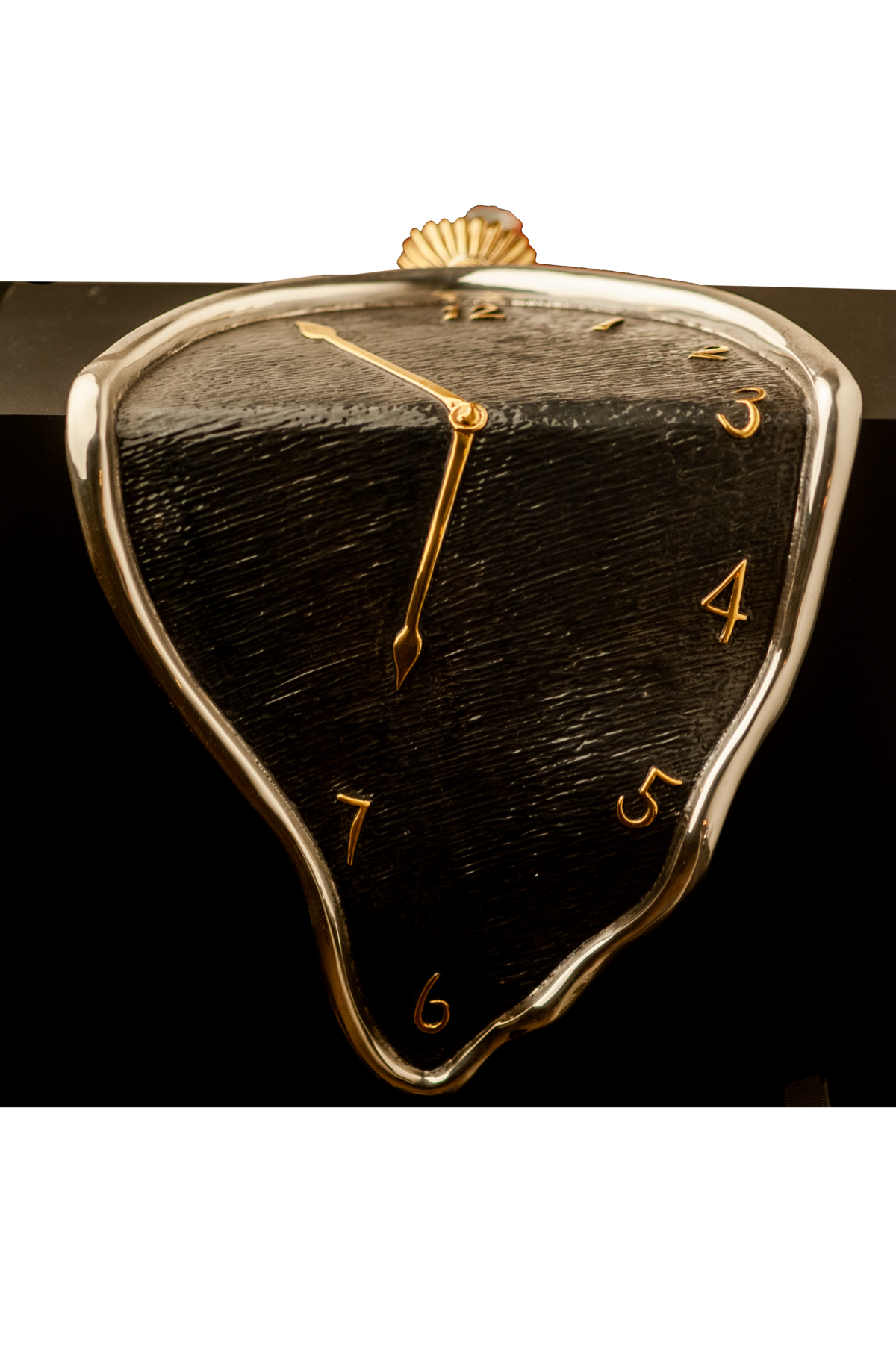
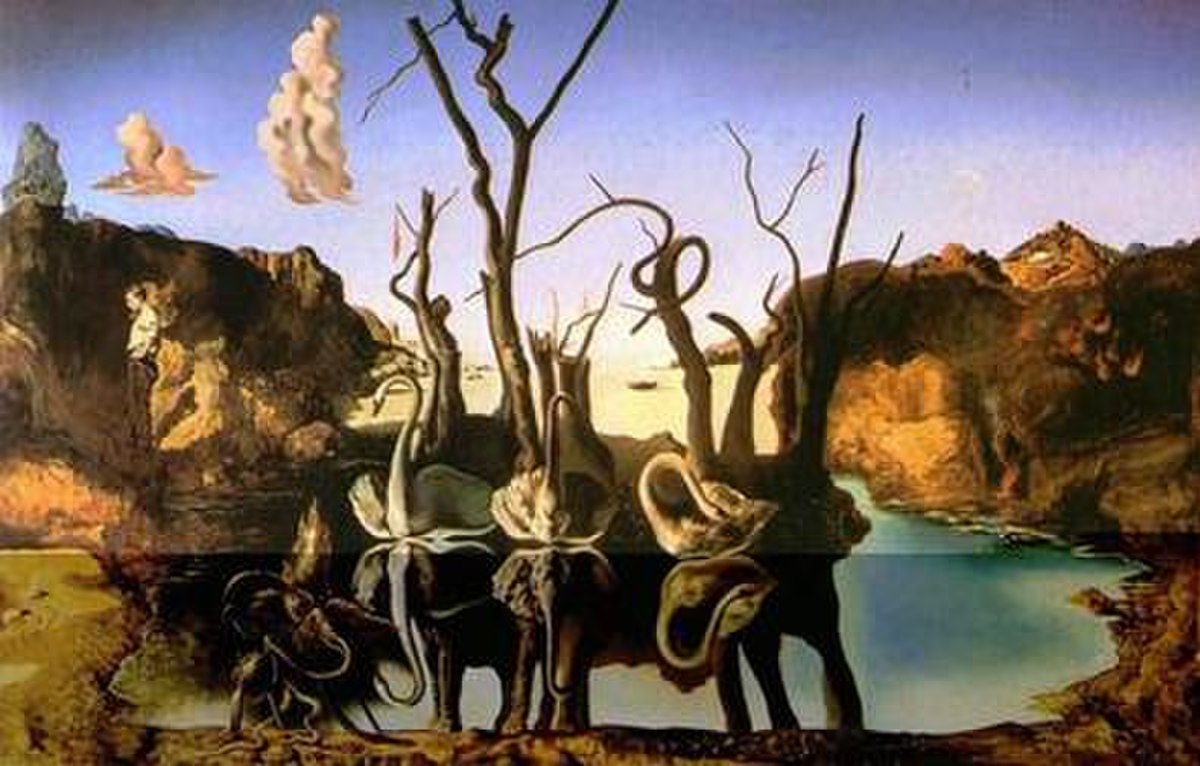
Salvador Dali postao je najslavniji i najkontroverzniji prakticar pokreta. Njegov “paranoicko-kriticki metod”, koji je opisao kao spontani proces iracionalnog znanja zasnovan na interpretativno-kritickoj asocijaciji deliricnih fenomena, podrazumevao je negovanje stanja samoizazvane paranoje radi generisanja halucinantnih vizija. The Persistence of Memory (1931), sa satovima koji se tope prebaaceni preko pustog pejzaza, kondenzuje ovaj pristup u jednu nezaboravnu sliku: samo vreme postaje meko, savitljivo, podlozno iskrivljenjima uma koji sanja. Dalijeva virtuozna tehnika, nasledjena od starih majstora koje je obozavao, daje njegovim nemogucim scenarijima uznemirujucu konkretnost. Njegova neumorna samopromocija i sve reakcionarnija politika na kraju su dovele do njegovog iskljucenja iz nadrealisticke grupe, ali su se njegove slike trajno usadile u popularnu kulturu.
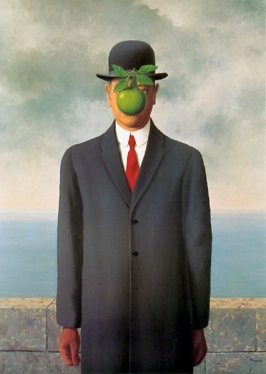
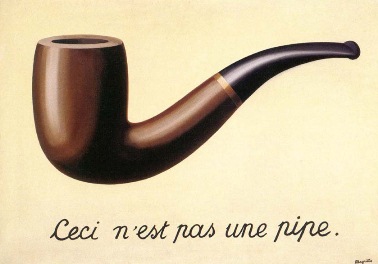
Rene Magrit, radeci u Briselu, zauzeo je hladniji, filozofskiji pristup nadrealizmu. Njegove slike predstavljaju poznate predmete u nemogucim kombinacijama ili kontekstima, naslikane namerno obicnim, gotovo anonimnim stilom koji njihovu cudnost cini utoliko uznemirujucom. U The Son of Man (1964), covek u tamnom kaputu i sesiru stoji pred niskim zidom sa morem iza sebe, ali zelena jabuka lebdi ispred njegovog lica, zakrivajuci mu identitet. Magrit je opisao sliku kao prikaz sukoba izmedju vidljivog i skrivenog. Njegovo najpoznatije delo, The Treachery of Images, prikazuje lulu ispod natpisa “Ceci n’est pas une pipe” (“Ovo nije lula”) — jednostavna ali duboka meditacija o jazu izmedju reprezentacije i stvarnosti. Dok je Dali zatrpavao posmatraca halucinantnim eksceosom, Magrit je koristio filozofsku duhovitost i bezizraznu preciznost da otkrije cudnost skrivenu unutar obicnog.
Uticaj nadrealizma prostire se daleko izvan galerije. Film Un Chien Andalou (1929) Luisa Bunjuela i Dalija pomogao je da se uspostavi tradicija nadrealistickog filma koja nastavlja da oblikuje eksperimentalnu i mejnstrim kinematografiju. Fotografije Man Reja, sa njihovim solarizacijama i rejografima, prosirile su kreativne mogucnosti medijuma. Pokret je takodje duboko uticao na reklamu, modu i graficki dizajn, gde su nadrealisticko supostavljanje i imaginerija snova postali standardni vizuelni alati. Kada je Drugi svetski rat naterao mnoge nadrealiste u egzil u Njujork, oni su direktno uticali na nastajuci pokret apstraktnog ekspresionizma, prenoseci koncept automatizma umetnicima poput Dzeksona Poloka i Roberta Madervela. Nadrealizam je demonstrirao, mozda snaznije nego bilo koji drugi moderni pokret, da masta nije beg od stvarnosti vec dublje angazovanje sa njom.
Dva glavna nacina nadrealisticke vizuelne prakse, veristicki i automatisticki, predstavljaju fundamentalno razlicite teorije o tome kako se nesvesno otkriva. Veristicki nadrealizam, koji su najcesce praktikovalli Dali i Magrit, ali i Iv Tangi, Pol Delvo i Dorotea Taning, koristio je pedantne tehnike akademskog realizma za prikazivanje imaginerije snova sa halucinantnom preciznoscu. Moc ovog pristupa zavisi od napetosti izmedju racionalnosti tehnike i iracionalnosti sadrzaja: Dalijevi satovi koji se tope uznemiruju upravo zato sto su naslikani sa tacnoscu holandske mrtve prirode iz sedamnaestog veka. Automatisticki nadrealizam, nasuprot tome, nastojao je da pristupi nesvesnom kroz spontano, nepromisljeno cinjenje tragova. Miroove slike iz sredine 1920-ih, poput The Birth of the World (1925), koriste prosipanja, mrlje i slobodno crtane biomorfne oblike da stvore kompozicije koje kao da izranjaju iz nekog predsvesnog stanja kreativne energije. Automatski crtezi Andrea Masona, u kojima je pustao pero da luta po papiru bez namerne kontrole, proizvodili su zamrsene mreze linija iz kojih su se postepeno materijalizovale figurativne i seksualne slike. Ova dva pristupa nikada nisu bila potpuno odvojena, i mnogi umetnici su se kretali izmedju njih, ali distinkcija osvetljava centralno nadrealisticko pitanje da li nesvesno govori u citljivim simbolima ili u bezoblicnim impulsima.
Izvan slikarstva, nadrealisti su proizveli znacajan korpus trodimenzionalnih objekata i asemblaza koji su doneli logiku snova u svet svakodnevnih stvari. Object (1936) Meret Openhajm, solja za caj, tacna i kasika potpuno prekriveni gazelinim krznom, ostaje jedna od najikonicnijih nadrealistickih skulptura: sudar taktilnog zadovoljstva krzna sa oralnom funkcijom posude za pice proizvodi neposredan, visceralan osecaj jezovitosti. Dalijev Lobster Telephone (1936) spojio je funkcionalan rotacioni telefon sa oslikanim gipsanim jastogom, stvarajuci funkcionalan predmet ucinnjen apsurdnim svojom hibridnom prirodom. Gift (1921) Man Reja, pegla sa redom eksera zalepljenih na njenu glatku povrsinu, transformise kucni alat u instrument implicitnog nasilja. Ovi predmeti otelotvoruju nadrealisticki princip “cudesnog”, iznenadne iskre poetskog otkrovenja koja nastaje kada se dve naizgled nespojive stvarnosti spoje. Nadrealisticki objekat osporavao je razliku izmedju umetnosti i utilitarnog artefakta i anticipirao kasniji razvoj asemblaza, skulpture od nadjenih predmeta i konceptualne umetnosti.
Zene nadrealistkinje predstavljaju jedno od najvaznijih i do nedavno nedovoljno cenjenih poglavlja u istoriji pokreta. Frida Kalo, mada se opirala nadrealistickoj etiketi, stvarala je slike sirovog autobiograffskog intenziteta u kojima su njeno slomljeno telo, hirurski korseti, pobacaji i emocionalna agonija prikazani sa direktnoscu koja pretvara licnu patnju u univerzalnu simboliku. Leonora Karington, britanska umetnica koja je vecinu zivota provela u Meksiku, naselila je svoja platna hibridnim bicicma, alhemijskim transformacijama i keltskom mitologijom, stvarajuci privatnu kosmologiju izuzetnog bogatstva i intelektualne dubine. Remedios Varo, spanskaa izgnanica koja je takodje radila u Meksiko Sitiju, slikala je zamrsene, dragulju slicne kompozicije u kojima odevene figure navigiraju arhitektonski slozenim sanjalackim pejzazima koji spajaju srednjovekovnu nauku, misticizam i zensku domacicnost. Slike i meke skulpture Dorotee Taning istrazivale su erupciju jezovitog unutar kucnih enterijera, dok su Kej Sejdz i Tojen razvile prepoznatljive opuse koji su osporavali i umetnicke i rodne konvencije. Ove umetnice nisu bile periferne figure vec centralne doprinositeljke vizuelnom i intelektualnom nasledju nadrealizma, i savremena nauka s pravom insistira na njihovom ukljucivanju u svaki sveobuhvatan prikaz pokreta.
Uticaj nadrealizma na film bio je dubok i trajan, prostiru se daleko izvan istorijskih granica pokreta. Un Chien Andalou (1929) Luisa Bunjuela i Salvadora Dalija, sa svojom zloglasnom uvodnom sekvencom brittvve koja preseca oko i svojom sanjalackom, nenarrativnom strukturom, uspostavio je vokabular filmskog nadrealizma koji nastavlja da odzvanja. Bunjuel je nastavio da razvija sustinski nadrealisticki filmski opus tokom pet decenija, od L’Age d’Or (1930) do That Obscure Object of Desire (1977), primenjujuci nadrealisticke principe iracionalnog supostavljanja i drustvene kritike na narativni film. Alfred Hickok saradjivao je sa Dalijem na sekvenci sna za Spellbound (1945), donoseci nadrealisticku imagineriju u mejnstrim Holivud. Uticaj se nastavlja u delu filmskih stvaralaca razlicitih kao sto su Dejvid Linc, ciji Mulholland Drive i Twin Peaks duguju direktan dug nadrealistickoj logici sna, i Alejandro Hodorovski, ciji El Topo i The Holy Mountain prosiruju apetit pokreta za transgresivnim i vizionarskim u psihodelicni teritorij.