Postimpresionizam nije jedan stil vec zgodan termin za razlicite puteve koje je nekoliko briljantnih umetnika prokrcilo iz nasledja impresionizma u poslednjim decenijama devetnaestog veka. Termin je retroaktivno skovao engleski kriticar Rodzer Fraj 1910. da opise grupu slikara koji su prihvatili impresionisticko oslobadjanje boje i poteza cetkom ali su osecali da je pokret zrtvovao previise: strukturu, emocionalnu dubinu, simbolicko znacenje i trajnu cvrstinu forme. Svaki od glavnih postimpresionista — Pol Sezan, Vinsent van Gog, Pol Gogen i Zorz Sera — odveo je impresionisticku revoluciju u radikalno drugacijem pravcu, i svaki je, cineci to, zasadio seme drugacije grane modernizma dvadesetog veka.
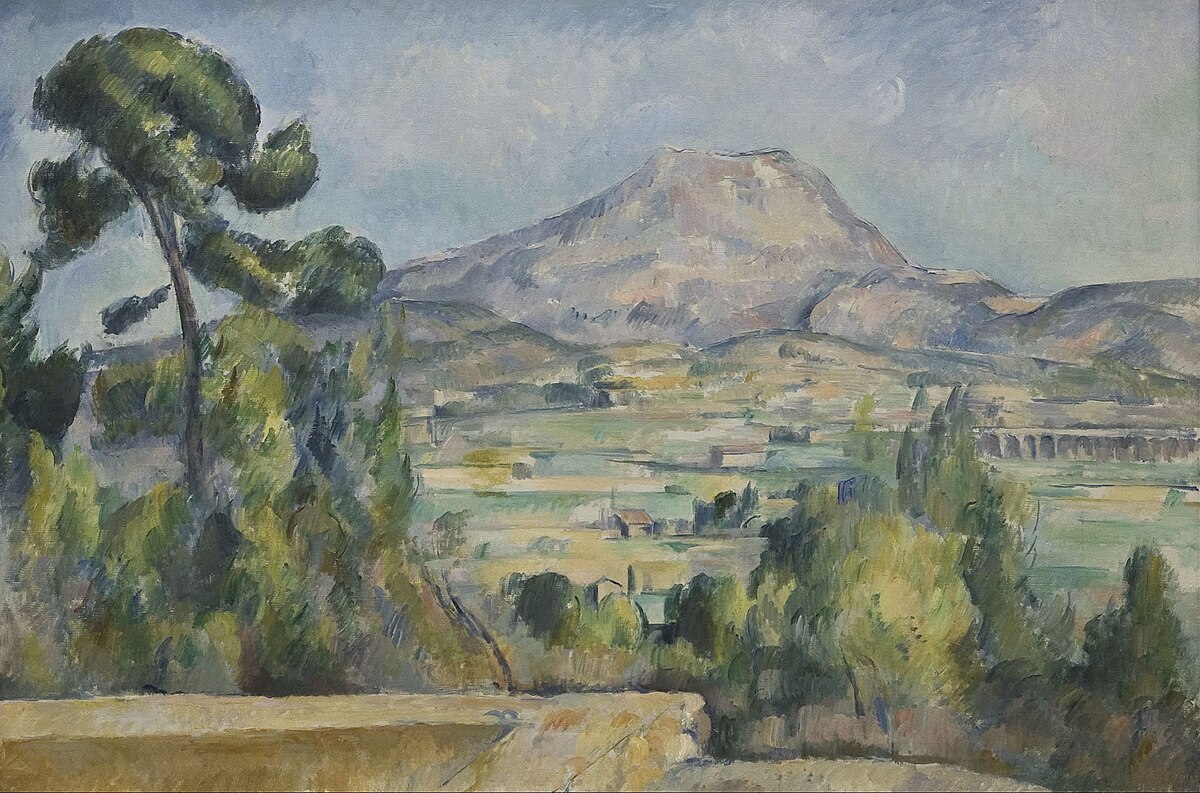
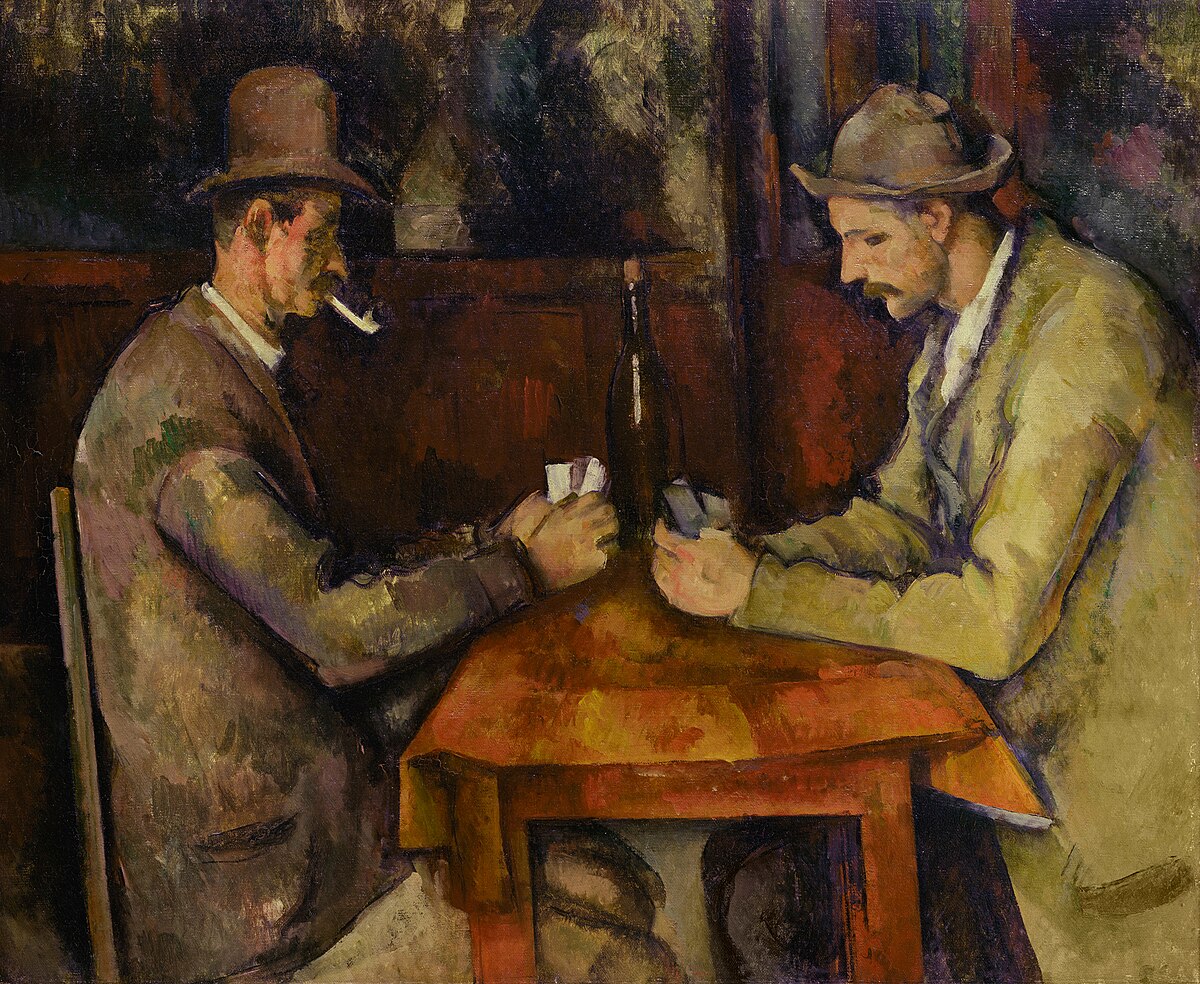
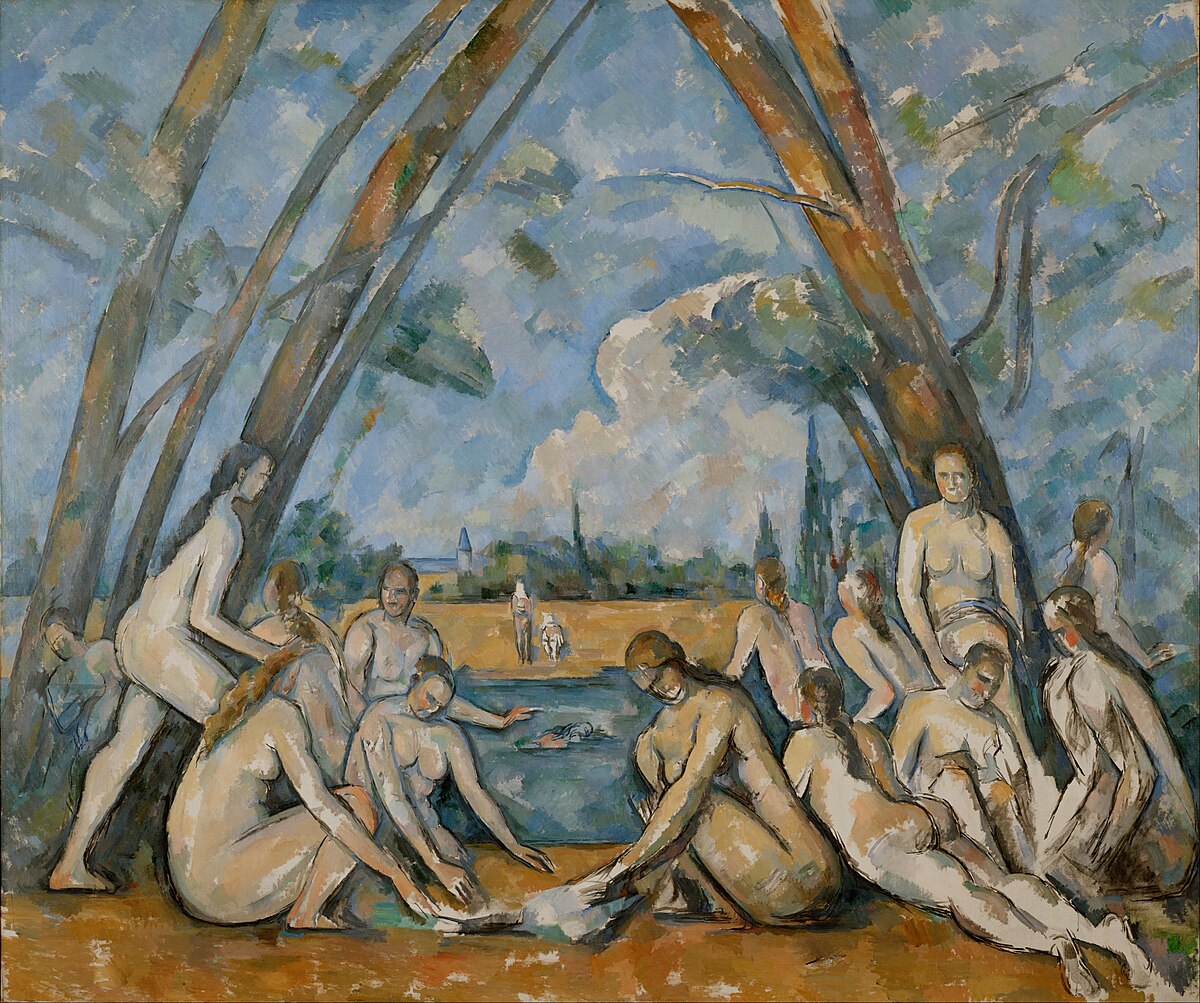
Pol Sezan, radeci u relativnoj izolaciji u Provansi, preduzeo je mozda najdublje preispitivanje likovnog prostora od renesanse. Nezadovoljan tendencijom impresionizma da rastvara cvrste forme u treperavu svetlost, tezio je da “napravi od impresionizma nesto cvrsto i trajno, poput umetnosti muzeja”. Njegov metod bio je mukotrpan: analizirao je vidljivi svet u medjusobno povezane ravni boje, izgradjujuci pejzaze, mrtve prirode i portrete malim, promisljenim potezima cetke koji istovremeno opisuju formu, sugerisu dubinu i potvrdjuju ravnost povrsine platna. Njegove brojne slike planine Mont Sent-Viktoar prikazuju planinu koja je istovremeno geoloska masa i arhitektonska konstrukcija obojenih faceta. Sezanove inovacije direktno su ukazivale na kubizam; Pikaso i Brak ce ga kasnije nazvati “ocem svih nas”.
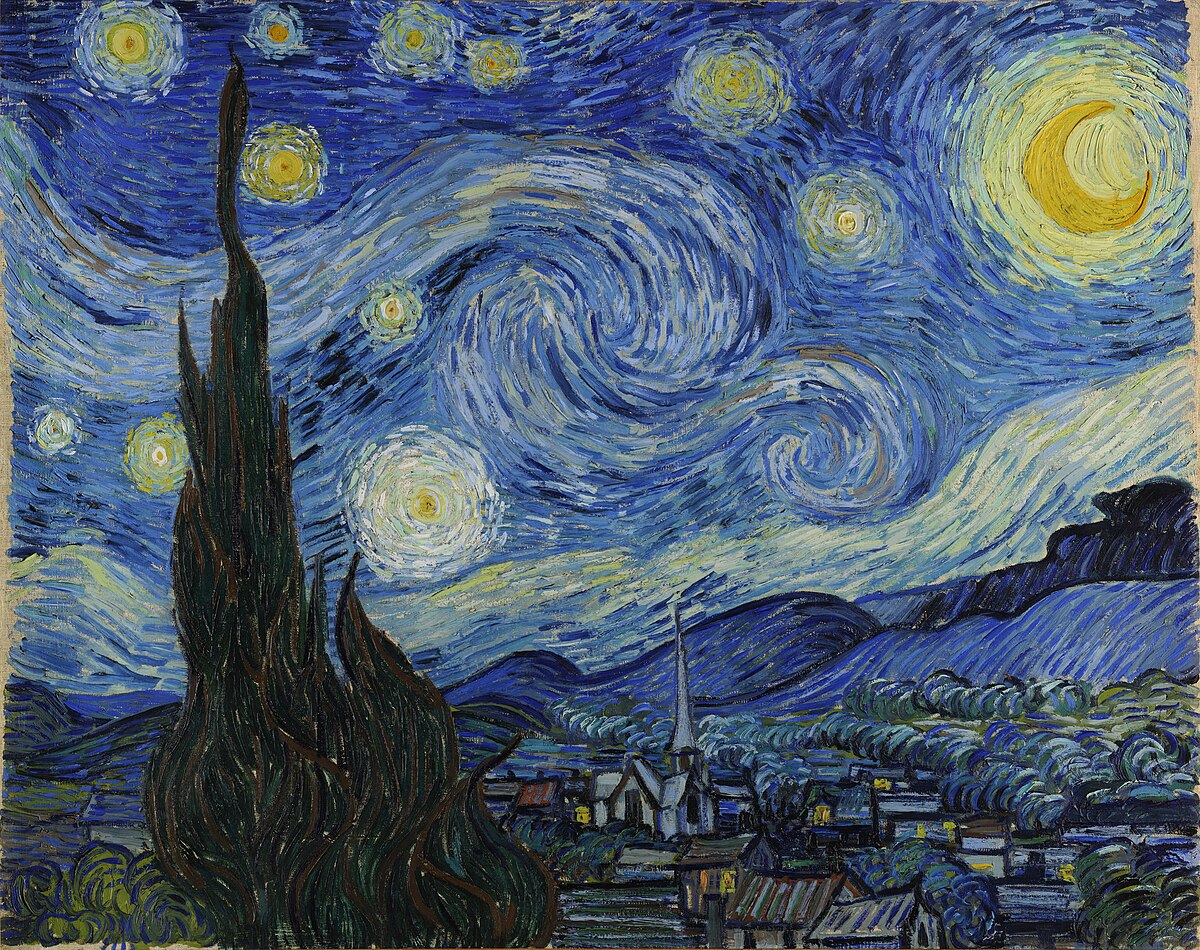
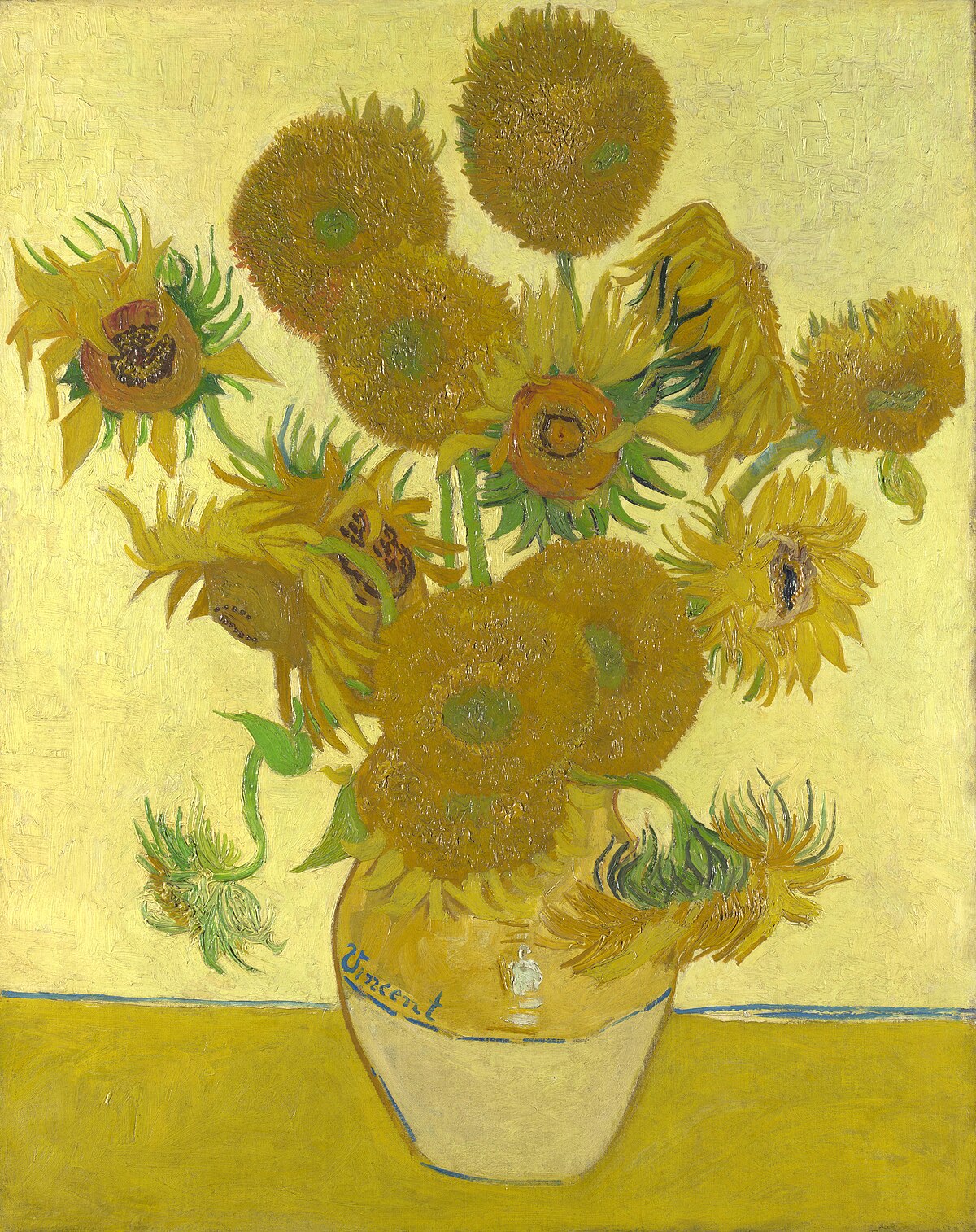
Vinsent van Gog dosao je do svog zrelog stila kroz sasvim drugaciju vrstu hitnosti. Nakon godina borbe u Holandiji i Parizu, preselio se u Arl na jugu Francuske 1888, gde je intenzivna mediteranska svetlost zapalila njegovu paletu. Van Gog je koristio boju ne da opise pojavnost vec da izrazi emocije: hrom zutu za toplinu prijateljstva i nade, duboku plavu za beskonacnost i tugu, vermilion za strast. Njegov potez cetke, gusti impasto potezi koji kao da se grce i pulsiraju po platnu, transformise vidljivi svet u polje sirovog osecanja. The Starry Night, naslikan tokom boravka u azilu u Sen-Remi-de-Provansu, prikazuje nocno nebo kao turbulentno more vrtlozne energije, zvezde blistaju poput sunaca, cipres se uzdize navis poput tamnog plamena. Van Gogovo stapanje intenzivne licne emocije sa smelom formalnom invencijom ucinio ga je praocem ekspresionizma i jednim od najvoljenijih umetnika u istoriji.
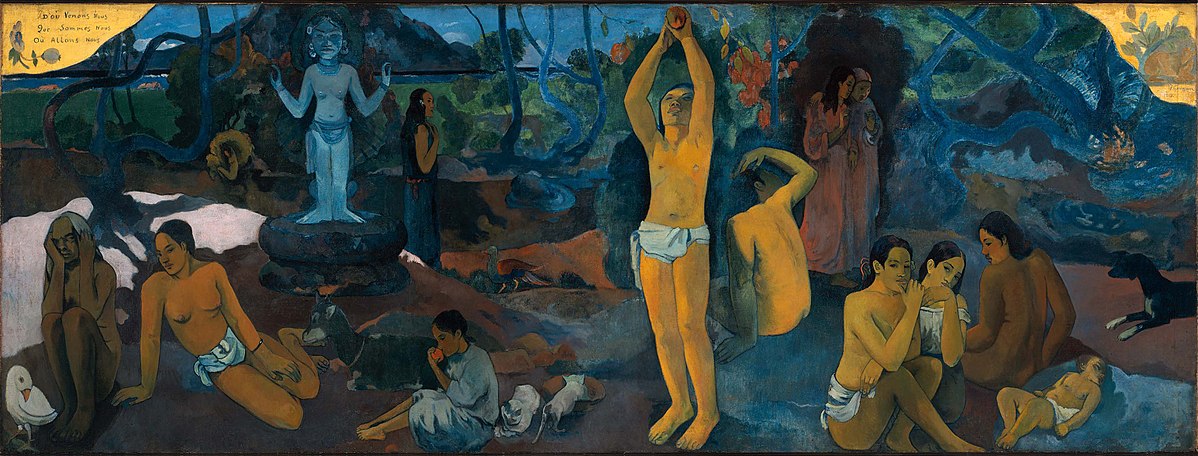
Pol Gogen je trazio smisao u sasvim drugom pravcu, napustajuci evropsku civilizaciju za ono sto je verovao da su autenticnije, primordijalne kulture. Nakon kratkog i katastrofalnog boravka sa Van Gogom u Arlu, Gogen je putovao najpre u Bretanju, gde je razvio stil ravnih, smelo konturisanih povrsina boje inspirisanih vitrazima i japanskim stampama, a zatim na Tahiti i Markiska ostrva u Juznom Pacifiku. Njegova monumentalna slika Where Do We Come From? What Are We? Where Are We Going? (1897), nastala u periodu dubokog ocaaja, cita se s desna na levo kao alegorija ljudskog zivota od rodjenja do smrti, prikazana u bogatim, zasicenim nijansama i pojednostavljenim formama njegovih polinezijskih slika. Gogenovo prihvatanje nezapadne umetnosti i njegovo uverenje da boja i forma mogu komunicirati direktno, bez posredstva realisticke reprezentacije, utirali su put fovizmu, simbolizmu i sirem modernistickom fasciniranju takozvanom “primitivnom” umetnosccu.
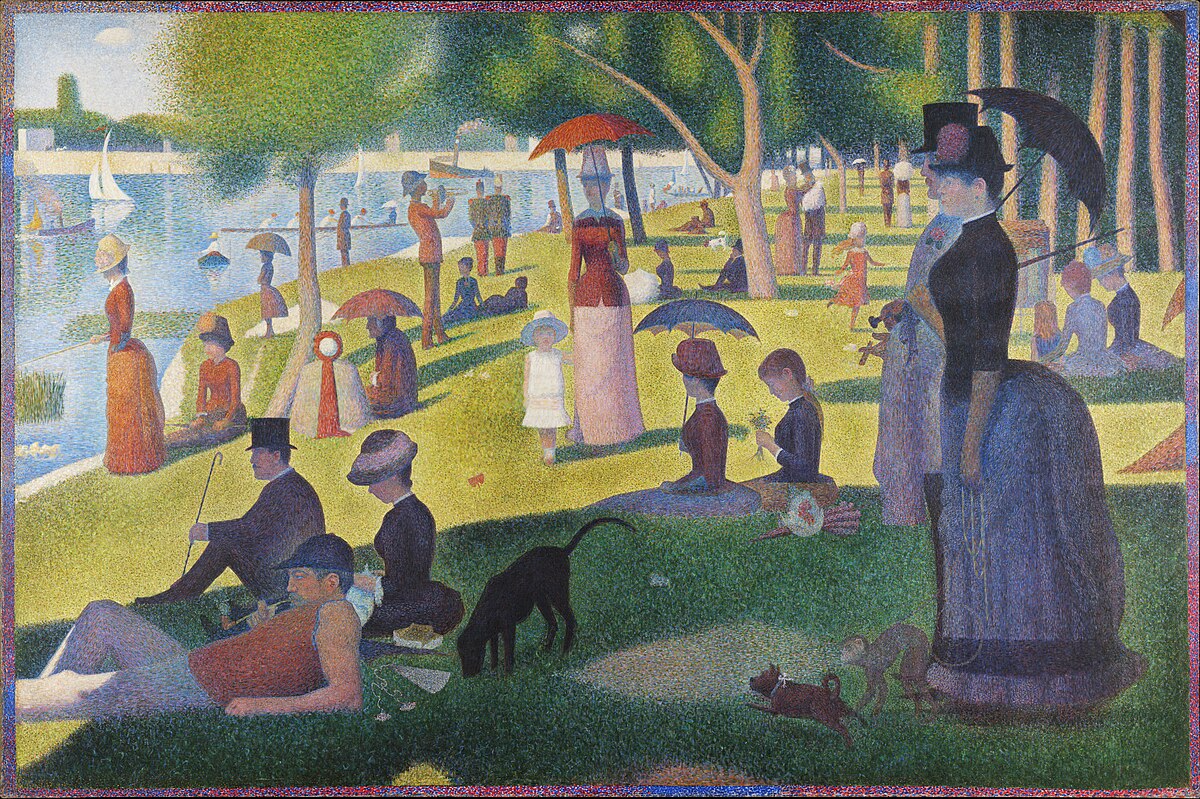
Zorz Sera je krenuo jos jednim putem, primenjujuci naucnu rigoroznost na impresionisticko proucavanje boje i svetlosti. Crpeci iz teorija boja Misel-Ezena Sevrela i Ogdena Ruda, razvio je pointilizam (koji je sam radije zvao divizionizam): tehniku nanossenja sitnih tacaka ciste boje jednu do druge, dozvoljavajuci oku posmatraca da ih opticki pomesa na odstojanju. Njegovo remek-delo, A Sunday on La Grande Jatte, je monumentalna kompozicija Parizana na dokolici, svaka figura zamrznuta u dostojanstvenom, gotovo egipatskom miru, svaka povrsina izgradjena od hiljada minijaturnih tacaka boje. Rezultat je istovremeno svetlec i hijeratican, moderan i bezvremen. Sera je umro sa samo trideset jednom godinom, ali je njegov sistematski pristup boji i kompoziciji uticao na foviste, futuriste i, na kraju, citavu tradiciju geometrijske apstrakcije. Uzeti zajedno, postimpresionisti su demonstrirali da oslobodjenje koje je impresionizam postigao nije bilo zavrsna tacka vec pocetak — kapija ka eksplozivnoj raznovrsnosti moderne umetnosti.