Romantizam se pojavio kao strasna pobuna protiv prosvetiteljske vere u razum, red i univerzalni zakon. Dok su neoklasicisticki umetnici gledali ka antickom Rimu trazeci uzore gradjanskih vrlina, romantticari su se okrenuli unutra, slaveci subjektivno iskustvo pojedinca i neobuzdanu moc prirodnog sveta. Pokret je crpeo energiju iz politickih previranja doba — revolucija u Americi i Francuskoj — ali je takodje odrazavao dublji filozofski zaokret. Mislioci poput Zan-Zaka Rusoa tvrdili su da civilizacija kvari prirodnu dobrotu coveka, a pesnici poput Vilijama Vordsvorta i Samjuela Tejlora Kolridza nastojali su da povrate autenticnu povezanost sa prirodom i osecanjem. U vizuelnim umetnostima, ovo se prevodilo u dela koja su davala prednost emocionalnoj istini nad formalnim savrsensstvom, licnoj viziji nad akademskom konvencijom.
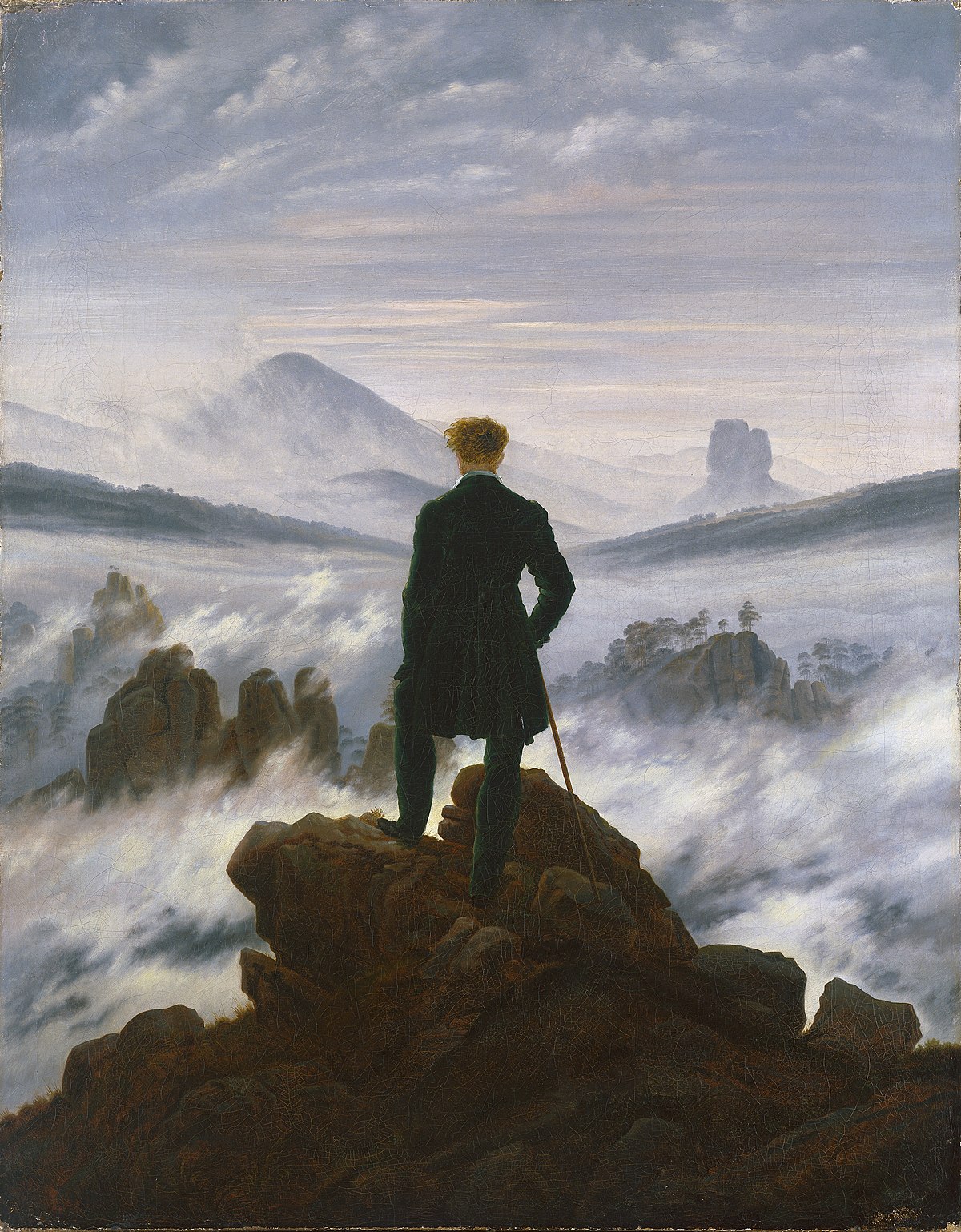
Kaspar David Fridrih postao je vrhovni slikar romanticarskog uzviseenog u severnoj Evropi. Njegova platna prikazuju usamljene figure zasenjene ogromnim pejzazima, kako zure u maglom obavijene doline, mesecinom obasjana mora i porusene goticke opatije. U Wanderer above the Sea of Fog, covek stoji na stenovitom prevoju okrnuut ledjima posmatracu, kontemplirajuci neizmerno prostranstvo magle i planinskih vrhova. Slika nije samo pejzaz vec duhovna izjava: priroda kao kapija ka beskonacnom, individualna dusa koja se suocava sa silama izvan shvatanja. Fridrihove kompozicije su pazljivo strukturirane, a ipak je njihov emocionalni efekat bezgranicna tajanstvenost. U Engleskoj, Dzozef Malord Vilijam Tarner slededio je drugaciji ali jednako radikalan put, rastapajuci cvrste forme u vrtloge svetlosti, boje i atmosfere. Njegove pozne slike, poput Snow Storm: Steam-Boat off a Harbour’s Mouth, gurnule su reprezentaciju do same granice apstrakcije, anticipirajuci razvoje koji se nece u potpunosti materijalizovati jos pola veka.
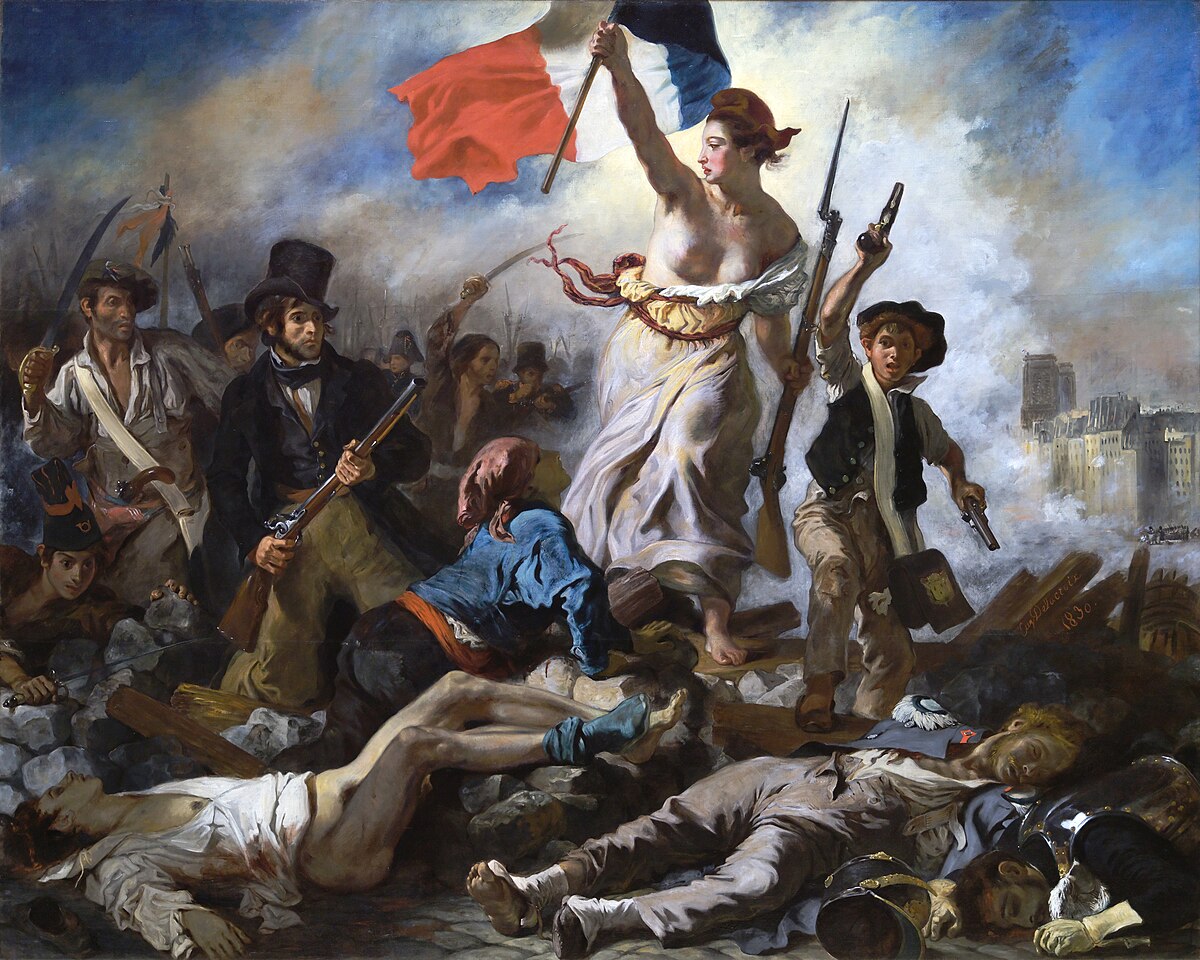
U Francuskoj, Ezenm Delakroa postao je barjaktar romanticatrskog slikarstva, zagovarajuci boju, pokret i strasni intenzitet protiv linearne discipline neoklasicisticke skole predvodjene Enngrom. Njegovo delo Liberty Leading the People (1830) stopilo je savremenu politicku reportazu sa alegorijskom velicajnostju: ogoljene grudi zenske figure koja personifikuje Slobodu koraca preko barikada Julske revolucije, sa trikolorom u ruci, okruzena borcima iz svake drustvene klase. Delakroaov potez cetke je silovit i neobuzdaan, njegova paleta bogata kontrastima toplih i hladnih tonova. Crpeo je inspiraciju iz izvora daleko izvan klasicne tradicije, proucavajuci Rubensa zbog dinamizma, putujuci u Severnu Afriku po egzoticne teme i diveci se engleskom pejzaznom slikarstvu zbog njegove atmosferske slobode. Njegov dnevnik otkriva umetnika izuzetnog intelektualnog raspona, duboko angazovanog u muzici, knjizevnosti i filozofiji.
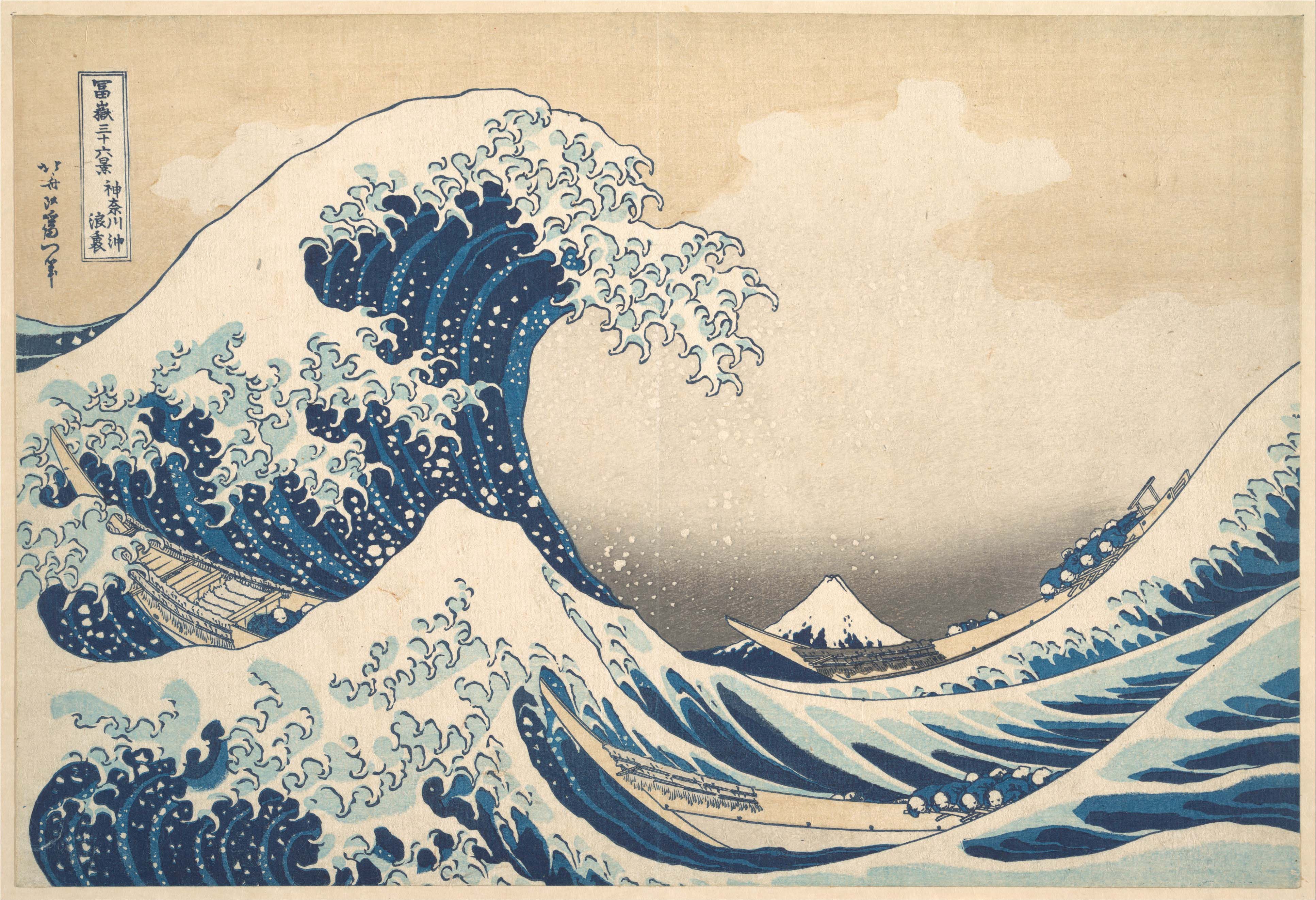
Izvan Evrope, romanticarski period je bio svedok umetnickih dostignuca koja ce duboko uticati na zapadnu umetnost u decenijama koje dolaze. Kacusika Hokusai, radeci u Japanu tokom iste ere, stvorio je The Great Wave off Kanagawa oko 1831. godine kao deo svoje serije Trideset sest pogleda na planinu Fudzi. Ovaj ikonican drvorez, sa visokim talasom koji preti sitnim camcima ispod daleke svete planine, otelotvoruje romanticaarsko fascniranje neodoljivom mocci prirode u vizuelnom jeziku potpuno nezavisnom od evropske tradicije. Kada se Japan otvorio za zapadnu trgovinu 1850-ih, otisci Hokusaja i drugih ukijo-e umetnika preplavili su Evropu, zarobivsi slikare svojim smelim kompozicijama, ravnim povrsinaama boje i asimetricnim dizajnima. Ovaj susret, kasnije poznat kao japonizam, postace jedna od najplodnijih medjukulturnih razmena u istoriji umetnosti, direktno oblikujuci impresionizam, postimpresionizam i Art Nuvo.
Nasledje romantizma prostire se daleko izvan njegovog istorijskog trenutka. Pokret je uspostavio modernu koncepciju umetnika kao usamljenog genija cija unutrasnja vizija ima prednost nad spoljnim pravilima — ideja koja nastavlja da oblikuje nase razmisljanje o kreativnosti i danas. Uzdigao je pejzazno slikarstvo od sporednog zanra do sredstva za najdublje ljudske emocije. Zagovarao je mastu, intuiciju i iracionalno kao legitimne izvore znanja, otvarajuci vrata kroz koja ce nadrealizam i ekspresionizam kasnije proci. I u svom insistiranju da umetnost treba da pokrene i preobrazi posmatraca umesto da ga samo poucava, romantizam je postavio temelje za prakticno svaki avangardni pokret koji je usledio.