Islamska umetnost predstavlja jednu od geografski najrasprostranjenijih i hronoloski najtrajnijih umetnickih tradicija u ljudskoj istoriji, protezuci se od sedmog veka do danas i obuhvatajuci teritoriju koja je, u svom najvecem obimu, sezala od Iberijskog poluostrva i Zapadne Afrike do Centralne Azije i Jugoistocne Azije. Sam termin je istovremeno koristan i problematican: “islamska umetnost” ne odnosi se na umetnost koju su iskljucivo stvarali muslimani ili za iskljucivo verske svrhe, vec na umetnicku produkciju kultura u kojima je islam bio dominantna ili znacajna kulturna sila. Hriscanski i jevrejski umetnici radili su unutar islamskih estetickih okvira, a veliki deo najfinije islamske umetnosti — metalurgija, keramika, tekstil, ilustrovani rukopisi — sluzio je i svetovnim i sakralnim funkcijama. Ono sto ujedinjuje ovu ogromnu tradiciju jeste skup zajednickih estetickih principa: preferencija ka povrsirskom ukrasu nad trodimenzionalnim modelovanjem, uzdizanje kaligrafije i geometrije do vrhovnih umetnickih formi, tendencija ka sveobuhvatnom ukrasu povrsina (ponekad opisana latinskim terminom horror vacui, strah od praznog prostora) i slozen odnos prema figuralnom prikazu koji je znatno varirao u razlicitim vremenima i mestima.
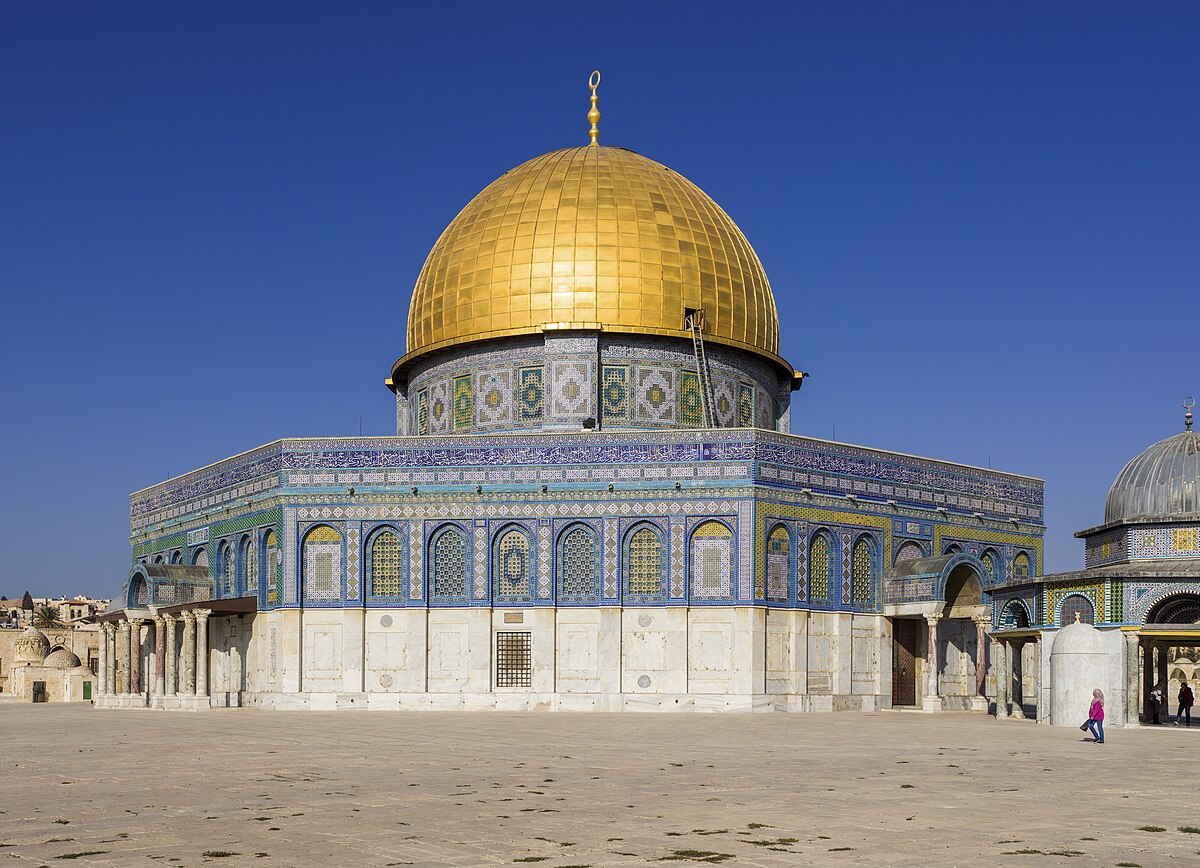
Temelji islamske umetnosti postavljeni su tokom Umajadskog kalifata (661-750), prve dinastije koja je vladala islamskim svetom iz stalnog glavnog grada, Damaska. Umajadi su nasledili umetnicke tradicije Vizantijskog i Sasanidskog carstva koja su osvojili, i njihovi najraniji spomenici otkrivaju ovu sintezu. Kupola na steni u Jerusalimu (691-692), koju je izgradio kalif Abd al-Malik ibn Marvan, je oktagonalno svetiliste ciji plan potice od kasnoantickih hriscanskih martirija, ciji mozaici koriste vizantijske majstore i tehnike, ali ciji opsezni kuranski natpisi i izbegavanje figuralnih prikaza najavljuju izrazito islamsku esteticku viziju. Velika dzamija u Damasku (706-715), podignuta unutar zidova rimskog hramskog kompleksa koji je takodje sluzio kao hriscanska crkva, imala je prostrane mozaicke pejzaze rajske arhitekture i drveca koji predstavljaju poslednje veliko cvetanje klasicne mozaicke tradicije, sada stavljene u sluzbu nove vere. Ovi umajadski spomenici uspostavili su princip da islamska umetnost nece odbaciti prethodne tradicije u celosti, vec ce ih apsorbovati, transformisati i preusmeriti ka novim izrazajnim svrhama.
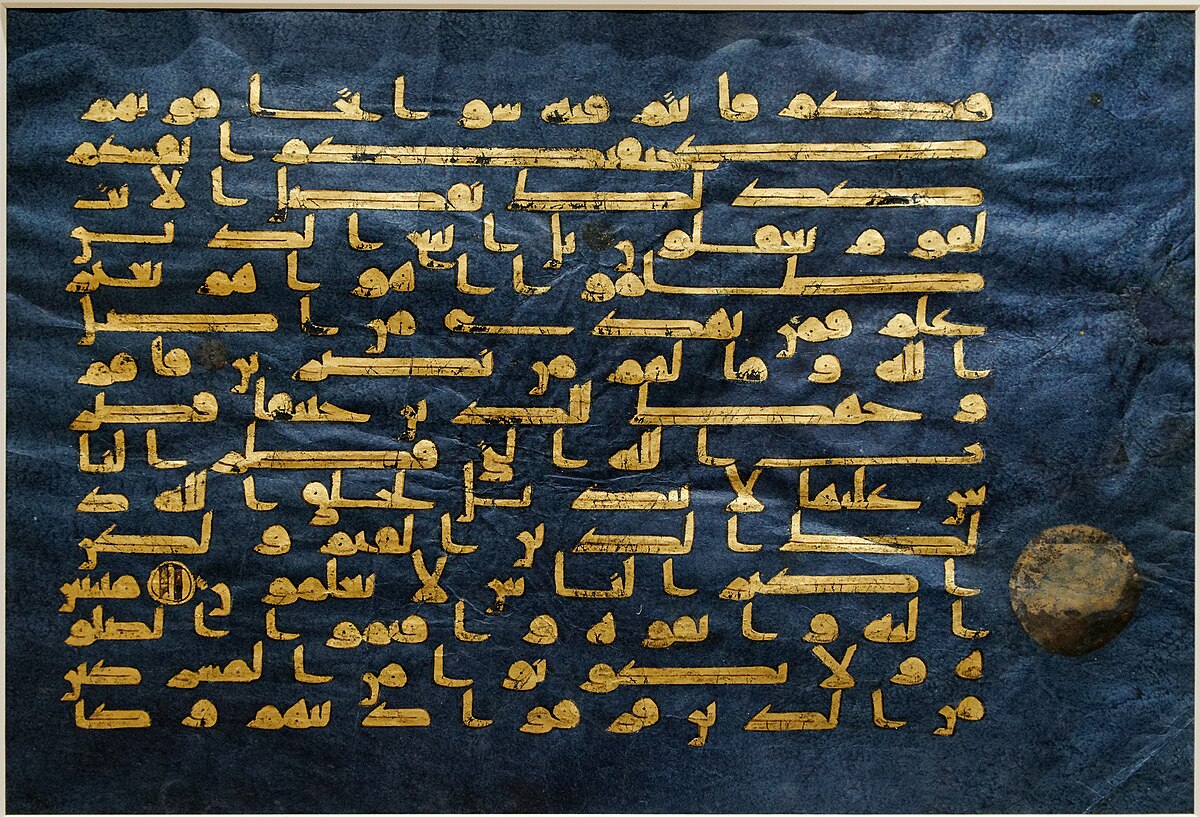
Abasidski kalifat (750-1258), koji je premestio prestonicu u novoosnovani grad Bagdad, predsedavao je zlatnim dobom islamskog intelektualnog i umetnickog dostignuca. Bagdad je postao najveci grad na svetu i centar ucenja gde je prevodenje grckih filozofskih i naucnih tekstova podstaklo izvanredno cvetanje u matematici, astronomiji, medicini i knjizevnosti. Umetnicki, abasidski period video je razvoj lustrovane keramike — tehnike koja ukljucuje nanosenje metalnih oksida na glazirane povrsine koji, kada se peku u redukcijskoj peci, proizvode prelivan sjaj koji podseca na zlato. Prvo razvijena u Iraku u devetom veku, lustrirana keramika se prosirila sirom islamskog sveta i predstavlja jedno od tehnicki najsofisticiranijih dostignuca srednjovekovne keramike. Abasidski umetnici takodje su usavrsili kaligrafska pisma, razvijajuci se od uglatog kufickog — otelotvorenog u izvanrednom Plavom Kuranu, pisanom zlatom na pergamentu boje indiga — ka kurziviranjim oblim pismima (Nash, Sulus, Muhakak) koja su sistematizovana od strane velikog kaligrafa Ibn Mukle (886-940) i usavrsena od strane Jakuta al-Mustasimija (u. 1298) u poslednjim decenijama abasidske ere.
Al-Andalus, islamske teritorije Iberijskog poluostrva, proizveo je umetnicku tradiciju izuzetne prefinjensoti koja je kulminirala u nasridskoj Alhambri u Granadi (prvenstveno cetrnaesti vek). Dvoriste lavova (oko 1370-1390) predstavlja vrhunsko dostignuce islamske palatijalne arhitekture na Zapadu: dvoriste sa stubovima od gotovo nemoguce delikatnih mermernih stubova koji nose lukove ispunjene mukarnasima, zidovi prekriveni rezbarenom stukom lavirintske slozenosti, sa arapskom poezijom upisanom duz zidova koja slavi palatu kao zemaljski raj. Matematicka sofisticiranost andaluzijskog geometrijskog ornamenta — koja koristi grupe simetrije za koje moderni matematicari priznaju da gotovo iscrpljuju sve moguce dvodimenzionalne operacije simetrije — odrazava duboku medjusobnu povezanost islamske umetnosti i matematickog razmisljanja. Koncept arabeske, beskonacno ponavljajuceg biljnog svitka koji sugerise beskonacnost i bezgranicnost bozanskog stvaranja, dostigao je svoj najpuniji razvoj u dekorativnim programima andaluzijske i severnoafricke arhitekture, gde su rezbarena stuka, keramicke plocice (zeliz) i rezbareno drvo kombinovani u viseslojne kompozicije zapanjujuce vizuelne gustine.
Timuridska dinastija (1370-1507), koju je osnovao centralnoazijski osvajac Timur (Tamerlan), predsedavala je izuzetnim cvetanjem rukopisnog slikarstva i knjizarskih vestina sa centrom u Heratu, Sirazu i Samarkandu. Pod pokroviteljstvom Timurovih naslednika — posebno Sah Ruha, Bajsungura i velikog sultana Husejna Bajkare — slikari poput Kamal al-Din Bihzada (oko 1450-1535) razvili su tradiciju persijskih minijatura izvanredne sofisticiranosti, kombinujuci spljostene prostorne kompozicije, boje poput dragulja, pedantne botanicke i arhitektonske detalje i suptilnu psiholosku karakterizaciju. Bihzadove ilustracije za tekstove poput Sadijevog Bustana i Nizamijevog Hamse smatraju se medju vrhunskim dostignucima svetskog slikarstva, ali nas takodje podsecaju da je uobicajena zapadna pretpostavka o islamskom anikonizmu pojednostavljenje: figuralni prikaz je cvetao u rukopisnom slikarstvu, posebno u persijskom, turskom i mogulskom kontekstu, mada je generalno bio iskljucen iz verske arhitekture i kuranskih rukopisa. Timuridsko pokroviteljstvo takodje je uzdiglo vestine knjige — povez, mramoriranje papira, iluminaciju i liniranje — do izvanrednih visina, proizvodecci tomove koji su bili cenjeni kao celovita umetnickka dela.
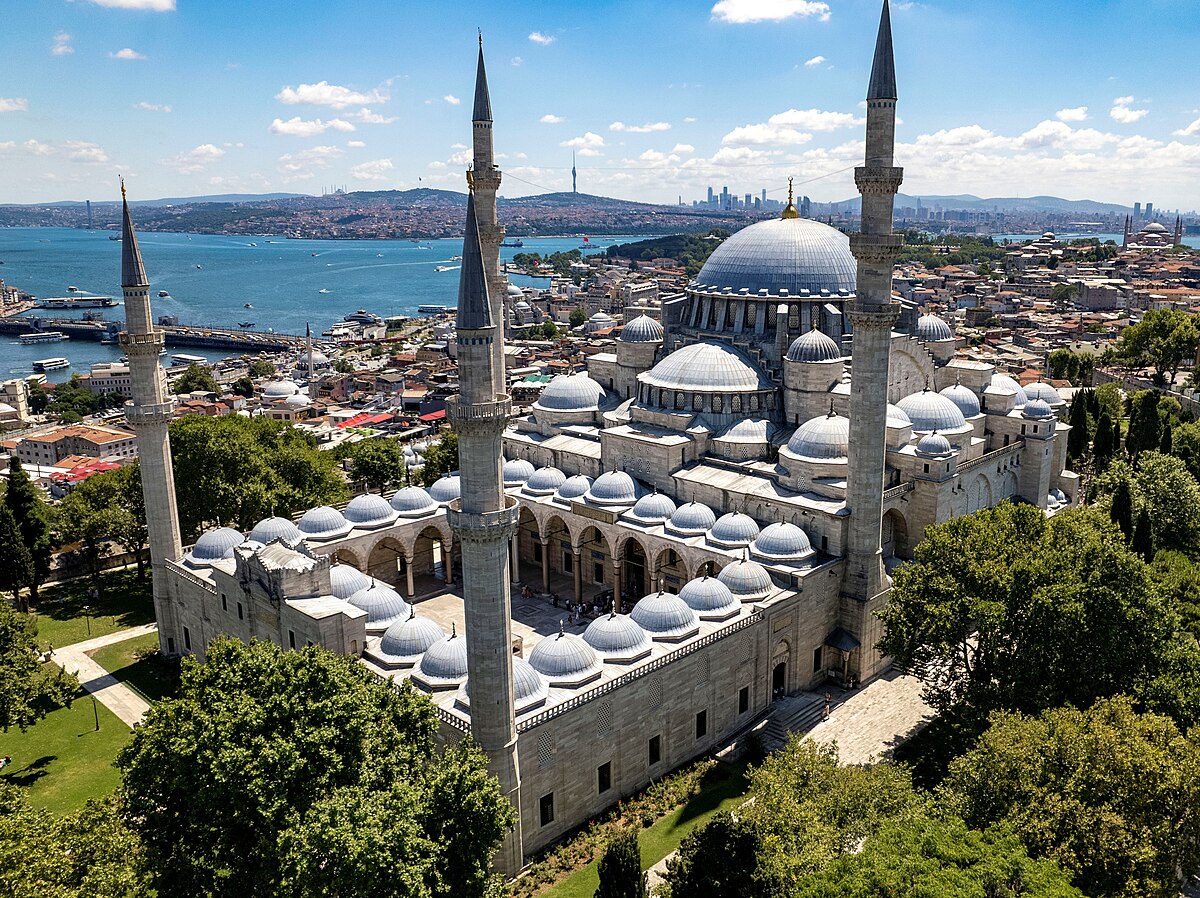
Osmanlijska arhitektura, koja je kulminirala u radu carskog arhitekte Mimara Sinana (oko 1488-1588), predstavlja poslednju veliku sintezu islamske arhitektonske tradicije. Sinan, koji je sluzio kao glavni arhitekta trojici sultana — Sulejmanu Velicanstvenom, Selimu II i Muradu III — projektovao je preko 370 gradevina sirom Osmanlijskog carstva, sistematski istrrazujuci mogucnosti centralno planirane dzamije sa kupolom. Njegovo remek-delo, Sulejmanija dzamija u Istanbulu (1550-1557), crpi iz primera ogromne kupole Aja Sofije dok resava strukturne i prostorne tenzije Justinijanove crkve u skladan, svetao enterijer obasjan svetloscu iz preko sto prozora. Sinanova kasnija Selimija dzamija u Jedrenu (1568-1574), koju je on sam smatrao svojim najfinijim delom, postize jos veci osecaj ujedinjenog unutrasnjeg prostora ispod kupole koja premmasuje precnik kupole Aja Sofije. Osmanlijski doprinos sezao je izvan arhitekture i ukljucivao Iznicku keramiku — plocice i posude ukraszene zivopisnim kobalt plavim, tirkiznim i karakteristicnim paradajz crvenim “jermenskim bolusom” — i profinjenu tradiciju osmanlijske dvorske kaligrafije, u kojoj je tugra (carski monogram) postala umetnicka forma izvanredne graficke snage.
Nasledje islamske umetnosti u svetskoj kulturi duboko je, ali cesto nedovoljno cenjeno u zapadnim umetnicko-istorijskim narativima koji su tradicionalno davali prednost grcko-rimskoj i hriscanskoj tradiciji. Islamski umetnici preneli su i transformisali klasicno znanje, razvili matematicke principe ornamenta koji su anticipirali modernu teoriju grupa, izumeli keramicke tehnike koje su evropski grnccari vekovima pokusavali da reprodukuju i stvorili arhitektonske prostore uzviszene lepote koji su uticali na zapadni dizajn od mudeharskih crkava u Spaniji do orijentalisitickih fantazija devetnaestog veka. Princip da povrsinski uzorak moze nositi metafizicko znacenje — da geometrija moze evocirati beskonacnost, da kaligrafija moze uciniti rec Bozju vidljivom, da svetlost filtrirana kroz izrezbarene ekrane moze sugerisati bozansko prosvetljenje — predstavlja estetsku filozofiju izuzetne dubine i sofisticiranosti. Danas, kolekcije islamske umetnosti u institucijama poput Metropoliten muzeja umetnosti, Luvra, Muzeja Viktorije i Alberta i Muzeja islamske umetnosti u Dohi nastavljaju da otkrivaju sirinu i briljantnost tradicije koja, daleko od toga da je periferna za istoriju svetske umetnosti, stoji kao jedno od njenih najinventivnijih i najtrajnijih dostignuca.