Nakon vekova politicke fragmentacije, vikinskih najezdi i ekonomskog opadanja koji su usledili posle propasti Zapadnog rimskog carstva, jedanaesti vek je bio svedok izuzetnog preporoda monumentalne umetnosti i arhitekture sirom Zapadne Evrope. Ovaj preporod, koji istoricari umetnosti nazivaju romanikom, pokrenut je spletom snaga: stabilizacijom feudalnog drustva, porastom religiozne poboznosti pojacane milenijumskim strepnjama oko 1000. godine, sirenjem monastva kroz klinijecke i cistercitske redove, i rastuucim bogatstvom stvorenim obnovljenim trgovackim mrezama. Francuski monah Raul Glaber, pisuci oko 1003. godine, ulovio je duh epohe kada je opisao kako se “ceo svet zaodeva belim plasom crkava.” To nisu bile skromne drvene gradjevine ranijih vekova, vec masivne kamene zgrade — debelih zidova, sa bacvastim svodovima i krunisane polukruznim lukovima — koje su najavljivale novo samopouzdanje i ambiciju u zapadnom hriscanstvu.
Manastir je stajao u sredistu romanicke kulture, a manastirska crkva je bila njen vrhunski umetnicki izraz. Velika benediktinska opatija Klini u Burgundiji, osnovana 910. godine, postala je matica mreze od preko hiljadu manastira koji su se prostirali od Engleske do Poljske, a njena treca crkva (Klini III, zapoceta 1088) bila je najveca gradjjevina u hriscanskom svetu sve do izgradnje novog Svetog Petra u Rimu u sesnaestom veku. Romanicke crkve bile su projektovane da zadovolje liturgijske potrebe manastirskih zajednica — dugacki brodovi za procesije, radijalne kapele za istovremeno sluzenje vise misa i kripte za postovanje moStiju. Hodocasticki putevi koji su presecali Evropu, vodeci do Santjaga de Kompostele u Spaniji, Rima i Jerusalima, iznedrilii su karakteristican tip crkve duz svojih ruta. Hodocasticke crkve poput Sen-Sernena u Tuluzu i same Santjago de Kompostele imale su siroke bocne brodove, galerije iznad bocnih brodova za prevelik broj posetilaca i ambulatorijume koji su hodocastnicima omogucavali da kruze oko oltara i postuju mosti bez ometanja manastirske liturgije.
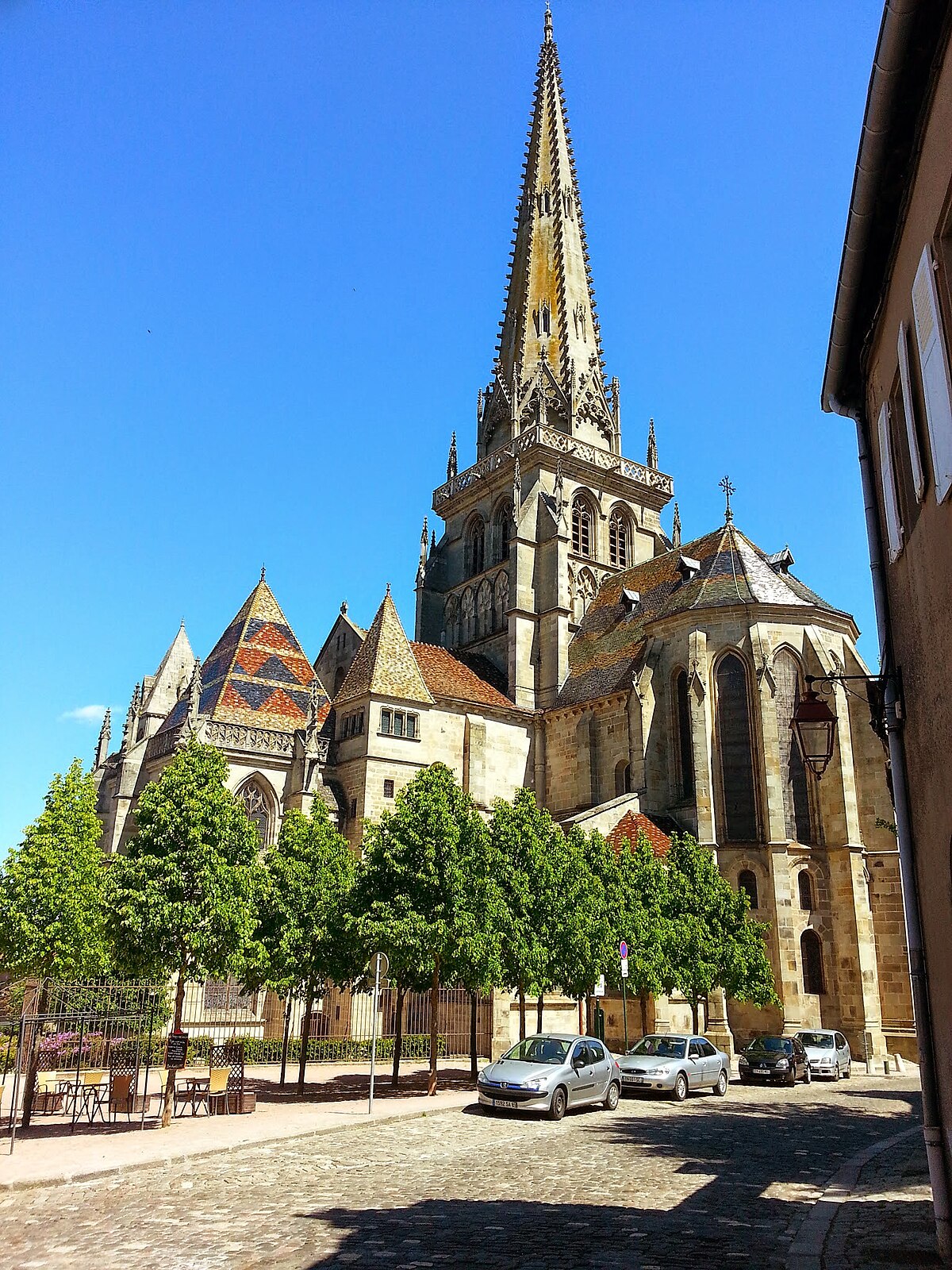
Skulptura je dozivela dramatican preporod tokom romanickog perioda posle vekova relativnog zanemarivanja na Zapadu. Najvaznije mesto za monumentalnu skulpturu bio je timpanon — polukruzna povrsina iznad glavnog portala crkve, gde su verni prolazili ispod isklesane vizije svete istine svaki put kada bi ulazili. Timpanon katedrale Sen-Lazar u Otenu, koji je isklesao skulptor Gizlebertus oko 1130. godine, predstavlja Straskni sud zastraasujuce moci: kolosalan Hrist predsedava razdvajanjem spasenih i prokletih, dok se izduzenee, uznemirene figure grce na vagama pravde ili ih veseli demoni vuku u celjusti pakla. Gizlebertusov stil — sa svojim iskrivljenim proporcijama, ekspresivnim gestovima i linearnom energijom — uzoran je primer romanickog pristupa ljudskoj figuri, koji je zrtvovao anatomsku tacnost zarad emocionalnog i duhovnog intenziteta. Isklesani kapiteli romanickih crkava bili su jednako inventivni, naseljeni menazeerijom cudovista, demona, akrobata i biblijskih scena koje su sluzile kao vizuelne propovedi za uglavnom nepismenu kongregaciju.
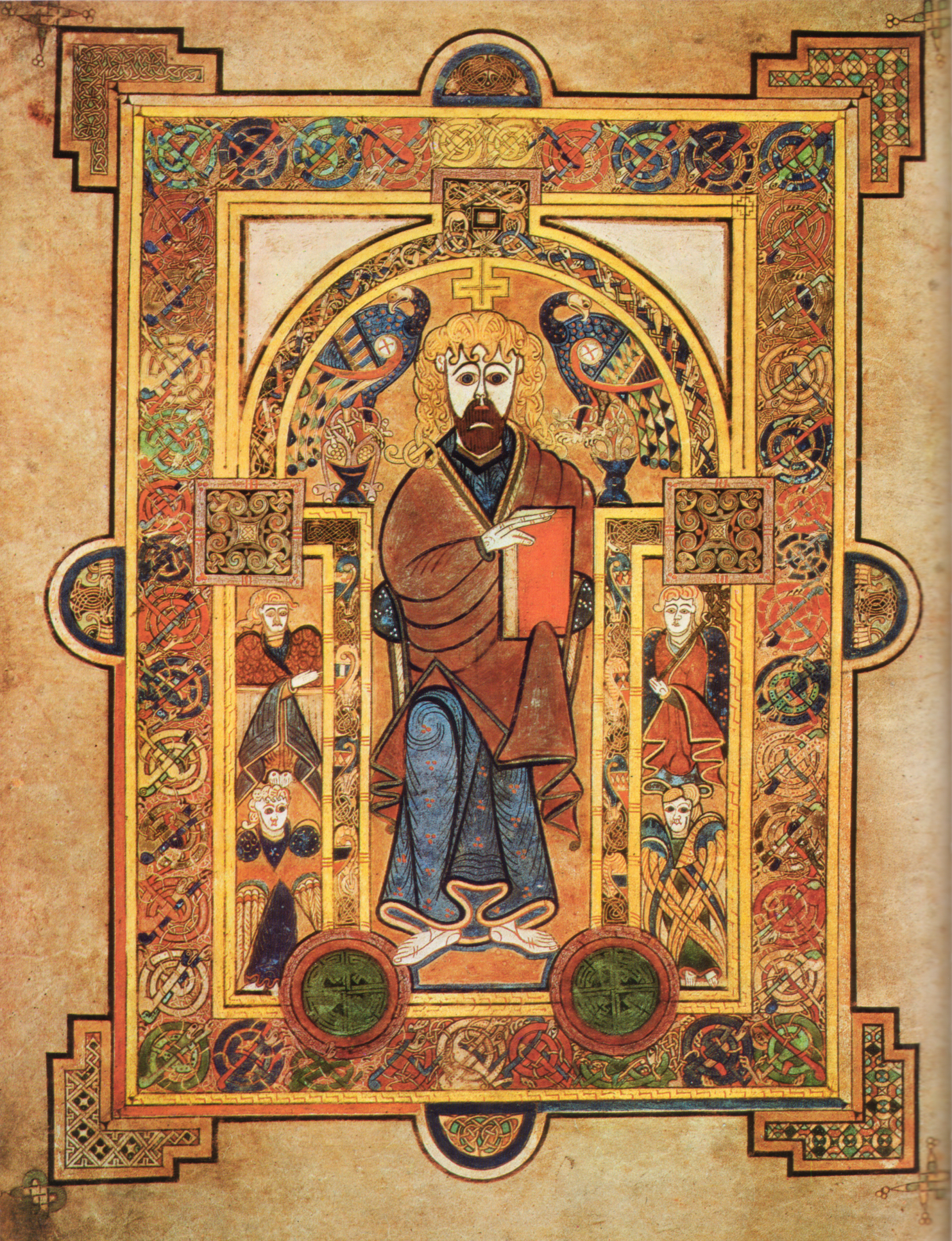
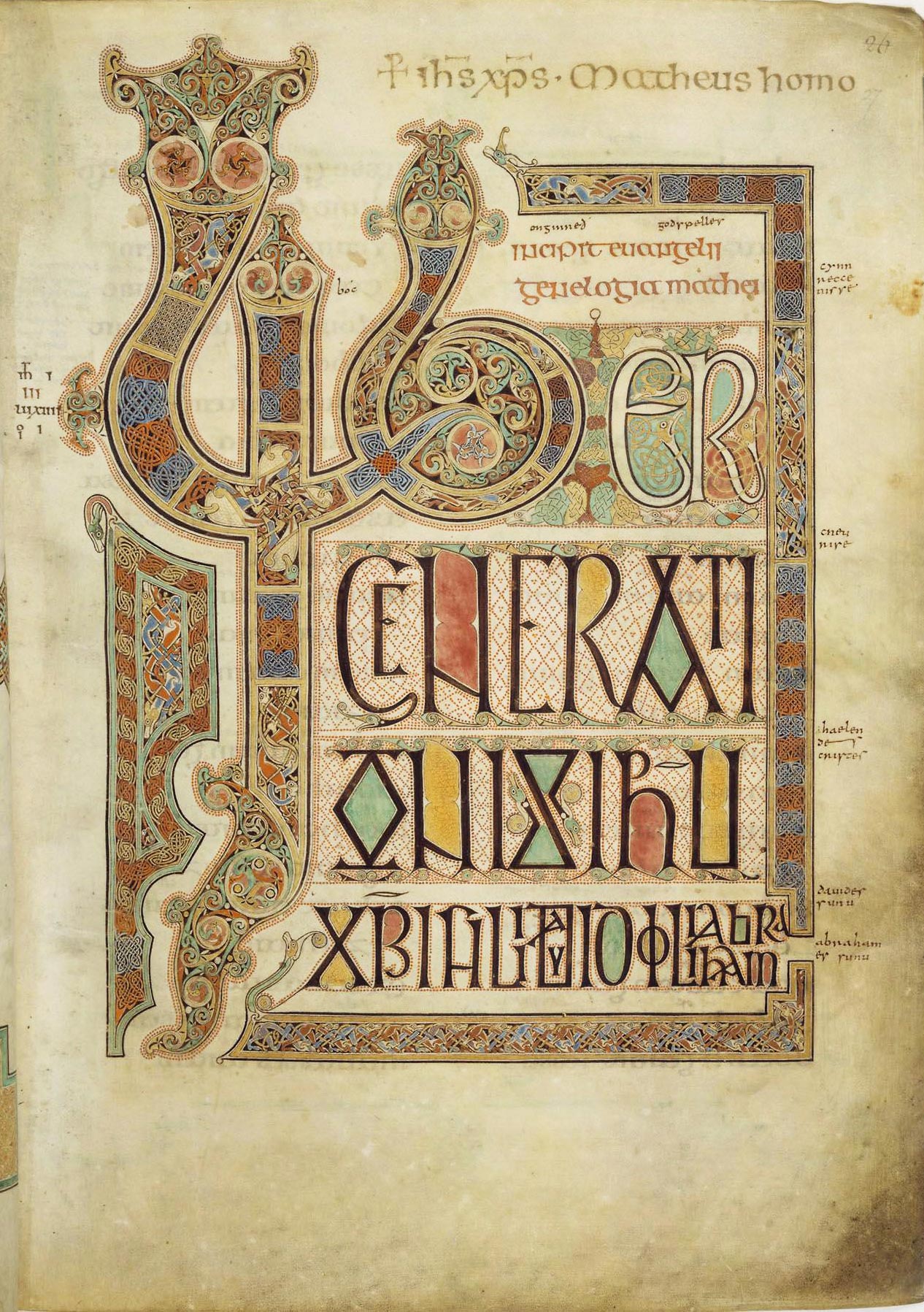
Tradicija iluminiranih rukopisa, koja je cvetala u manastirima Irske, Britanije i Karolinskog carstva, dostigla je nove visine sofisticiranosti tokom romanickog perioda. Kelska knjiga (c. 800), nastala u keltskom ili insularnom manastiru, predstavlja vrhunac ranosrednjovekovne iluminacije rukopisa — njene stranice-tepisi i ukrasena inicijalna slova se rastapaju u vrtoglave spirale prepleta, zivotinjskih formi i apstraktne geometrije gotovo halucinantne slozenosti. Romanicki skriptoriji nastavili su ovu tradiciju dok su razvijali nove stilove prikladne za epohu. Velike Biblije i liturgijske knjige nastale u manastirima poput Beri Sent Edmundsa i Vincestera sadrzavale su velika, smelo obojena inicijalna slova nastanjena figurama i zivotinjama, narativne scene uokvirene raskosnim bordurama i samouveren, ekspresivan crtacki stil koji je paralelno pratio energiju savremene skulpture. Manastirski skriptorij nije bio samo radionica vec svesteni prostor, a cin prepisivanja i iluminiranja Svetog pisma shvatan je kao oblik molitve i poboznosti.
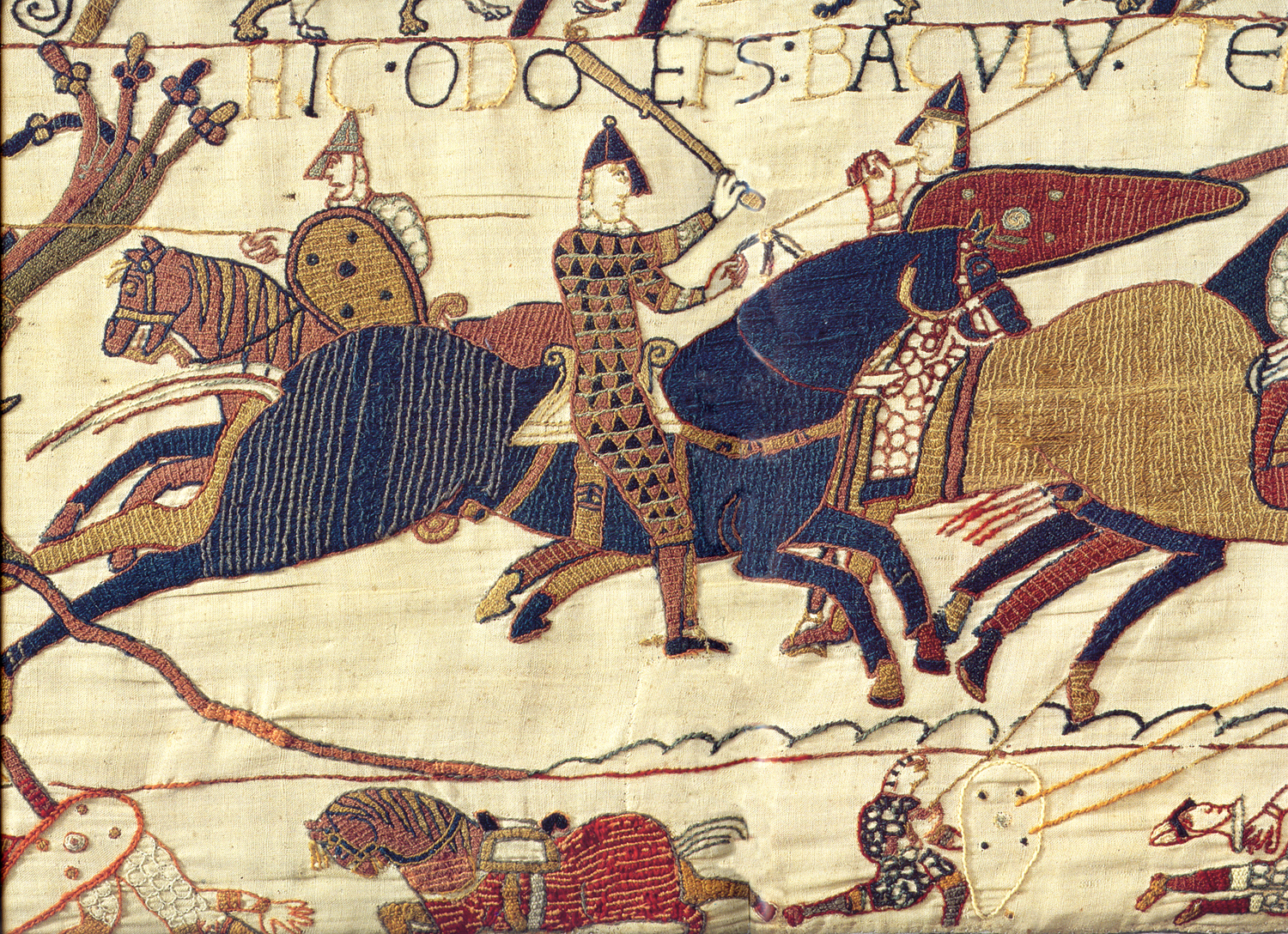
Romanicki period, mada relativno kratak, uspostavio je temelje na kojima ce goticka revolucija graditi. Njegove masivne kamene crkve dokazale su da Zapadna Evropa ponovo moze stvarati monumentalnu arhitekturu koja se takmica sa dostignucima antike. Njeni skulptorski programi demonstrirali su da rezbarstvo moze sluziti kao mocan alat za religioznu pouku i emocionalno ubedjivanje. Njeni rukopisi odrzali su i obogatili umetnosti slikarstva i dizajna tokom ere kada su panelno i zidno slikarstvo bili relativno retki na Zapadu. Mozda najvaznije, romanicki period je uspostavio srednjovekovnu crkvu kao Gesamtkunstwerk — celovito umetnicko delo u kojem se arhitektura, skulptura, slikarstvo, metaloplastika i tekstilne umetnosti kombinuju da stvore imerzivno okruzenje osmisljeno da podigne vernika iz svakodnevnog sveta u prisustvo bozanskog. Tapiserija iz Bajea (c. 1070), vezeni narativ dug 70 metara o normanskom osvajanju Engleske, stoji donekle po strani od religioznog mejnstrima romanicke umetnosti, ali demonstrira narativnu ambiciju i vizuelnu energiju perioda — kvalitete koji ce biti dalje razvijeni u uzletnim katedralama i svetlucavim vitrazima gotickog doba koje je usledilo.