Goticka revolucija nije pocela manifestom vec gradjevinskim projektom. Godine 1137, opat Siže iz kraljevske opatije Sen-Deni, severno od Pariza, preduzeo je renoviranje istocnog dela svoje crkve, i time je pokrenuo arhitektonsku transformaciju koja ce preoblikovati lice Zapadne Evrope. Sizhova inovacija je bila kombinovanje nekoliko postojecih strukturnih elemenata — siljastog luka, rebrastog svoda i leteceg kontrafora — u jedinstven sistem koji moze nositi tezinu zgrade na vitkim stubovima i spoljasnjim osloncima umesto na debelim zidovima. Rezultat je bio otkrovenje: zidovi koji su bili masivne prepreke od kamena sada su mogli biti otvoreni u prostrana polja vitraza, plavecu unutrasnjost obojenom svetloscu. Za Sižea, duboko pod uticajem misticke teologije Pseudo-Dionisija Areopagita, ova svetlost nije bila samo dekorativna vec sakramentalna — materijalna manifestacija bozanskog prosvetljenja koja moze uzdici dusu sa zemaljskog plana ka kontemplaciji Boga. U roku od nekoliko decenija, Sizhova inovacija se prosirila po severnoj Francuskoj i veliko doba gradnje katedrala je zapocelo.
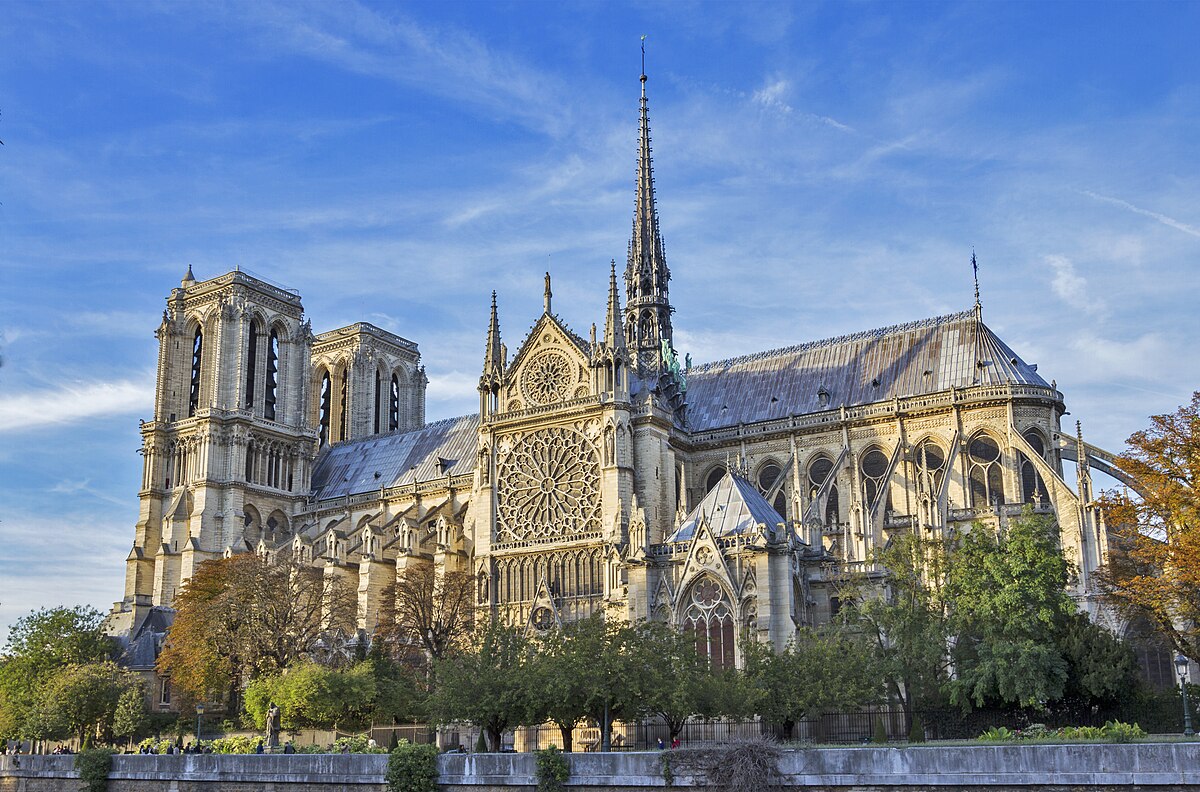
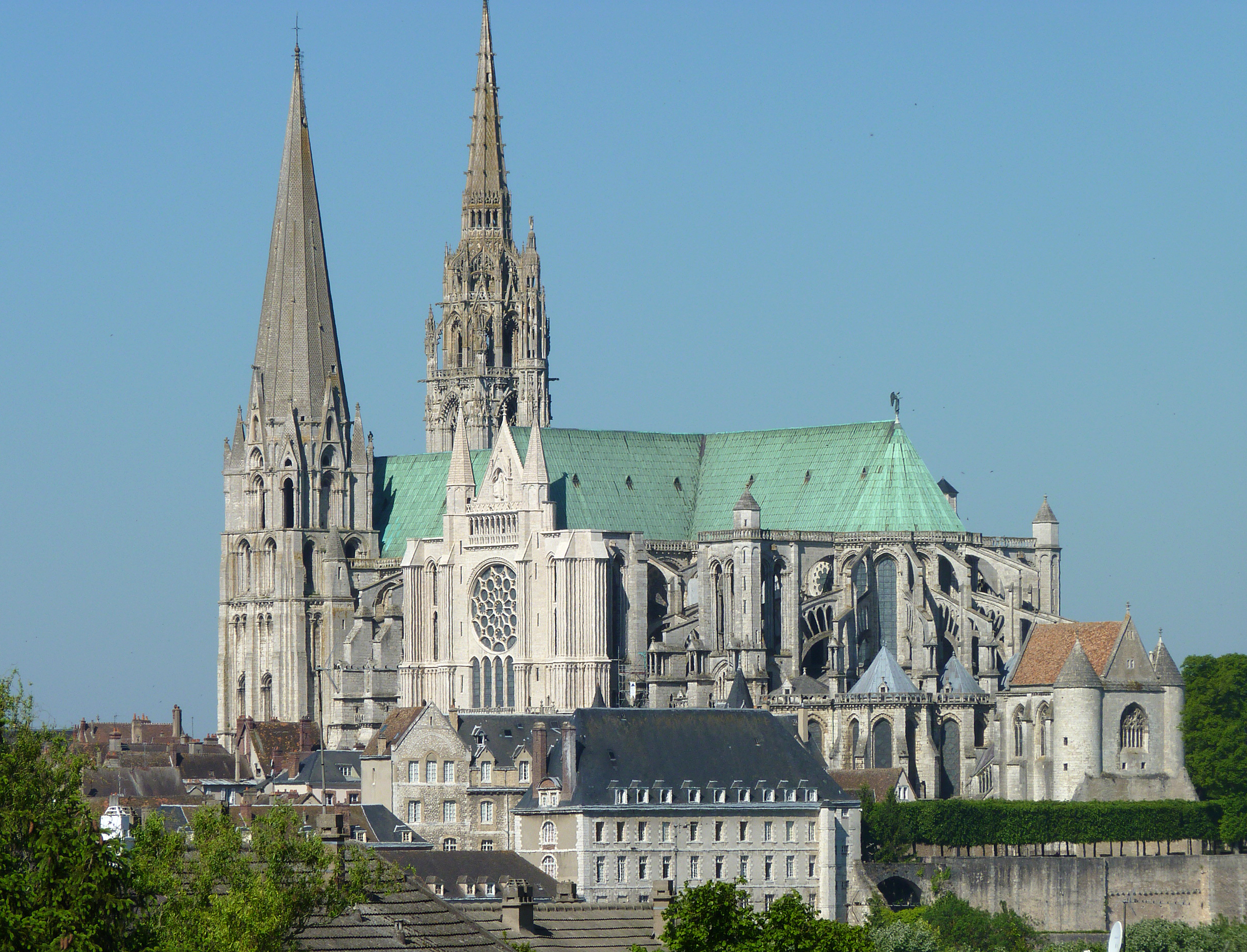
Goticka katedrala je bila mozda najambiciozniji kolektivni umetnicki oblik koji je ikada stvorila zapadna civilizacija. Katedrala u Sartru, obnovljena nakon pozara 1194. i u sustini zavrsena do 1220, ilustruje zreli goticki stil u svom najfinijem izdanju. Njena unutrasnjost se uzdize do visine od 37 metara, brod kupan u dubokim plavim i crvenim tonovima 176 prozora sa vitrazima koji zajedno sadrze oko 10.000 kvadratnih metara stakla — najveci sacuvani ansambl srednjovekovnog vitraza na svetu. Ovi prozori nisu bili samo lepi; cinili su sveobuhvatnu vizuelnu enciklopediju hrisceanskog znanja, prikazujuci biblijske naracije od Postanja do Otkrovenja, zivote svetaca, poslove meseci i aktivnosti zanatskih esnafa koji su ih donirali. Skulpturalni program katedrale je bio jednako enciklopedijski: tri velika portala zapadne fasade prikazivali su zivot Hrista, Bogorodice i slobodne vestine u poredjanom hijerarhijom koja je odrazavala srednjovekovno razumevanje kosmosa kao bozanski strukturirane celine. Notr-Dam de Pari (zapoceta 1163), sa svojim ikonicnim letecim kontraforima, delikatnom trazerijom i velicanstvenim rozeta prozorima, dovela je ove principe do novih visina strukturne smelosti i estetske prefinjenosti.
Vitraz je bio definisuca umetnicka forma gotickog doba, a njegova izrada je bila tehnicki zahtevan i kolaborativan proces. Zanatlije su pocinjale secenjem komada obojenog stakla — boje postignute dodavanjem metalnih oksida tokom proizvodnje — i sklapanjem u slikovne kompozicije drzane trakama olova. Detalji poput lica, nabora draperije i natpisa su slikani na povrsinu stakla mesavinom mlevenog stakla i gvozdenog oksida, zatim peceni u kemenci da se boja trajno spoji sa staklom. Efekat, kada bi sunceva svetlost protekla kroz ove prozore, bio je nesalican u srednjovekovnom svetu: unutrasnjost goticke katedrale postajala je svetleci, nezemaljski prostor u kojem je cvrsta materija kao da se rastvara u cistu, obojenu svetlost. Cuvena “plava boja Sartra” — duboki, zasiceni kobalt — postala je sinonim za transcendentnu lepotu gotickog stakla, a veliki rozeta prozori Notr-Dama i Sartra ostaju medju vrhovnim dostignucima zapadne dekorativne umetnosti.
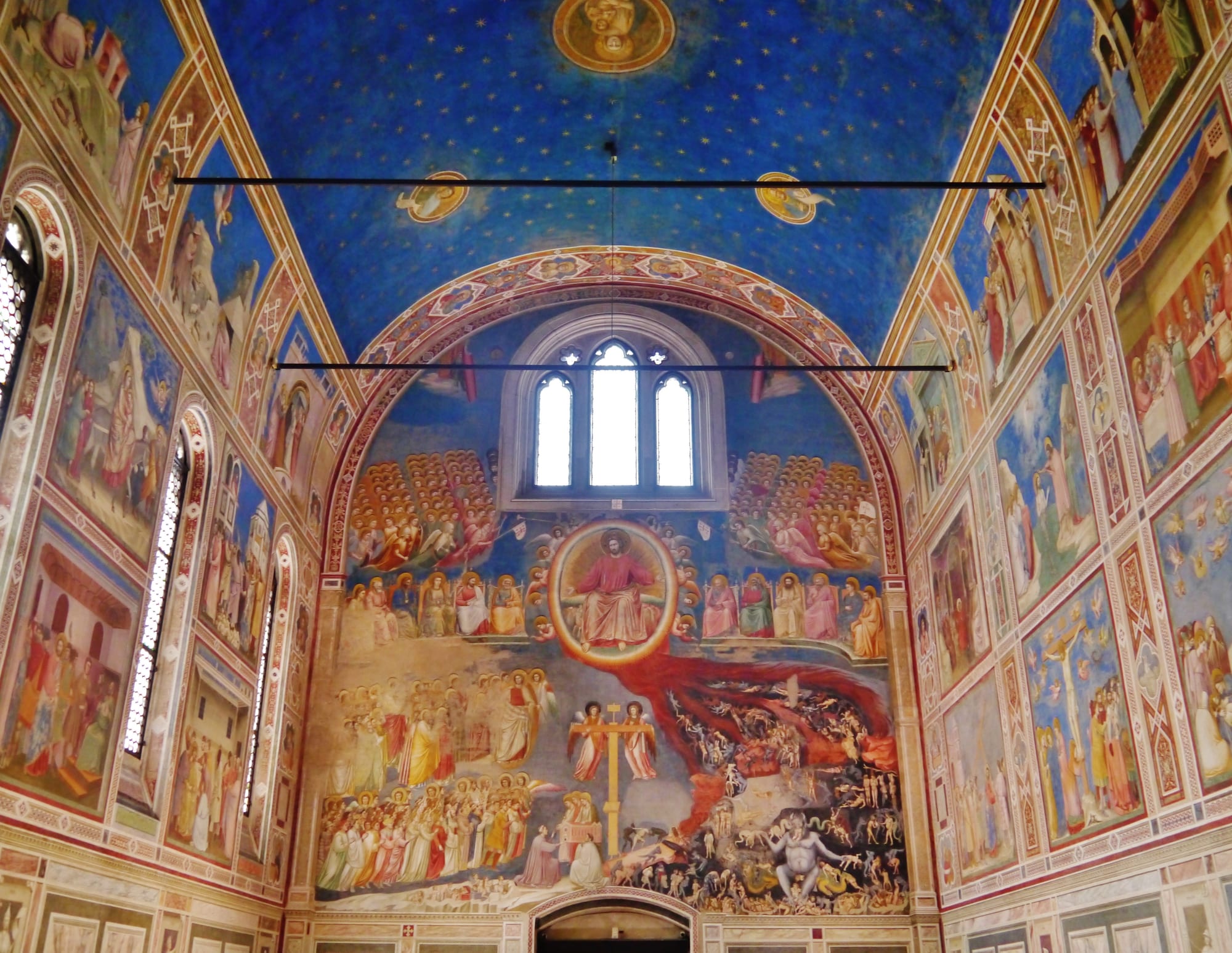
Nijedan prikaz goticke umetnosti ne moze zanemariti revolucionarno dostignuce Djota di Bondonea (oko 1267-1337), firentinskog slikara ciji rad u kapeli Skrovenjui (Arena kapela) u Padovi, zavrsen oko 1305, cesto se navodi kao najvaznija prekretnica u istoriji zapadnog slikarstva. Dok su vizantijski i raniji srednjovekovni slikari prikazivali figure kao ravne, shematske i beztezinske na zlatnim pozadinama, Djoto je svojim figurama dao nezapamcenu cvrstinu, volumen i emocionalno prisustvo. Njegovi likovi cvrsto stoje na tlu, zauzimaju uverljive trodimenzionalne prostore i izrazavaju prepoznatljive ljudske emocije — tugu, neznost, bes, ocaj — sa direktnoscu koja je morala biti zapanjujuca za njegove savremenike. U cuvenoj sceni Oplakivanja, zalostivi se skupljaju oko mrtvog Hrista sa sirovom, suzdrzanom tugom koja i dalje dira posmatrace sedam vekova kasnije. Djoto nije sam izumeo naturalizam, ali je njegovu emocionalnu moc demonstrirao tako uverljivo da je preusmerio tok italijanskog slikarstva i postavio temelje za renesansu koja ce uslediti vek kasnije.
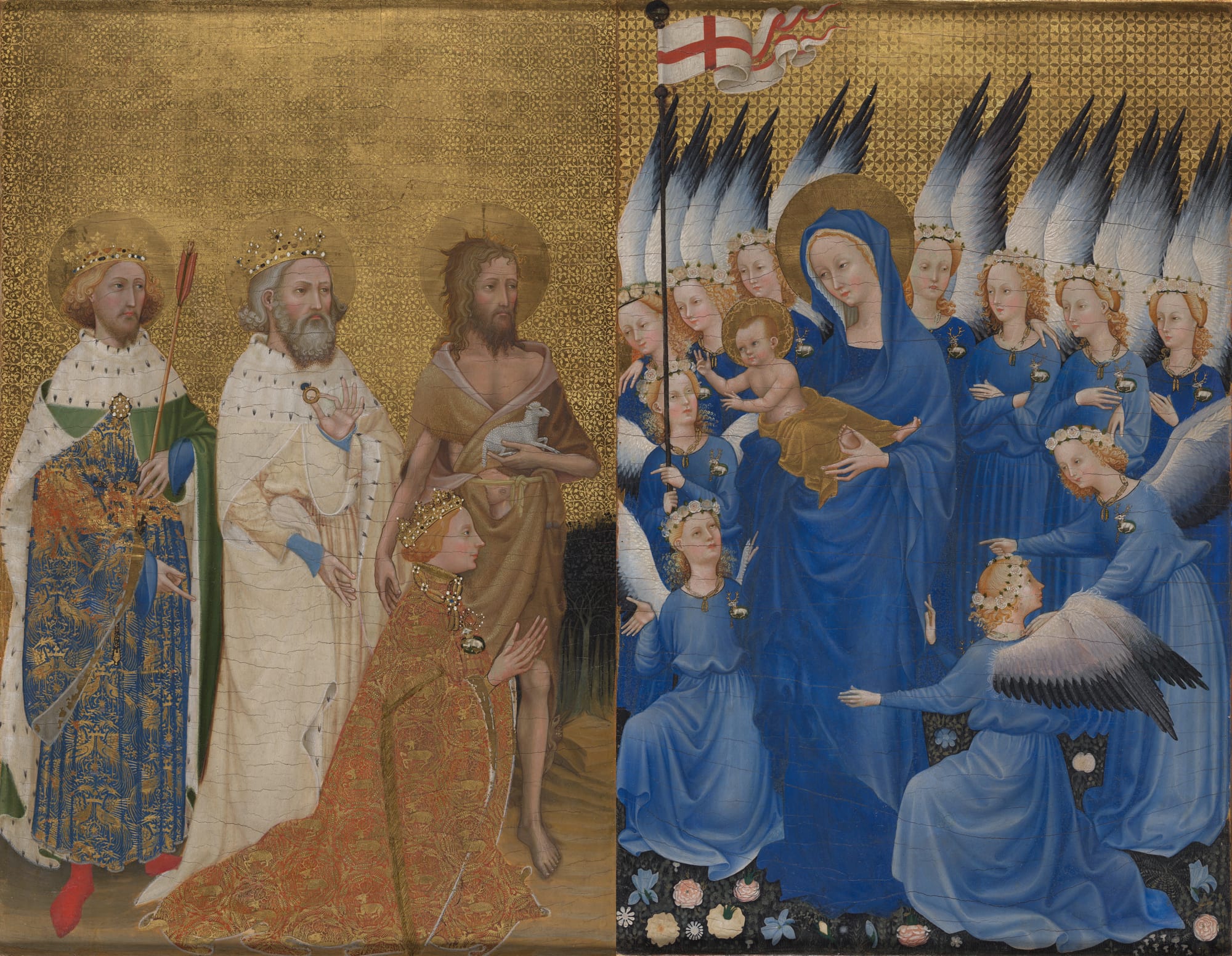
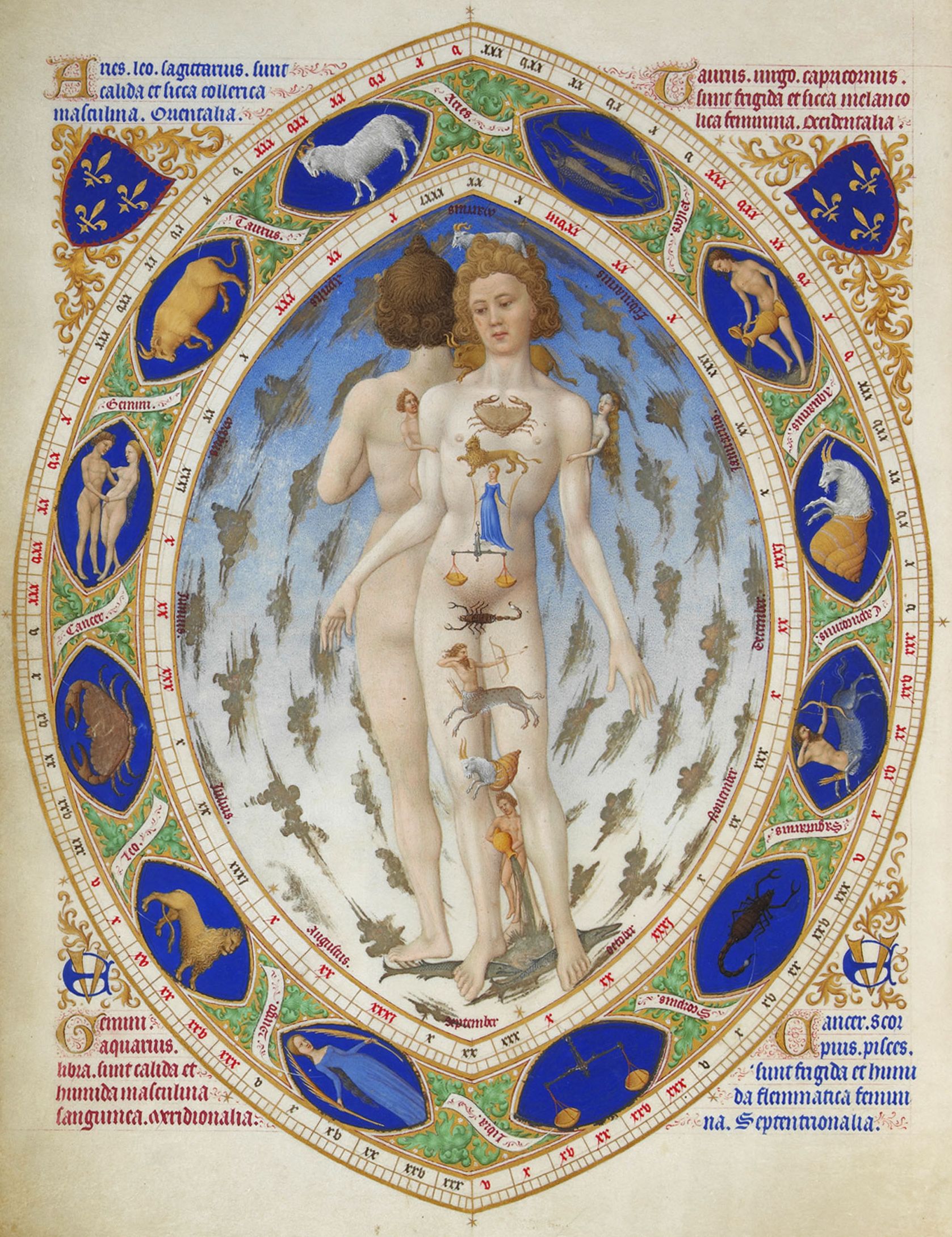
Zavrsna faza goticke umetnosti, poznata kao internacionalni goticki stil (oko 1375-1425), prosirila se po dvorovima Evrope kao profinjeni, elegantni i visoko dekorativni nacin slikarstva i iluminacije rukopisa. Karakterisan sinuoznim, tecnim linijama, bogatim bojama, rasposnim koriscenjem zlatnog lista i delikatnom paznjom prema prirodnim detaljima — cvece, ptice, tkanine, dragulje — internacionalna gotika je kombinovala dekorativnu raskoB severnoevropskog slikarstva rukopisa sa prostornim i figuralnim naprecima koje su pionirirali italijanski umetnici poput Djota. Tres Riches Heures du Duc de Berry, iluminirano od strane brace Limburg oko 1412-1416, vrhunsko je remek-delo ovog stila: njegove kalendarske stranice prikazuju poslove i zadovoljstva svakog meseca na pozadini pazljivo posmatranih pejzaza i zamkova, stvarajuci viziju aristokratskog zivota koja je istovremeno idealizovana i intimno posmatrana. Internacionalna gotika je predstavljala poslednje cvetanje srednjovekovne umetnosti, trenutak izuzetne prefinjenosti pre nego sto ce radikalnije transformacije renesanse pomesti je. Pa ipak, njeno nasledje je trajalo: paznja prema prirodnom detalju, ljubav prema bogatoj povrsini i integracija figure i pejzaza koja je karakterisala internacionalnu gotiku preuzeli su i transformisali veliki holandski slikari — Van Ajkovi, Rozije van der Vajden i njihovi naslednici — koji ce iskovati novu umetnicku tradiciju zapanjujuce moci i lepote.