Vizantijska umetnost je umetnicka tradicija Istocnog rimskog carstva, usredsredjena na njegovu velicanstvenu prestonicu Carigrad (danasnji Istanbul), koja se prostire vise od jedanaest vekova od osnivanja grada od strane cara Konstantina 330. godine nove ere do njegovog pada pod Osmanlijama 1453. godine. Savremenim posmatracima naviklim na naturalizam renesansne i postrenesansne umetnosti, vizantijske slike mogu u pocetku delovati kruto, sablonski i ravno. Ovaj utisak fundamentalno pogresno razume sta je vizantijska umetnost pokusavala da postigne. Vizantijski umetnici nisu pokusavali da prikazu fizicki svet i u tome propali; oni su pokusavali da ucine vidljivim nevidljivo — da stvore prozore u bozansku stvarnost koja lezi iza materijalnih pojava. Zlatne pozadine vizantijskih mozaika nisu predstavljale prazan prostor vec nestvorenu svetlost Boga. Velike, prodorne oci vizantijskih svetitelja nisu bile stilski hir vec poziv na duhovno srece. Namerno spljostavanja prostora je bilo teoloska izjava: carstvo nebesko ne postuje zakone zemaljske perspektive.
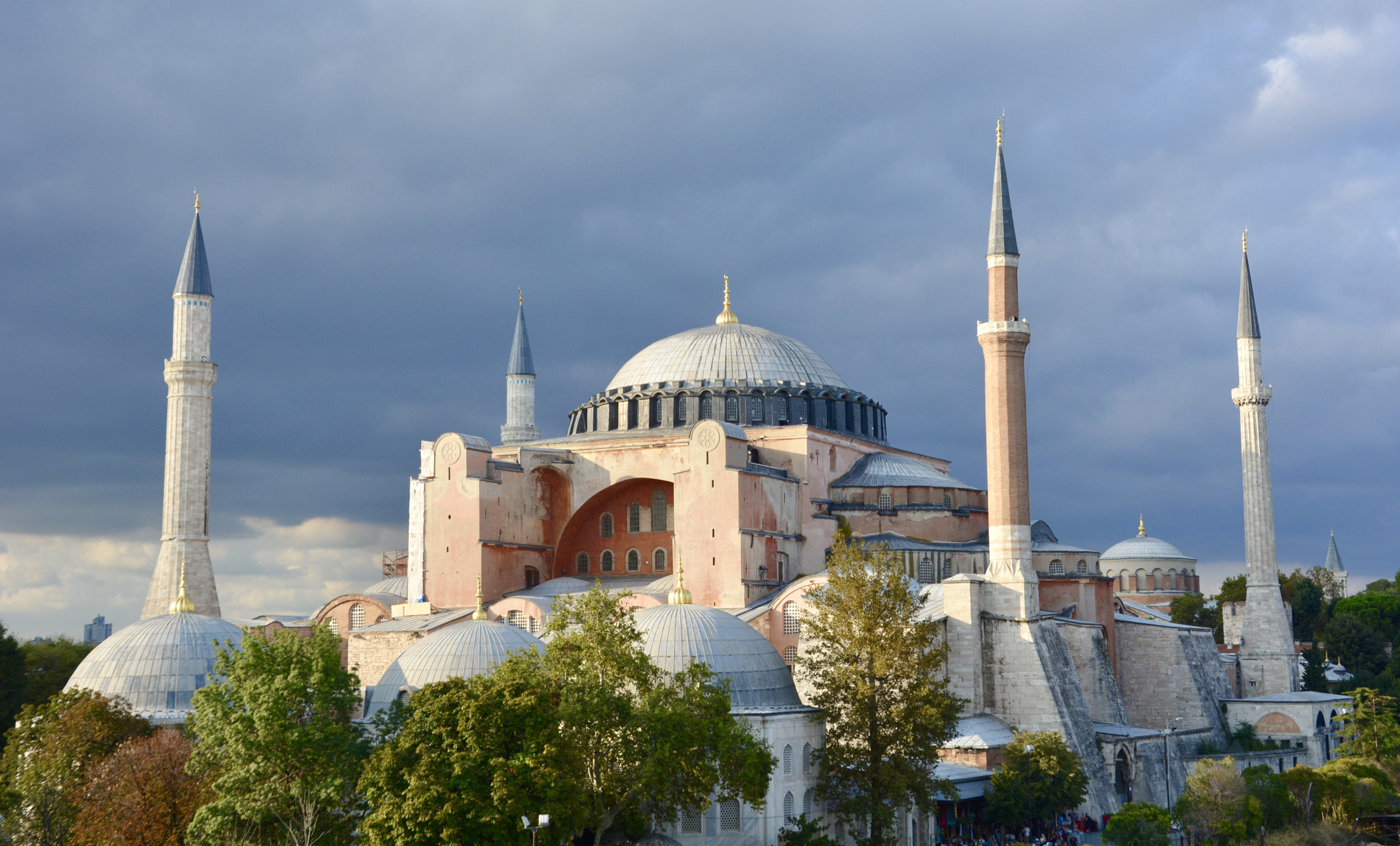
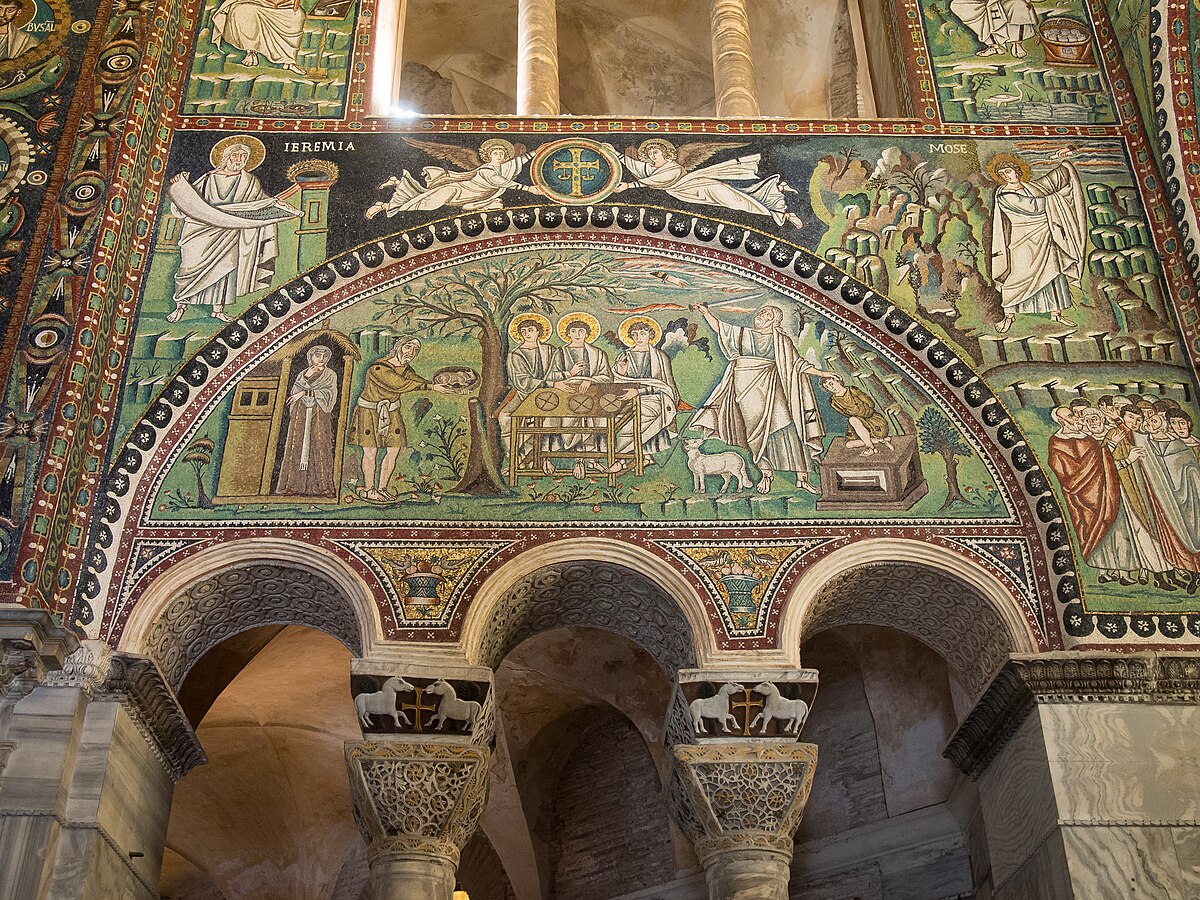
Vrhovni medijum vizantijske umetnosti bio je mozaik — hiljade sitnih kockica (tesera) od stakla, kamena i zlatnog lista utisnutih u malter da stvore slike izuzetne svetlosti. Najznacajniji sacuvani primer je unutrasnjost Aja Sofije u Carigradu, koju je sagradio car Justinijan izmedju 532. i 537. godine nove ere. Ogromna kupola crkve, koja se savremenicima cinila kao da je objesena sa neba zlatnim lancem, bila je ukraena blistavim mozaicima koji su pretvorili unutrasnjost u treperavu viziju raja. U Raveni, crkva San Vitale cuva poznate mozaicke panele cara Justinijana i carice Teodore sa njihovim dvorovima, slike koje spajaju carski i religioni autoritet sa hipnoticnom moci. Figure stoje u plitkom, nedefinisanom prostoru, stopalima jedva doticu tlo, ogromne oci uprtih pogledom koji kao da prevazilazi vreme. Zlatne tesere su bile postavljene pod blago razlicitim uglovima kako bi hvatale i rasipale svetlost sveca, cinecu da slike deluju kao da trepcaju i krecu se — izracunat efekat koji je pojacavao osecaj bozanskog prisustva.
Najtraumaticnija epizoda u istoriji vizantijske umetnosti bila je ikonoklasticka kontroverza, koja je potresla carstvo u dve faze (726-787. i 814-843). Ikonoklasti (“lomitelji slika”) tvrdili su da postovanje religioznih slika predstavlja idolatriju zabranjenu Svetim pismom i naredili su sistematsko unistavanje ikona i mozaika sirom carstva. Ikonofili (“ljubitelji slika”) odgovorili su sofisticiranom teoloskom odbranom: posto je Bog postao vidljiv u ovaplocu Hrista, bilo je ne samo dozvoljeno vec i neophodno prikazivati bozansko u materijalnom obliku. Ikona, tvrdili su, nije idol vec kanal milosti — postovanje ukazano slici prolazi do svete osobe koja je prikazana. Konacni trijumf ikonofila 843. godine, proslavljen kao “Trijumf pravoslavlja”, imao je duboke posledice za buducnost vizantijske i istocnohriucanske umetnosti. Uspostavio je teolosku legitimnost religioznih slika i kodifikovao stroga pravila za njihovu proizvodnju, osiguravajuci da ce ikonopis slediti uspostavljene prototipove za koje se verovalo da poticu od bozanski inspirisanih originala.
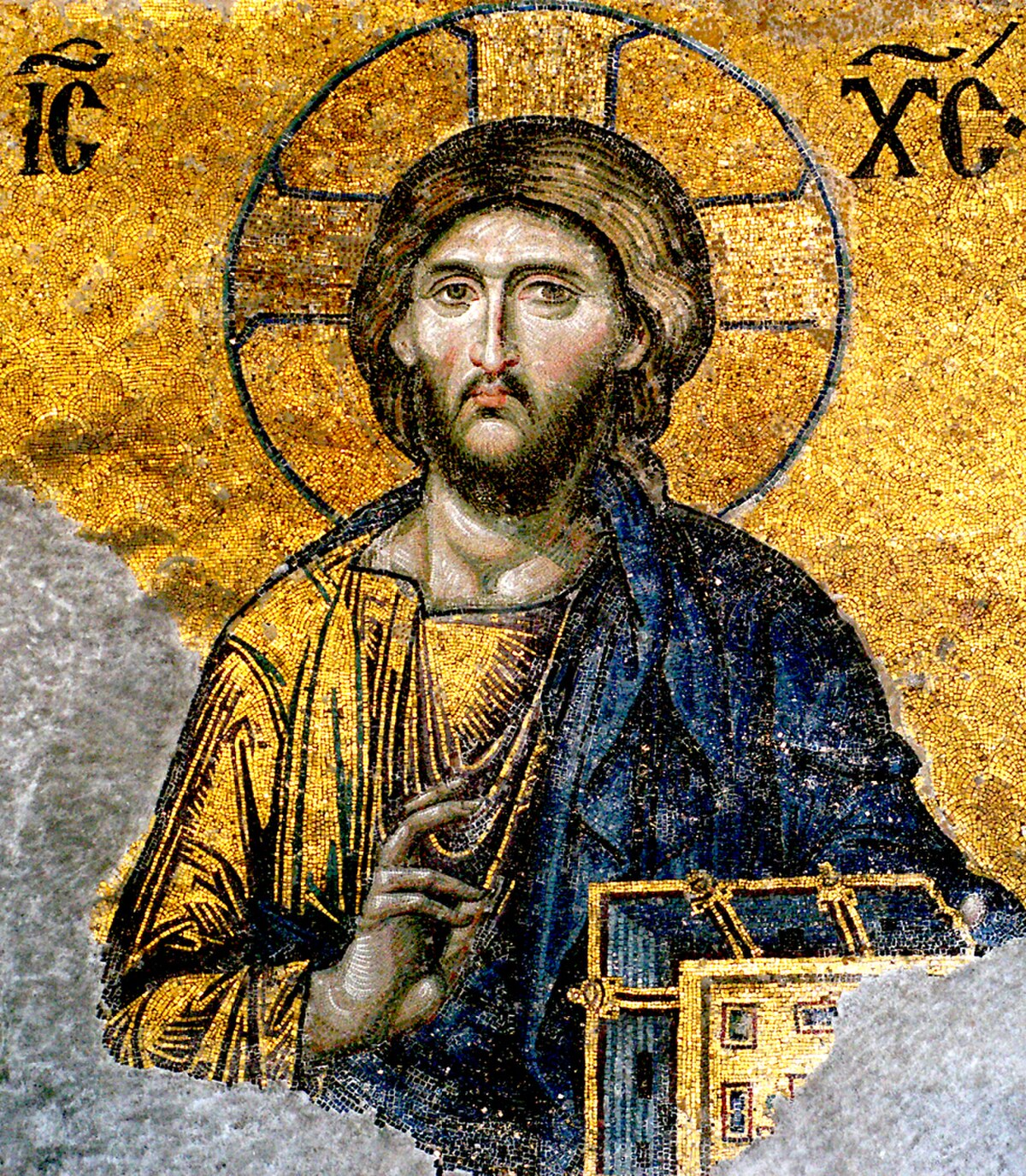
Tradicija ikonopisa postala je najintimniji i devociono najvazniji oblik vizantijske umetnosti. Ikone — prenosivi paneli slikani obicno temperom na jajetu na drvetu — prikazivali su Hrista, Bogorodicu, svece i scene iz Svetog pisma prema strogo kodifikovanim formulama. Ikonopisac se nije smatrao kreativnim umetnikom u modernom smislu vec vernim prenosiocem svete tradicije, ciji je rad zahtevao molitvu i post jednako koliko i tehnicku vestinu. Lica vizantijskih ikona, sa izduzenim nosevima, malim ustima i ogromnim bademastim ocima, bila su dizajnirana da komuniciraju duhovna stanja pre nego fizicke pojave. Najpoznatiji tip ikone, Hristos Pantokrator (“vladar svega”), prikazuje Hrista kako drzi Jevandjelic u jednoj ruci i podize drugu u blagoslovu, lice mu je suptilno asimetricno — jedna strana odasilje milost, druga sud. Najfiniji sacuvani primer, mozaik Hristos Pantokrator u manastiru Dafni kod Atine (oko 1100), slika je izuzetnog psiholoskog intenziteta, ciji pogled je istovremeno saosecajan i neumoljiv.
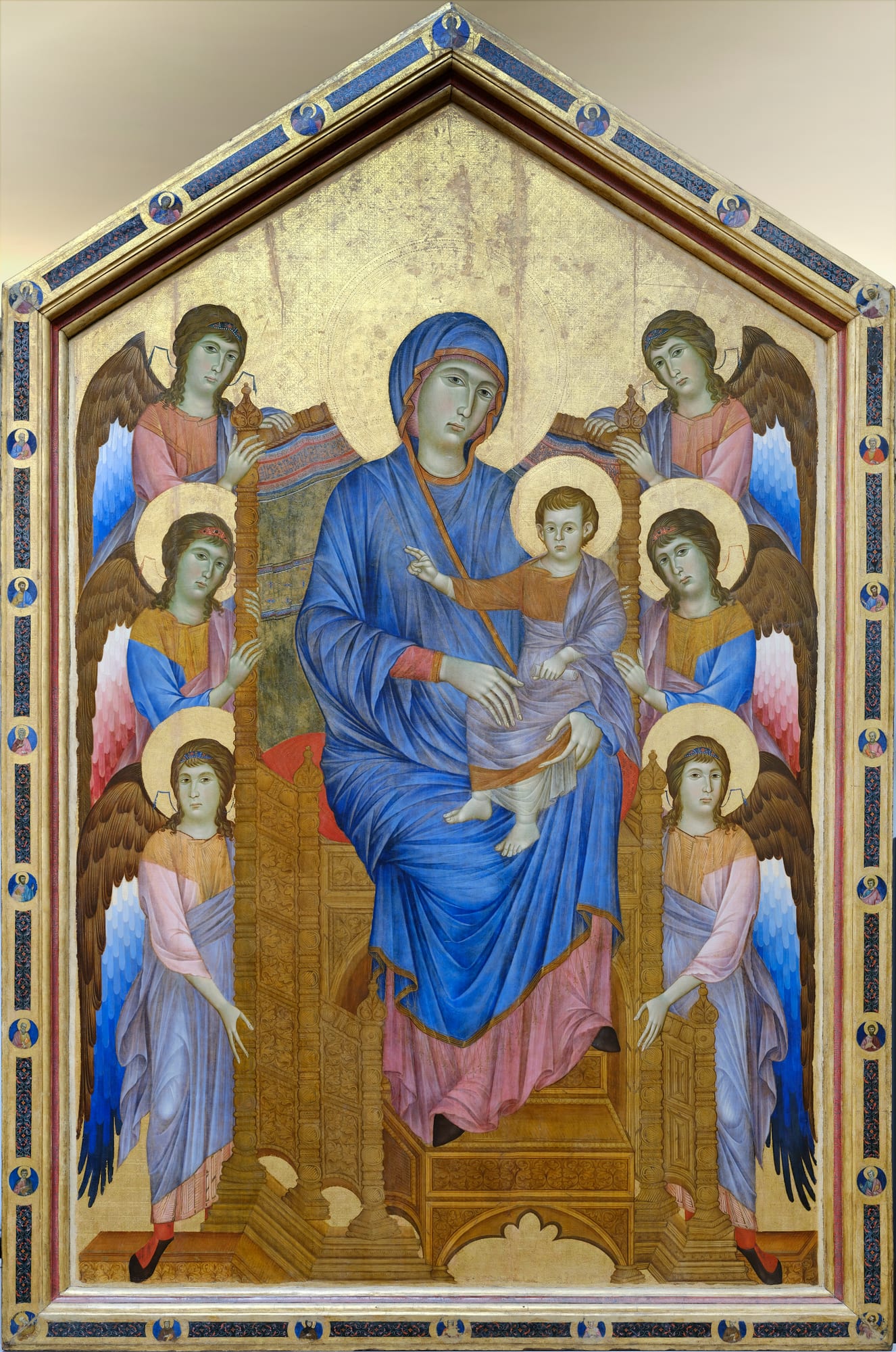
Uticaj vizantijske umetnosti zraci napolje kroz prostor i vreme. Na istoku, vizantijske umetnicke tradicije oblikovale su ikonopis, crkvenu arhitekturu i iluminaciju rukopisa pravoslavnog hrisceanskog sveta — Rusije, Srbije, Bugarske, Rumunije, Gruzije i sire. Ruska tradicija ikonopisa, koja je dala remek-dela poput Trojstva Andreja Rubljova (oko 1410), direktan je nastavak vizantijskih modela prilagodjenih lokalnim duhovnim senzibilitetima. Na zapadu, vizantijski mozaici i ikone duboko su uticali na razvoj italijanskog slikarstva u trinaestom i cetrnaestom veku. Zlatne pozadine, frontalne poze i hijeraticne kompozicije slikara poput Cimabua i mladog Djota nesumnjivo su vizantijskog porekla, i upravo je apsorbovanjem a zatim transformisanjem ovog vizantijskog nasledja italijanski umetnici pokrenuli revoluciju koju zovemo renesansom. Cak i u modernoj eri, vizantijska umetnost nastavlja da inspirise — njena radikalna ravnost, njeno odbacivanje iluzionistickog prostora i njen naglasak na duhovnom sadrzaju pre nego na fizickom izgledu odjeknuli su kod umetnika od Anrija Matisa do Marka Rotka, koji su u zlatnim mozaicima Ravene i Carigrada prepoznali moc koja prevazilazi puko reprezentativno.