Godine 1967, umetnik Sol Levit objavio je “Paragrafe o konceptualnoj umetnosti” u casopisu Artforum, artikulisuci princip koji ce preoblikovati svet umetnosti: “Ideja postaje masina koja stvara umetnost.” Levit je tvrdio da je koncept ili sistem iza umetnickog dela vazniji od njegove fizicke realizacije. Njegovi sopstveni zidni crtezi demonstrirali su ovaj princip: on je kreirao setove pisanih instrukcija, poput “nacrtajte linije od sredine jedne strane do sredine susedne strane”, koje je mogao izvesti bilo ko, bilo gde, u bilo kojoj razmeri. Nastali crtezi su se razlikovali sa svakom instalacijom, ali umetnicko delo je bila sama instrukcija, a ne bilo koja pojedinacna fizicka manifestacija. Ova naizgled jednostavna promena — od objekta ka ideji, od zanatstva ka konceptu — otvorila je mogucnosti koje umetnici jos uvek istrazuju danas.
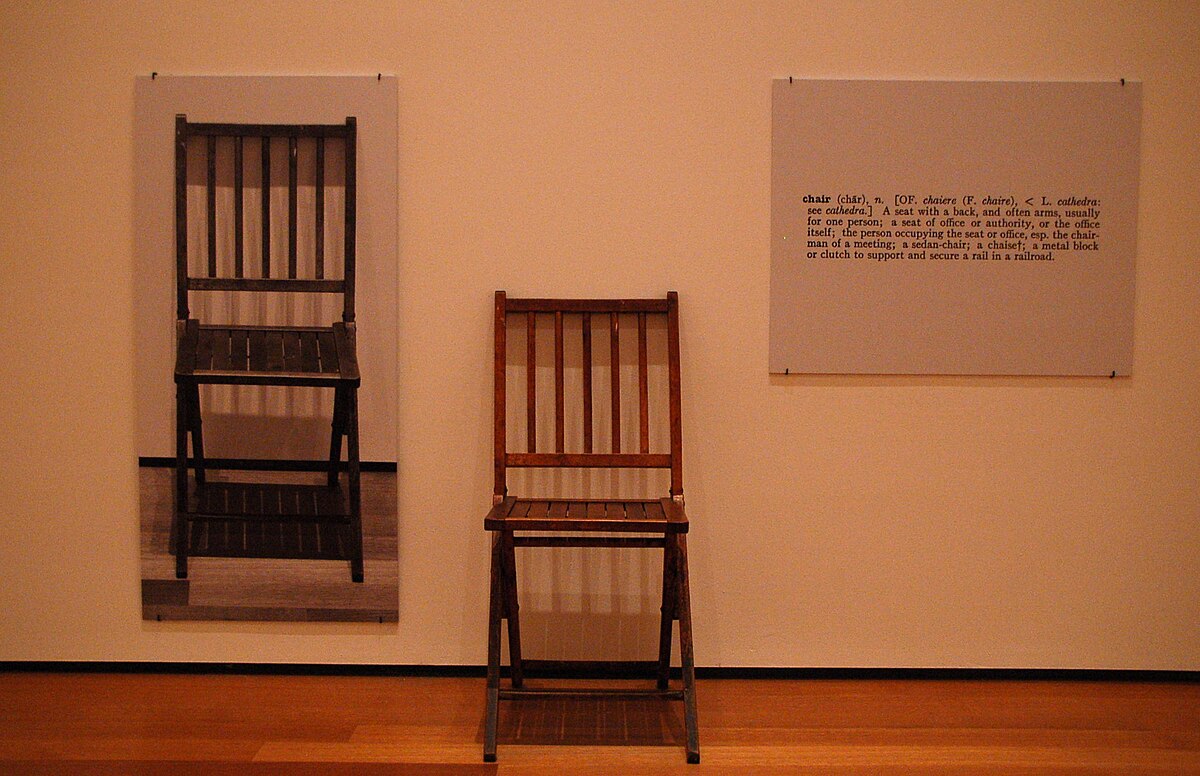
Dozef Kosut je gurao konceptualno istrazivanje jos dalje, izjavivsi u svom eseju iz 1969. “Umetnost posle filozofije” da je “sva umetnost (posle Disana) konceptualne prirode jer umetnost postoji samo konceptualno.” Njegovo prelomno delo One and Three Chairs (1965) predstavlja tri verzije istog objekta: fizicku sklopivu stolicu, fotografiju te stolice u prirodnoj velicini i uvecu recnicku definiciju reci “stolica”. Delo postavlja varljivo jednostavno pitanje: koja od ovih je prava stolica? Fizicki objekat, vizuelna reprezentacija ili lingvisticki koncept? Kosutovo istrazivanje se oslanjalo na filozofiju Ludviga Vitgenstajna i anticipiralo je brige poststrukturalisticke teorije, brisuci granice izmedju umetnosti, filozofije i lingvistike. Drugi umetnici su pratili srodna istrazivanja: Lorens Vajner je predstavljao dela koja se u potpunosti sastoje od teksta koji opisuje radnje koje bi mogle ili ne bi mogle biti izvedene; On Kavara je svakog dana slikao datum na platnu; Robert Beri je izjavio da se njegova umetnost sastoji od “stvari koje znam ali o kojima u ovom trenutku ne razmisljam.”
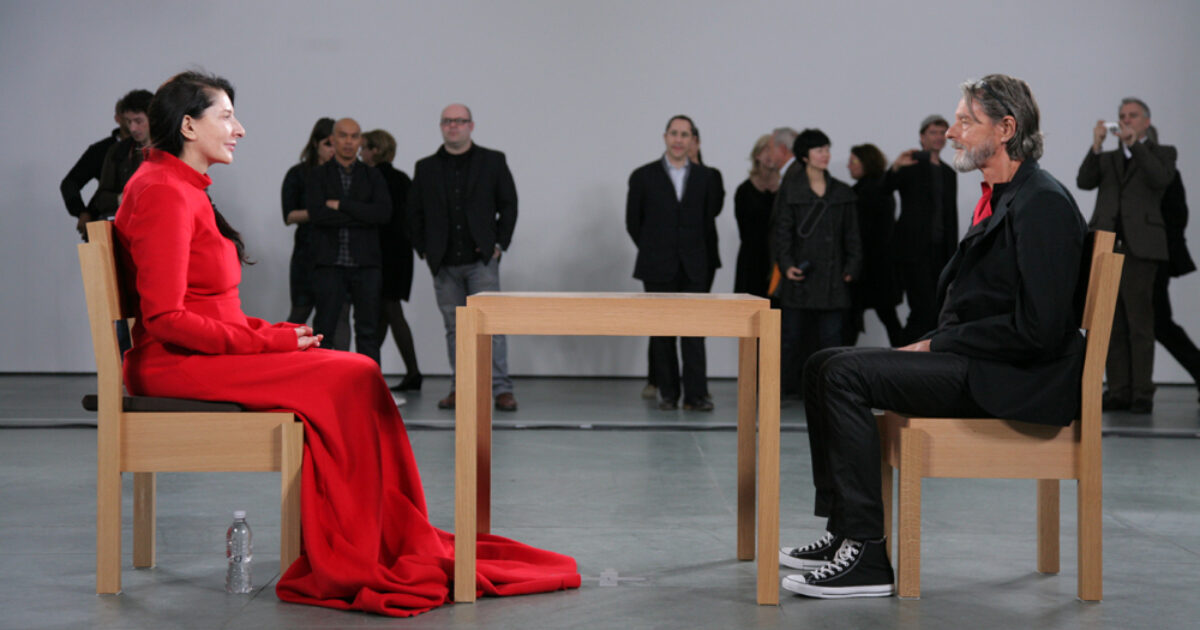
Performans umetnost je postala jedan od najvitalnijih i najtrajnijih ogranaka konceptualne umetnosti. Nemacki umetnik Jozef Bojs je izvodio elaborirane “akcije” koje su kombinovale autobiografsku mitologiju, politicki aktivizam i samanisticke rituale. U delu I Like America and America Likes Me (1974), Bojs je prevezen kolima hitne pomoci sa aerodroma do njujorske galerije, gde je proveo tri dana u sobi sa zivim kojotom, umotan u filc i sa pastirskim stapom u ruci. Performans je istovremeno bio komentar americke kulture, ritualisticki susret sa divljinom i meditacija o traumi i isceljenju. Marina Abramovic se posvetila duracionom performansu sa izvanrednom fizickom i psiholoskom posvecenosccu tokom pet decenija. U delu The Artist is Present (2010) u Muzeju moderne umetnosti u Njujorku, sedela je nepomicno za drvenim stolom vise od sedamsto sati tokom tri meseca, cutke gledajuci u oci svakog posetioca koji bi seo nasuprot njoj. Delo je izazvalo intenzivne emocionalne reakcije, pri cemu su mnogi ucesnici bili dirnuti do suza, demonstrirajuci da najjednostavniji ljudski gestovi — prisustvo, paznja, neprekidni kontakt ocima — mogu proizvesti iskustva jednako mocna kao bilo koje materijalno umetnicko delo.
Institucionalna kritika, struja konceptualne umetnosti koja se pojavila kasnih 1960-ih i 1970-ih, okrenula je alate analize ka samom svetu umetnosti. Umetnici poput Marsela Brodtarsa, Hansa Hakea i Andree Frejzer ispitivali su kako muzeji, galerije i trziste umetnosti konstruisu znacenje i vrednost. Brodtars je kreirao fiktivni muzej, Musee d’Art Moderne, Departement des Aigles, koji je parodirao konvencije muzejskog izlaganja istovremeno razotkrivajuci njihove ideoloske temelje. Hakeovi istrazivacki radovi otkrivali su finansijske i politicke interese iza umetnickog mecenastva, ponekad izazivajuci toliku kontroverzu da su izlozbe otkazivane. Performansi Andree Frejzer, u kojima je preuzimala ulogu muzejskog vodicai ili predstavnika galerije, razotkrili su drustvene rituale i dinamiku moci koja upravlja iskustvom umetnosti u institucionalnom okruzenju. Ovi umetnici su demonstrirali da galerija nikada nije neutralan prostor vec slozen drustveni i ekonomski aparat koji oblikuje sta vidimo, kako to vidimo i sta vrednujemo.
Najtrajniji doprinos konceptualne umetnosti je trajno prosirenje onoga sto umetnost moze biti. Pre pokreta, umetnost se prvenstveno razumela kao fizicki objekat — slika, skulptura ili grafika — napravljen vestom rukom i izlozen u namenskom prostoru. Posle konceptualne umetnosti, umetnost je mogla biti set instrukcija, performans, razgovor, pravni ugovor, intervencija u javnom prostoru, baza podataka ili misaoni eksperiment. Ovo prosirenje je bilo i slavljeno i osporavano; kriticari optuzuju konceptualnu umetnost da je ispraznila vestinu, lepotu i emocionalnu dubinu iz umetnicke prakse, dok branioci tvrde da je oslobodila umetnike od tiranije robe i otvorila umetnost glasovima i praksama koje su ranije bile iskljucene. Ono sto je neosporno je da gotovo svaki znacajan razvoj u savremenoj umetnosti — od instalacije i video umetnosti do relacione estetike i digitalne prakse — nosi pecat konceptualne revolucije.
Joko Ono i njeni radovi zasnovani na instrukcijama, od kojih mnogi prethode formalnom nastanku konceptualne umetnosti, predstavljaju jednu od najradikalnijih i najpoetskijih struja pokreta. Njena knjiga Grapefruit iz 1964. sakupila je partiture “dela-instrukcija” — kratke tekstualne direktive poput “Zamislite da oblaci kapaju. Iskopajte rupu u basti da ih stavite u nju” i “Nacrtajte mapu da se izgubite” — koje postoje kao umetnost u prostoru izmedju jezika i imaginacije. Ova dela, koja nisu zahtevala nikakav materijalni objekat i mogla su biti realizovana (ili jednostavno kontemplirana) od strane bilo koga, anticipirala su dematerijalizaciju umetnickog objekta za nekoliko godina. Veza Joko Ono sa pokretom Fluksus — medjunarodnom mrezom umetnika ukljucujuci Dzorza Makunasa, Nam Djun Pajka, Dika Higinsa i Alison Noulz koja je delovala od ranih 1960-ih — situirala je njen rad u siri tok anti-umetnicke aktivnosti koji je brisao granice izmedju muzike, vizuelne umetnosti, poezije i performansa. Fluksus dogadjaji, ili “hepeninzi”, na kojima su izvodjaci mogli da uniste klavir, dele narandze publici ili sede u tisini, delili su sa konceptualnom umetnosccu uverenje da umetnost moze biti konstituisana bilo kojom akcijom, gestom ili idejom, koliko god prolaznom ili naizgled trivijalnom.
Dzeni Holcer je razvila jedno od najprepoznatljivijih i javno najvidljivijih opusa u konceptualnoj tradiciji kroz upotrebu teksta kao primarnog umetnickog medijuma. Njene Truizme (1977-1979), serija od priblizno 250 jednorednih izjava poput “Zloupotreba moci ne dolazi kao iznenadenje”, “Zastitite me od onoga sto zelim” i “Privatna svojina je stvorila zlocin”, prvobitno su bile postavljene kao anonimni leci na ulicama Menhetna, njihova aforisticna forma imitirala je jezik reklame, propagande i narodne mudrosti. Holcer je naknadno projektovala svoje tekstove na zgrade, prikazivala ih na LED ekranima na Tajms Skveru i u Muzeju Gugenhajm, i klesala ih u kamene klupe, eksploatisuci tehnologije javne komunikacije da ubaci subverzivan, cesto politicki nabijen jezik u tkivo svakodnevnog zivota. Njen rad demonstrira da tekst, lishen slike i predstavljen u bezlicnim formatima masovnih medija, moze proizvesti estetska i emocionalna iskustva jednako mocna kao bilo koje vizuelno umetnicko delo, istovremeno preispitujuci mehanizme kroz koje jezik oblikuje uverenje, pristanak i politicku subjektivnost.
Aj Vejvej se pojavio kao najmedjunarodno istaknutiji prakticar politicki angazovane konceptualne umetnosti u dvadeset prvom veku, koristeci umetnost kao sredstvo za aktivizam u oblasti ljudskih prava i neslaganje sa autoritarnom vlascu. Njegovi Sunflower Seeds (2010), instalacija od sto miliona pojedinacno rucno izradjenih porculanskih semenki rasutih po podu Turbinske dvorane muzeja Tejt Modern, bavili su se masovnom proizvodnjom, individualnosccu i odnosom izmedju kineske drzave i njenih gradjana sa ekonomijom sredstava i monumentalnom razmeroml koja podsecu i na minimalizam i na tradicionalni kineski zanat. Njegovo dokumentovanje imena dece poginule u zemljotresu u Sicuanu 2008. zbog lose konstrukcije skola, i njegovo naknadno pritvaranje od strane kineskih vlasti, demonstrirali su da strategije konceptualne umetnosti — dokumentacija, istraga i javna komunikacija — mogu funkcionisati kao genuinska politicka akcija a ne samo kao estetski komentar. Praksa Aj Vejveja, koja obuhvata arhitekturu, skulpturu, film, drustvene mreze i zalaganje za izbeglice, ilustruje insistiranje konceptualne tradicije da umetnost nije definisana medijem ili materijalom vec intelektualnim i etickim opredeljenjem koje je pokrece.
Relaciona estetika, teoretizovana od strane francuskog kustosa Nikolasa Burioa u njegovoj knjizi istog naziva iz 1998, predstavlja jedan od najznacajnijih novijih razvoja u konceptualnoj liniji. Burio je tvrdio da nova generacija umetnika proizvodi dela ciji primarni materijal nisu objekti ili slike vec ljudski odnosi i drustvene interakcije. Tajlandski umetnik Rirkrit Tiravanija postao je paradigmaticna figura ove tendencije: na svojoj prelomnoj izlozbi u galeriji 303 u Njujorku 1992, pretvorio je galerijski prostor u funkcionalnu kuhinju i sluzio besplatan pad taj posetiocima, predlazuci da sam drustveni susret deljenja obroka cini umetnicko delo. Arhitektonske intervencije Lijama Gilika, interaktivni tobogani i rotirajuce hotelske sobe Karstena Holera, i gomile slatkisa Feliksa Gonzales-Toresa koje su posetioci bili pozvani da uzmu i pojedu, svi ilustruju insistiranje relacione umetnosti da posmatrac nije pasivni gledalac vec aktivni ucesnik cije prisustvo kompletira delo. Relaciona estetika je bila i slavljena kao demokratsko prosirenje drustvenih mogucnosti umetnosti i kritikovana od strane naucnika poput Kler Bisop, koja tvrdi da njen naglasak na prijatnosti rizikuje depolitizaciju umetnosti zamenom prijatne drustvene interakcije za genuinnu kriticku angazovanost.