Minimalizam je nastao pocetkom 1960-ih kao radikalno svodjenje umetnosti na njene najosnovnije elemente. Dok je apstraktni ekspresionizam ispunjavao platna turbulentnim emocijama i gestualnom energijom, minimalisti su tezili da prociste umetnost od svakog subjektivnog izraza, narativnog sadrzaja i reprezentacijske iluzije. Njihova dela — geometrijske forme izgradjene od industrijskih materijala, nizovi identicnih objekata, prosstranstva ciste boje — imala su za cilj da posmatracu predstave nista vise i nista manje od fizicke cinjenice samog objekta. Slikar Frenk Stela, cije su rane slike sa crnim prugama bile kljucni preteeca pokreta, izrazio je to sa karakteristicnom direktnoscu: “Ono sto vidite je ono sto vidite.” Nije bilo skrivenog znacenja, simbolickog sadrzaja, prozora u umetnikovu dusu. Umetnicko delo bilo je jednostavno stvar u prostoriji, a iskustvo posmatraca koji se susrece sa njim u realnom prostoru i vremenu bilo je umetnost.
Donald Dzad je postao najrigorozniji teoreticar i praktikant pokreta. U svom uticajnom eseju “Specificni objekti” iz 1965, Dzad je tvrdio da najinteresantnije novo delo nije ni slikarstvo ni skulptura vec nesto izmedju: trodimenzionalni objekti koji zauzimaju realan prostor bez predstavljanja icega. Njegova sopstvena dela, koja je odbijao da nazove skulpturama, sastojala su se od identicnih geometrijskih jedinica — kutija od galvanizovanog gvozdja, aluminijuma ili pleksiglasa — raspporedjenih u sistematske sekvence. Untitled (Stack) (1967) predstavlja vertikalni niz identicnih metalnih kutija montiranih na galerijski zid u jednakim razmacima, pri cemu prostori izmedju njih precizno odgovaraju visini samih kutija. Delo nema postolje, ram, kompozicionu hijerarhiju. Svaka jedinica je identicna; jedina varijabla je promenljiva perspektiva posmatraca dok se krece kroz prostor. Dzad je na kraju napustio Njujork i preselio se u udaljeni teksaski grad Marfu, gde je instalirao svoja dela u preuuredjene vojne zgrade, stvarajuci trajno okruzenje u kojem umetnost, arhitektura i pejzaz postoje u neprekidnom dijalogu.
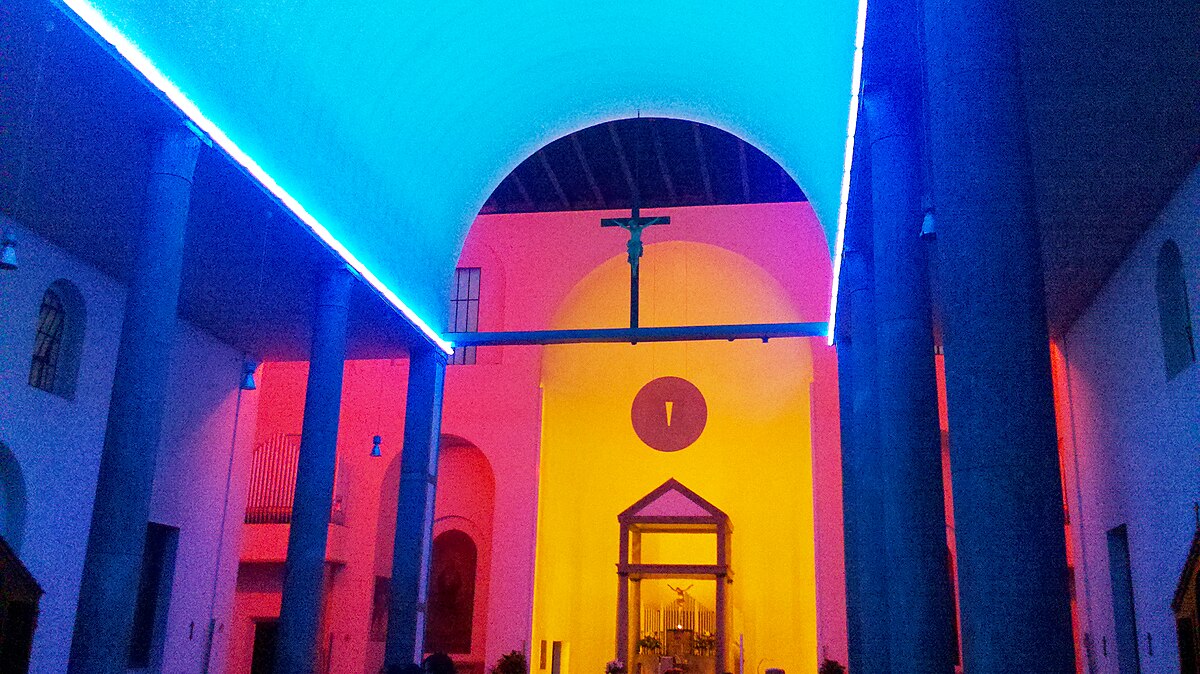
Den Flavin je radio sa jos radikalnije skromnim materijalom: komercijalno dostupnim fluorescentnim cevima. Njegova serija Monument for V. Tatlin, zapoceta 1964, sastoji se od belih fluorescentnih cevi raspporedjenih u konfiguracije koje odaju pocasst ruskom konstruktivisti Vladimiru Tatljinu i njegovoj neostvarenoj kuli. Flavinov genije bio je u prepoznavanju da fluorescentno svetlo transformise prostor oko sebe; cevi bacaju obojene odsjaje na zidove, tavanice i podove, ispunjavajuci prostoriju nematerijalnom svetloscu koja rastapa granicu izmedju umetnickog dela i njegovog okruzenja. Njegove instalacije demonstriraju da najjednostavniji industrijski materijali, dostupni u svakoj prodavnici, mogu proizvesti iskustva istinske lepote i prostornog cuda kada se koriste sa inteligencijom i osetljivoscu.
Agnes Martin, iako se opirala minimalistickoj etiketi i smatrala sebe apstraktnom ekspresionistkinjom, stvarala je delo koje duboko rezonira sa minimalistickim brigama. Njene slike sastoje se od blagih olovnih mrezica nacrtanih na bledim, svetlecim podlogama akrilnog premaza, cije su povrsine toliko suptilne da deluju kao da disu i trepcere na promenljivom svetlu. Martin je govorila o svom radu u terminima emocija i duhovnog iskustva, opisujuci svoje mreze kao izraze “nevinosti” i “srece”, sto je razlikuje od bezlicnijeg stava Dzada ili Flavina. Pa ipak, formalna disciplina njenog rada, sistematsko ponavljanje, redukcija sredstava i fokus na perceptualno iskustvo posmatraca, blisko je povezuju sa minimalistickim projektom. Njene slike zahtevaju sporo, pazljivo posmatranje; njihove nagrade su tihe i kumulativne, otkrivajuci se samo posmatracima koji su voljni da provedu vreme u njihovom prisustvu.
Odnos minimalizma prema arhitekturi i prostoru je fundamentalan za razumevanje pokreta. Ovo nisu bile stafelajne slike za kacenje na zid dnevne sobe, vec objekti koji su transformisali prostorije u kojima su se nalazili. Minimalisti su pazljivo razmisljali o instalaciji: visini na kojoj su objekti postavljeni, rastojanju izmedju njih, kvalitetu ambijentalne svetlosti, nacinu na koji se telo posmatraca krece kroz galeriju. Ova paznja prema fenomenoloskom iskustvu susretanja umetnosti u realnom prostoru postavila je osnovu za instalacionu umetnost, skulpturu specificnu za lokaciju i citavu savremenu praksu kuriranja izlozbi kao prostornih iskustava. Minimalizam je takodje direktno uticao na arhitekturu; njegove ciste geometrije i industrijski materijali nasli su odjek u radu arhitekata poput Tadao Anda i Petera Cumtora. Uprkos svom prividnom asketizmu, ili mozda bas zbog njega, minimalizam ostaje jedan od najuticajnijih pokreta dvadesetog veka, veciti podsetnik da manje zaista moze biti vise.
Rana karijera Frenka Stele pruzila je kljucni most izmedju iscrpljenosti apstraktnog ekspresionizma i pojave minimalizma kao potpuno artikulisane pozicije. Njegove Crne slike iz 1958-1960, izlozene na izlozbi Muzeja moderne umetnosti “Sesnaest Amerikanaca” 1959, sastojale su se od paralelnih crnih pruga razdvojenih tankim linijama goloog platna, ciji su uzorci bili u potpunosti odredjeni oblikom noseca. Stelina izjava “Ono sto vidite je ono sto vidite” postala je definissuci moto pokreta, otvoreno odbijanje metafizicke dubine, simbolickog sadrzaja i autobiografskog izraza. Njegoova kasnija oblikovana platna — zaseceni, L-oblika i poligonalni nosaci koji su od samog platna napravili objekat umesto prozora — gurnuli su slikarstvo ka stanju skulpture i direktno anticipirali trodimenzionalne “specificne objekte” koje ce Dzad zagovarati. Stelin napredak od Crnih slika kroz Aluminijumsku, Bakarnu i Ljubiccastu seriju pokazao je da sistematska, na pravilima zasnovana kompozicija moze generisati vizuelno bogatstvo bez pribegavanja subjektivnom gestu, pruzajuci minimalizmu i intelektualni okvir i estetski dokaz koncepta.
Kriticka debata oko minimalizma proizvela je neke od najznacajnijih umetnicko-teorijskih tekstova dvadesetog veka. Klement Grinberg, borac za apstraktni ekspresionizam i slikarstvo bojenog polja, gledao je na minimalizam sa dubokom sumnjom, videci ga kao povlacenje od opticke slozenosti koju je cenio u ono sto je prezrivo nazvao “umetnoscu noviteta”. Najsnazzziji napad dosao je od Majkla Frida, ciji je esej “Umetnost i predmetnost” iz 1967. tvrdio da su minimalisticka dela fundamentalno “teatralna” jer zavise od fizickog prisustva i vremenskog iskustva posmatraca za svoj efekat — kvaliteti koje je Frid povezivao sa pozorisstem umesto sa autonomnim, samodostatnim umetnickim objektom koji je cenio. Fridova osuda teatralnosti bila je zamisljena kao definitvno pobijanje, ali su minimalisti i njihovi pristalice prihvatili upravo one kvalitete koje je on kritikovao. Fenomenolooska dimenzija susreta izmedju posmatraca, objekta i prostora, koju je Frid video kao korumpiranje umetnicke cistooce, postala je centralna za teoriju i praksu kasnijje instalacione umetnosti, performansa i rada specificnog za lokaciju, cineci “Umetnost i predmetnost” jednim od onih retkih kritickih tekstova ciji je uticaj bio najveci medju onima koji odbacuju njegove zakljucke.
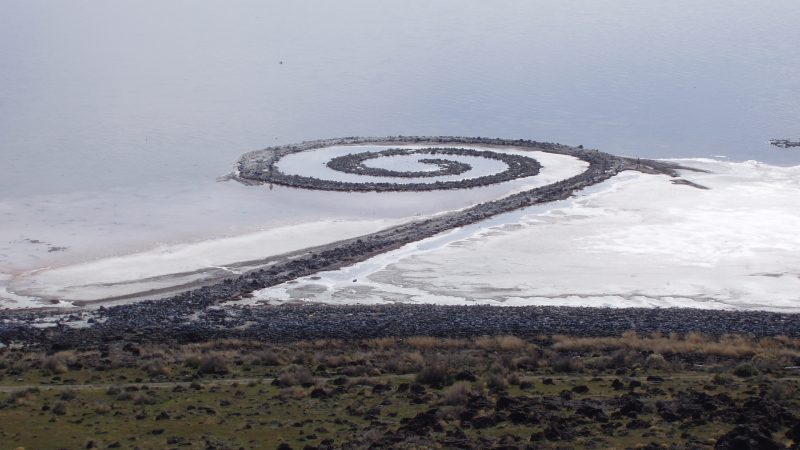
Lend art se pojavio krajem 1960-ih kao logicno prosirenje minimalisticke angazovanosti sa realnim prostorom, razmerom i industrijskim materijalima, prenoseci te brige iz galerije u prostrane pejzaze americkog Zapada. Spiral Jetty Roberta Smitsona (1970), spirala od crnog bazalta, krecnjaka i zemlje duga petsto metara koja se pruza u Veliko slano jezero u Juti, najikonicnije je delo pokreta: monumentalne razmere ali podlozno silama erozije, fluktuacije nivoa vode i kristalizacije soli, postojii u stanju neprekidne transformacije koju je Smitson opisao kroz svoj koncept “entropije”. The Lightning Field Voltera de Marije (1977), niz od cetiristto stubova od nerddjajuceg celika raspporedjenih u mrezu preko udaljene ravnice u Novom Meksiku, stvara uzvissenu konjunkciju geometrijskog reda i prirodnih atmosferskih sila. Double Negative Majkla Hajzera (1969-1970), dva ogromna rova iskopana u pustinji Nevade koji su pomerili 244.000 tona stene, definisao je skulpturu kao uklanjanje a ne dodavanje materijala. Ova dela prosirila su minimalisticko odbacivanje robnoog objekta do krajnjeg zakljucka: umetnickka dela suvise velika da budu sakupljena, suvise udaljena da se lako posete i suvise uklopljena u svoja okruzenja da se pomere.
Uticaj minimalizma na arhitekturu i dizajn bio je sveprisutan i trajan, prosiirujuci esteticke principe pokreta u prostore i objekte svakodnevnog zivota. Japanski arhitekta Tadao Ando, cija samoucka praksa naglasava sirovi beton, prirodno svetlo i geometrijsku cistocu, eksplicitno je priznao svoj dug minimalistickoj umetnosti, a njegova Crkva svetlosti u Osaki (1989), gde krstoliki prorez u betonskom zidu ispunjava enterijeer krstom prirodnog svetla, otelotvoruje minimalisticke principe sa duhovnom intenzivnoscu. Britanski arhitekta Dzon Poson ucinio je radikalnu jednostavnost temeljem citave prakse, od privatnih rezidencija do cistercitanskog manastira Novy Dvur u Ceskoj Republici. U industrijskom i proizvodnom dizajnu, nasledje minimalizma vidljivo je u radu Ditera Ramsa u Braunu, cijih deset principa dobrog dizajna naglasavaju jednostavnost i suzdrzanost, i u estetickoj filozofiji Epla pod vodjstvom Donatan Ajva, ciji proizvodi prevode minimalisticke vrednosti ciste geometrije, iskrenih materijala i eliminacije suvisnog u potrosacku tehnologiju. Japanski maloprodajni brend Mudzi, cije ime znaci “bez brenda, kvalitetna roba”, izgradio je citav komercijalni identitet oko minimalistickih principa, demonstrirajuci da je estetika pokreta postala ne samo stil vec siroko deljena kulturna vrednost.