Drugi svetski rat je prekrojio mapu sveta umetnosti. Dok je Evropa tonula u sukob i mnogi njeni vodeci umetnici bezali u Sjedinjene Drzave, centar gravitacije savremene umetnosti se odlucno pomerio iz Pariza u Njujork. Emigranti nadrealisti, ukljucujuci Bretona, Ernsta, Masona i Matu, doneli su sa sobom koncept automatizma — ideju da nesvesni um moze voditi kreativni proces. Grupa mladih americkih slikara, koji su radili u ateljeima na donjem Menhetnu i okupljali se u barovima Grenic Vilicka, upila je ove evropske uticaje i spojila ih sa sopstvenim ambicijama da stvore umetnost od mitskog, univerzalnog znacaja. Do kasnih 1940-ih, ono sto je kriticar Robert Kouts nazvao “Apstraktni ekspresionizam” pojavilo se kao prvi izrazito americki umetnicki pokret od medjunarodnog znacaja.
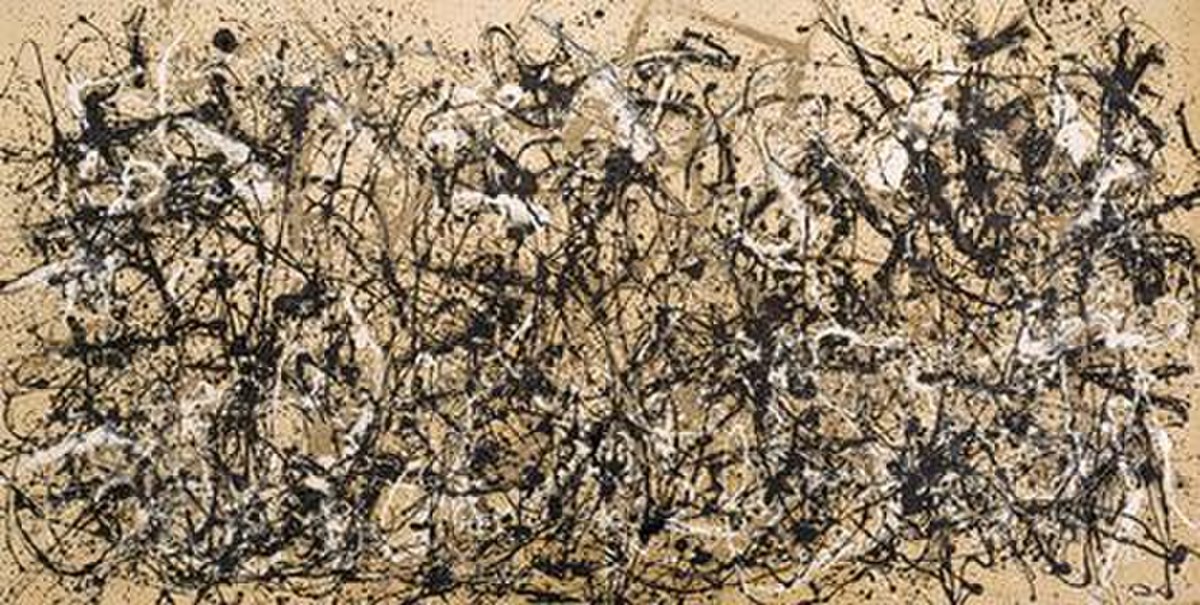
Dzekson Polok je postao najpoznatija i najilustrativnija figura pokreta. Godine 1947. poceo je da postavlja nenapeta platna na pod svog ateljea na Long Ajlendu i da kaplje, lije i baca komercijalnu kucnu boju preko njih u ritmicnim, plesnim pokretima. Nastale slike — guste mreze isprepletanih linija i prskanja bez fokalnog centra, bez hijerarhije i bez prepoznatljive ikonografije — bile su razlicite od svega sto je umetnost do tada videla. Kriticar Harold Rozenberg skovao je termin “Akciono slikarstvo” da opise ovaj pristup, tvrdeci da je platno postalo “arena za delovanje” umesto povrsine na kojoj se prikazuje. Polokova metoda je eliminisala tradicionalnu distancu izmedju umetnika i umetnickog dela; njegovo telo je bilo u slici, kretalo se oko nje, posezalo preko nje, reagovalo na nju u neprekidnoj povratnoj petlji pokreta i tragova. Rezultati poseduju izuzetnu energiju i ravnomernu kompozicionu gustinu koja se cini da se prostire iza ivica platna u beskonacnost.
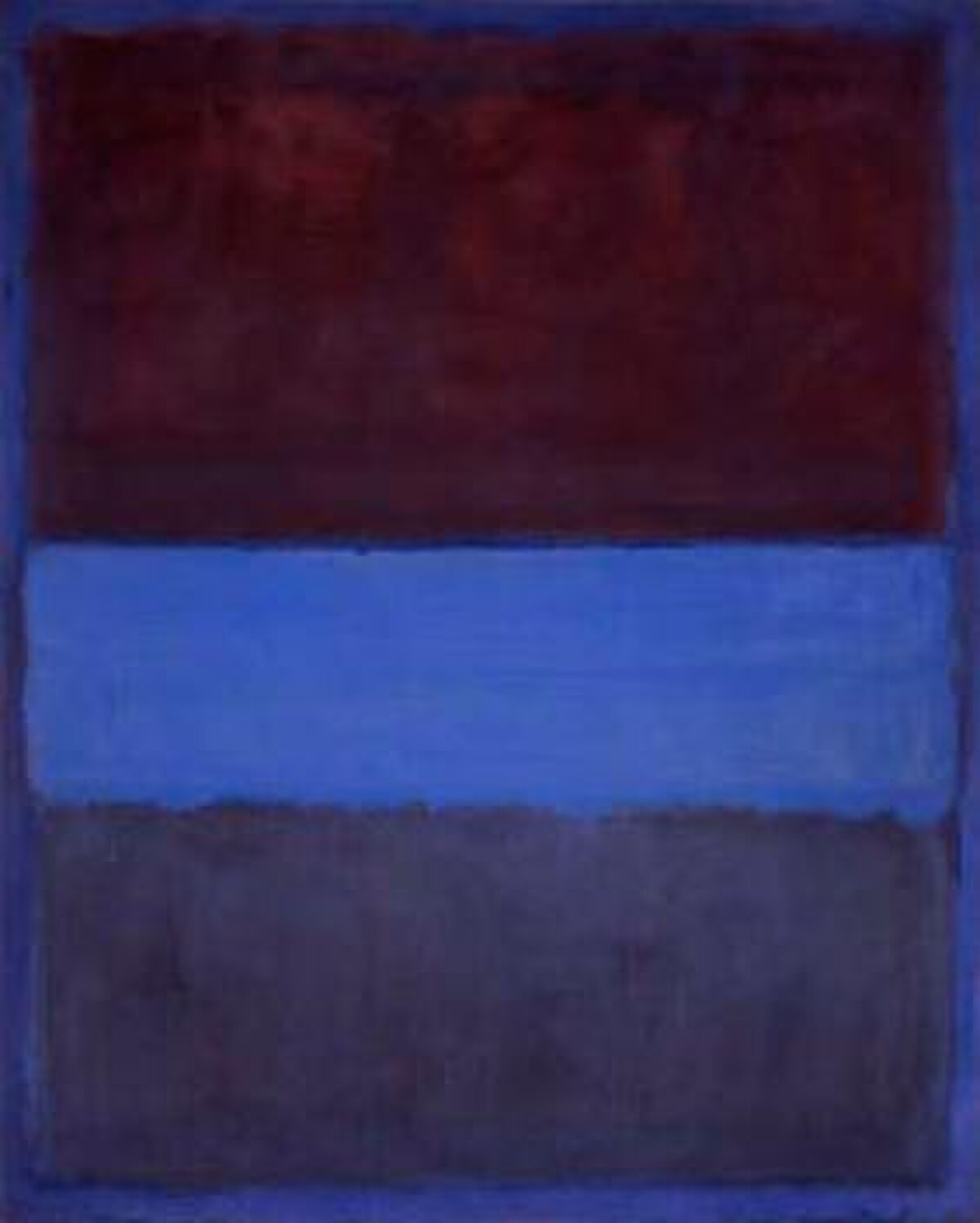
Mark Rotko je sledio dijametralno drugaciji put ka slicnom cilju transcendentnog emocionalnog iskustva. Do pocetka 1950-ih stigao je do svog prepoznatljivog formata: velika platna sa dva ili tri pravougaonika mekih ivica svetlucave boje, koji lebde na obojenoj podlozi. Ove slike su varljivo jednostavne u opisu, ali neodoljive uzivo. Rotko je insistirao da njegov rad nije o odnosima boja ili formalnoj kompoziciji, vec o izrazavanju “osnovnih ljudskih emocija — tragedije, ekstaze, propasti.” Zeleo je da posmatraci stanu blizu njegovih velikih platana i budu obavijeni njihovom bojom, da ih dozive kao sto bi doziveli muziku ili sveti prostor. Rotkova kapela u Hjustonu, u Teksasu, zavrsena posle umetnikove smrti, ostvaruje ovu viziju: cetrnaest tamnih, mracnih slika postavljenih u oktogonalnu kapelu dizajniranu za kontemplaciju svih vera.
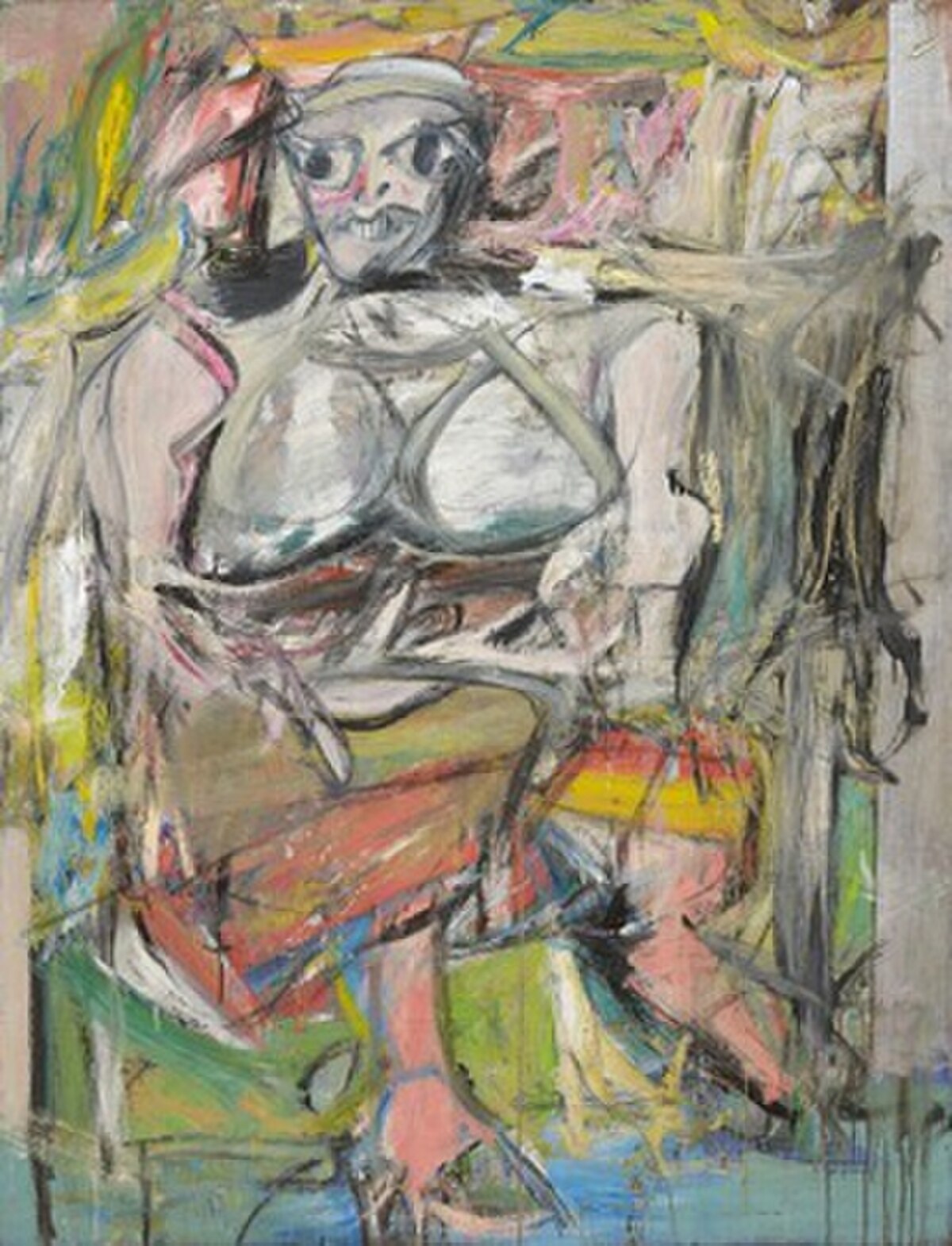
Vilem de Kuning je zauzimao sredinu izmedju Polokove radikalne apstrakcije i figurativne tradicije. Njegova serija Woman iz ranih 1950-ih, sa zestokim, rezucim potezima cetke i podrugljivim, zubatim osmesima, sablaznila je svet umetnosti ponovnim uvodjenjem ljudske figure u pokret koji je delovao posvecen cistoj apstrakciji. De Kuningove slike su bojista gde figura i pozadina, reprezentacija i apstrakcija, stvaranje i razaranje vode veciti rat. Njegove povrsine su guste od preradjivanja — boja je strugana i ponovo nanosena, forme nastaju i nestaju u neprekidnom procesu revizije koji odrazava njegovo uverenje da slika nikada ne bi trebalo da bude zaista zavrsena. Druge znacajne figure su obogatile raspon pokreta: monumentalne crno-bele kompozicije Franca Klajna sugerirale su strukturne sile mostova i zgrada; Elegije Spanskoj Republici Roberta Madervela kombinovale su apstraktne forme sa politickim zalopojkama; Helen Frankenthaler je razvila tehniku natapanja, livajuci razredjenu boju direktno na sirovo platno da stvori svetlucava polja nalik akvarelu.
Kriticarski okvir Apstraktnog ekspresionizma uglavnom je konstruisao Klement Grinberg, najuticajniji americki umetnicki kriticar dvadesetog veka. Grinberg je tvrdio da je istorija moderne umetnosti progresivno kretanje ka “ravnosti”, pri cemu svaka generacija umetnika uklanja iluzionisticke sredstva proslosti da bi otkrila sustinska svojstva medijuma: ravnu povrsinu, oblik nosaca, svojstva pigmenta. Apstraktni ekspresionizam je, prema Grinbergu, predstavljao kulminaciju ove trajektorije. Njegova formalisticka kritika je bila izuzetno mocna u oblikovanju nacina na koji se pokret razumevao i vrednovao, ali je takodje bila kontroverzna, i naredne generacije umetnika i kriticara su osporavale njegov narativ kao reduktivni. Ipak, dostignuce Apstraktnog ekspresionizma je bilo neosporno: pokazalo je da americki umetnici mogu delovati na najvisem nivou ambicije i inventivnosti, i uspostavilo je model velikoformatnog, emocionalno nabijenog apstraktnog slikarstva koji i dalje dominira savremenoj umetnosti kao predstava o tome sta slikarstvo u svom najambicioznijem obliku moze biti.
Tehnicke inovacije apstraktnih ekspresionista bile su raznolike koliko i njihovi temperamenti. Polokova drip metoda, koju je razvio izmedju 1947. i 1950, ukljucivala je obesene kante komercijalne emajl boje iznad nenapetog platna polozenog na pod, koristeci stvrdnute cetke, stapove i zidarsku alatku za bacanje i livenje niti pigmenta u krivudavim, kaligrafskim putanjama. Tehnika je zahtevala izuzetnu fizicku koordinaciju i intuitivan osecaj za to kada je slika dostigla zavrsenost. De Kuningov pristup je bio agresivno taktilan: napadao je platno natovarenim molerskim cetkama, strugao pasaze zidarskim nozicem i ponovo uvodio forme crtezom ugljenom na mokroj boji, proizvodecu povrsine nasilne, kovitlajuce gustine. Rotko je, nasuprot tome, radio sa izuzetnom delikatnoscu, nanoseci desetine tankih pranja razblazenenog uljnog pigmenta sirokim, mekim cetkama, izgradjujuci prozirne velove boje cije su se ivice stapale jedna s drugom pazljivim rasclanjivanjem i brisanjem. Svaka tehnika je otjelovljavala razlicitu filozofiju odnosa izmedju umetnikovog tela, medijuma i zavrsenog dela.
Uspon pokreta nije bio iskljucivo estetski fenomen; bio je isprepleten sa geopolitikom Hladnog rata na nacine koje su opsirno dokumentovali istoricari poput Frensis Stonor Sonders. Tokom 1950-ih, Centralna obavestajno-bezbednosna agencija je tajno finansirala izlozbe i publikacije koje su promovisale Apstraktni ekspresionizam u inostranstvu kroz organizacije-paravan poput Kongresa za kulturnu slobodu. Americki zvanicnici su videli radikalni individualizam i kreativnu slobodu pokreta kao mocnu propagandu protiv sovjetskog socijalistickog realizma, koji je nametao ideolosku korektnu figuraciju. CIA je usmeravala novac preko filantropskih fondacija da podrzi putujuce izlozbe Poloka, de Kuninga i Rotka u evropskim prestonicama, predstavljajuci njihov rad kao dokaz da americka demokratija neguje nesputan umetnicki izraz. Ova instrumentalizacija avangardne umetnosti od strane obavestajnih agencija ostaje jedno od najizvanrednijih i najuznemirujucih poglavlja u kulturnoj istoriji dvadesetog veka, komplikujuci svako cisto formalisticko citanje znacaja pokreta.
Zene apstraktne ekspresionistkinje su tek nedavno dobile kriticko priznanje koje njihov rad zahteva. Li Krasner, Polokova supruga i ostvarena slikarka, stvarala je mocna gestualna platna i kolaze tokom cele karijere, ali je dosljedno bila u senci slavnog supruga za svog zivota. Dzoan Micel, radeci iz ateljea u Vetejlu u Francuskoj, stvarala je monumentalne visepanelne slike eksplozivne boje i poteza cetke koje su iskustvo pejzaza prevodile u apstraktne termine sa lirickim intenzitetom nenadmasenim od strane njenih muskih savremenika. Izum Helen Frankenthaler — tehnika natapanja iz 1952, u kojoj je livala razredjenu boju direktno na negrundirano platno tako da se pigment i nosac stapaju u jednu celinu — pokazao se izuzetno uticajnim: inspirisao je Morisa Luisa i Keneta Nolanda da razviju slikarstvo Polja boja i otvorio potpuno novi odnos izmedju boje i povrsine. Druge zene, ukljucujuci Grejs Hartigan, Ilejn de Kuning i Dzej DeFeo, cija je monumentalna The Rose zahtevala osam godina rada, dale su doprinose prvog reda koji sada otkriva generacija naucnika posvecena potpunijem prikazu pokreta.
Socijalna infrastruktura Apstraktnog ekspresionizma bila je koncentrisana na nekoliko legendarnih njujorskih lokacija. Galerija Pegi Gugenhaim, Art of This Century, koja je radila na Zapadno 57. ulici od 1942. do 1947, bila je ključni rani inkubator pokreta: Gugenhaim je Poloku priredila prvu samostalnu izlozbu 1943, ponudila mu mesecnu stipendiju i borila se za Madervela, Rotka i druge umetnike u nastajanju u vreme kada malo dilera zeli da se bavi njihovim radom. Cedar Tavern, bar na Juniverziti Plejsu u Grenic Vilicku, sluzio je kao nezvanicno drustveno sediste pokreta, gde su se umetnici okupljali svakonocno da piju, raspravljaju i kuju intenzivna licna rivalstva i saveznistva koja su oblikovala Njujorsku skolu. Klub, potkrovlje na Osmoj ulici organizovano od samih umetnika, ugostio je petkom uvece panele i predavanja koja su funkcionisala kao samostvoreni kriticarski forum. Ova mesta za okupljanje bila su kljucna za identitet pokreta: Apstraktni ekspresionizam nije bio samo stil vec zajednica, zajednicki osecaj misije medju umetnicima koji su verovali da stvaraju najvazniju umetnost svog vremena.