
Krajem 1950-ih, nova generacija umetnika postala je nemirna zbog svecanosti i introvertiranog fokusa apstraktnog ekspresionizma. Herojski gestovi, egzistencijalna zebnja, insistiranje na umetnosti kao sredstvu univerzalnih ljudskih istina — sve je to pocelo da deluje zamorno i samobitno mladim slikarima koji su odrastali ne u senci svetskog rata vec u jarkom sjaju televizije, reklama i potrosackog izobilja. Pop art se pojavio kao namerno odbacivanje uzvissenih ambicija apstraktnog ekspresionizma, okreccuci se umesto toga slikovnom materijalu svakodnevne komercijalne kulture: konzervama supe, stripovima, filmskim zvezdama, hamburgerima i bocama Koka-Kole. Pitanje koje su pop umetnici postavljali, sa razlicitim stepenima ironije, bilo je razorno jednostavno: ako umetnost moze biti o bilo cemu, zasto ne o stvarima koje ljudi zaista gledaju svaki dan?
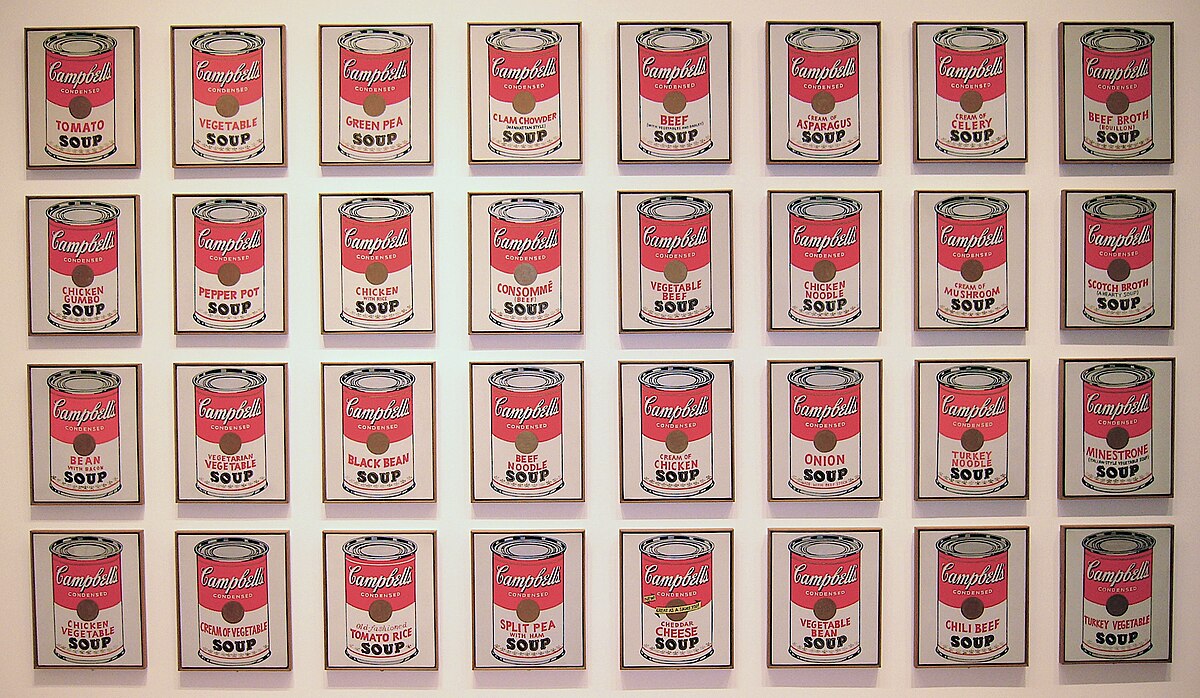
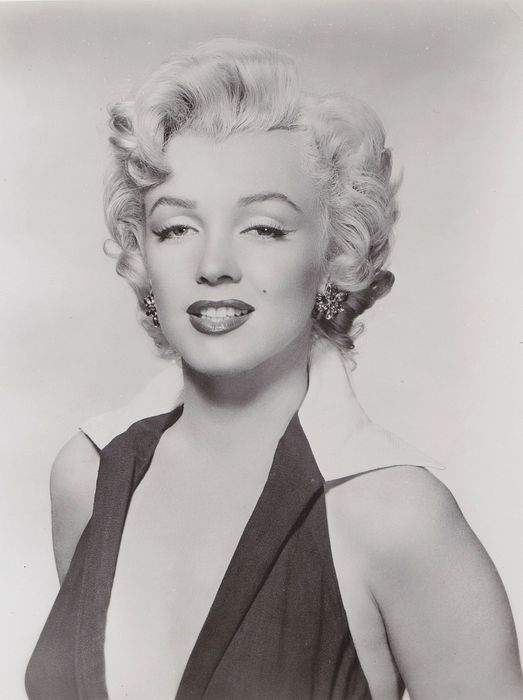
Endi Vorhol, bivsi komercijalni ilustrator iz Pitsburga, postao je najikonicnija i najenigmaticnija licnost pop arta. Njegove Campbell’s Soup Cans (1962), trideset dva platna od kojih svako prikazuje drugu vrstu konzervirane supe, izazvale su gnev i zbunjenost kada su prvi put izlozene u galeriji Ferus u Los Andelesu. Da li su to umetnost ili puka reprodukcija? Slavlje ili kritika? Vorhol je odbio da pojasni, negujuci personu bezosecajne kulnosti koja je njegove namere ucinila trajno dvosmislenim. U svom studiju, poznatom kao Fabrika, proizvodio je sitostampe slavnih licnosti, automobilskih nesreca, elektricnih stolica i cveca sa efikasnoscu proizvodne trake koja je namerno dovela u pitanje romanticnu predstavu o umetniku kao jedinstvenom kreativnom geniju. Njegovi portreti Merilin Monro, ponavljani u kricavim bojama dok slika ne postane istovremeno hipnoticka i otupijena, ostaju medju najprodornijim komentarima o slavi, medijima i komodifikaciji identiteta ikada proizvvedenim.
Roj Lihtenstajn je zauzeo drugaciji pristup istoj kulturnoj teritoriji. Njegove slike velikog formata prisvajale su pojedinacne kadrove iz romanticnih i ratnih stripova, uveliccavajuci ih do monumentalne razmere i prikazujuci ih u preciznom, mehanickom stilu koji je imitirao komercijalne procese stampanja, ukljucujuci Ben-Dej tackice koriscene u jeftinoj reprodukciji boja. Whaam! (1963), diptih koji prikazuje pilota lovca kako ispaljuje raketu koja eksplodira neprijateljski avion, transformise komad jednokratne masovne kulture u sliku autenticne vizuelne snage. Lihtenstajnov genije lezao je u suptilnim transformacijama koje je primenjivao na izvorni materijal: prilagodjavanja kompozicije, boje i linije koja su uzdigla banalno u nesto hladno privlacno. Njegov rad postavio je provokativna pitanja o originalnosti, autorstvu i granici izmedju visoke i niske kulture koja ostaju neresena i plodna.
Pop art nije bio iskljucivo americki fenomen. U Britaniji, gde je termin verovatno i skovaan, umetnici poput Ricarda Hamiltona i Eduarda Paolocija istrazivaali su slikovni materijal masovnih medija od ranih 1950-ih kao clanovi Nezavisne grupe pri Institutu za savremenu umetnost u Londonu. Hamiltonov mali kolaz Just what is it that makes today’s homes so different, so appealing? (1956), prepun potrosackih proizvoda, televizora, kulturiste i pin-ap modela, cesto se navodi kao prvo pravo pop umetnickko delo. Dejvid Hokni, mada se opirao pop etiketi, uneo je duhovitu, suncem obasjanu senzibilnost u slike bazena, tuseva i kalifornijskog nacina zivota koja je delila angazovanost pop arta sa savremenom vizuelnom kulturom. Dizajni Pitera Blejka, ukljucujuci ikonicnu naslovnicu za Bitlsov album Sgt. Pepper’s Lonely Hearts Club Band, demonstrirali su prirodni afinitet pop arta sa muzickom industrijom i popularnom zabavom.
Uticaj pop arta na savremenu kulturu pokazao se gotovo bezgranicnim. Rastapanjem barijere izmedju likovne umetnosti i komercijalne slike, pokret je omoguucio kasnijim umetnicima da crpu iz bilo kog vizuelnog izvora bez izvinjenja: mode, filma, drustvenih mreza, brendiranih logotipa, mimova. Dzef Kunsove uglacane skulpture balona pasa, Takaasi Murakamijeve slike inspirisane animeom i Benksijeve ulicne intervencije su, svaka na svoj nacin, potomci pop revolucije. Sire gledano, pop art je anticipirao i osvetlio svet zasicen slikama u kojem zivimo danas, svet u kojem je razlika izmedju autenticnog iskustva i medijskke reprezentacije postala gotovo nemoguca za odrzavanje. Vorholovo cuveno predvidjanje da ce “u buducnosti svako biti svetski slavan petnaest minuta” pokazalo se manje kao prorocanstvo a vise kao opis sadasnjosti.
Britanski pop art zasluzuje priznanje kao poseban i, u nekim aspektima, prethodni fenomen u odnosu na svog americkog pandana. Nezavisna grupa u londonskom Institutu za savremenu umetnost, aktivna od 1952. do 1955, okupila je umetnike, arhitekte i kriticare ukljucujuci Ricarda Hamiltona, Eduarda Paolocija, Rejnera Banama i Lorensa Aloveja, kome se cesto pripisuje kovanice termina “pop art”. Paolocijev kolaz I Was a Rich Man’s Plaything (1947), koji ukljucuje naslovnice pulp casopisa, reklamu za Koka-Kolu i poster za vojni poziv, prethodi americkom popu za gotovo deceniju i vec sadrzi sustinski gest pokreta — uzdizanje komercijalnog prikaza na status umetnosti. Hamiltonov proslavljeni kolaz Just what is it that makes today’s homes so different, so appealing? (1956), stvoren za izlozbu “This is Tomorrow” u galeriji Vajtcepl, sastavio je slike kulturiste, pin-ap devojke, televizora, magnetofona, konzervirane sunke i Fordovog logotipa u satiricni inventar posleratne potrosacke zelje. Britanski pop je bio eksplicitnije intelektualan i socioloski svestan od svog americkog pandana, ukoreeen u semiotici i teoriji medija umesto u direktnom, bezosecajnom susretu sa komercijalnom slikom koji je karakterisao Vorhola i Lihtenstaajna.
Vorholova Fabrika, koja je od 1964. radila u tavanu oblozeenom srebrnom folijom na Istocnoj 47. ulici na Menhetnu, bila je istovremeno pogon za proizvodnju umetnosti, drustveni eksperiment i kulturni fenomen bez presedana. Vorhol se okruzio promenljivom ekipom saradnika, performera, muzicara i prilepaka, ukljucujuci Idi Sedzvik, Bilija Nejma, Dzerarda Malangu i clanove benda Velvet Underground, stvarajuci okruzenje u kojem su granice izmedju umetnosti, zivota, slavnih licnosti i spektakla namerno srusene. Fabrika je proizvodila ne samo sitostampe gotovo industrijskim tempom vec i eksperimentalne filmove, ukljucujuci Sleep (1964), Empire (1964) i Chelsea Girls (1966), koji su doveli u pitanje svaku konvenciju narativnog filma. Vorholov genije lezao je u prepoznavanju da u drustvu zasicenom medijima persona umetnika moze sama po sebi postati primarno umetnicko delo — strategija koja je anticipirala kulturu slavnih i licno brendiranje dvadeset prvog veka.
Klas Oldenburg prossirio je angazovanost pop arta sa potrosackom kulturom u tri dimenzije kroz svoje monumentalne meke skulpture i javne instalacije. Njegov rani rad u “Prodavnici” (1961), iznajmljenom lokalu na Donjoj istocnoj strani gde je prodavao gipsane replike potrosackih dobara obojene kricavim emajlom, bukvalizovao je odnos izmedju umetnosti i trgovine. Oldenburg je zatim poceo da izradjuje predimenzioniirane verzije svakodnevnih objekata — dzinovski hamburger, kolosalnu tubu paste za zube, enormni sladoled — sasivene od vinila i platna i punjene penom, cija namerna mlitavost parodira krutost tradicionale skulpture. Njegove kasnije javne skulpture, poput Clothespin (1976) u Filadelfiji i Spoonbridge and Cherry (1988) u Mineapolisu, stvorene sa suprugom i saradnicom Kusi van Brugen, transformisu banalne kucne predmete u gradske znamenitosti iznenadujuce duhovitosti i formalne elegancije, demonstrirajuci da je nepocastujuci duh pop arta mogao delovati na arhitektonskoj razmeri.
Nasledje pop arta seze daleko izvan istorijskog pokreta 1960-ih, informissuci neku od najistaknutije i komercijalno najuspesnije umetnosti kasnog dvadesetog i ranog dvadeset prvog veka. Dzef Kunsove skulpture Balloon Dog, izradjene od ogledalno uglaccaanog nerdjajuceg celika uz ogromne troskove, azuriraju Vorholovu strategiju predstavljanja potrosackog kica sa produkcijskim vrednostima visoke umetnosti, istovremeno slavecci i ironicno komentarissuci popularni ukus. Takaasi Murakamijjev pokret Superflat, koji je teoretizovao u manifestu iz 2000, spljostava razliku izmedju tradicionalnog japanskog slikarstva, animea i komercijalnog dizajna u jednu vizuelnu ravan, prosirujuci pop-artovsku kritiku hijerarhije visoko-nisko u specifiono japanski kulturni kontekst. Dejmijeen Herstove slike tacaka i farmaceutske instalacije, Benksijeve ulicne intervencije i estetika vodjjena mimovima post-internet umetnosti — sve nasledjuju centralnu ideju pop arta: da u svetu zasicenom slikama zadatak umetnika nije da stvara slike ni iz cega vec da bira, preuokviruje i rekontekstualizuje slike koje nas vec okruzuju.