Istorijski kontekst
Vinsent van Gog naslikao je Zvezdanu noć u junu 1889. godine sa prozora svoje sobe koji je gledao na istok u bolnici Sen-Pol-de-Mozol u Sen-Remi-de-Provansu, gde se dobrovoljno prijavio nakon svog mentalnog sloma i samoosakaćenja uha u Arlu prethodnog decembra. Bolnica, nekadašnji avgustinski manastir iz dvanaestog veka, ugnezden u podnožju planine Alpij, obezbedila je Van Gogu malu sobu i susednu prostoriju koja je služila kao atelje. Tokom svog jednogodišnjeg boravka, proizveo je približno 150 slika u izvanrednom nalivu stvaralačke energije isprekidanom razarajućim epizodama psihoze. Zvezdana noć nastala je iz ovog kotla patnje i produktivnosti, i njen turbulentni, vizionarski kvalitet neodvojiv je od biografskih okolnosti njenog nastanka — mada je svođenje na puki simptom mentalne bolesti, kako su raniji komentari često činili, duboko pogrešno razumevanje i slike i slikara.
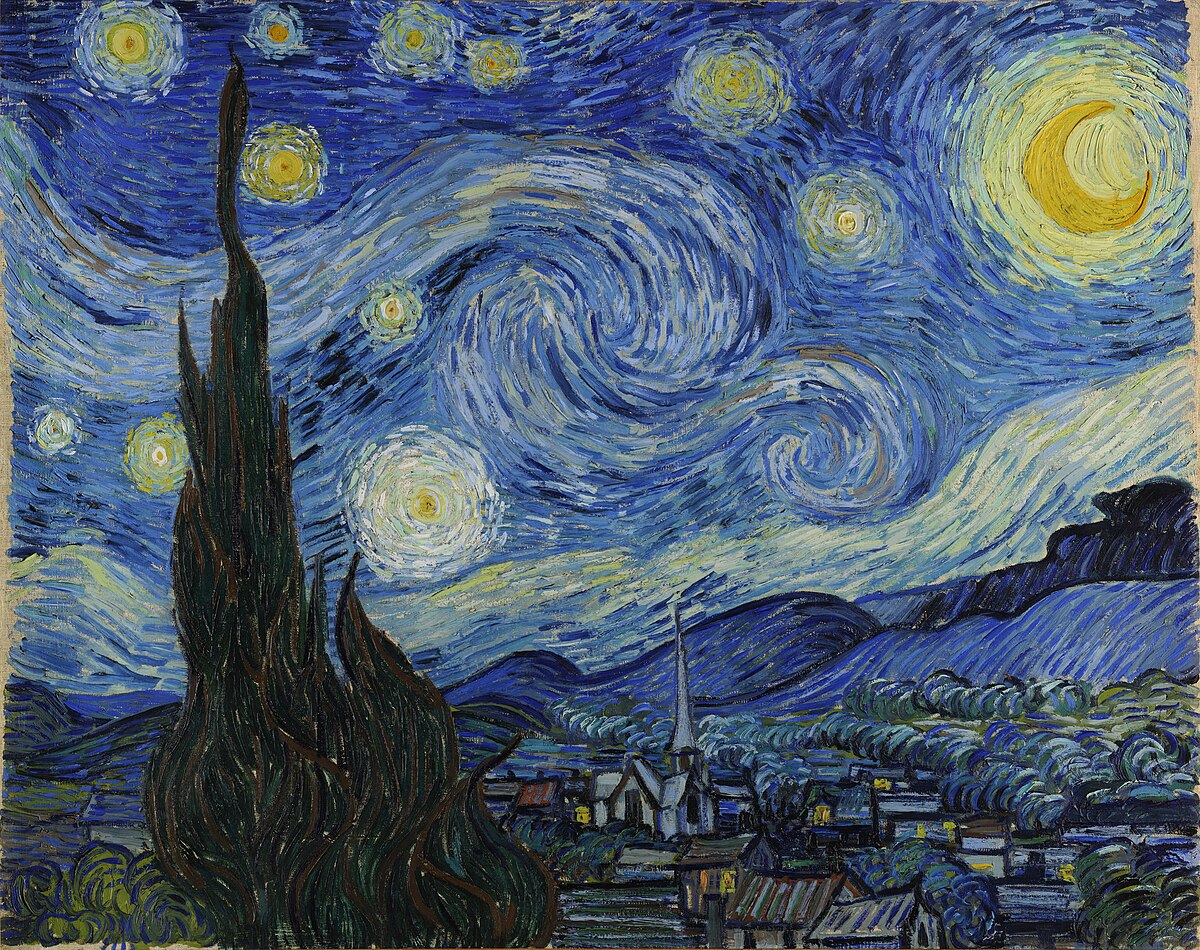
Pogled sa Van Gogovog prozora gledao je na istok ka lancu Alpij, i tokom dana je slikao žitna polja, maslinike i planine vidljive sa ovog mesta sa relativnom topografskom vernošću. Zvezdana noć, međutim, predstavlja daleko složeniji čin slikovne konstrukcije. Valovita brda i daleke planine labavo odgovaraju stvarnom predelu, ali selo nagomilano u dolini ispod — sa svojim zbijenim kućama i istaknutim crkvenim tornjem — uglavnom je zamišljeno. Naučnici su primetili da crkveni toranj više podseća na holandsku reformatorsku crkvu nego na bilo kakvu provansalsku arhitekturu, sugerirajući da je Van Gog slojio sećanja na rodni Brabant preko južnofrancuskog predela. Rezultat nije ni posmatranje ni čista fantazija, već sinteza sećanja, percepcije i emocionalne istine — predeo uma koliko i predeo zemlje.
Najupečatljivija odlika slike je njeno nebo, koje se grči u ogromnim spiralnim formama — jedanaest zvezda koje blistaju sa oreolima zračeće svetlosti, polumesec (astronomski nemoguć u prikazanoj orijentaciji, ali slikarski esencijalan) i velike klizeće maglice plavih, belih i ljubičastih tonova koje se protivu nebeskim svodom u talasastim ritmovima. Ovi vrtložni oblici privukli su pažnju fizičara jednako koliko i istoričara umetnosti. Tokom 2004, tim istraživača predvođen Hose Luisom Aragonom demonstrirao je da obrasci luminescencije u Zvezdanoj noći odgovaraju sa izuzetnom preciznošću Kolmogorovljevom matematičkom modelu turbulentnog toka — istim jednačinama koje opisuju ponašanje turbulentnih fluida u prirodi. Verovatnoća da se ovo podudaranje desi slučajno je izuzetno mala, sugerirajući da je Van Gog, tokom perioda ekstremne psihološke turbulencije, posedovao intuitivno razumevanje dubokih matematičkih struktura koje stoje u osnovi haotičnih prirodnih pojava. Ovo otkriće podstaklo je preispitivanje odnosa između Van Gogovog mentalnog stanja i njegovog umetničkog opažanja, sugerirajući ne oštećenje, već pojačanu osetljivost na dinamičke obrasce fizičkog sveta.
Formalna analiza
Dominantni formalni element koji povezuje zemlju i nebo je veliki čempres koji se uzdiže poput tamnog plamena iz levog prednjeg plana, čija vijugava forma odražava spiralne ritmove nebeskog spektakla iznad. Van Gog je opisao čemprese u pismu bratu Teu kao „lepe po linijama i proporcijama, poput egipatskog obeliska”, a na drugom mestu ih je uporedio sa tamnim plamenovima — slika koja savršeno dočarava njihovu funkciju u ovom delu. Čempres, tradicionalno povezan sa žalovanjem i zagrobnim životom u mediteranskoj kulturi, služi kao vizuelni i simbolički most između zemaljskog sela dole i kosmičke drame gore, između carstva živih i carstva večnog. Njegov vertikalni zamah uravnotežuje horizontalni tok brda i kružna kretanja neba, obezbeđujući kompoziciji strukturni oslonac koji sprečava da se vrtložne forme rastoče u haos.
Van Gogova tehnika u Zvezdanoj noći odlikuje se izuzetno debelim impastom — bojom nanetom u gustim, skulpturalnim grebenima i spiralama koje proviruju sa površine platna, stvarajući taktilni, gotovo trodimenzionalni kvalitet. Svaki potez četke je pojedinačno vidljiv, položen sa promišljenom, ritmičnom energijom: kratki crte za krovove sela, dugi zakrivljeni potezi za spirale neba, vertikalni ubodi za čempres, talasaste horizontalne linije za brda. Paleta je dominirana komplementarnim kontrastom dubokih plavih (kobalt plava, ultramarin) i živopisno žutih (hrom žuta, cink žuta), kombinacijom koju je Van Gog koristio tokom čitave karijere za maksimalni hromatski intenzitet. Plave se kreću od gotovo crne u čempresu i senkama sela do luminozno azurne u svetlijim pasažima neba, dok se žute koncentrišu u zvezdama i mesecu, zračeći napolje u koncentričnim oreolima koji sugerišu ne samo vizuelnu svetlinu, već duhovno emaniranje — svetlost kao metaforu transcendencije.
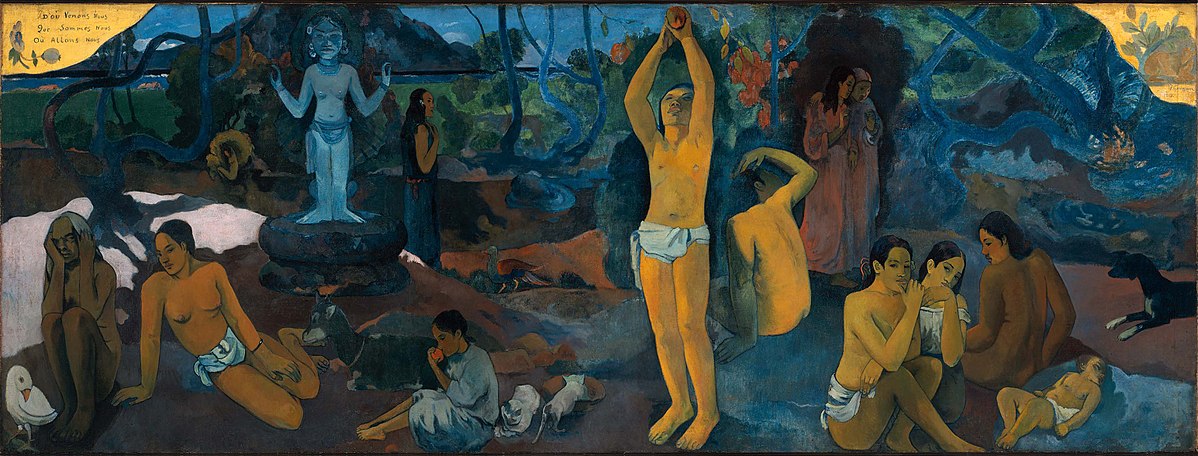
Odnos slike prema Van Gogovoj korespondenciji pruža ključan kontekst, mada pisma komplikuju a ne pojednostavljuju tumačenje. U pismu Teu iz juna 1889, napisao je: „Jutros sam sa prozora dugo posmatrao predeo pre izlaska sunca, sa ničim osim jutarnje zvezde, koja je izgledala veoma velika.” Ovaj odlomak se često citira kao geneza slike, ali na drugom mestu Van Gog je izrazio ambivalentnost prema delu. Svrstao ga je među svoje „apstrakcije” — slike nastale iz mašte i sećanja, a ne iz direktnog posmatranja — i čini se da ga je smatrao manje uspešnim od svojih vernijih transkripcija prirode. U pismu Emilu Bernaru, doveo je u pitanje vrednost rada iz mašte, povezujući to sa svojom bolešću: „Nisam obožavalac Gogenovog ‘Hrista u maslinovom vrtu’ na primer… jer u Gogenovom slučaju apstrakciju nalazim previše nejasnom. Čovek bi mogao raditi istu stvar misleći o Bogu i prirodi i potpuno se zbuniti.” To što je sam Van Gog možda smatrao Zvezdanu noć delimičnim neuspehom — ili barem neizvesnim eksperimentom — upečatljiva je ironija s obzirom na njen konačni status kao možda najvoljenije slike na svetu.
Astronomi su pokušali da datiraju tačnu noć prikazanu analizom položaja nebeskih tela na slici. Polumesec i sjajna „jutarnja zvezda” (Venera) upoređeni su sa astronomskim zapisima, pri čemu je nekoliko istraživača smestilo scenu u sate pred zoru 19. juna 1889. godine, mada je podudaranje u najboljem slučaju približno s obzirom na Van Gogove kreativne slobode. Ono što je van svake sumnje jeste da je slika nastala tokom jednog od najproduktivnijih i najizmurenijih perioda tragično kratke karijere — Van Gog je umro nešto više od godinu dana kasnije, 29. jula 1890, u dobi od trideset sedam godina, od prostrelne rane.
Značaj i nasleđe
Zvezdana noć odoleva svakom pojedinačnom tumačenju. Čitana je kao vizija kosmičkog jedinstva, krik duhovne patnje, meditacija o smrtnosti (čempres, selo koje spava, ravnodušne zvezde), slavljenje dinamične energije prirode i proto-ekspresionistički manifest koji je privilegovao subjektivni osećaj nad objektivnim posmatranjem. Njen uticaj na kasniju umetnost bio je nemerljiv, anticipirajući emocionalni intenzitet nemačkog ekspresionizma, ritmičku apstrakciju apstraktnog ekspresionizma i popularnu vizuelnu kulturu dvadesetog i dvadeset prvog veka, gde je reprodukovana u gotovo nezamislivom obimu. Stečena od strane Muzeja moderne umetnosti 1941. godine kroz legat Lili P. Blis, postala je najposećenije delo te institucije i jedna od najprepoznatljivijih slika u globalnoj kulturi — status koji bi zaprepastio i možda obeshrabrio izmučenog, samopouzdanju sklоnog umetnika koji ju je naslikao sa prozora provansalske bolnice, posmatrajući kako se zvezde okreću iznad planina u satima pre zore.