Istorijski kontekst
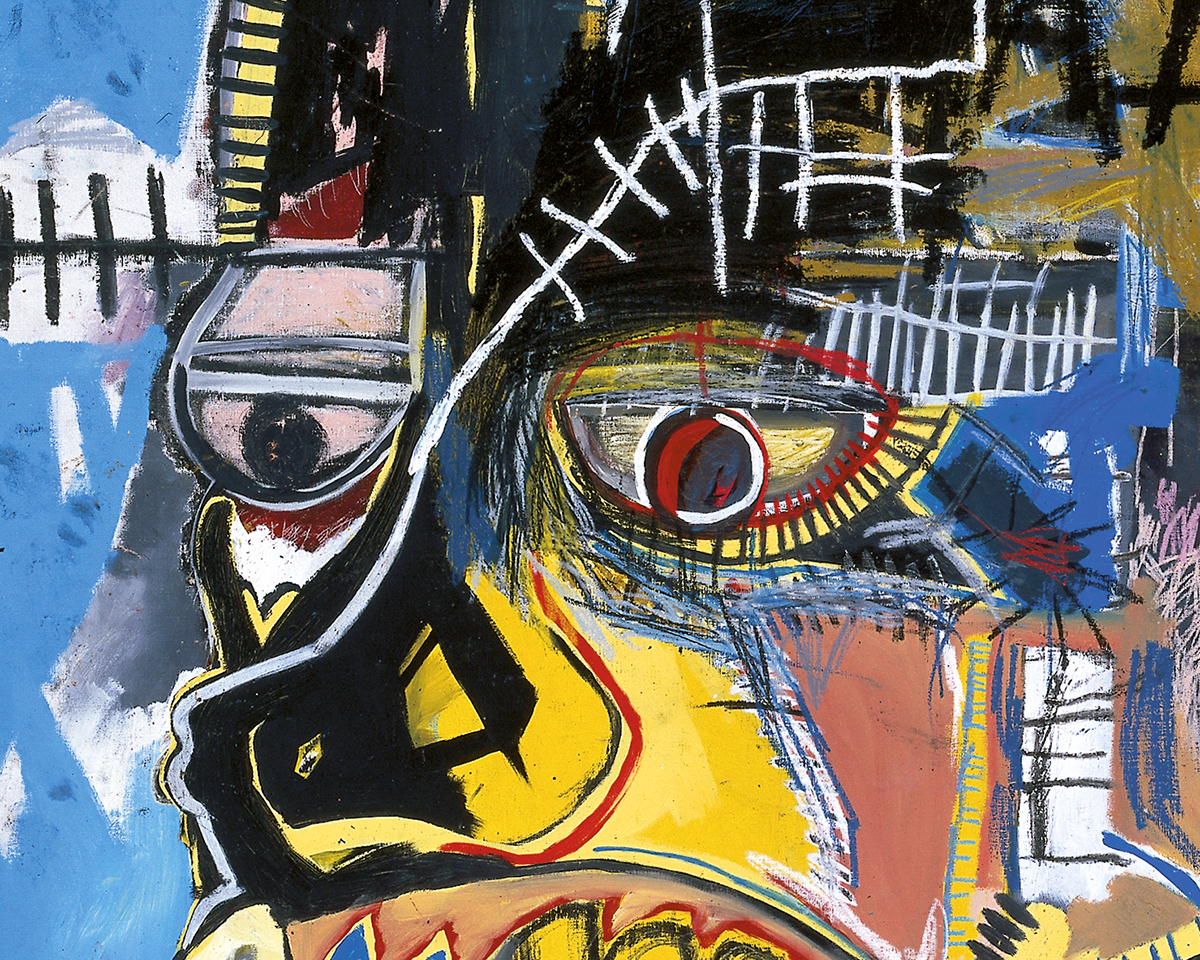
Bez naziva (1981) Žan-Mišela Baskijata, uobičajeno poznato kao Bez naziva (Lobanja), monumentalna je slika koja stoji kao jedno od najvisceralnijije snažnih i umetničko-istorijski najznačajnijih dela neoekspresionističkog pokreta. Dimenzija 205,7 sa 175,9 centimetara, platno prikazuje masivnu glavu nalik lobanji koja deluje kao da istovremeno izranja iz i rastapa se u polju agresivne boje — crvene, žute, crne i plave nanesene žestinom koja sugeriše i stvaranje i uništenje u istom gestu. Glava je prikazana sa anatomskom specifičnošću koja otkriva Baskijatovo duboko angažovanje sa medicinskim udžbenicima i naučnom ilustracijom, ali je anatomija namerno fragmentirana: lobanja je otvorena, izlažući unutrašnje strukture; vilica je razdvojena; i zakrpe mesa, kosti i praznine se nadmeću za dominaciju po čitavoj površini. Baskija je imao samo dvadeset godina kada je naslikao ovo delo, a njegova kombinacija sirove tehničke energije, intelektualne ambicije i emocionalnog intenziteta najavila je dolazak izuzetnog talenta koji će transformisati pejzaž savremene umetnosti u tragično kratkom periodu preostalih godina.
Nastanak slike neodvojiv je od Baskijatovog pojavljivanja sa njujorške ulične umetničke scene kasnih 1970-ih. Rođen 22. decembra 1960. u Bruklinu, od oca Haićanina-Amerikanca i majke Portorikanske-Amerikanke, Baskija je prvo stekao pažnju kroz SAMO grafiti projekat — saradnju sa prijateljem Alom Dijazom koja je proizvela enigmatične, poetske i često sardonične aforizme raspršene na zidovima i zgradama širom donjeg Menhetna i SoHoa između 1977. i 1980. Tipične SAMO oznake kombinovale su ulični žargon sa konceptualnim duhom: “SAMO KAO KRAJ ISPIRANJA MOZGA RELIGIJOM, POLITIKOM BEZ CILJA I LAŽNOM FILOZOFIJOM” ili “SAMO KAO ALTERNATIVA BOGU.” SAMO projekat je najavio Baskijatovu karakterističnu strategiju spajanja teksta i slike, visoke kulture i ulične kulture, intelektualne provokacije i sirove fizičke energije — strategije koje će dostići pun razvoj u slikama poput Bez naziva (Lobanja). Do 1980, Baskija je napustio SAMO (projekat je završen oznakom “SAMO JE MRTAV”) i počeo da izlaže svoje slike, prvo na grupnim izložbama poput prelomne izložbe Times Square Show u junu 1980, a zatim na samostalnim izložbama koje su ga brzo uspostavile kao jednog od najuzbudljivijih mladih umetnika u Njujorku.
Anatomske slike u Bez naziva (Lobanja) odražavaju jedan od najprepoznatljivijih i intelektualno najbogatijih aspekata Baskijatove prakse. Kao dete, Baskijata je udario automobil dok se igrao na ulici i hospitalizovan je sa slomljenom rukom i unutrašnjim povredama; tokom oporavka, majka mu je poklonila primerak Grejeve anatomije, temeljnog medicinskog referentnog teksta prvi put objavljenog 1858. od strane Henrija Greja. Detaljne gravure knjige o ljudskom telu — njegovoj skeletnoj strukturi, muskulaturi, nervnom sistemu i unutrašnjim organima — ostavile su trajan utisak na mladog umetnika, i anatomske slike postale su centralni motiv tokom čitave karijere. U Bez naziva (Lobanja), glava je prikazana kao da je disecirana: koštana struktura je vidljiva ispod delimično prozirnog mesa, lobanja je otvorena da otkrije svoju unutrašnjost, a ukupni efekat je telo uhvaćeno između života i smrti, između integriteta živog organizma i fragmentacije anatomskog uzorka. Ovo angažovanje sa unutrašnjim strukturama tela povezuje Baskijatov rad sa tradicijom koja se proteže od Vezalijusovog De Humani Corporis Fabrica (1543) preko vrištećih papa Frensisa Bejkona do bečkih akcionista, ali je Baskijatov tretman jedinstveno lični — sirov, hitan i prožet ritmovima hip-hopa, džeza i ulične kulture.
Formalna analiza
Motiv krune, koji se pojavljuje kroz čitav Baskijatov opus i postao je njegov najprepoznatljiviji vizuelni potpis, prisutan je u Bez naziva (Lobanja) kao implicitni element — sama glava funkcioniše kao neka vrsta nekrunisanog monarha, figure autoriteta i ranjivosti istovremeno. Baskijatova trokraka kruna, nacrtana grubom, grafitima inspirisanom linijom, ponavlja se opsesivno kroz njegove slike, crteže i čak odeću. Koristio ju je da označi svoje umetničke heroje — Čarlija Parkera, Majlsa Dejvisa, Šugar Reja Robinsona, Saja Tvomblija — kao royalitet, uzdižući crne kulturne figure na status koji im je svet umetnosti kojim dominiraju belci i šira kultura sistematski uskraćivala. Kruna je bila i, neizbežno, samokrunisanje: Baskija je bio akutno svestan svog položaja mladog crnog umetnika u pretežno belom svetu umetnosti, i kruna je funkcionisala kao tvrdnja suvereniteta, zahtev za presto koji mu nijedna institucija nije ponudila i koji je stoga sam sagradio. Ova složena pregovaranja identiteta, moći i priznanja prožimaju svaki aspekt Bez naziva (Lobanja), od njenih monumentalnih dimenzija (glava dominira posmatračem, zahtevajući pažnju i poštovanje) do njenog odbijanja tehničke poliranosti (grubi, nedovršeni kvalitet afirmiše primat izraza nad glatko potrošivim površinama koje ceni tržište umetnosti).
Baskijatov odnos prema pitanjima crnačkog identiteta i rasizma u svetu umetnosti bio je centralan za njegovu praksu i neodvojiv od kritičke recepcije njegovog rada. Od trenutka svog pojavljivanja bio je podvrgnut dvostrukom vezivanju: slavljen za svoj “sirov” talenat i “primitivnu” energiju terminima koji su bili transparentno rasijalizovani, istovremeno tokenizovan kao ogledni crni umetnik sveta umetnosti — uloga koja je njegovo složeno intelektualno angažovanje sa istorijom, naukom, muzikom i jezikom svodila na pojednostavljeni narativ neobučenog genija. Baskija je bio duboko svestan ovih dinamika i adresirao ih je direktno u svom radu, ugrađujući reference na afričku dijasporu, trgovinu robljem, crne sportiste i muzičare i sistematsko isključivanje crnaca iz istorije zapadne umetnosti. Dela poput Ironije crnačkog policajca (1981) i Holivudskih Afrikanaca (1983) suočavala su se sa rasnim stereotipima sa besom i duhom koji su anticipirali veliki deo umetnosti zasnovane na identitetu 1990-ih. Lobanja u Bez naziva može se čitati u ovom kontekstu kao slika crnog tela pod pretnjom — izloženog, diseciranog i podvrgnutog ispitivanju medicinsko-naučnog pogleda koji je istorijski bio saučesnik u rasnoj dehumanizaciji.
Recepcija i nasleđe
Baskijatova saradnja sa Endi Vorholom između 1984. i 1985. proizvela je približno 160 zajednički autorskih slika i predstavlja jedno od najfascinantnijih i najosporavanijih partnerstava u istoriji umetnosti. Dva umetnika upoznala su se 1982. i razvila intenzivno prijateljstvo i radni odnos komplikovan ogromnim disproporcijama u godinama (Vorhol je bio trideset dve godine stariji), slavi i kulturnom položaju. Njihove zajedničke slike — na kojima je Vorhol tipično polagao sito-štampane slike a Baskija slikao preko i oko njih — kritizerski su dočekane na izložbi u galeriji Toni Šafrazija u septembru 1985, prijem koji je razorio oba umetnika. Saradnja je osvetlila generacijski i estetski dijalog između hladnih, mehanizovanih površina pop arta i vrele, gestualne hitnosti neoekspresionizma, ali je takođe razotkrila dinamiku moći u svetu umetnosti: kritičari su optuživali Vorhola da eksploatiše Baskijatov talenat, dok su drugi sugerisali da Baskija trguje Vorholovom slavom. Odnos se pogoršao posle negativnih kritika, a Vorholova smrt 22. februara 1987. lišila je Baskijata ključnog oslonca u njegovom sve haotičnijem životu.
Tekst i fragmenti reči koji se pojavljuju kroz Baskijatove slike — i koji su suptilno prisutni u gestualnim tragovima Bez naziva (Lobanja) — čine jedan od njegovih najoriginalnijih doprinosa savremenoj umetnosti. Baskijatova platna su gusta rečima, frazama, listama, precrtanim tekstom, anatomskim oznakama, istorijskim imenima i lingvističkim fragmentima koji stvaraju vizuelnu i intelektualnu teksturu kakva nema pandana u istoriji slikarstva. Njegova upotreba teksta bila je pod uticajem izvora raznolikih poput Barozsove cut-up tehnike, eksperimenata sa rečju i slikom Saja Tvomblija, informacijama gustih stranica enciklopedija i medicinskih udžbenika, i kaligrafskih tradicija grafita. Reči u Baskijatovim slikama istovremeno funkcionišu kao vizuelni elementi — njihovi oblici, veličine i pozicije doprinose kompoziciji — i kao semantičke jedinice koje stvaraju asocijativne lance značenja. Praksa precrtavanja reči, koja se opsesivno ponavlja, služila je, kako je Baskija objasnio, da skrene pažnju na njih: “Precrtavam reči da biste ih više videli. Činjenica da su zamagljene čini da ih želite pročitati.” Ova paradoksalna strategija — skrivanje radi otkrivanja, brisanje radi naglašavanja — karakteristična je za čitavu Baskijatovu estetiku.
Žan-Mišel Baskija umro je 12. avgusta 1988. od predoziranja heroinom u svom ateljeu na adresi 57 Great Jones Street na Menhetnu, u dvadeset sedmoj godini života. Njegova smrt, koja je usledila posle perioda rastuće izolacije i zavisnosti od droga pogoršane Vorholovom smrću prethodne godine, presekla je jednu od najeksplozivnijih karijera u istoriji umetnosti. U decenijama od tada, Baskijatova reputacija je narasla do izuzetnih razmera, kulminiraži prodajom druge slike Bez naziva iz 1982. — srodne kompozicije lobanje na plavoj pozadini — na Sotbiju 18. maja 2017. za 110,5 miliona dolara japanskom kolekcionaru Jusaku Maezavi, čime je postala najskuplje delo američkog umetnika ikada prodato na aukciji i šesta najskuplja slika ikada prodata na aukciji u to vreme. Rekordna prodaja potvrdila je ono što su same slike oduvek tvrdile: da je Baskija, daleko od toga da je bio “primitivni” talenat koji su rani kritičari snishodljivo hvalili, bio jedan od intelektualno najsofisticiranijih, umetničko-istorijski najsvesnijih i formalno najinovativnijih slikara kasnog dvadesetog veka — umetnik koji je jednako crpeo iz kanona zapadne istorije umetnosti, afroameričke kulturne istorije, anatomske nauke i vizuelnog jezika ulice da bi stvorio opus dela zapanjujuće originalnosti i trajne snage.