Istorijski kontekst
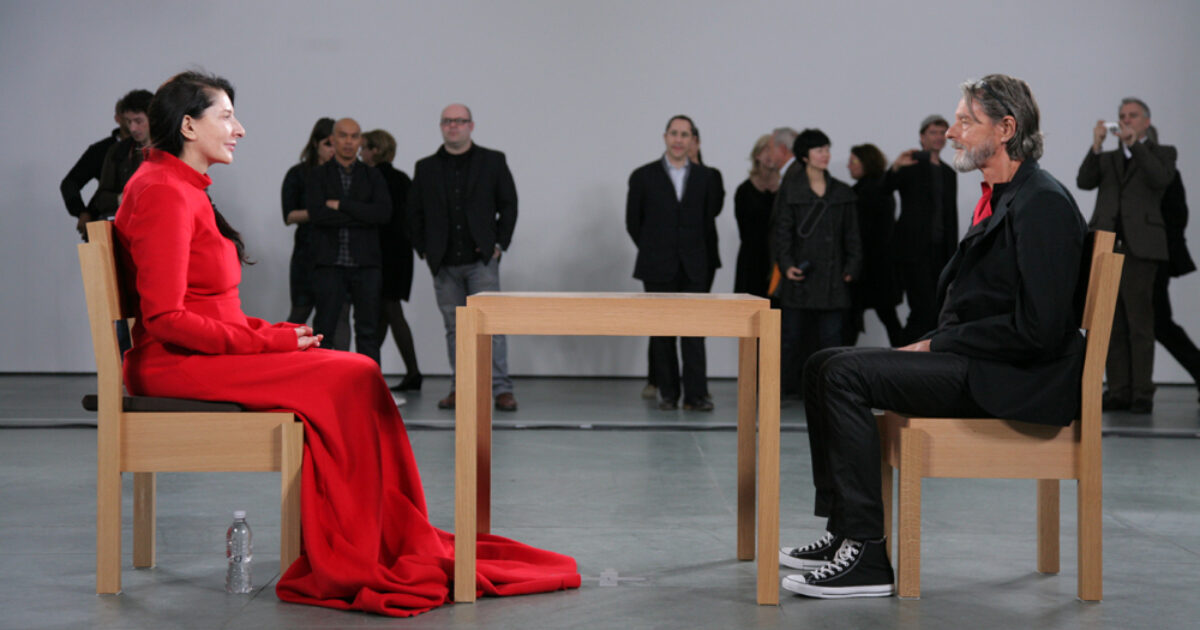
The Artist Is Present Marine Abramović, izveden u Museum of Modern Art u Njujorku, od 14. marta do 31. maja 2010, bio je centralni deo velike retrospektivne izložbe Abramovićkine četrdesetogodišnje karijere i postao jedno od najšire diskutovanih i emocionalno najrezonantnijih umetničkih dela ranog dvadeset prvog veka. Performans je bio krajnje jednostavan u svojim formalnim parametrima: Abramović je sedela nepomično na drvenoj stolici u atrijumu drugog sprata muzeja tokom svih radnih sati, sedam sati dnevno, šest dana nedeljno, tokom čitavog tromesečnog trajanja izložbe — ukupno 736 sati i 30 minuta. Posetioci muzeja bili su pozvani da sednu na identičnu stolicu naspram nje, jedan po jedan, koliko god su želeli. Nije bilo izgovorenih reči, fizičkog kontakta, unapred određenog trajanja za svako sedenje. Jedini elementi bili su dve stolice, pravougaonik svetlosti na podu (nakon što je sto između njih uklonjen u toku trajanja) i tihi, neprekidni međusobni pogled između umetnice i stranca. Unutar ovih minimalnih ograničenja, razvio se zapanjujući raspon ljudskih emocija.
Intenzitet reakcija posetilaca premašio je sve što su muzej ili umetnica predvideli. Tokom trajanja performansa, 1.545 ljudi je selo naspram Abramović, i emocionalne reakcije su često bile neodoljive: posetioci su plakali, drhtali, smejali se, sedeli u zapanjenom tišinom ili su bili vidljivo transformisani iskustvom neprekidne, uzvraćene pažnje. Redovi za učešće protezali su se oko bloka; neki posetioci su kampovali preko noći ispred muzeja da obezbede mesto. Performans je generisao poseban vebsajt, „Marina Abramovic Made Me Cry”, sa fotografijama uplakanih posetilaca, a fenomen su opsežno pratili mediji daleko izvan umetničke štampe. Šta je odgovor za ovako izvanredan emocionalni odgovor? Delimično, odgovor leži u radikalnoj retkosti, u savremenom urbanom životu, iskustva koje je Abramović ponudila: trajna, tiha, potpuna pažnja drugog ljudskog bića, bez agende, bez transakcije, bez društvenog scenarija koji treba slediti. U kulturi distrakcije, fragmentirane pažnje i posredovane komunikacije, jednostavan čin sedenja u tišini i gledanja u oči drugoj osobi pokazao se kao iskustvo razorne emocionalne snage.
Formalna analiza
Najslavniji trenutak performansa desio se kada je Ulaj (Frank Uve Lajzipen) — bivši romantični i umetnički partner Abramović, sa kojim je sarađivala od 1976. do 1988. — neočekivano zauzeo stolicu naspram nje. Partnerstvo Abramović i Ulaja proizvelo je neka od najvažnijih dela u istoriji performans umetnosti, uključujući Relation in Time (1977), AAA-AAA (1978) i Rest Energy (1980), u kome su držali napet luk sa strelom uperenom u Abramovićkino srce. Njihovo partnerstvo završilo se monumentalnim performansom The Lovers: The Great Wall Walk (1988), u kome su svako krenuli sa suprotnih krajeva Velikog kineskog zida, susrevši se na sredini da kažu zbogom. Kada je Ulaj seo naspram nje u MoMA — njihov prvi susret licem u lice posle godina — Abramović je vidljivo prekršila sopstvena pravila: suze su joj tekle niz lice, i ona je posegnula preko prostora između njih da uzme njegove ruke. Trenutak, snimljen kamerom i pregledan milionima puta na internetu, postao je jedan od emocionalno najnabijenijih trenutaka u istoriji savremene umetnosti — spontani prekid u formalnoj disciplini performansa koji je otkrio, sa razornom transparentnošću, ljudsku ranjivost ispod umetničine izuzetne discipline.
Fizički zahtevi performansa bili su ekstremni i ne mogu se potceniti. Sedenje nepomično sedam sati dnevno, održavanje uspravnog držanja bez oslonca za leđa, odbijanje hrane, vode i pauza za toalet tokom sati performansa, i održavanje emocionalne otvorenosti prema beskonačnom nizu stranaca, ostavilo je ozbiljne posledice na telo Abramović. Patila je od edema nogu, bubrežnih problema od dehidratacije i hroničnog bola u leđima i zglobovima. Trajnosna ekstremnost performansa nije bila usputna već suštinska za njegovo značenje — upravo je izdržljivost, spremnost da se telo podvrgne trajnoj nelagodnosti i psiha trajnoj izloženosti, dalo delu njegovu autentičnost i snagu. Abramović je čitavu karijeru gradila na ovom principu telesnog rizika i izdržljivosti, od Rhythm 10 (1973), u kome je udarala nožem između raširenih prstiju sve većom brzinom, preko Rhythm 0 (1974), u kome je pasivno stajala šest sati dok su članovi publike koristili sedamdeset dva predmeta — uključujući napunjeni pištolj — na njenom telu, do The House with the Ocean View (2002), u kome je živela na uzdignutim platformama u galeriji dvanaest dana bez jela.
Značaj i nasleđe
Odluka da se The Artist Is Present predstavi u institucionalnom okviru Museum of Modern Art pokrenula je i intenzivirala dugotrajne debate o odnosu između performans umetnosti i muzeja. Osnivački gestovi performans umetnosti — Iv Klajnov Leap into the Void, Joko Onin Cut Piece, Vito Akončijev Seedbed — zasnivali su se, delimično, na odbacivanju muzeja kao skladišta komercijalizovanih objekata. Performans je bio efemeran, neponovljiv, otporan na vlasništvo i očuvanje — antiteza slici ili skulpturi koja se može kupiti, prodati, skladištiti i osigurati. Postavljajući veliki trajni performans u atrijum MoMA — simbolički centar institucionalnog sveta umetnosti — Abramović je istovremeno legitimizovala performans umetnost unutar muzejskog sistema i testirala kapacitet tog sistema da prilagodi umetničku formu koja se opire njegovim osnovnim protokolima očuvanja i vlasništva. Retrospektivna izložba koja je okruživala performans dodatno je zakomplikovala ova pitanja prikazujući žive re-performanse ranijih dela Abramović od strane obučenih performera — postavljajući pitanje da li performans umetničko delo može biti „izvedeno” od strane nekoga drugog osim originalnog umetnika, i ako može, kakav je ontološki status re-performansa.
HBO dokumentarni film Marina Abramovic: The Artist Is Present (2012), u režiji Metjua Ejkersa, pružio je intiman zapis performansa i njegovih priprema, kontekstualizujući ga u okviru luka Abramovićkine karijere i ličnog života. Film je dokumentovao fizički i psihološki danak performansa, logističke izazove njegovog izvođenja i emocionalni intenzitet susreta — uključujući reunion sa Ulajem. Dosegnuvši publiku daleko izvan muzejske javnosti, dokumentarac je proširio kulturni uticaj performansa i doprineo pojavi Abramović kao jedne od najšire prepoznatih savremenih umetnica na svetu. Takođe je pokrenuo pitanja o odnosu između živog performansa i njegovog dokumentarnog posredovanja: za milione koji su iskusili The Artist Is Present kroz film, fotografije ili onlajn video, delo je već bilo reprezentacija, zapis, slika — upravo vrsta posredovanog iskustva kojoj se performansov naglasak na prisustvo, živost i direktni susret suprotstavljao.
The Artist Is Present izvršio je značajan uticaj na razvoj participativne i relacione estetike — umetničkih praksi koje naglašavaju aktivno učešće posmatrača i stvaranje društvenih susreta umesto proizvodnje autonomnih objekata. Nikola Burio je koncept „relacione estetike”, artikulisan u istoimenoj knjizi iz 1998, opisao generaciju umetnika koji su koristili društvenu interakciju kao svoj primarni medij; performans Abramović je radikalizovao ovaj predlog svodeći relacioni susret na njegove najgolije elemente — dve osobe, tišinu, kontakt očima — i održavajući ga u neviđenom obimu i trajanju. Uticaj dela vidljiv je u kasnijoj proliferaciji participativnog i trajnog performansa u savremenoj umetnosti, od konverzacionih susreta Tina Segala do performansa izdržljivosti Ragnara Kjartansona, kao i u širem kulturnom fasciniranju svesnošću, prisutnošću i negovanjem pažnje koje je karakterisalo 2010-te i dalje.
U krajnjoj liniji, The Artist Is Present crpi svoju snagu iz paradoksa: bilo je to najminimalnije i najmaksimalnije umetničko delo — minimalno u svojim formalnim sredstvima (dve stolice, tišina, kontakt očima) i maksimalno u svojim vremenskim, fizičkim i emocionalnim zahtevima (736 sati, tri meseca, 1.545 susreta). Uklanjajući svaki element umetničke produkcije osim telesnog prisustva umetnice i spremnosti da bude viđena, Abramović je postavila, sa gotovo nepodnošljivom direktnošću, pitanje koje njen naslov formuliše kao tvrdnju: šta znači da umetnik bude prisutan? Ne reprezentovan, ne reprodukovan, ne posredovan platnom, pigmentom, bronzom ili ekranom, već jednostavno, fizički, ranjivo prisutan — telo na stolici, svest dostupna drugoj svesti, koliko god oboje mogu da izdrže. Odgovor, kako je 1.545 posetilaca otkrilo, bio je da ova gola činjenica međusobnog prisustva — tako jednostavna u opisu, tako retka u iskustvu — može biti jedan od najdubljih susreta dostupnih unutar ili izvan sfere umetnosti.