Istorijski kontekst
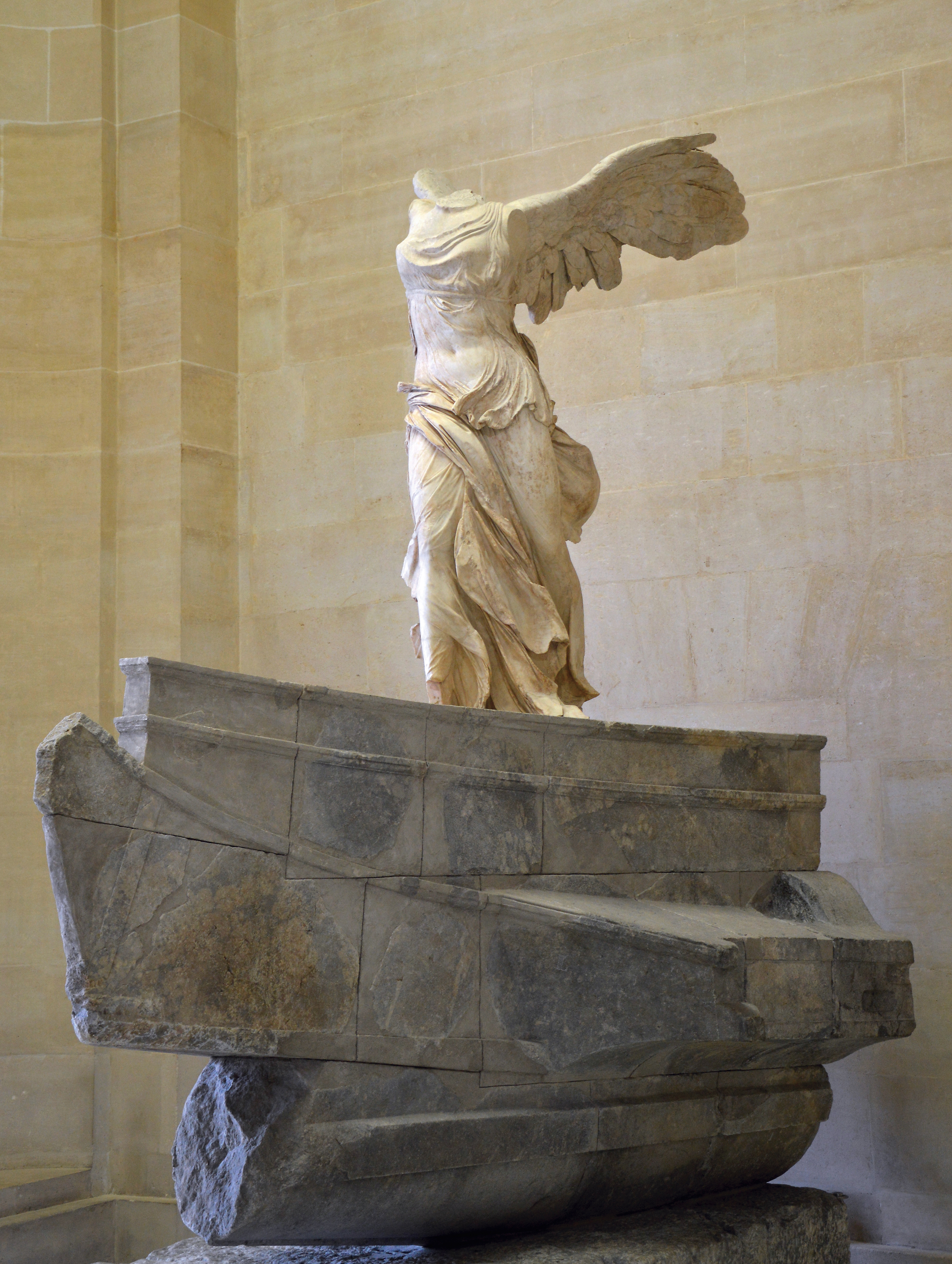
Krilata pobeda sa Samotrake, na grčkom poznata kao Nike, stoji kao možda vrhunsko dostignuće helenističke vajarske ambicije, delo koje spaja monumentalnu razmeru, teatralnu kompoziciju i virtuoznu obradu mermera u sliku božanskog trijumfa tako ubedljivu da je njeno stanje bez glave i ruku paradoksalno pojačalo, a ne umanjilo njenu moć. Skulptura prikazuje Nike, personifikaciju pobede, kako se spušta na pramac ratnog broda, njena velika krila raširena iza nje dok koraknuća napred u nevidljivu oluju. Isklesana od parskog mermera — luminoznog, finozrnog kamena vadennog na kikladskom ostrvu Parosu, cenjenog u antici za svoju providnost — figura meri 244 centimetra u visinu i prvobitno je bila postavljena na pramac broda isklesanom od sivog rodskog mermera, čitav monument uzdižući se približno 5,5 metara iznad tla unutar Svetilišta Velikih bogova na ostrvu Samotrake u severoistočnom Egeju. Monument gotovo sigurno komemorise pomorsku pobedu, mada precizna bitka koju slavi ostaje predmet naučne debate.
Skulpturu je otkrio u aprilu 1863. Šarl Šampuazo, francuski vicekonzul u Jedreneu (savremeno Edirne), tokom arheološke ekspedicije na Samotrake. Šampuazo je pronašao figuru u preko sto fragmenata rasutih po terasastom padinom iznad pozorišta svetilišta, dok je pramac broda otkriven odvojeno. Fragmenti su transportovani u Pariz, gde je počeo mukotrpni proces rekonstrukcije u Luvru. Prvobitno sklapanje 1866. prikazalo je figuru bez postolja od broda, koje nije prepoznato kao deo monumenta do 1875; kompletni ansambl — Nike na svom pramcu — konačno je instaliran zajedno 1884. Desno krilo je gipsana restauracija koja odražava sačuvano levo krilo, a nedostajuća glava, ruke i stopala nikada nisu pronađeni, uprkos Šampuazoovim povratnim ekspedicijama na Samotraku. Fragmentarna desna šaka, otkrivena na ostrvu 1950. od strane tima sa Njujorškog univerziteta, sada je izložena u vitrini pored skulpture, njeni prsti savijeni u gestu koji sugeriše da je Nike podizala desnu ruku, možda da krunise pobednika ili zatrubi u trubu.
Formalna analiza
Datiranje i atribucija Nike bili su predmet opsežne debate. Najšire prihvaćena hipoteza, koju je izneo austrijski istoričar umetnosti Herman Tirš 1931. godine i podržala kasnija arheološka analiza, smešta monument oko 190. godine pre nove ere i povezuje ga sa pomorskim pobedama ostrva Rodosa protiv Antioha III Seleukidskog carstva. Ovo datiranje počiva na stilskom poređenju sa drugim rodskim skulpturama, na upotrebi rodskog krečnjaka za postolje broda i na poziciji monumenta unutar šireg obrasca helenističkih posveta pobedama. Alternativna hronologija, koju favorizuju neki naučnici, povezuje monument sa pomorskom pobedom makedonskog kralja Demetrija Poliorketa kod Salamine na Kipru 306. godine pre nove ere, što bi ga učinilo znatno ranijim delom. Rodsko datiranje je, međutim, steklo šire prihvatanje, smeštajući Nike čvrsto u period visokog helenizma, eru koju karakterišu dramatične, emocionalno nabijene kompozicije, teatralni prostorni rasporedi i barokni intenzitet obrade površine koji ga razlikuje od uzdržanijeg klasicizma petog i četvrtog veka pre nove ere.
Vajarski tretman draperije na Nike sa Samotrake predstavlja jedno od najizuzetnijih tehničkih dostignuća u istoriji zapadne umetnosti. Boginja nosi peplos (tešku vunenu odeždu) i lakši hiton ispod njega, obe prikazane u mermeru sa zadivljujućom kontrolom fizike tekstila. Tkanine reaguju na dve suprotstavljene sile — kretanje figure napred i žestoki vetar koji duva sa mora — proizvodeći zapanjujuće složenu igru prianjanja, nadimanja i uvrtanja tkanine. Preko torza, tehnika mokre draperije priteže tkaninu uz telo, otkrivajući konture grudi, abdomena i pupka sa gotovo transparentnom intimnošću koja se nadovezuje na dostignuća skulptora Partenona. Ispod struka, draperija eruptira u duboke, turbulentne nabore, kaskadama se spuštajući između nogu i vijoreći se iza figure u teškim lančanim krivinama koje dočaravaju nasilje vetra na tkanini. Kontrast između glatkih, telo otkrivajućih pasaža i duboko klesanih, senkom bogatih nabora stvara vizuelni ritam izvanredne energije, kontrolisani haos koji čini da mermer izgleda kao da se kreće. Nijedan antički vajar nije nadmašio ovo dostignuće; retki su mu se izjednačili.
Ikonografija i simbolika
Odsustvo glave i ruku, daleko od umanjivanja uticaja statue, postalo je centralno za njen estetski identitet. Torzo bez glave eliminiše specifičnost facijalnog izraza, transformišući Nike iz određenog božanskog bića u univerzalni amblem zamaha napred i trijumfa. Posmatrač ne može da sretne pogled boginje, pa je stoga pažnja usmerena isključivo na dinamičan prodor tela, raspon krila i turbulentnu draperiju — elemente koji komuniciraju pokret, vetar i ushićenje bez pribegavanja narativu ili fiziognomskom detalju. Ovaj efekat se poklapa sa širom modernom estetikom koja ceni fragment, ruinu i sugestivnu nekompletnost — estetikom koju je artikulisao Rajner Marija Rilke u svom eseju o arhajskom torzu Apolona, gde je tvrdio da fragmentarno telo može zračiti koncentrisaniju izražajnu snagu od intaktne figure. Nike je profitirala od ovog modernog senzibiliteta, njeno sakaćenje postajući izvor sublimne moći umesto umanjenja, mada vredi podsetiti da je antički posmatrač doživljavao sasvim drugačije delo: polihromatsko (tragovi plave boje otkriveni su na perju), kompletno sa glavom i rukama, i postavljeno nasuprot otvorenom nebu iznad reflektujućeg bazena koji je simulirao more.
Pozicija Nike na vrhu stepeništa Daru u Luvru jedna je od najslavnijih instalacija u bilo kom muzeju, kustoska odluka koja briljantno eksploatiše dinamizam skulpture usmerene napred. Postavljena na vrh širokog stepeništa od 1883. godine, figura kao da juri ka posetiocu koji se penje, njena krila i draperija ispunjavajući stepenište impliciranim vetrom i pokretom. Pramac broda od sivog mermera služi kao masivni postament koji uzdiže figuru iznad linije posmatračevog pogleda, rekreirajući nešto od originalnog iskustva u samotračkom svetilištu, gde je monument zauzimao dramatičnu terasu na padini otvorenu egejskim vetrovima. Prirodna svetlost koja obasipa stepenište sa svetlarnika iznad menja se tokom dana, animirajući isklesane površine promenljivim obrascima osvetljenja i senke. Ova instalacija učinila je Nike najdramatičnijim prostornim iskustvom Luvra — posetioci koji se penju stepeništem susreću skulpturu u nizu progresivno bliskih pogleda koji se grade od dalekog naziranja do nadmoćne blizine, kinematografsko razvijanje koje nijedna fotografija ne može da replicira.
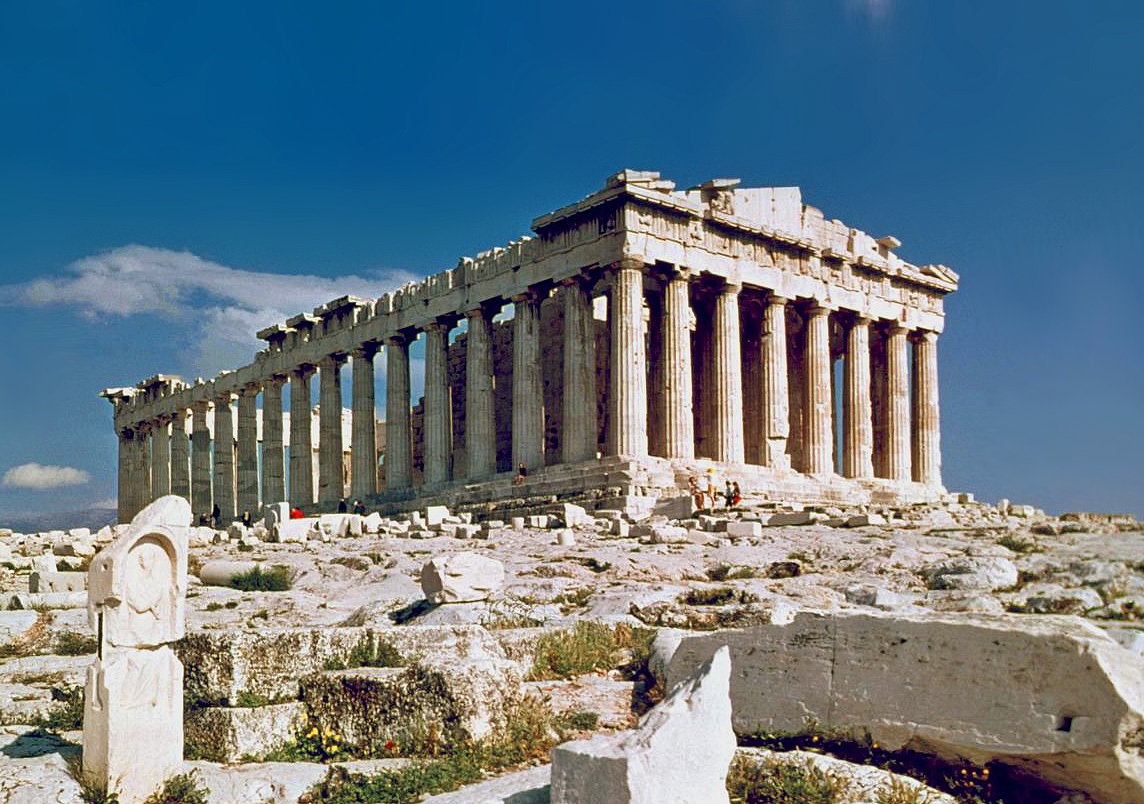
Poređenje sa klasičnom skulpturom otkriva pun obim helenističke revolucije koju Nike otelotvoruje. Nike iz petog veka, poput Nike Peonijeve u Olimpiji (oko 420. pre n.e.), deli motiv krilate pobede koja se spušta sa nebesa, ali njena kompozicija ostaje suštinski frontalna, njena draperija šematska, njen emocionalni registar uzdržan. Nike sa Samotrake razbija ova klasična ograničenja: figura se kreće na snažnoj dijagonali, torzo se uvija nasuprot kukovima, krila se protežu asimetrično i čitava kompozicija zahteva da se posmatra iz više uglova, generišući centrifugalnu energiju koju je klasična skulptura namerno sputavala. Tamo gde je klasična umetnost tražila ravnotežu, helenistički vajar tražio je dramu; tamo gde je friz Partenona podređivao pojedinačne figure sveobuhvatnom kompozicionom jedinstvu, Nike komanduje prostorom kao usamljena, nadmoćna prisutnost. Ovaj pomak od harmonije ka spektaklu odražava šire kulturne transformacije helenističkog sveta, u kome je intiman, na građane centriran polis ustupio mesto ogromnim kraljevstvima koja su zahtevala umetnost odgovarajuće grandioznosti i emocionalne snage.
Recepcija i nasleđe
Krilata pobeda sa Samotrake vršila je dubok uticaj na kasniju umetnost, od rimske trijumfalne ikonografije do Futurističkog manifesta Filipa Tomazoa Marinestija iz 1909. godine, u kome je italijanski pesnik provokativno izjavio da je „bučni automobil… lepši od Pobede sa Samotrake.” Marinetijevo poređenje bilo je više počast nego odbacivanje — izabrao je Nike kao merilo prema kome se nova estetika brzine i mašina modernosti mora meriti, implicitno priznavajući nenadmašeni izraz kinetičke energije skulpture. U dvadesetom veku, Nike je inspirisala Jedinstvene oblike kontinuiteta u prostoru Umberta Bočonija (1913), čija koračajuća figura i vetrom obuvane površine predstavljaju direktan vajarski odgovor na antičko delo. Maskota Spirit of Ecstasy na automobilu Rolls-Royce, koju je dizajnirao Čarls Sajks 1911. godine, takođe vodi poreklo od spoja kretanja napred i uzvišene gracioznosti Nike sa Samotrake. Ove raznolike aproprijacije svedoče o neiscrpnoj vitalnosti skulpture kao slike trijumfalnog zamaha — dela koje, uprkos svojim lomovima i gubicima, komunicira iskustvo pobede sa neposrednošću koju skoro dvadeset dva veka nisu nimalo umanjila.