Prica o grckoj umetnosti je jedna od najizvanrednijih trajektorija u istoriji ljudske kreativnosti — putovanje od stroge geometrijske apstrakcije devetog veka pre nove ere do emocionalno nabijenih, tehnicki virtuoznih skulptura helenisticke ere. Ova evolucija se odvijala kroz cetiri siroke faze: geometrijski period (oko 900-700. pre nove ere), karakterisan apstraktnim paternima i shematskim figurama na keramici; arhaicki period (oko 700-480. pre nove ere), koji je video pojavu monumentalne kamene skulpture i razvoj karakteristicnog “arhaickog osmeha”; klasicni period (oko 480-323. pre nove ere), kada su umetnici postigli nevisdjen spoj idealizma i naturalizma; i helenisticki period (oko 323-31. pre nove ere), koji je prosiirio raspon umetnickog izraza ukljucujuci intenzivnu emociju, dramaticno kretanje i subjekte iz svakodnevnog zivota. Svaka faza je gradila na prethodnoj i reagovala na nju, stvarajuci dinamicnu tradiciju koja ce oblikovati zapadnu umetnost tokom milenijuma.
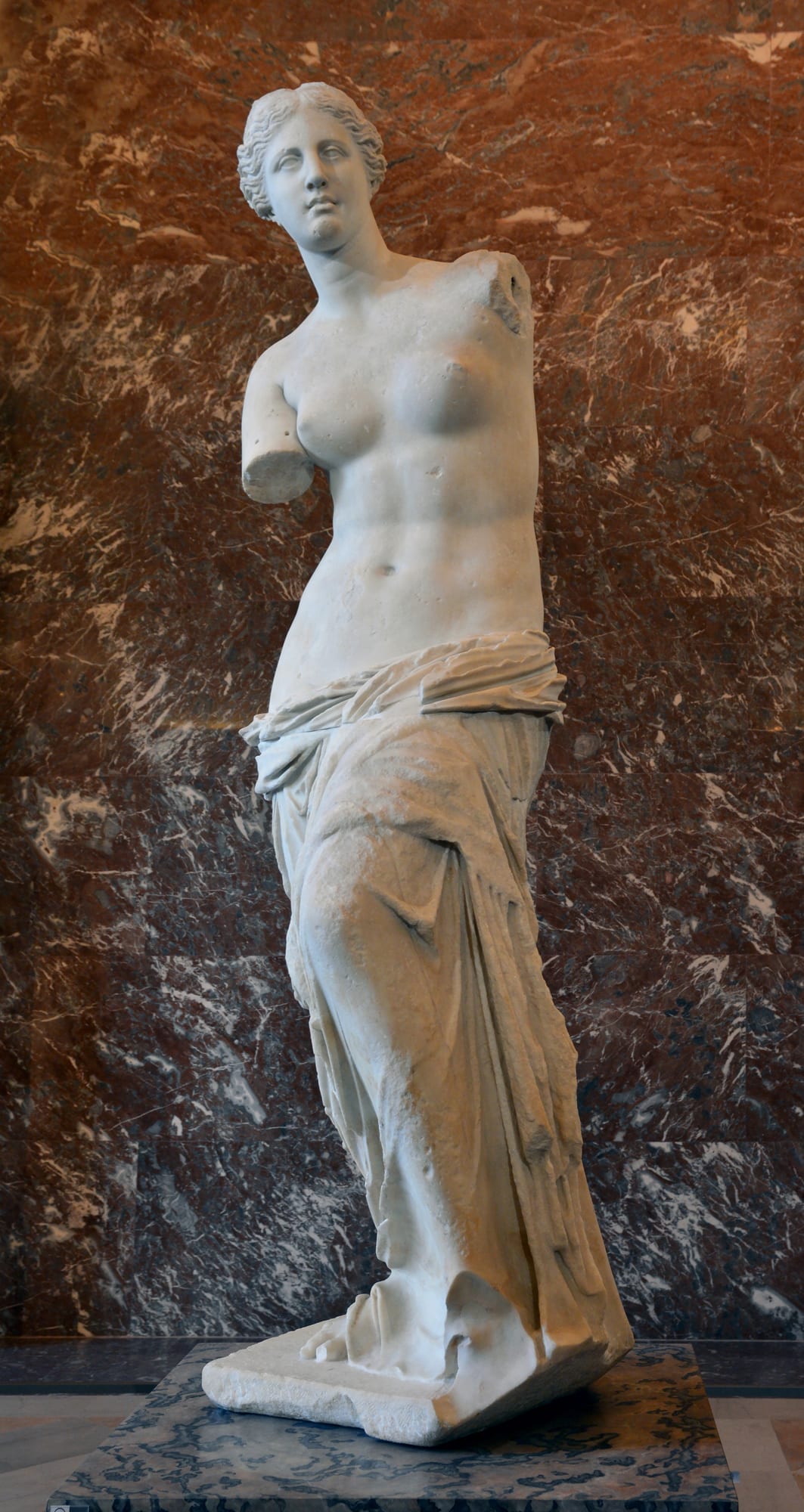
U srcu klasicne grcke umetnosti lezala je revolucionarna ideja: da se lepota moze razumeti razumom. Vajar Poliklet je kodifikovao ovo uverenje u svom traktatu Kanon, koji je uspostavio sistem matematickih proporcija za idealno ljudsko telo. Njegova bronzana statua Doriforos (Kopljonoša, oko 440. pre nove ere) otjelotvorila je ove principe, sa tezinom prebacenom na jednu nogu u revolucionarnoj kontraposto pozi koja je figuri davala prirodan, zivotni kvalitet uz odrzavanje savrsene ravnoteze i harmonije. Polikletov savremenik Fidija je nadgledao skulpturalni program Partenona i stvorio dve od najpoznatijih kultnih statua antike — kolosalnu Atenu Partenos od zlata i slonovace i sedeceg Zevsa u Olimpiji, jedno od Sedam svetskih cuda. Generaciju kasnije, Praksitel je omeksao klasicni ideal, uvodecu culni, sanjarski kvalitet u svoje figure. Njegova Afrodita Knidska (oko 350. pre nove ere) bila je prva monumentalna zenski akt u grckoj umetnosti, delo toliko slavno da su ljudi putovali sa celom Mediterana da ga vide.
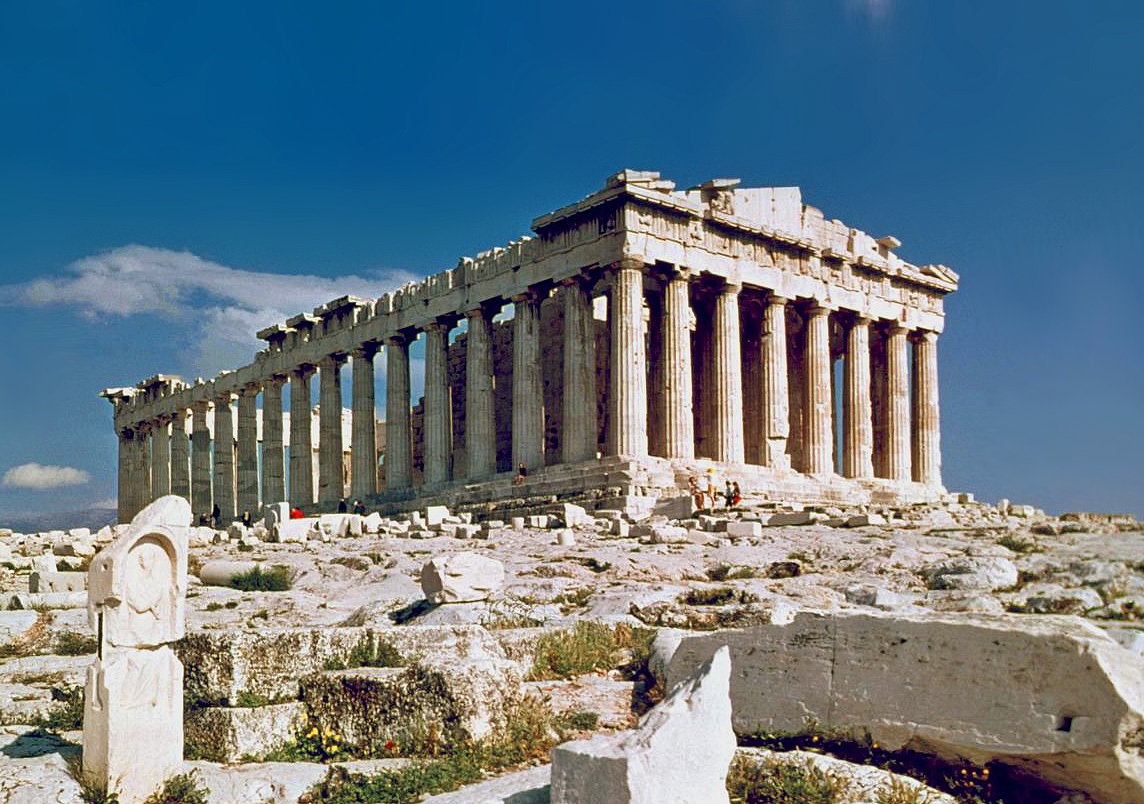
Partenon, sagradjen izmedju 447. i 432. pre nove ere pod rukovodstvom Perikla, stoji kao vrhunsko dostignuce klasicne grcke arhitekture i mocan simbol atenske demokratije. Projektovan od strane arhitekata Iktina i Kalikrata, hram je koristio dorski red — najstroziji od tri grcka arhitektonska sistema — ali ga je profinio sa izuzetnom suptilnoscu. Stubovi se blago siže na sredini (entazis) da bi ispravili opticku iluziju konkavnosti; stilobat se neprimedceno krivi nagore u sredini; a uglovi stubovi su nesto deblji i blize postavljeni da bi poništili vizuelno stanjivanje uzrokovano svetlim nebom iza njih. Ova “usavrsavanja” otkrivaju civilizaciju koja je verovala da savrsenstvo nije stvar krute geometrije vec osetljivog prilagodjavanja matematickih pravila stvarnostima ljudske percepcije. Skulpturalni program Partenona, koji je dizajnirao Fidija, ukljucivao je masivnu hrizelefantinsku statuu Atene unutra, metope koje prikazuju mitoloske bitke, neprekidni jonski friz koji prikazuje panatenejsku procesiju i zabatne skulpture koje pripovedaju o rodjenju Atene i njenom takmicenju sa Posejdonom.
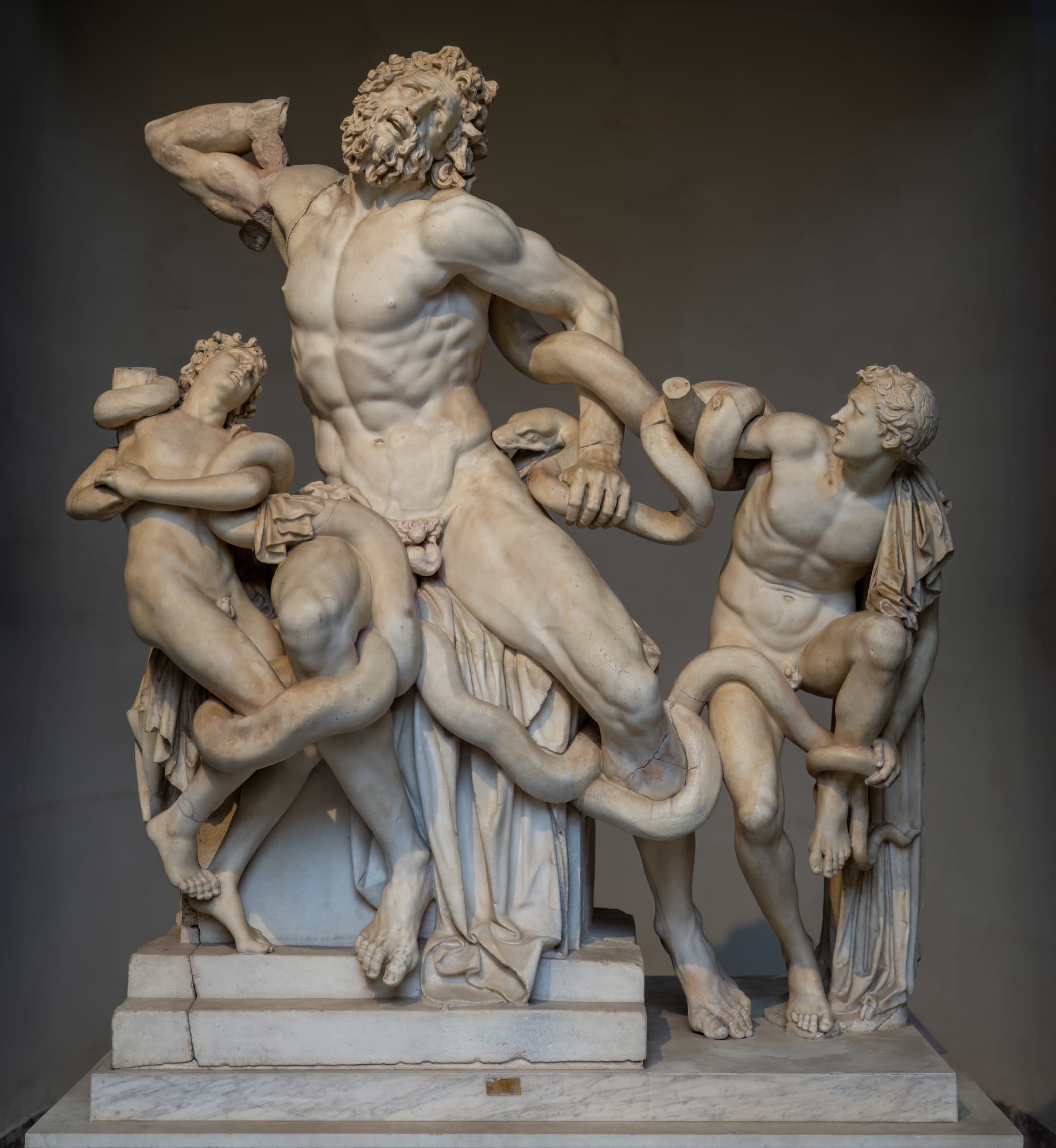
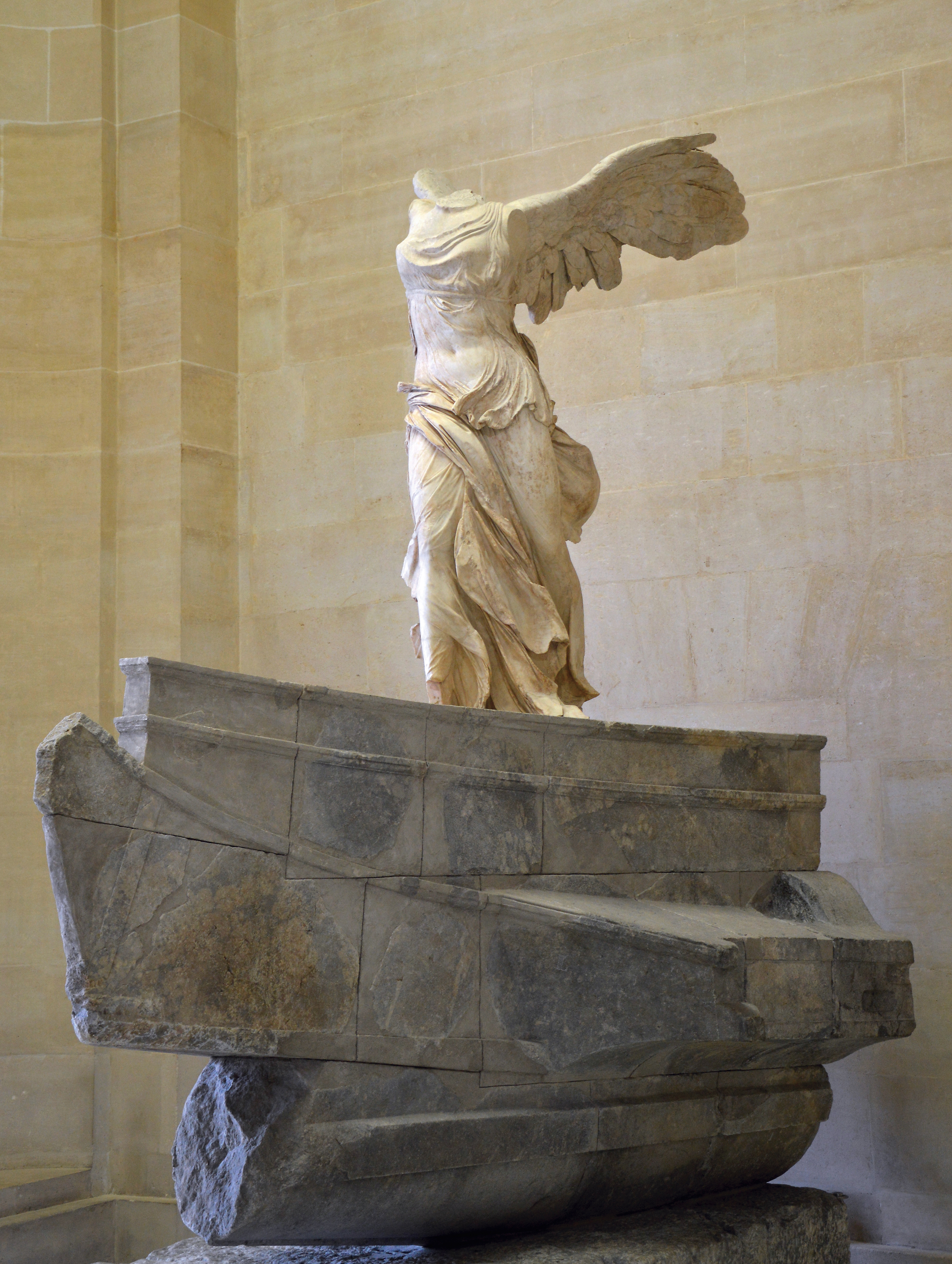
Helenisticki period, inaugurisan smrcu Aleksandra Velikog 323. pre nove ere, razbio je klasicni ideal mirne suzdrzanosti. Kako se grcka kultura sirila po ogromnim teritorijama koje je Aleksandar osvojio — od Egipta do Srednje Azije — umetnost je postala dramaticnija, emocionalnija i raznovrsnija. Laocoon and His Sons, izrezbaren od strane trojice rodskih vajara oko 200. pre nove ere, otjelotvoruje ovu transformaciju: trojanski svestenik i njegovi sinovi se grce u agoniji dok ih morske zmije drobe, lica iskrivljena u bolu, misici napeti protiv neizbezne sudbine. Winged Victory of Samothrace (oko 190. pre nove ere) hvata boginju kako se spusta na pramac broda, njena draperija bičurana vetrom i morskom penom u virtuoznom prikazu klesanja mermera. Helenisticki umetnici su takodje istrazivali subjekte koje bi klasicni vajari smatrali nedostojnim — stare zene, decu koja spavaju, pijane satire i zanr scene svakodnevnog zivota — odrazavajuci svet koji je bio veci, slozeniji i kosmopolitskiji od kulture gradova-drzava Atine petog veka.
Nasledje grcke umetnosti gotovo je nemoguce preceniti. Rimski umetnici su kopirali grcke originale tako marljivo da vecina naseg znanja o grckoj bronzanoj skulpturi potice iz rimskih mermernih kopija. Renesansa je u sustini bila ponovno otkrice grckih i rimskih umetnickih principa, i kontraposto poza se ponovo pojavila u delima Donatela, Mikelandjela i bezbroj drugih. Neoklasicni umetnici osamnaestog i devetnaestog veka gledali su na Grcku kao na izvorise lepote i civilizacije, a skulpture Partenona (“Elginovi mermeri”) u Britanskom muzeju postale su kameni medjasi evropske estetike. Cak i danas, grcko uverenje da je ljudsko telo vrhovni predmet umetnosti, i da se lepota moze razumeti kroz proporciju i harmoniju, nastavlja da informise umetnicku praksu i debatu. Grcka umetnost je dala zapadnom svetu ne samo set formi vec set ideja — o lepoti, o razumu, o odnosu izmedju pojedinca i ideala — koje ostaju zive i osporavane do danas.