Istorijski kontekst
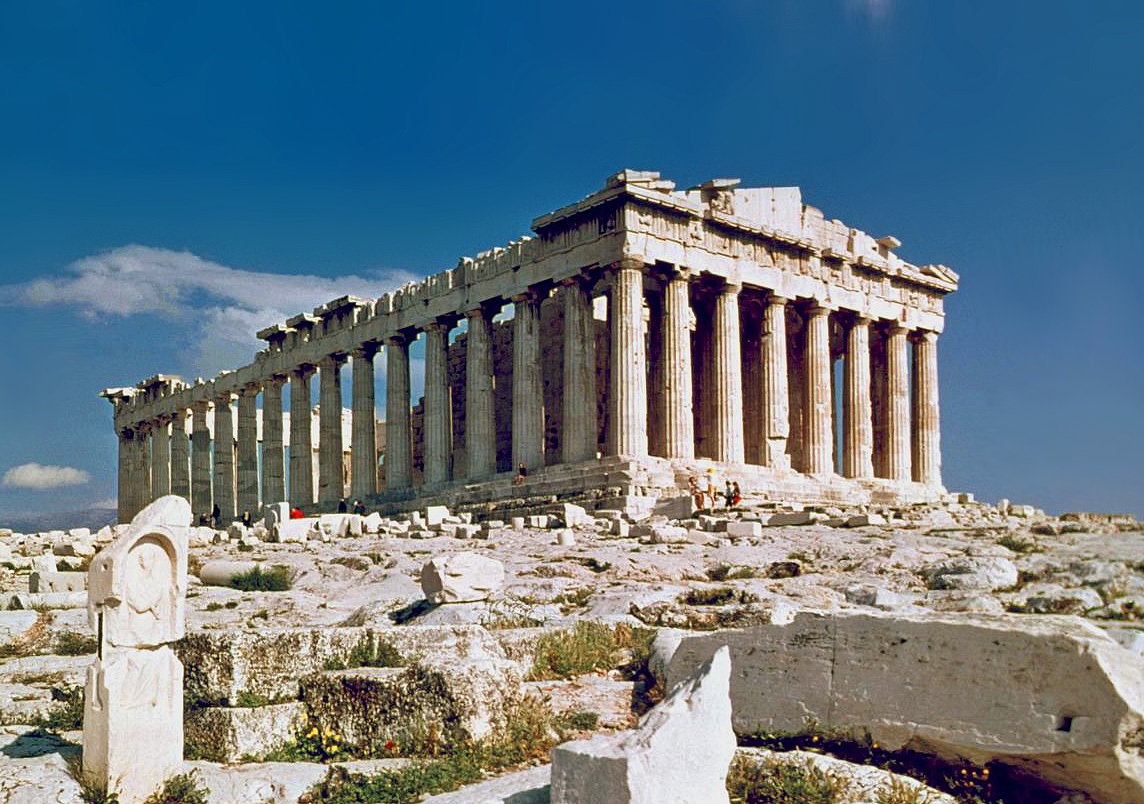
Partenon, koji se uzdiže sa krečnjačkog vrha atenskog Akropolja, predstavlja vrhunsko arhitektonsko i skulpturalno dostignuće klasičnog grčkog sveta. Naručen od strane državnika Perikla kao centralno delo ambicioznog građevinskog programa namerenog da proslavi Atinu nakon pobeda u Persijskim ratovima, hram je izgrađen između 447. i 432. godine pre nove ere pod opštim umetničkim nadzorom Fidije, najslavnijeg vajara antike. Arhitekte Iktin i Kalikrat osmislili su strukturu, dok je Fidija nadgledao obimni skulpturalni program i stvorio hriselefantinsku (od zlata i slonovače) kultnu statuu Atene Partenos koja je stajala unutar cele. Projekat je delimično finansiran iz riznice Delskog saveza, alijanse grčkih gradova-država nominalno ujedinjenih protiv Persije — kontroverzno preusmeravanje kolektivnih odbrambenih fondova u atensku samoproslavu koje je izazvalo oštre kritike još u antici, posebno od Periklovog političkog rivala Tukidida, sina Melesijevog.
Arhitektonski dizajn Partenona je remek-delo dorskog reda, ali jedno koje uključuje značajne jonske elemente u sintezi bez presedana u grčkoj hramskoj arhitekturi. Peristil se sastoji od četrdeset šest spoljašnjih stubova — osam na svakom kraćem kraju (oktastil, umesto standardnog heksastila) i sedamnaest duž bokova — svaki sastavljen od naslaganih mermernih tambura sa karakterističnom dorskom entazom, suptilnim konveksnim ispupčenjem stabla stuba koje koriguje optičku iluziju konkavnosti koja bi nastala od savršeno pravih linija. Zaista, Partenon je poznat po svojim optičkim korekcijama: stilobat (platforma) se blago uzdiže za približno 6 centimetara duž svoje dužine; stubovi se neznatno naginjuju ka unutra; ugaoni stubovi su marginalno deblji od susednih kako bi kompenzovali efekat stanjivanja pri siluetiranju na pozadini neba. Ove korekcije, koje je pažljivo dokumentovao Fransis Penrouz u devetnaestom veku, otkrivaju nivo matematičke sofisticiranosti i perceptivne osetljivosti koji je zapanjivao arhitekte i naučnike vekovima. Jonski friz koji se neprekidno proteže duž vrha zida cele predstavljao je namerno mešanje dva velika reda grčke arhitekture.
Formalna analiza
Skulpturalni program Partenona funkcionisao je na tri različita nivoa, od kojih je svaki služio drugačijoj narativnoj i formalnoj funkciji. Dva zabata — trouglasti zabatni elementi na svakom kraćem kraju — prikazivali su monumentalne, slobodnostojeće skulpturalne grupe: istočni zabat je prikazivao rođenje Atene iz Zevsove glave, dok je zapadni zabat prikazivao takmičenje između Atene i Posejdona za pokroviteljstvo nad Atinom. Devedeset dve metope, reljefni paneli visoke plastičnosti postavljeni između trigifa dorskog friza, prikazivali su četiri mitološke bitke — Lapiti protiv Kentaura (jug), Bogovi protiv Giganata (istok), Grci protiv Amazonki (zapad) i scene iz Trojanskog rata (sever) — svaka simbolizujući trijumf grčke civilizacije nad varvarstvom i haosom. Konačno, neprekidni jonski friz, koji se protezao 160 metara oko spoljašnjosti cele, prikazivao je povorku široko tumačenu kao Panatenejsku povorku, veliku četvorogodišnju svečanost u čast Atene, iako su neki naučnici predložili alternativna tumačenja, uključujući mitološko žrtvovanje Erehtejevih kćeri.
Panatenejski friz predstavlja najinventivniji i umetnički najuspešniji element skulpturalnog programa. Izrezan u plitkom reljefu da bi bio vidljiv odozdo pod oštrim uglom, friz prikazuje preko 360 ljudskih figura i mnoštvo životinja — konjanike, kočijaše, muzičare, žrtvene životinje, vodonoše i maršale — koji se spajaju od jugozapadnog ugla ka istočnoj strani, gde ih dočekuje okupljanje olimpskih bogova koji sede u opuštenim, monumentalnim pozama. Tretman ljudske figure kroz čitav friz oličava klasični ideal: tela su prikazana sa anatomskom preciznošću ali idealizovana prema univerzalnom standardu lepote; draperija pada u ritmičnim, duboko klesanim naborima koji istovremeno otkrivaju i skrivaju forme ispod; konji paradiraju i propinjaju se sa vitalnošću koja prkosi kamenom medijumu. Suptilna gradacija dubine reljefa — figure se preklapaju i povlače sa izvanrednom prostornom sofisticiranošću — demonstrira majstorstvo skulpturalnog iluzionizma koji neće biti dostignut sve do renesanse.
Pitanje autorstva ostaje složeno. Dok antički izvori pripisuju Fidiji nadgledanje skulpturalnog programa, sama razmera rada — stotine figura klesanih na zabatima, metopama i frizu — zahtevala je veliku radionicu vešte vajare. Stilska analiza otkriva više ruku na delu, sa različitim nivoima kvaliteta i prepoznatljivim skulpturalnim manirima vidljivim u različitim sekcijama. Fidijin lični doprinos verovatno se fokusirao na celokupni dizajn i najistaknutije elemente, posebno kompozicije zabata i izgubljenu hriselefantinsku Atenu. Kolaborativna priroda poduhvata ne bi trebalo da umanji naše uvažavanje njegove koherentnosti; skulpturalni program postiže izvanrednu jedinstvenost vizije uprkos učešću brojnih zanatlija, svedočanstvo o efikasnosti sistema radionica i jasnoći Fidijine vodeće estetike.
Postklasična istorija Partenona je priča o transformaciji, oštećenju i rasipanju. Pretvoren u hrišćansku crkvu (Crkvu Partenos Marije) u šestom veku nove ere, a zatim u džamiju nakon osmanske vladavine 1456. godine, struktura je preživela uglavnom netaknuta sve do 1687. godine, kada je venecijanska granata zapalila osmanski barut skladišten u zgradi, raznoseći centralni deo i uništavajući veći deo preostale skulpturalne dekoracije. Između 1801. i 1812. godine, Tomas Brus, sedmi grof od Elgina, uklonio je približno polovinu preostalih skulpturalnih elemenata — figure sa zabata, metopske panele i velike delove friza — i transportovao ih u London, gde ih je Britanski muzej kupio 1816. godine. Zakonitost i moralnost Elginovog uklanjanja debatuju se od tada, a Grčka je formalno zatražila povratak „Partenonskih mermera” (termin koji zagovornici repatrijacije preferiraju nad „Elginovim mermerima”) od 1983. godine. Izgradnja Novog muzeja Akropolja 2009. godine, sa galerijom posebno dizajniranom za prikazivanje friza u njegovoj originalnoj prostornoj konfiguraciji, pojačala je međunarodni pritisak za ujedinjenje.
Recepcija i nasleđe
Uticaj Partenona na kasniju istoriju zapadne arhitekture je nemerljiv. Njegov proporcionalni sistem, njegovo usavršavanje dorskog reda i njegova sinteza arhitekture i skulpture uspostavili su paradigmu monumentalne gradnje koja je emulirana od rimskih hramova do neoklasičnih vladinih zgrada širom sveta — od Maison Carree u Nimu do Vrhovnog suda Sjedinjenih Država. Karakterizacija grčke umetnosti Johana Joahima Vinkelmana iz osamnaestog veka kao otelotvorenja „plemenite jednostavnosti i tihe veličanstvenosti” bila je u značajnoj meri oblikovana Partenonskim skulpturama, koje su postale probni kamenovi neoklasičnog pokreta. Ipak, zgrada se takođe opire lakom prisvajanju: njene optičke korekcije nas podsećaju da grčka arhitektura nije bila strogu, pravilima vezani sistem kakvim su je kasniji klasicisti ponekad zamišljali, već dinamična, prilagodljiva umetnička forma u kojoj je matematička preciznost služila perceptivnom iskustvu. Partenon opstaje ne kao zamrznut ideal, već kao živi problem — arhitektonski, estetski, etički i politički — sa kojim se svaka generacija mora suočiti iznova.