Egipatska umetnost stoji kao jedna od najtrajnijih i najprepoznatljivijih umetnickih tradicija u ljudskoj istoriji, koja obuhvata vise od tri milenijuma od ujedinjenja Gornjeg i Donjeg Egipta oko 3000. godine pre nove ere do smrti Kleopatre i rimske aneksije 30. godine pre nove ere. Ono sto ovu tradiciju cini tako izvanrednom nije samo njena dugovecnost vec njena izuzetna doslednost. Temeljne konvencije egipatske umetnosti — kompozitni prikaz ljudske figure, hijerarhijska razmera i simbolicka upotreba boja — uspostavljene su tokom Starog carstva i ostale su uglavnom nepromenjene hiljadama godina. Ovo nije bio neuspeh maste vec namerna odluka: egipatska umetnost nije stvarana da bi ugodila smrtnim ocima vec da sluzi mrtvima u zagrobnom zivotu, i njena moc je zavisila od pridrzavanja formi za koje se verovalo da su bozanski odredjene i magicno delotvorne.
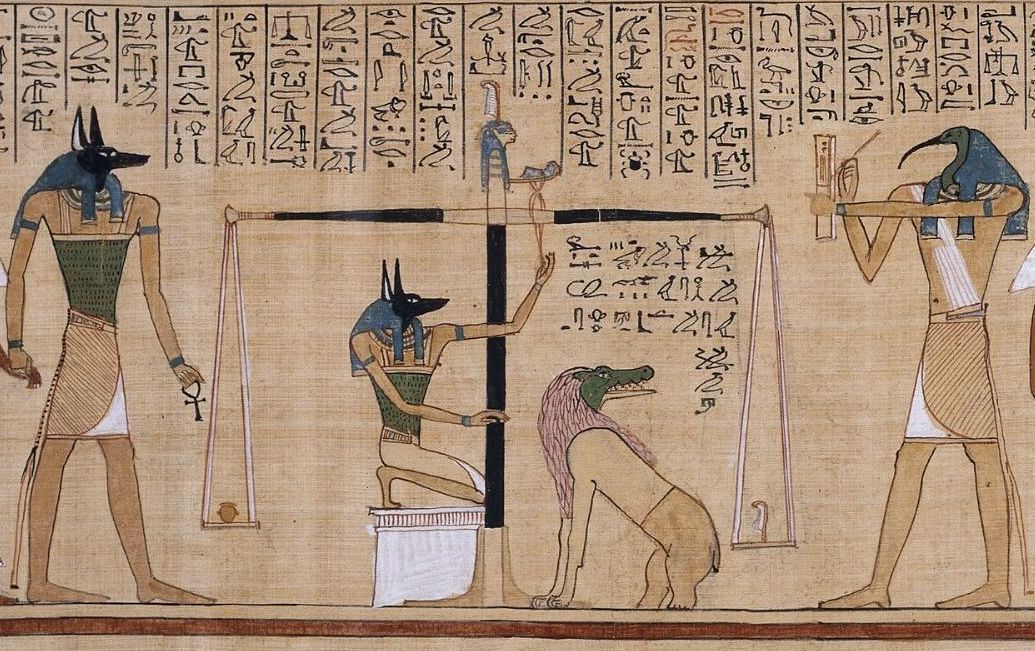
Odnos izmedju egipatske umetnosti i zagrobnog zivota ne moze se dovoljno naglasiti. Za stare Egipcane, granica izmedju zivota i smrti bila je porozna, a umetnost je sluzila kao most izmedju dva carstva. Grobnicne slike su prikazivale scene svakodnevnog zivota — zemljoradnju, gozbe, lov i muziciranje — ne kao nostalgicnu dekoraciju vec kao magicne zalihe koje ce odrzavati pokojnika za vecnost. Skulpture pokojnika sluzile su kao zamenska tela za ka, vitalnu sustinu koja prezivljava fizicku smrt. Poznati kompozitni prikaz, u kojem su figure prikazane sa glavom i nogama u profilu ali torzom i okom okrenutim frontalno, nije bio naivno nerazumevanje perspektive vec namerna strategija da se svaki deo tela predstavi u svom najpotpunijem i najprepoznatljivijem obliku, osiguravajuci magicku celovitost figure. Svaka boja je nosila znacenje: zelena je simbolizovala regeneraciju, crna je oznacavala plodnost i zagrobni zivot, a zlato je predstavljalo telo bogova.
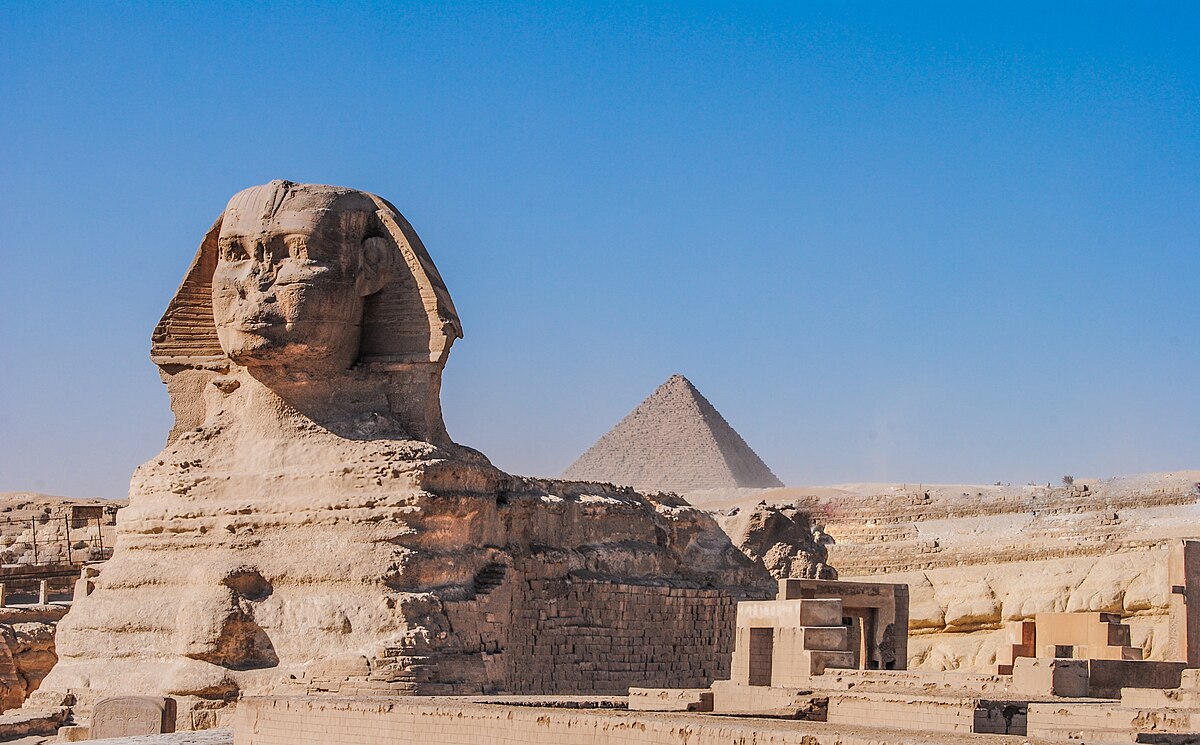
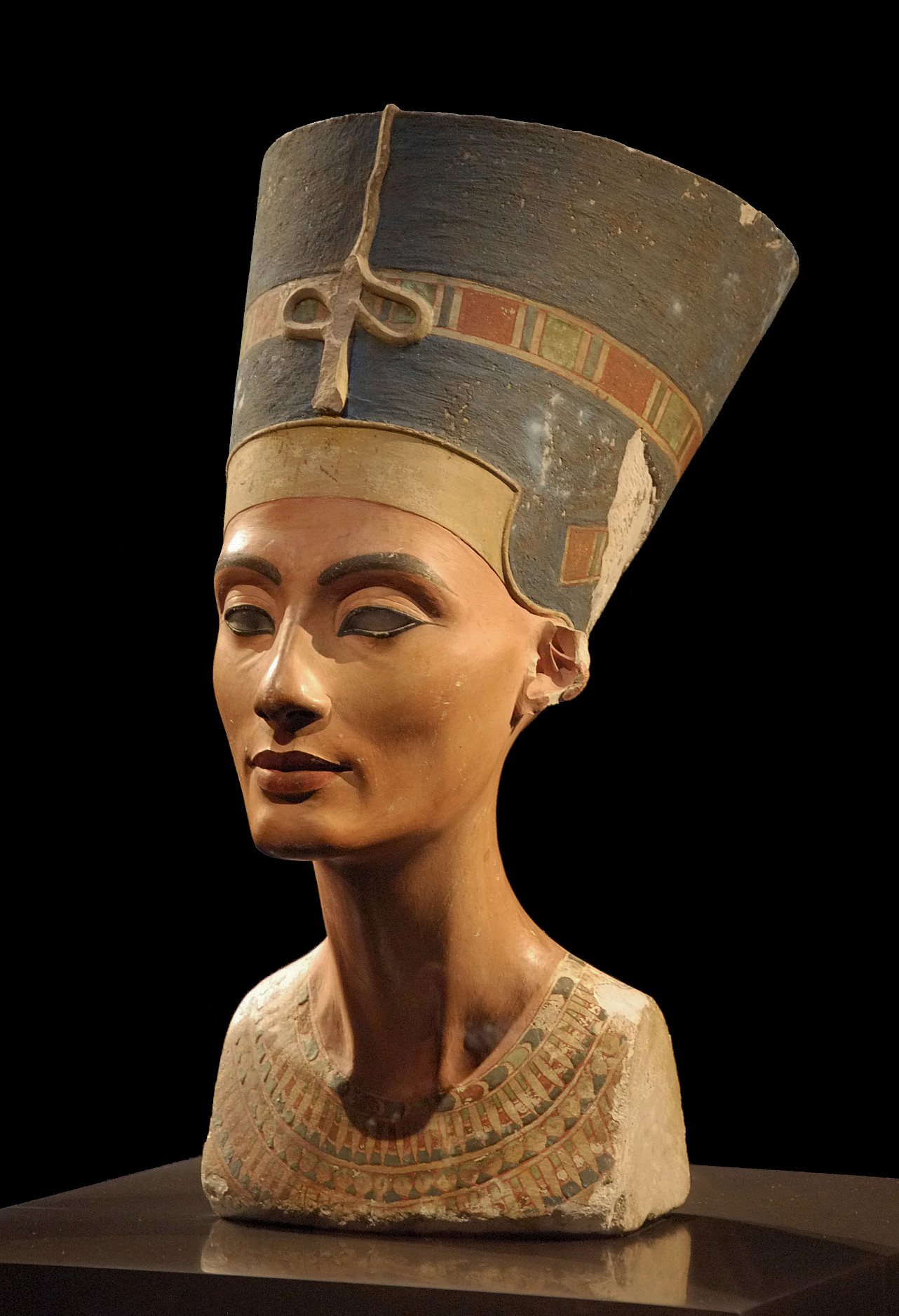
Egipatska skulptura je dostigla zadivljujucu sofisticiranost, od kolosalne Velike sfinge u Gizi — figure cuvara sa telom lava i glavom faraona Kafre — do intimne elegancije oslikane krecnjacke biste Nefertiti, otkrivene u radionici vajara Tutmosa u Amarni. Konvencije skulpture sledile su stroga pravila: stojece muske figure koracale su napred levom nogom, sedece figure su drzale ruke na kolenima, a faraoni su prikazivani sa idealizovanim, vecno mladolikim telima bez obzira na njihov stvarni izgled. Monumentalna arhitektura piramida u Gizi, pogrebni hramovi Luksora i grobnice uklesane u stenu Doline kraljeva demonstrirale su zapanjujucu komandu inzenjerstva i organizacije rada, sve usmereno u sluzbi osiguravanja faronovog vecnog postojanja.
Najdramaticniji izuzetak od izuzetne doslednosti egipatske umetnosti dosao je tokom vladavine Ehnatona (oko 1353-1336. pre nove ere), koji je pokrenuo religioznu revoluciju zamenjujuci tradicionalni panteon obozhavanjem jednog bozanstva, suncanog diska Atona. Umetnost amarnskog perioda, kako je poznata, ostro je prekinula sa tradicijom: sam Ehnaton je prikazivan sa izduzenim licem, naduenim stomakom i sirokim kukovima — zapanjujuci otklon od idealizovane faraonske forme. Njegova kraljica Nefertiti je prikazivana sa nezapamcenim naturalizmom i individualnosccu. Intimne scene kraljevske porodice — Ehnaton i Nefertiti se igraju sa svojim kcerkama pod zracima Atona — zamenile su formalne, hijeraticne kompozicije ranije umetnosti. Ova revolucija je bila kratkotrajna; posle Ehnatonove smrti, njegov sin Tutankamon je obnovio staru religiju, a naredni faraoni su pokusali da izbrisu Ehnatona iz istorije. Pa ipak, amarnski period ostaje fascinantan svedocanstvo moci jednog vladara da preoblikuje citavu umetnicku tradiciju, koliko god kratko.
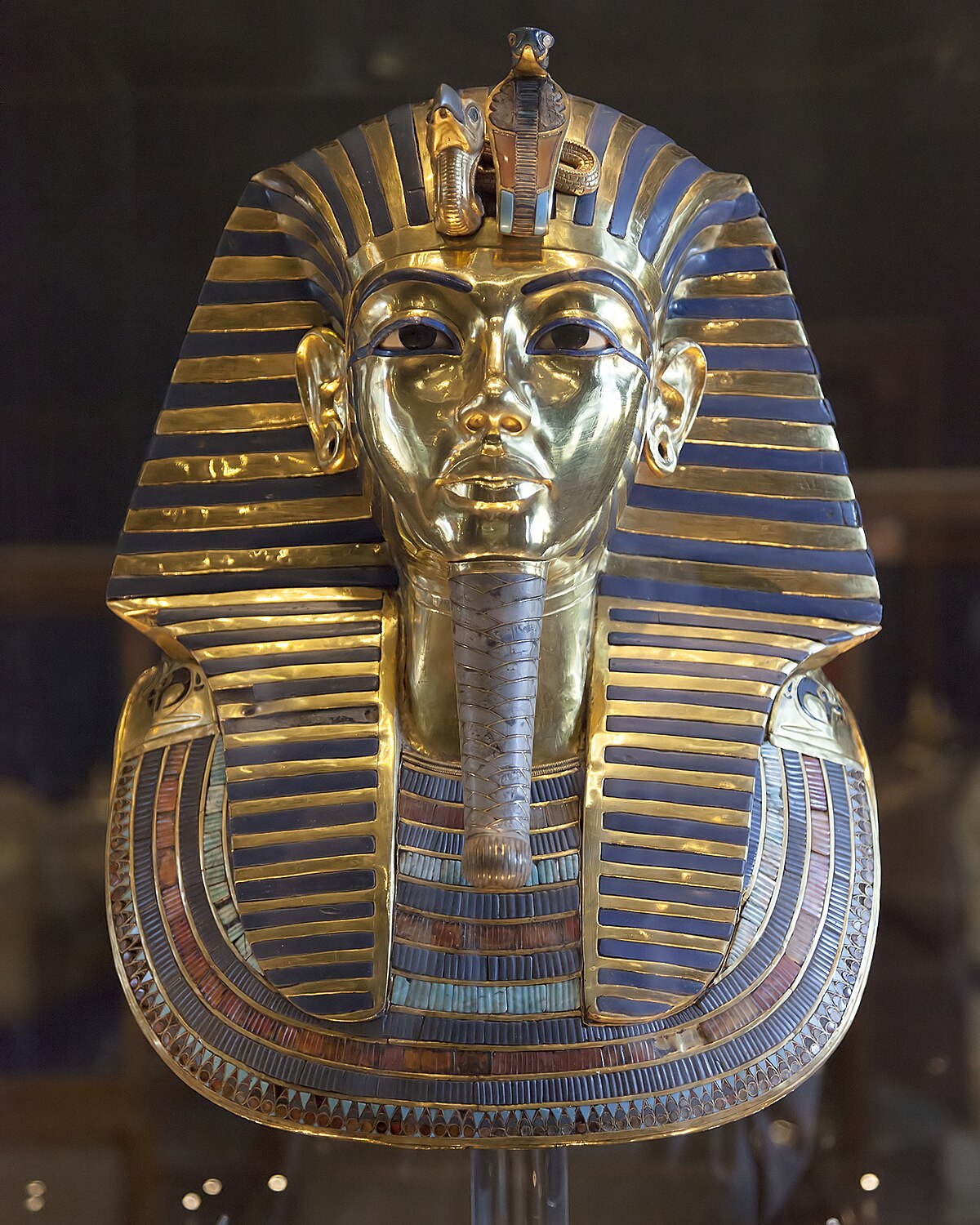
Uticaj egipatske umetnosti prostire se daleko izvan obala Nila. Gricki vajari arhaicnog perioda crpeli su direktno iz egipatskih modela za svoje najranije monumentalne statue, kuroj, usvajajuci stav sa korakom leve noge napred. Rimski carevi su ukrasavali svoju prestonicu egipatskim obeliscima, a kult boginje Izide sirio se celim Mediteranom. U modernoj eri, Napoleonova egipatska kampanja iz 1798. pokrenula je talas egiptomanije koji je uticao na arhitekturu, dizajn namestaja i dekorativne umetnosti sirom Evrope i Amerike. Otkrice Tutankamonove grobnice od strane Hauarda Kartera 1922, sa njenom spektakularnom zlatnom pogrebnom maskom i hiljadama grobnih darova, zarobilo je mastu sveta i inspirisalo Art Deko dizajn. Danas, egipatska umetnost nastavlja da fascinira upravo zbog svoje drugocajnosti — svog mirnog, bezvremenskog kvaliteta, svog odbijanja da se bavi prolaznim i individualnim, i svog dubokog uverenja da umetnost moze pobediti samu smrt.