Drevni Bliski istok, cesto nazivan “kolevkom civilizacije”, iznedrio je neke od najranijih i najznacajnijih umetnickih tradicija coveccanstva. Protezuci se preko plodnih aluvijalnih ravnica izmedju Tigra i Eufrata — regiona koji ce Grci kasnije nazvati Mesopotamija, “zemlja izmedju dve reke” — ova prostrana kulturna sfera obuhvatala je danasnji Irak, Siriju, jugoistocnu Tursku i zapadni Iran. Pocev od pojave urbanih centara u juznoj Mesopotamiji oko 3500. godine pre nove ere i nastavljajuci se do osvajanja Persijskog carstva od strane Aleksandra Velikog 330. godine pre nove ere, bliskoistocna umetnost evoluirala je tokom vise od tri milenijuma, odrazavajuci ambicije, verovanja i administrativne potrebe uzastopnih imperijalnih sila. Za razliku od relativno jedinstvene umetnicke tradicije faraonskog Egipta, bliskoistocna umetnost nastajala je kroz niz razlicitih ali kulturno medjusobno povezanih civilizacija — sumerske, akadske, vavilonske, asirske i persijske — od kojih je svaka doprinela osobenim formama dok je gradila na dostignucima svojih prethodnica.
Sumeri, koji su osnovali prve gradove na svetu u juznoj Mesopotamiji izmedju priblizno 3500. i 2334. godine pre nove ere, postavili su temelje za gotovo svu kasniju bliskoistocnu umetnicku produkciju. U gradovima-drzavama poput Ura, Uruka, Lagasa i Nipura, sumerskii umetnici razvili su cilindrricke pecate — male izrezbarene kamene cilindre koji su, kada su se kotrljali po vlaznoj glini, proizvodili kontinuirane narativne frizove korissene za oznacavanje vlasnistva i autentifikaciju dokumenata. Ove minijaturne majstorije, cesto ne vece od palca, prikazivale su mitoloske scene, ritualna slavlja i borbe izmedju heroja i zivotinja sa izvanrednom preciznoscu. Sumerskii vajari takodje su proizvodili votivne statue sa sirokom otvorenim ocima ukraszenim skoljkama i lapis lazulijem, namenjene da stoje u vecitoj molitvi pred bogovima u hramskim svetilistima. Kraljevsko groblje u Uru, iskopano od strane sera Leonarda Vulija izmedju 1922. i 1934, otkrilo je spektakularne nalaze ukljucujuci Standdard iz Ura, mozaicku kutiju koja prikazuje scene rata i gozbee, i zlatni ukras za glavu i nakit kraljice Puabi, otkrivajuci kulturu izvanredne materijalne sofisticiranosti i slozenog pogrebnog rituala.
Ujedinjenje Mesopotamije pod Sargonom Akadskim oko 2334. pre nove ere uvelo je novu imperijalnu razmeru i ideolosku ambiciju u bliskoistocnu umetnost. Akadski vajari proizveli su dela bez presedana u naturalizmu i psiholoskoj intenzivnosti, najznacajnije bakarnu portretnu glavu tradicionalno identifikovanu kao samog Sargona — delo upecatljivog dostojanstva i autoriteta koje se sada nalazi u Irackom muzeju. Pobednicka stela Naram-Sina, Sargonovog unuka, dramaticno je prekinula sa rigidnim horizontalnim registrima sumeerske reljefne kompozicije, umesto toga raspporedjujuci figure dijagonalno da prikaze kralja kako se penje na planinu, uzdizuci se iznad svojih neprijatelja i priblizavajuci se carstvu bogova. Ovaj naglasak na kraljevsskom velicanju i bozanskom statusu kralja postace stalna tema u bliskoistocnoj umetnosti. Nakon pada Akada, Treca dinastija Ura (oko 2112-2004. pre nove ere) bila je svedok sumerske obnove koju je karakterisala monumentalna gradnja zigurata — veliki Zigurat Ura, delimicno obnovljen od strane Sadama Huseina 1980-ih, ostaje najbolje ocuvani primer ovih masivnih stepenastih hramskih platformi koje su dominirale mesopotamskim obrisom i verovatno inspirisale biblijsku pricu o Vavilonskoj kuli.
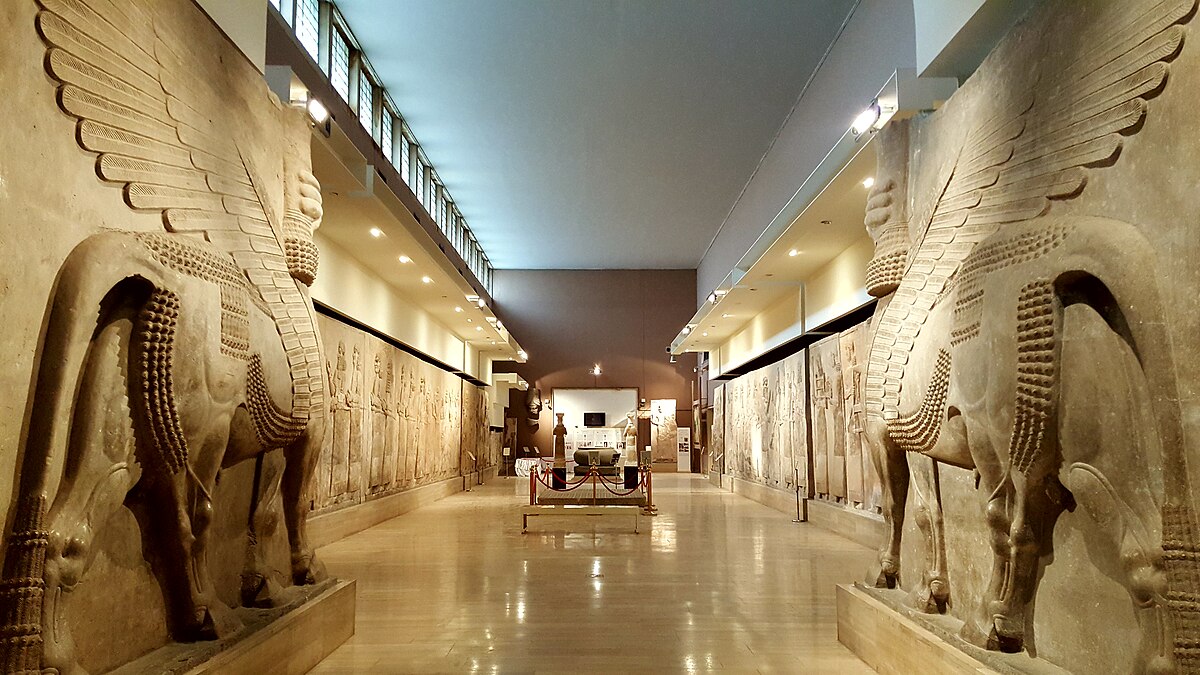
Asirsko carstvo, koje se uzdiglo do dominacije u severnoj Mesopotamiji od devetog do sedmog veka pre nove ere, proizvelo je ono sto mnogi naucnici smatraju vrhovnim dostignucem bliskoistocne umetnosti: narativne reljefne programe koji su oblagali zidove kraljevskih palata u Nimrudu (antickom Kalhu), Korsabadu (Dur-Sarukinu) i Nineviji. Otkriveni od strane pionirskih arheologa Ostina Henrija Lejarda i Pol-Emila Bote 1840-ih, ovi izrezbareni alabasterski paneli prikazivali su kraljevske lovove na lavove, vojne kampanje, opsadna ratovanja i procesije danka sa izvanrednim detaljima i kompozicijom sofisticiranoscu. Reljefi lova na lavove iz Severne palate Asurbanipala u Nineviji (oko 645. pre n.e.), sada u Britanskom muzeju, siroko su priznati kao medju najfinijim dostignucima anticke skulpture, hvatajuci agoniju ranjenih zivotinja sa gotovo empatickim naturalizmom koji stoji u ostrom kontrastu sa krutom formalnosccu ljudskih figura. Na ulazima u palate, kolosalni lamasui — krilati bikovi ili lavovi sa ljudskom glavom, izrezbareni iz pojedinacnihh blokova kamena teskih do cetrdeset tona — sluzili su kao natprirodni cuvari, domisljato izrezbareni sa pet nogu tako da su delovali kao da cvrsto stoje kada se gledaju spreda i da koracaju napred kada se posmatraju sa strane.
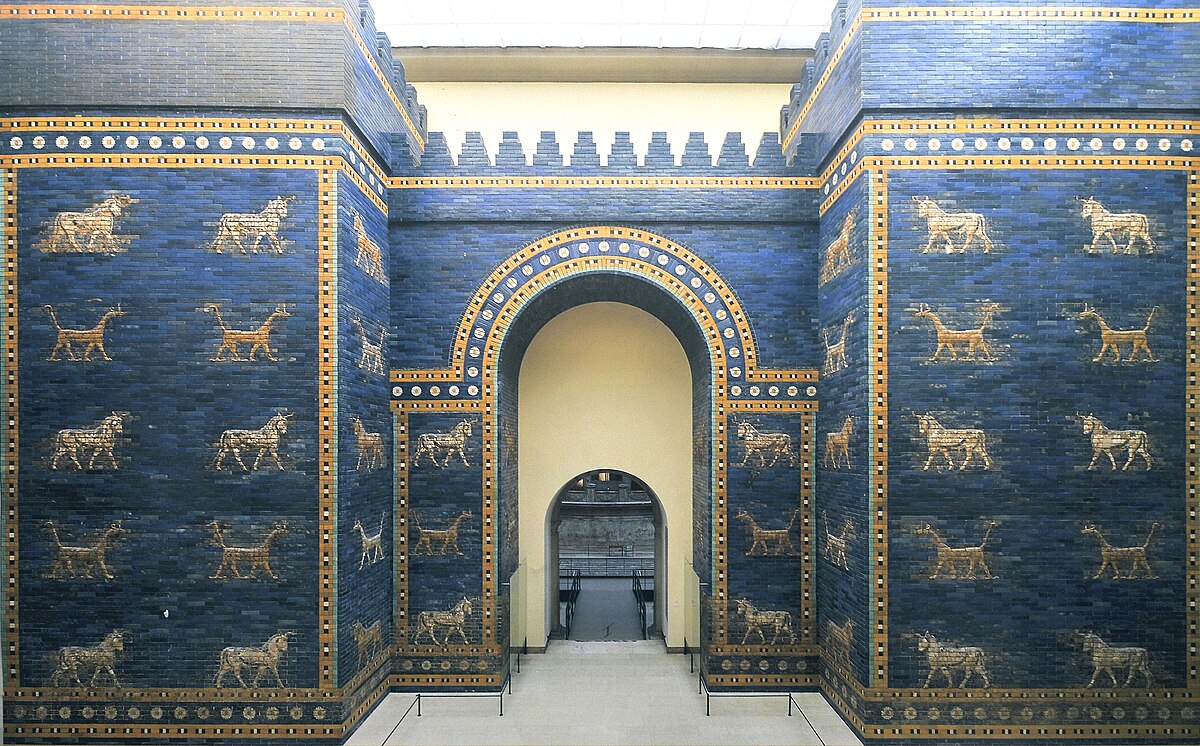
Novovavilonsko carstvo pod Nabukodonosorom II (vl. 605-562. pre n.e.) pomerilo je umetnicki naglasak sa kamenog reljefa na monumentalnu arhitekturu od glaziranih cigala. Istarskih vrata i Procesionalni put Vavilona, delimicno rekonstruisani u Pergamskom muzeju u Berlinu, predstavljaju vrhunac ove tradicije: visoki zidovi od sjajno plavih glaziranih cigala ukraszeni modeliranim reljefnim figurama koracajucih lavova (possvecenih boginji Istar), bikova (Adad) i mushushu zmajeva (Marduk) u zutoj i beloj boji na lapis-plavoj pozadini. Sam grad Vavilon, sa svojim legendarnim Visecim vrtovima (jedno od Sedam svetskih cuda starog sveta, mada se njihovo postojanje i dalje raspravlja), masivnim dvostrukim zidovima i velikim ziguratom Etemenankijem, otelotvoravaoo je viziju urbanog sjaja koja je impresionirala i zastraszivala anticki svet podjednako. Nabukodonosorovi graditeljski natpisi, utisnuti na milione cigala, svedoce o vladaru koji je razumeo arhitekturu kao primarni instrument politickog i verskog autoriteta.
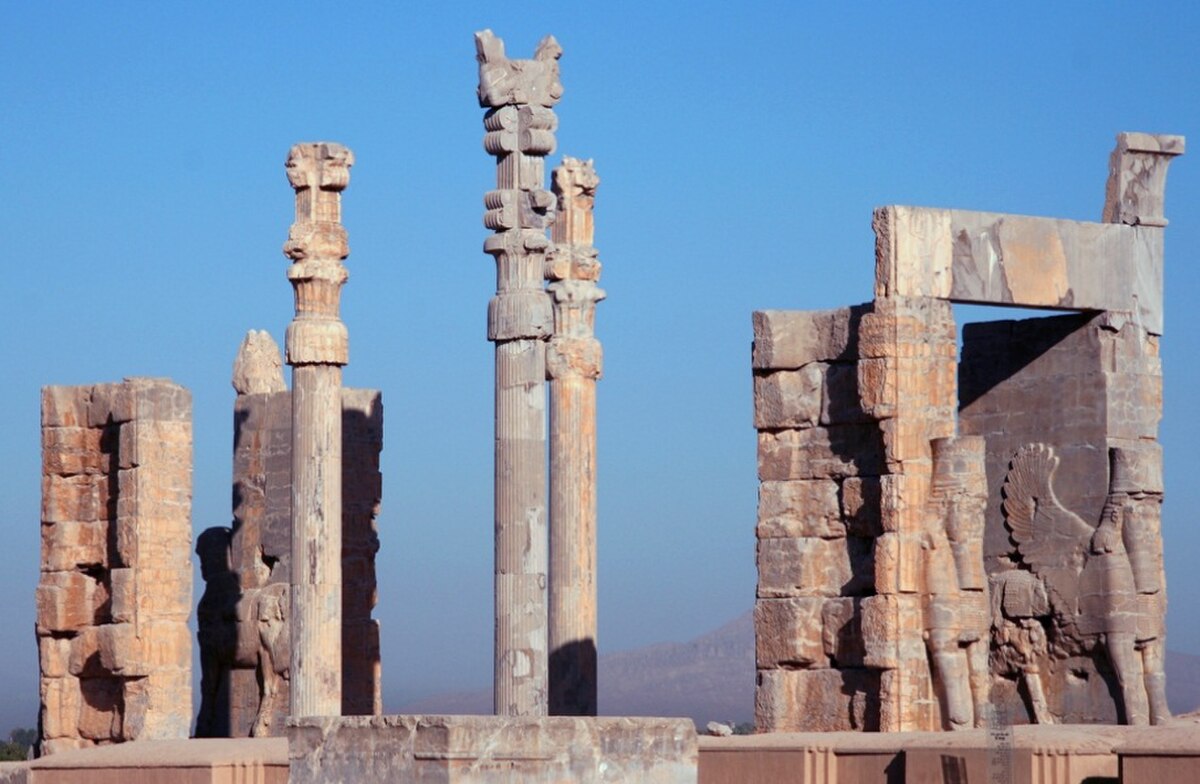
Ahemenidsko persijsko carstvo (oko 550-330. pre n.e.), koje je osnovao Kir Veliki, stvorilo je namerno eklekticnu carsku umetnost koja je sintetizovala elemente iz svake osvojene civilizacije — mesopotamske, egipatske, grcke i centralnoazijske — u distinktivni novi vizuelni jezik univerzalnog suvereniteta. Veliki ceremoniijalni glavni grad Persepolis, koji je zapoceo Darije I oko 520. pre n.e. i prosirrio njegov sin Kserks, predstavlja ovu sintezu u njenom najprefinijenijem obliku. Reljefi na stepenisstu Apadane prikazuju delegacije iz dvadeset tri poddanicke nacije koje predstavljaju danak Velikom kralju, pri cemu je svaka grupa prikazana sa pazljivom paznjom na etnicku nosinju, frizuru i karakteristicne poklone — Lidjani sa zlatnim narukvicama, Etiopljanin sa klovima od slonovace, Indijci sa vrecama zlatnog prahu. Za razliku od asirskog reljefa, koji je velicao osvajanje kroz prikaze nasilja, umetnost Persepolisa projektovala je ideologiju skladne, dobrovoljno ponudjene potccinjenosti dobronamernoom persijskom poretku. Ahemenidski genije za monumentalnu razmeru takodje je vidljiv u kraljevskim grobnicama urezanim u stenu kod Naks-e Rostama i u sofisticiranoj metalurgiji i zlatarstvu koje ilustruju Blago Oksa (Britanski muzej) i zlatni ritoni (posude za pice) koji svedoce o dvorskom luksuzu.
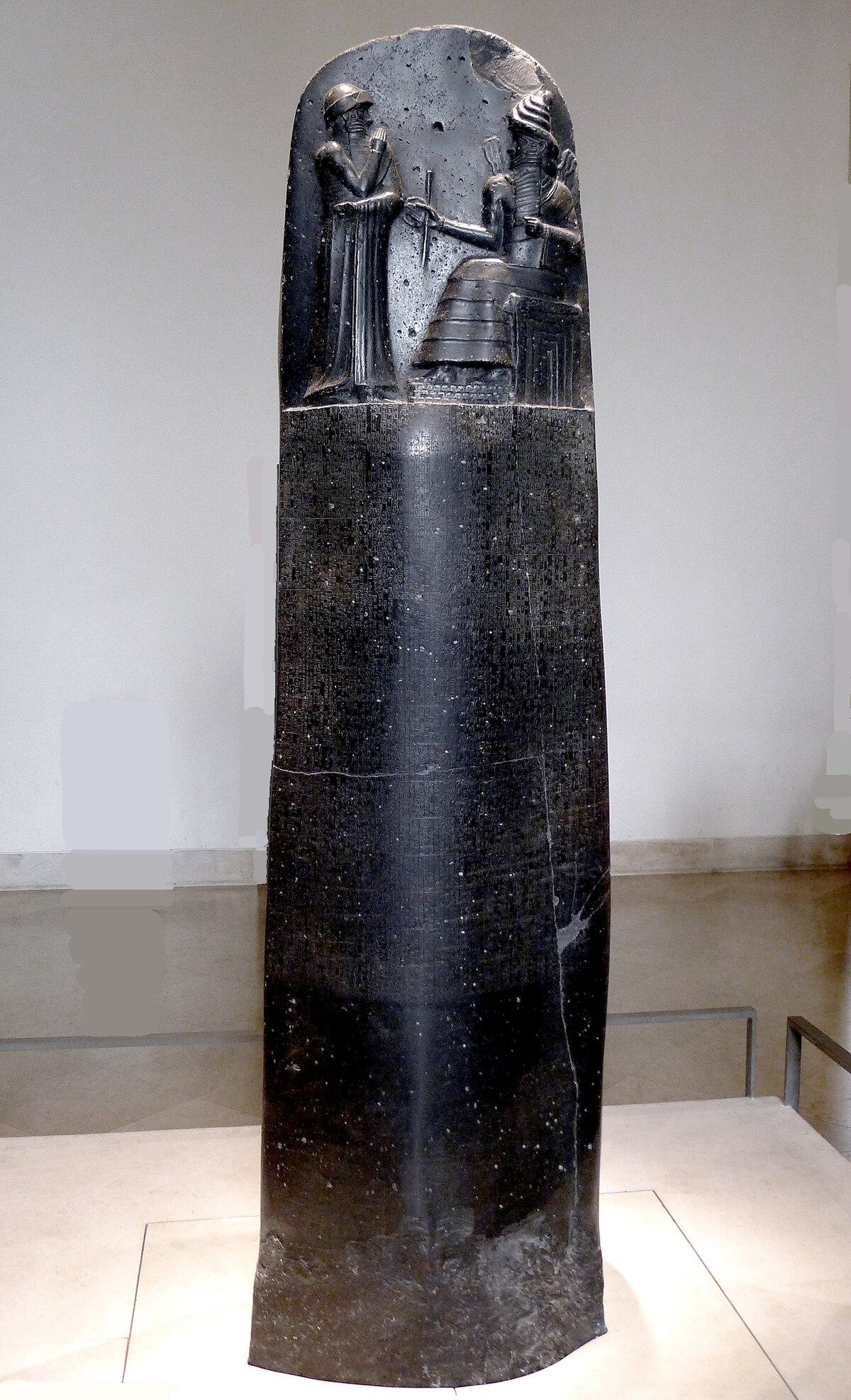
Ponovno otkrice bliskoistocne umetnosti u devetnaestom veku fundamentalno je preoblikovalo zapadno razumevanje anticke istorije i porekla civilizacije. Botina iskopavanja u Korsabadu (1843) i Lejardova u Nimrudu (1845) i Nineviji (1847) izazvali su senzaciju u Evropi, ispunivsi Britanski muzej i Luvr kolosalnim skulpturama i reljefima koji su odjednom dali fizicki oblik Asircima i Vaviloncima koji su prethodno bili poznati samo kroz kratke i cesto neprijateljske biblijske reference. Vulijevo iskopavanje Kraljevskog groblja u Uru 1920-ih pomerilo je vremensku liniju sofisticirane umetnicke produkcije unazad u treci milenijum pre nove ere, dok su noviji radovi na nalazistima poput Eble, Marija i Tel Braka neprekidno sirili znanje o umetnickim tradicijama regiona. Danas se nasledje bliskoistocne umetnosti prostire daleko izvan muzeja — njeni doprinosi arhitektonskoj formi, narativnoj kompoziciji, sistemima pisanja, zakonskoj kodifikaciji i samom konceptu monumentalne propagande podupiru mnoge od temeljnih struktura zapadne i globalne civilizacije.