Rimska umetnost je dugo trpela reputaciju derivativnog mladjeg brata grcke umetnosti — tradicije vestih kopista, a ne pravih inovatora. Ovaj pogled je duboko pogresan. Iako su Rimljani duboko divili i opsezno kopirali grcku skulpturu i slikarstvo, oni su takodje razvili umetnicke forme koje su bile u potpunosti njihove, pokretane vrednostima i svrhama fundamentalno razlicitim od onih njihovih grckih prethodnika. Dok je grcka umetnost trazila ideal, rimska umetnost je cenila stvarno. Dok je grcka arhitektura izrazavala filozofsku harmoniju, rimska arhitektura je demonstrirala inzenjersku smelost i imperijalnu moc. Rimljani su izmislili beton, usavrsili luk i svod, i stvorili unutrasnje prostore razmera i slozenosti koji nece biti dostignuti vise od hiljadu godina. Razvili su veristicko portretisanje, narativnu reljefnu skulpturu i iluzionisticko zidno slikarstvo u sofisticirane umetnicke forme koje su sluzile prakticnim potrebama ogromnog, viseeetnickog carstva.
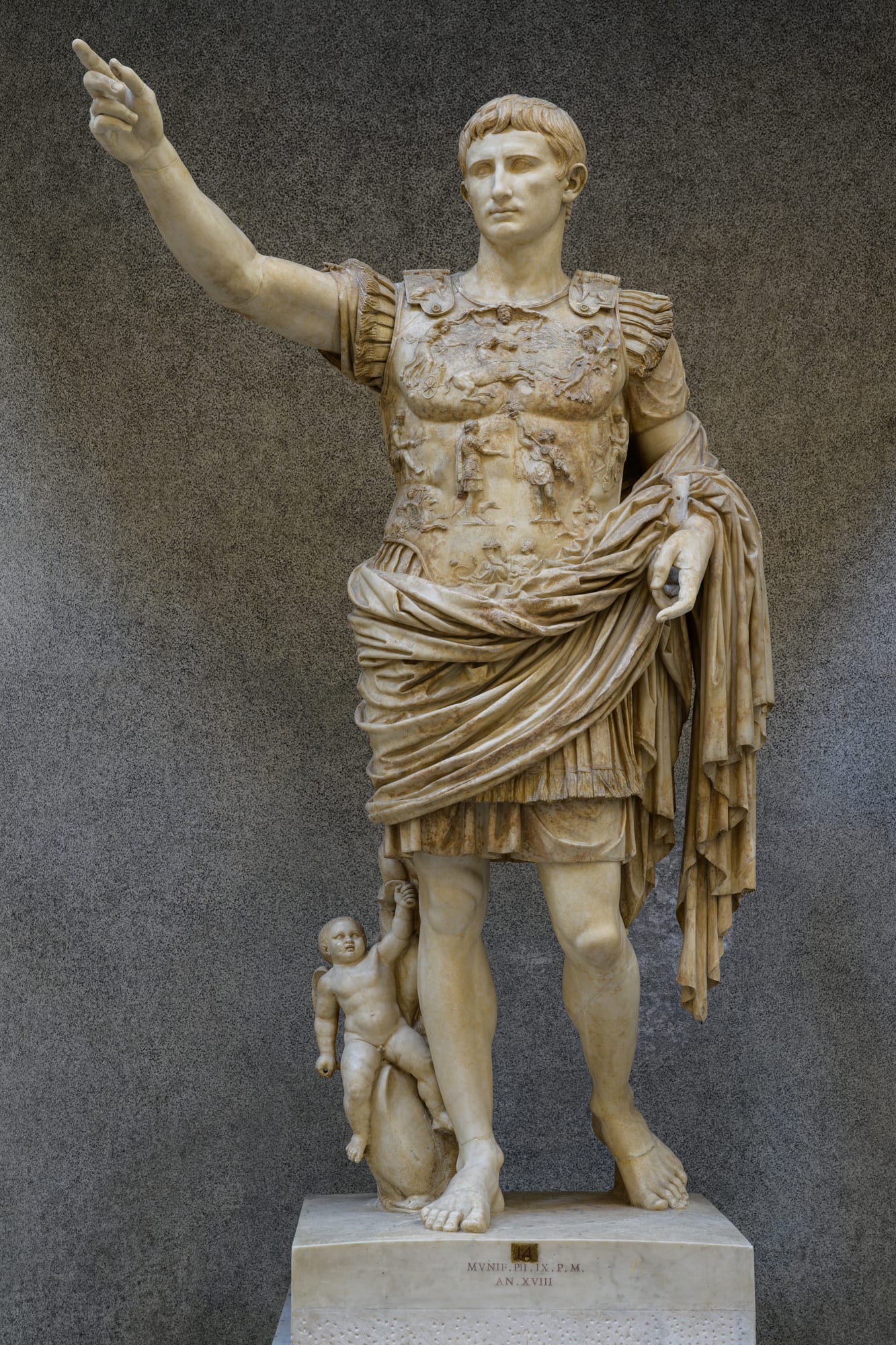
Najprepoznatljiviji doprinos rimske umetnosti je nesumnjivo njena tradicija veristickog portretisanja. Tokom republicanskog perioda (c. 509-27. pre n.e.), rimski patriciji narucivali su portretne biste koje su belezile svaku boru, bradavicu i opustenu vilicu sa nemilosrdnom tacnoscu. Ovo nije bio puki realizam radi realizma, vec vizuelni izraz rimskih aristokratskih vrednosti: izborano lice i strog pogled republikanskog portreta saopstavali su gravitas (ozbiljnost), dignitas (dostojnost) i virtus (musku vrlinu) — kvalitete stecene tokom zivota posvecenog javnoj sluzbi. Tradicija je imala korene u rimskom obicaju cuvanja voStanih posmrtnih maski (imagines) predaka u kuci i nosenja na pogrebima. Pod Carstvom, portretisanje je postalo slozeniji instrument politicke poruke. Avgust, prvi car, prikazivan je u idealizovanom, vecno mladolikom stilu preuzetom iz klasicne grcke skulpture, projektujuci sliku bozanskog autoriteta i bezvremenskog vladanja. Kasniji carevi su kalibrisali svoje portrete da saopste razlicite poruke — Hadrijanova filozofska brada signalizirala je njegovu ljubav prema grckoj kulturi, dok su carevi-vojnici treceg veka preferirali osisanu, vojnicku pojavu koja je naglasavala cvrstinu i odlucnost.
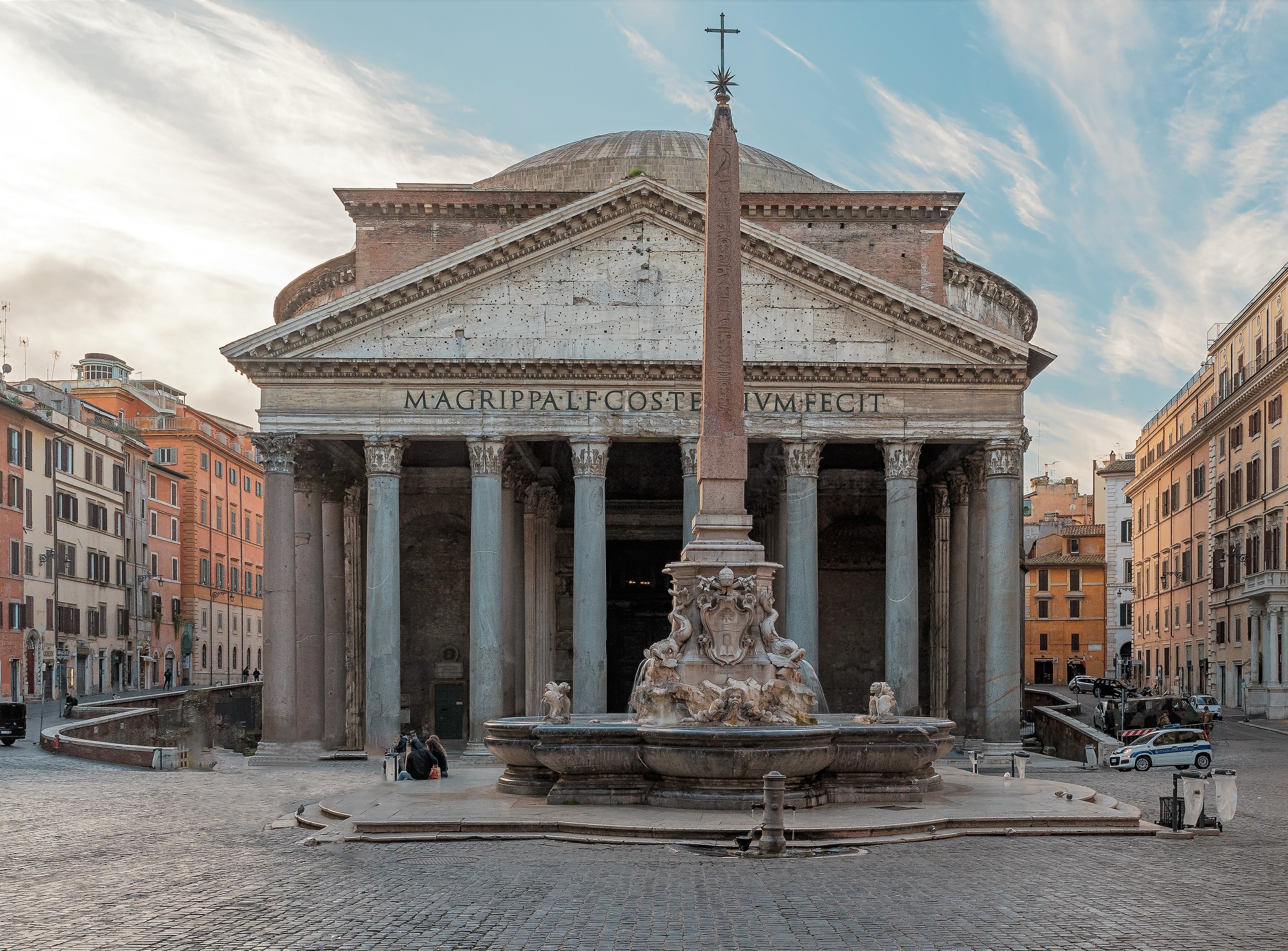
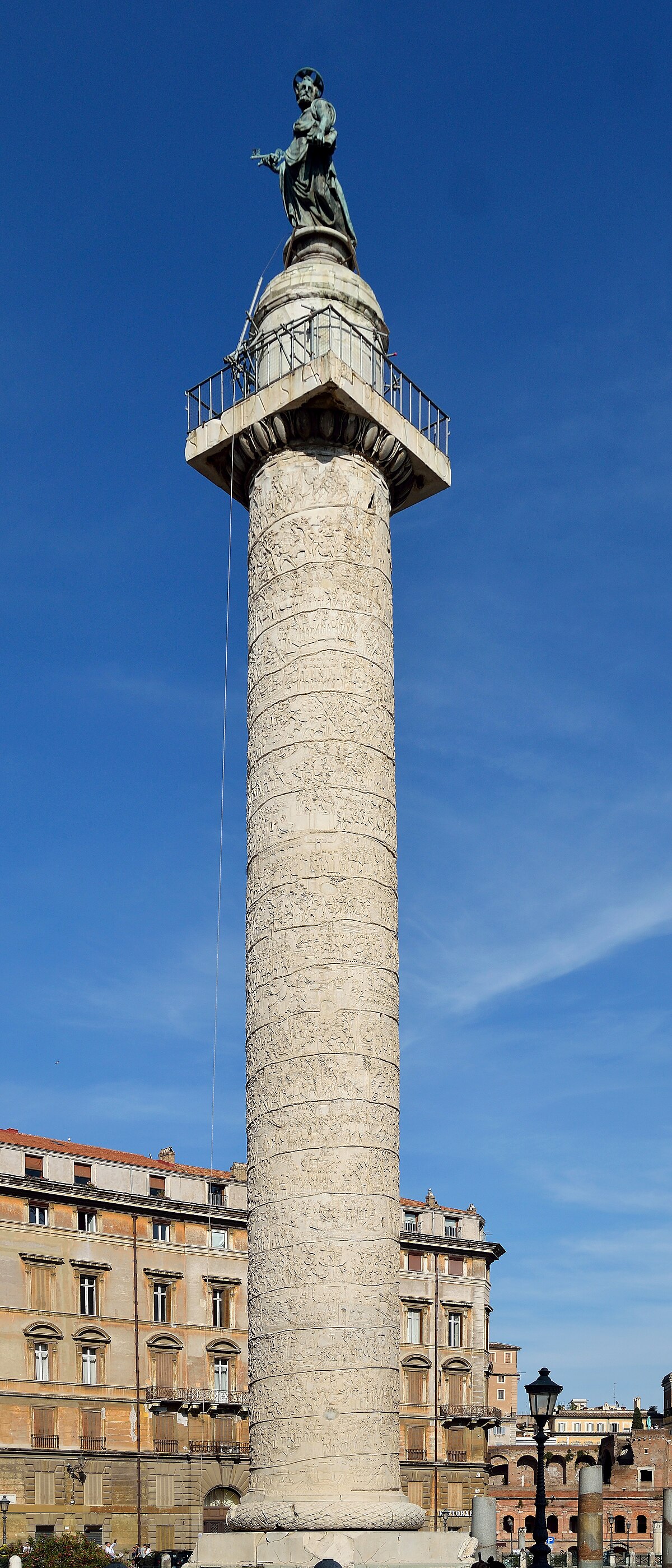
Rimska arhitektura predstavlja mozda najvece umetnicko dostignuce te civilizacije. Razvoj betona — mesavine vulkanskog pepela, kreca i suta — oslobodio je rimske graditelje od ogranicenja stubno-gredevne konstrukcije i omogucio im da stvaraju ogromne, zatvorene unutrasnje prostore. Panteon, obnovljen pod Hadrijanom oko 125. godine n.e., ostaje vrhunski primer: njegova nearmirana betonska kupola, precnika 43 metra, bila je najveca na svetu vise od trinaest vekova, a njen jedini kruzni otvor, okulus, plavi unutrasnjost snopom svetlosti koji rotira kroz zgradu kako dan odmice. Koloseum (zavrsen 80. n.e.) demonstrirao je rimski genije za kombinovanje luka sa grckim arhitektonskim redovima u monumentalnoj fasadi, dok je Trajanov stub (113. n.e.) omotao neprekidni narativni friz od preko 2.500 figura oko stuba visokog 30 metara, pripovedajuci pricu o carevim dakijskim pohodima sa detaljnoscu i dramom grafickog romana.
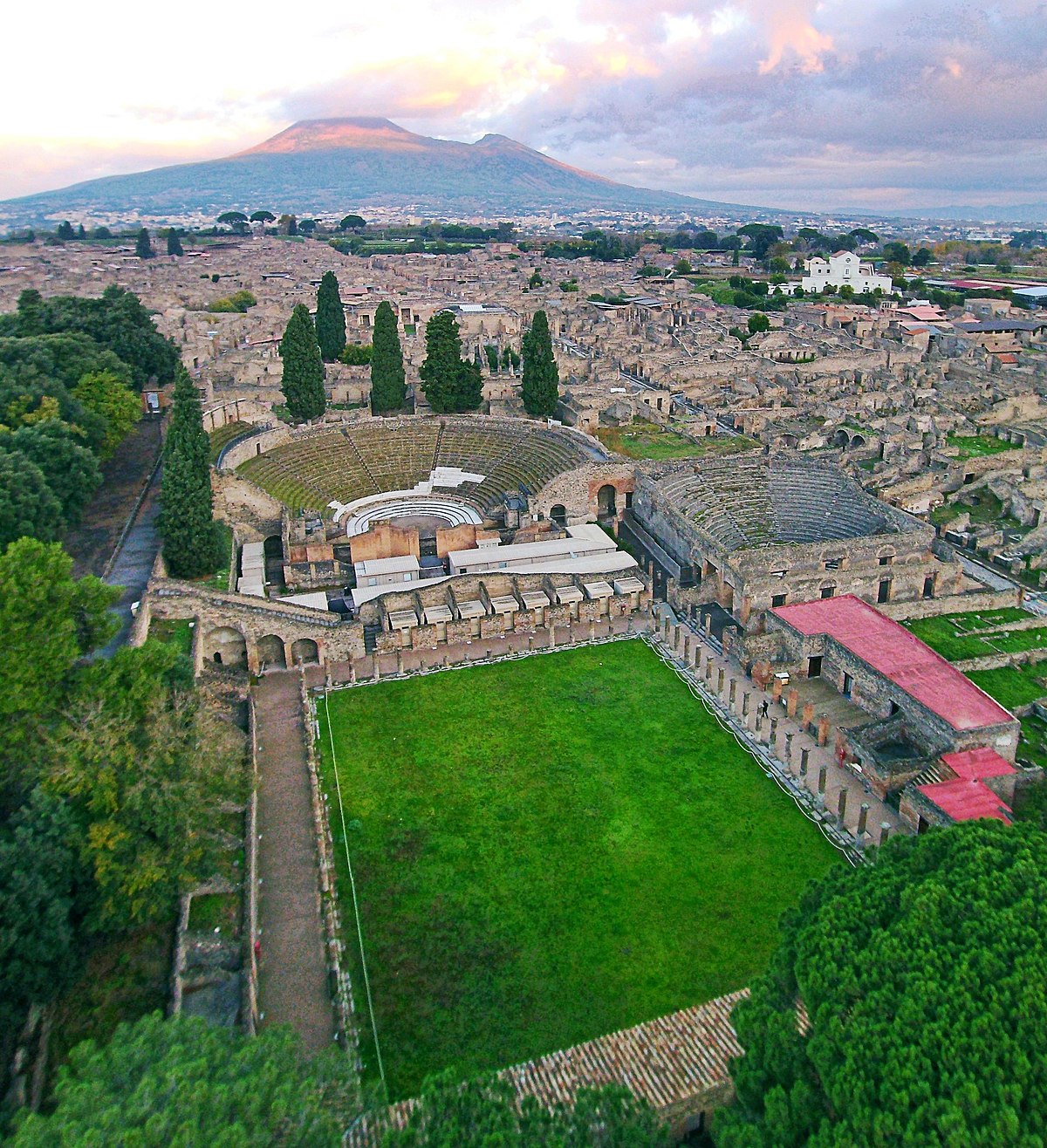
Erupcija Vezuva 79. godine n.e., koja je zatrpala gradove Pompeje i Herkulanem metrima vulkanskog pepela, sacuvala je izvanredan zapis rimskog zidnog slikarstva. Istoricari umetnosti identifikovali su cetiri uzastopna pompejanska stila. Prvi stil (c. 200-80. pre n.e.) imitirao je skupu mermernu oblogu koristeci oslikanu shtuko. Drugi stil (c. 80-15. pre n.e.) stvarao je iluzionisticke arhitektonske vizure — stubove, arkade i pejzaze koji su kao da otvarali zid u duboki prostor, demonstrirajuci sofisticirano razumevanje linearne perspektive vise od milenijuma pre njene formalne kodifikacije tokom renesanse. Treci stil (c. 15. pre n.e. - 45. n.e.) odbacio je ovaj iluzionizam u korist ravnih, dekorativnih povrsina sa delikatnim arhitektonskim fantazijama i malim centralnim panel-slikama. Cetvrti stil (c. 45-79. n.e.) kombinovao je elemente sva tri prethodnika, mesajuci iluzionisticku arhitekturu sa ravnim dekorativnim panelima u bujnim, ponekad teatralnim kompozicijama. Zajedno, ovi stilovi otkrivaju rimsku slikarsku tradiciju izuzetnog raspona i sofisticiranosti, sposobnu za sve od trompe-l’oeil iluzije do intimnog mrtve prirode, mitoloske naracije i pejzaza.
Kako je Rimsko carstvo ulazilo u svoju dugotrajnu transformaciju u trecem i cetvrtom veku n.e., umetnost je dozivljavala paralelnu metamorfozu koja ce premostiti anticke i srednjovekovne svetove. Naturalisticke proporcije i prostorni iluzionizam klasicne umetnosti postepeno su ustupali mesto apstraktnijem, simbolicnijem i hijeraticnijem stilu. Figure su postajale ravnije i frontalnije; oci su rasle, postajuci vece i prodornije; prostorna dubina je bila komprimovana ili napustena. Ove promene nisu bile pad vestine vec fundamentalna preorjentacija umetnicke svrhe: kako je hriscanstvo postajalo dominantna religija carstva, umetnost je sve vise sluzila duhovnim, a ne naturalistickim ciljevima. Katakombne slike ranih hriscana, mozaicki programi crkava poput Santa Marija Madzore u Rimu i monumentalna bazilikelna forma koju su hriscani preuzeli iz rimske gradjaanske arhitekture — sve to demonstrira kako je rimska umetnost pruzila esencijalni temelj na kojem ce biti izgradjenja celokupna tradicija hriscanske umetnosti. Prelaz od rimske ka ranohriscanaskoj i vizantijskoj umetnosti nije bio prekid vec neprekidna evolucija, jedna od najznacajnijih transformacija u istoriji zapadne civilizacije.