Istorijski kontekst
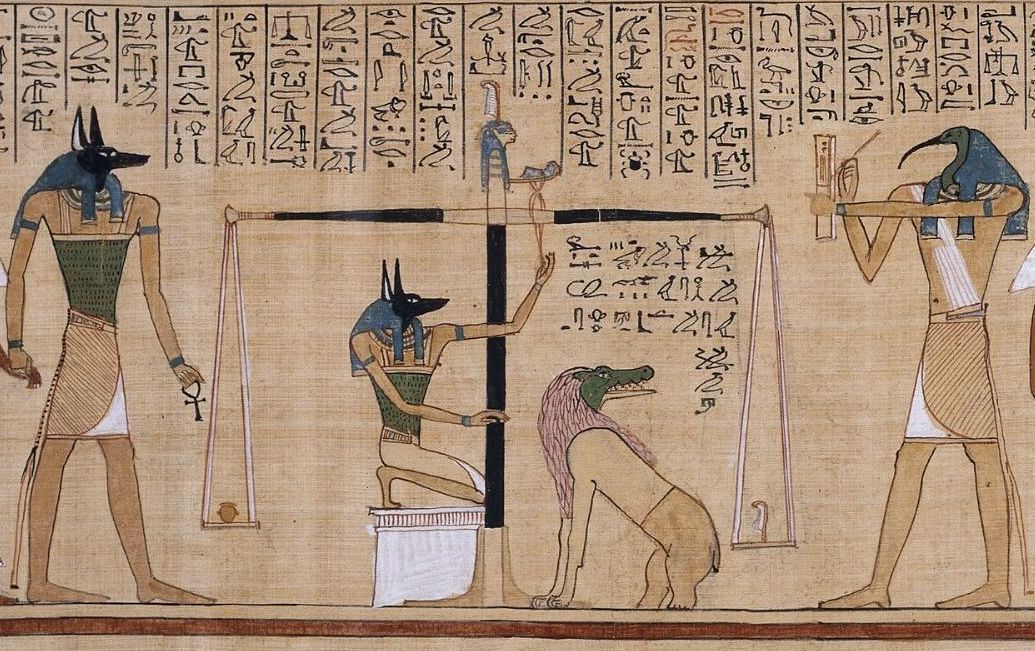
Knjiga mrtvih pisara Huneferа spada među najlepše sačuvane primere drevne egipatske pogrebne umetnosti, oslikani svitak papirusa nastao tokom Devetnaeste dinastije (oko 1275. pre nove ere) za kraljevskog pisara Huneferа, koji je služio za vreme vladavine faraona Setija I. Egipatski naslov žanra je pert em heru, „Izlazak u dan”, ime koje sadrži suštinsku svrhu teksta: da opremi pokojnika bajkama, molitvama i ritualnim znanjem neophodnim za savladavanje opasnosti Duata (podzemnog sveta), prolazak suđenja bogova i postizanje večnog života kao preobraženog duha (ah) slobodnog da se kreće između carstava živih i mrtvih. Hunefrova kopija, koju je Britanski muzej nabavio 1852. godine, slavna je ne samo po kvalitetu kaligrafije i slikarstva, već po izuzetnoj jasnosti njene najpoznatije vinjete — scene Merenja srca, koja komprimuje čitavu teologiju egipatskog suđenja i vaskrsenja u jednu, vizuelno zadivljujuću kompoziciju koja je postala definirajuća slika drevnih egipatskih verovanja o zagrobnom životu.
Tradicija pogrebnih tekstova u Egiptu seže više od jednog milenijuma pre Huneferovog svitka. Najraniji korpus, Tekstovi piramida, pojavio se ugraviran na zidovima starocarskih kraljevskih piramida počevši od Unasa (oko 2345. pre nove ere), pružajući bajke za obezbeđenje faraonovog uspona u nebesko carstvo. Do Srednjeg carstva (oko 2055-1650. pre nove ere), ove kraljevske privilegije bile su demokratizovane u Tekstovima kovčega, urezanim na unutrašnje površine drvenih kovčega koji su pripadali nekraljevskim elitama, šireći nadu u zagrobni život na širi društveni sloj. Knjiga mrtvih, koja se pojavila tokom Drugog prelaznog perioda i dostigla kanonski oblik u Novom carstvu (oko 1550-1069. pre nove ere), predstavljala je dalji stadijum ove demokratizacije: pisana na prenosivim svicima papirusa umesto na zidovima grobnica ili kovčezima, ovi tekstovi mogli su biti naručeni od strane svakog pojedinca dovoljnih sredstava, prilagođeni ličnim imenima i titulama i smešteni u grobnicu pored mumije. Hunefeov svitak sadrži izbor od približno 200 bajki koje čine potpuni korpus Knjige mrtvih, odabranih i raspoređenih prema preferencijama i resursima vlasnika.
Scena Merenja srca (Bajka 125) predstavlja teološki i umetnički centralni deo Huneferovog papirusa. Vinjeta prikazuje kulminantni trenutak suđenja mrtvima, u kome se srce pokojnika — koje su Egipćani razumeli kao sedište intelekta, pamćenja i moralnog karaktera — meri na velikoj vagi nasuprot peru Maat, boginje koja personifikuje kosmičku istinu, pravdu i red. Scena se odvija u kontinuiranom narativu koji se čita sleva nadesno: Hunefer, obučen u beli lan i u pratnji boga sa šakalovom glavom Anubisa, vodi se u Dvoranu dve istine, gde Anubis rukuje vagom sa pedantnom pažnjom, stabilizujući visak kako bi obezbedio tačnost. Bog sa glavom ibisa Tot, zaštitnik pisanja i znanja, stoji desno i beleži presudu na pisarskoj paleti. Između vage i Tota čuči Amit, zastrašujuća kompozitna progutačica — delom krokodil, delom lav, delom nilski konj — koja čeka da proguta srce ako se pokaže težim od pera, osuđujući nedostojnu dušu na uništenje. U kulminaciji registra, Hunefer, prošavši iskušenje, biva predstavljen od strane Horusa sa sokolovom glavom Ozirisu, koji sedi na prestolu u svom svetilištu, u pratnji Izide i Neftide, sa Četiri sina Horusova koji stoje na lotosovom cvetu pred njim.
Formalna analiza
Slikarska tehnika Huneferovog papirusa oličava najviše standarde ilustracije rukopisa Novog carstva. Figure su prikazane u tradicionalnoj egipatskoj kompozitnoj perspektivi — glave u profilu, torzoa frontalno, noge u profilu — konvencija koja ne potiče od umetničke naivnosti, već od promišljenog sistema dizajniranog da prikaže svaki deo tela u njegovom najkarakterističnijem i najpotpunijem aspektu. Paleta boja koristi mineralne pigmente mljevene i mešane sa vezivnim medijem od životinjskog lepka ili gumiarabike: karbonska crna za konture i kosu, egipatsko plavo (kalcijum bakar silikat, jedan od najranijih sintetičkih pigmenata) za božanske dijademe, crveni i žuti oker za tonove kože (konvencionalna razlika između tamnije muške i svetlije ženske kože je poštovana), zeleni malahit za vegetaciju i Ozirisovu put (simbolizujući regeneraciju), i svetlo beli gips ili huntit za odeću. Konture su izvedene sigurnom, tečnom linijom četke koja demonstrira slikarevo majstorstvo trstikaste četke — primarnog crtačkog instrumenta egipatskih pisara i umetnika — a figure pokazuju elegantnu proporcionalnost kanoničnog mrežnog sistema Devetnaeste dinastije, u kome je stojeća ljudska figura merena na osamnaest mrežnih kvadrata od tabana do linije kose.
Razlika između hijeroglifskog i hijeratskog pisma na pogrebnim papirusima osvetljava odnos između pisanja i umetnosti u egipatskoj kulturi. Hunefeov papirus koristi kurzivne hijeroglife — poluformalano pismo koje zadržava slikovni karakter monumentalnih hijeroglifa dok omogućava brže izvođenje na papirusu — za tekstove bajki koji prate vinjete. Ovo pismo zauzima srednje mesto između potpuno slikovnih hijeroglifa klesanih na zidovima hramova i brzog, skraćenog hijeratskog korišćenog za administrativne i književne dokumente. Izbor kurzivnih hijeroglifa za pogrebni tekst bio je namrean: slikovni kvalitet znakova razumevan je kao nosilac magijske delatotvornosti, pri čemu svaki hijeroglif funkcioniše ne samo kao fonetski ili semantički marker, već kao moćna slika sama po sebi, sposobna da aktivira bajku kroz svoju vizuelnu prisutnost. Ova magijska dimenzija pisanja objašnjava pažnju posvećenu kaligrafiji pogrebnih papirusa i čestu integraciju teksta i slike, gde se granica između pisanja i ilustracije rastvara — hijeroglif čoveka koji hoda istovremeno je reč i slika, znak i bajka.
Teologija izražena u Huneferovoj Knjizi mrtvih odražava složen i evolutivan skup verovanja o smrti, suđenju i vaskrsenju koji je oblikovao egipatsku civilizaciju više od dva milenijuma. Centralano za ova verovanja bio je koncept Maat — ne samo pravde u pravnom smislu, već fundamentalnog reda kosmosa, principa koji je držao stvaranje na okupu nasuprot silama haosa (Isfet). Merenje srca nasuprot peru Maat testiralo je da li je pokojnik živeo u skladu sa ovim kosmičkim redom, a prateća „Negativna ispovest” (Bajka 125B, nije prikazana u vinjeti ali je uključena u tekst) navodi četrdeset dva greha koje pokojnik mora poreći da je počinio, od ubistva i krađe do bogohuljenja i skretanja vode za navodnjavanje. Ovaj etički okvir nije bio jednostavan moralni kodeks, već ontološki zahtev: živeti u Maat značilo je biti u harmoniji sa samom strukturom stvarnosti, a opravdani mrtvi (maa-heru, „istiniti glasom”) nisu bili samo oprošteni grešnici, već bića koja su demonstrirala svoje fundamentalno poravnanje sa kosmičkim redom i stoga bila dostojna da se pridruže bogovima u večnosti.
Poređenje sa drugim sačuvanim Knjigama mrtvih otkriva da Hunefeov papirus, iako izuzetan po kvalitetu, pripada prepoznatljivoj tradiciji produkcije pogrebnih rukopisa Novog carstva. Papirusi Anija (takođe u Britanskom muzeju, oko 1250. pre nove ere), Nahta i Nebsenija pokazuju slične kompozicione formule, konvencije boja i izbor tekstova, sugerirajući postojanje specijalizovanih radionica — verovatno priključenih tebanskoj nekropoli u Deir el-Medini — koje su proizvodile pogrebne papiruse po narudžbini. Ove radionice održavale su knjige uzoraka i standardne šablone koji su mogli biti prilagođeni individualnim klijentima: ime, titule i portret pokojnika bili su personalizovani, dok su božanske figure, arhitektonski ambijenti i kompozicioni aranžmani pratili ustaljene modele. Kvalitet izvedbe značajno je varirao, od brzo nacrtanih vinjeta sa praznim mestima gde ime vlasnika nikada nije upisano (sugerirajući spekulativnu proizvodnju za tržište) do raskošnih narudžbina poput Huneferove, gde je svaka figura pedantno prikazana i svaki tekst pažljivo komponovan. Ovaj raspon odražava komercijalizaciju pogrebne religije u Novom carstvu, kada je nada u večni život postala dostupna svakome ko je mogao da priušti neophodne tekstove, amajlije i ritualnu opremu.
Značaj i nasleđe
Huneferova Knjiga mrtvih traje kao umetnčiko remek-delo i kao primarni dokument za razumevanje jednog od najrazrađenijih i najtrajnijih odgovora čovečanstva na smrtnost. Egipćani su posvetili više intelektualnih, umetničkih i materijalnih resursa problemu smrti nego možda bilo koja druga civilizacija, a Knjiga mrtvih predstavlja zreo izraz ove milenijumske preokupacije. Njene slike — nepokolebljivi Anubis pored svoje vage, budni Tot sa svojom olovkom, zastrašujuća Amit koja čuči u iščekivanju, mirni Oziris na prestolu u zelenoputoj veličanstvenosti — ušle su u globalni vizuelni vokabular kao definitivna reprezentacija drevne egipatske religije. Pa ipak, izvan svog ikoničnog statusa, Hunefeov papirus nagrađuje pomnu pažnju kao delo izvanredne umetničke discipline i teološke dubine, dokument u kome se slikarstvo, pisanje i ritual stapaju u jednu, integrisanu tehnologiju spasenja, dizajniranu da transformiše smrtnog pisara u večno biće kombinovanom moći slike, reči i božanskog posredovanja.