Istorijski kontekst
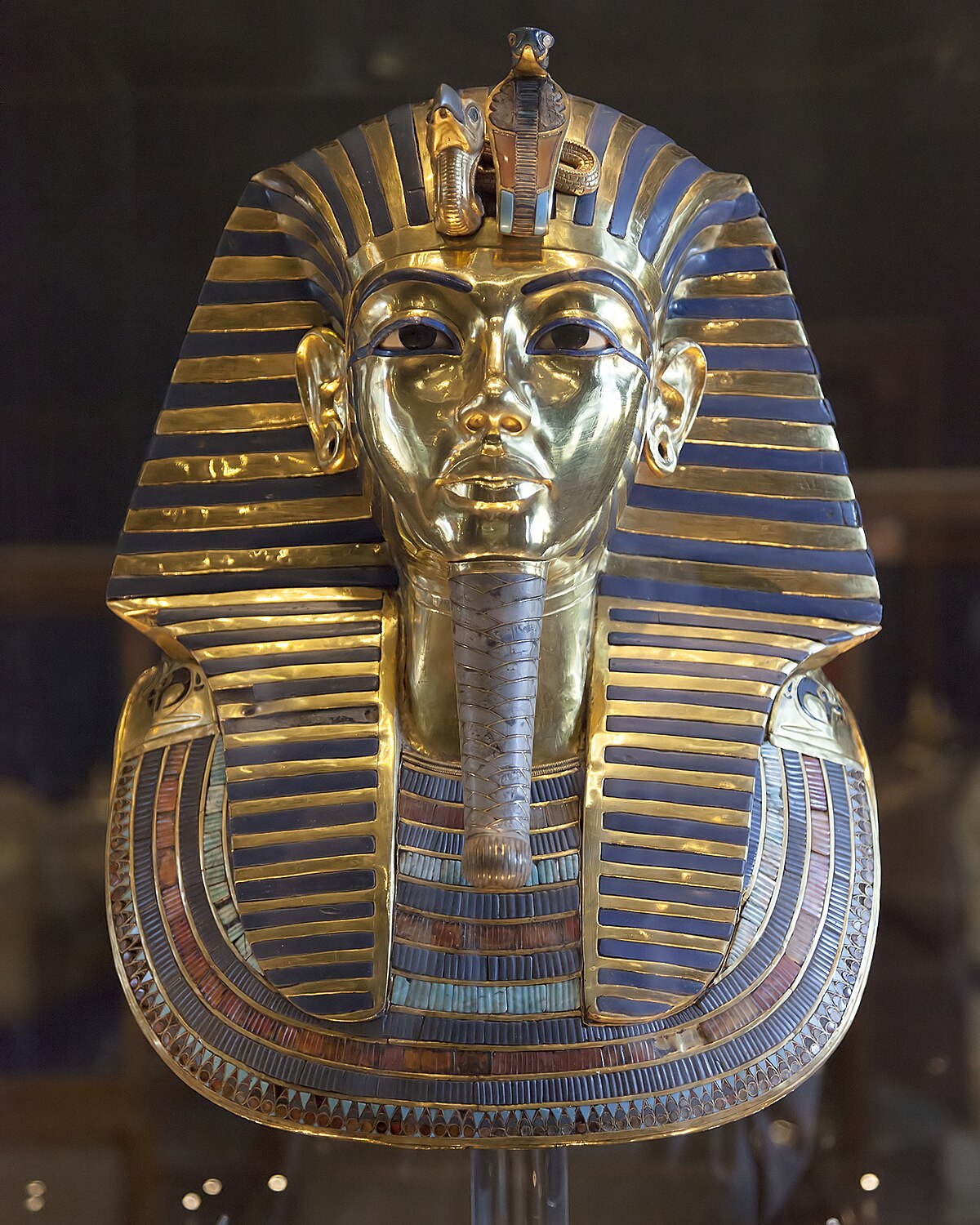
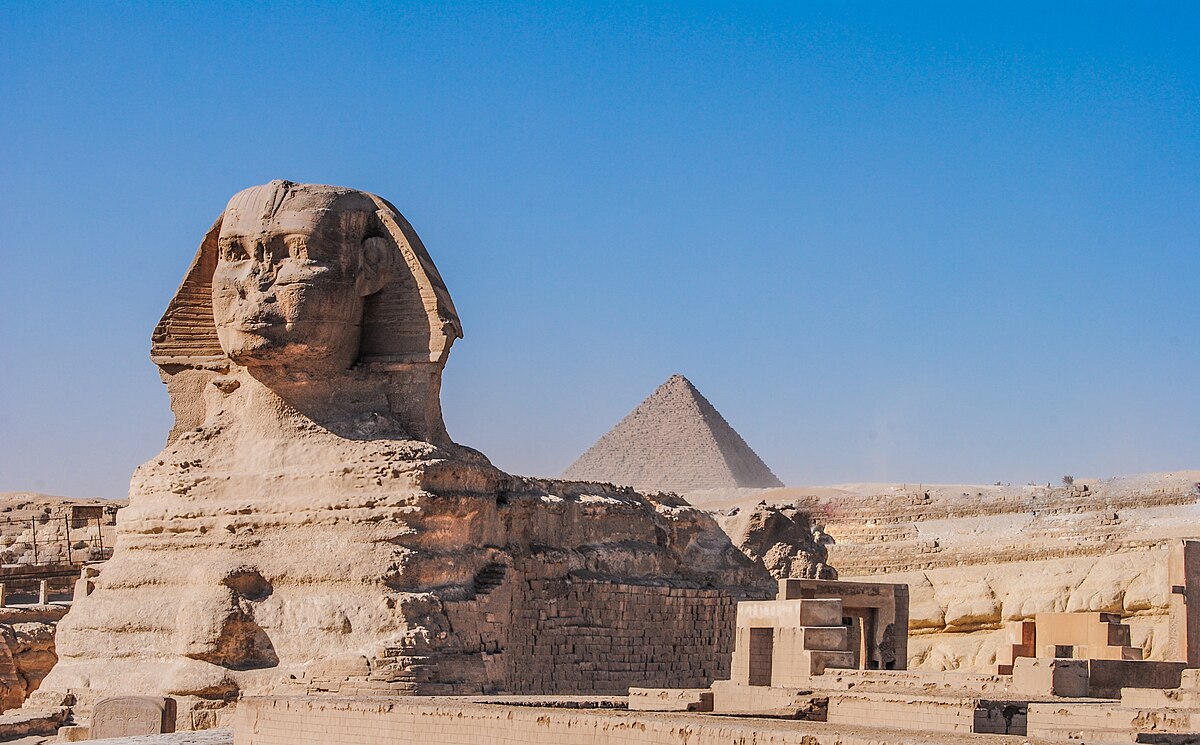
Velika sfinga u Gizi je najveća i najpoznatija monolitna skulptura antičkog sveta, kolosalna figura ležećeg lava sa ljudskom glavom isklesana direktno iz prirodne krečnjačke matične stene platoa u Gizi, na zapadnoj obali Nila u blizini modernog Kaira. Sa dužinom od približno 73,5 metara i visinom od 20,2 metra, Sfinga nadvisuje svaku drugu skulpturu stvorenu u antičkom svetu i ostaje, nakon više od četiri i po milenijuma, jedan od najprepoznatljivijih i simbolički najzasićenijih spomenika na svetu. Figura se konvencionalno datira u vladavinu faraona Četvrte dinastije Kafra (Kefren, vladao oko 2558-2532. pre n.e.), na osnovu njene blizine Kafrovom piramidnom kompleksu i dolinom hramu, stilske sličnosti lica Sfinge sa poznatim portretima Kafra (naročito čuvena statua od diorita u sedećem položaju u Egipatskom muzeju u Kairu) i arhitektonske integracije ograde Sfinge sa Kafrovim putem i hramskom infrastrukturom. Međutim, pripisivanje Kafru ostaje predmet naučne debate, budući da ne postoji savremeni natpis koji definitivno povezuje Sfingu sa bilo kojim konkretnim faraonom, a alternativni predlozi su povezivali spomenik sa Kafrovim ocem Kufuom, njegovim prethodnikom Džedefrom ili čak ranijim vladarima, mada nijedan od ovih alternativa nije postigao konsenzus.
Sfinga je isklesana iz geološke formacije poznate kao Mokatam formacija, sekvence krečnjačkih slojeva deponovanih tokom epohe Srednjeg eocena (pre oko 40-50 miliona godina) koja značajno varira u tvrdoći, poroznosti i otpornosti na eroziju. Glava je isklesana iz relativno tvrdog, finog gornjeg sloja (Član III), što objašnjava njeno srazmerno dobro stanje očuvanosti, dok je telo isklesano iz mekših, porozniijih donjih slojeva (Članovi I i II) koji su pretrpeli ozbiljnu eroziju tokom milenijuma, proizvodeći duboko izbrazdanu, izjedenu površinu vidljivu danas. Kamenolom iz kojeg je Sfinga isklesana dao je ogromne količine krečnjačkih blokova, a nedavna arheološka istraživanja, posebno Marka Lenera iz Ancient Egypt Research Associates, pokazala su da su ovi blokovi korišćeni u izgradnji susednog Hrama sfinge i Dolinski hram Kafra, uspostavljajući direktnu materijalnu i logističku vezu između Sfinge i šireg Kafrovog piramidnog kompleksa. Ograda Sfinge — potkovičasti rov iz kojeg je figura izvađena — takođe pruža ključne dokaze za organizaciju rada i tehnike eksploatacije kamena u Starom kraljevstvu Egipta, otkrivajući tragove alata, kamenolomske površine i nedovršene površine koji osvetljavaju metode kojima su drevni egipatski radnici oblikovali kamen monumentalnih razmera.
Formalna analiza
Velika sfinga predstavlja kompozitni oblik koji kombinuje telo lava — simbol kraljevske moći, solarne energije i žestoke snage u egipatskoj ikonografiji — sa glavom kralja, koji nosi nemes maramu (kraljevsku tkaninu sa prugama) i bio je originalno ukrašen ureusom (uspravnom kobrom, amblemom suvereniteta) na čelu, božanskom bradom (čiji se fragmenti sada nalaze u Britanskom muzeju i Egipatskom muzeju) i verovatno oslikan živopisnim bojama. Lice, uprkos značajnim oštećenjima — nos nedostaje, verovatno usled namernog vandalizma a ne Napoleonove topovske vatre kako narodna legenda tvrdi, a ureus i brada su izgubljeni — zadržava spokojni, autoritativni izraz koji komunicira faraonovu dualnu prirodu i ljudskog vladara i božanskog bića. Proporcije tela su proporcije ležećeg lava u odmoru, prednje šape ispružene napred, a zadnje noge savijene ispod, poza koja prenosi i budnu spremnost i kraljevsko dostojanstvo. Figura gleda tačno na istok, poravnana sa izlazećim suncem i pojačavajući svoje solarne asocijacije — Sfinga je u Novom kraljevstvu (više od hiljadu godina nakon svog nastanka) identifikovana sa Horemakhetom („Horus na Horizontu”), oblikom boga sunca, i ovo solarno poravnanje moglo je biti namerno od samog nastanka spomenika.
Skulptorska tehnika primenjena pri stvaranju Sfinge jedinstvena je u istoriji antičke umetnosti: figura je isklesana subtraktivnim uklanjanjem okolne matične stene, ostavljajući Sfingu kao uzdignutu formu unutar iskopane ograde, proces koji je zahtevao pedantno planiranje i koordinaciju, budući da je jedna jedina greška u proračunu mogla uništiti celokupno delo. Klesari su radili odozgo nadole, najpre oblikujući glavu i gornji deo tela pre iskopavanja rova oko donjeg tela i postolja. Oblasti gde je prirodna matična stena bila nedovoljnog kvaliteta ili gde se krečnjak rasprsao popravljene su umetnutim krečnjačkim blokovima, a celokupna površina bila je originalno prekrivena slojem maltera i oslikana — tragovi crvenog pigmenta na licu i plavog i žutog na nemes marami detektovani su u raznim istraživanjima. Između ispruženih prednjih šapa stoji Stela snova Tutmosa IV (oko 1401. pre n.e.), granitna ploča ispisana pričom o mladom princu Tutmosu koji je zaspao u senci Sfinge, koja je do tada bila zatrpana peskom do ramena, i sanjao da mu Sfinga obećava presto Egipta ako očisti pesak i restaurira spomenik. Ova epizoda, bilo istorijska ili propagandna, svedoči o trajnoj simboličkoj moći Sfinge i o ponavljajućem izazovu nanosna peska koji je pretio spomeniku tokom čitavog njegovog postojanja.
Recepcija i nasleđe
Značaj Velike sfinge prevazilazi njen već izuzetan status podviga antičkog inženjerstva i monumentalne skulpture, jer je tokom milenijuma služila kao žarišna tačka za evoluirajuća kulturna značenja koja odražavaju preokupacije i imaginativne zaokupljenosti uzastopnih civilizacija. Za drevne Egipćane Starog kraljevstva, Sfinga je izgleda funkcionisala kao čuvarska figura koja štiti kraljevsku nekropolu, njeno lavovsko telo projektujući faraonovu moć u liminalni prostor između sveta živih (dolina Nila na istoku) i sveta mrtvih (pustinjska groblja na zapadu). U Novom kraljevstvu, Sfinga je reinterpretirana kao manifestacija solarnog božanstva i postala fokus značajnog kulta, sa hramom izgrađenim između njenih prednjih šapa i hodočasničkim stelama koje su postavljali privatni pojedinci koji su tražili njenu naklonost. Klasički grčki i rimski posetioci inkorporirali su Sfingu u sopstvene mitološke okvire, povezujući je sa grčkom tradicijom sfinge kao čudovišta koje postavlja zagonetke, dok su srednjovekovni arapski naučnici raspravljali o njenom poreklu i značaju u okviru islamske kosmološke misli. Napoleonova ekspedicija u Egipat 1798. i objavljivanje monumentalnog opisa Egipta (1809-1829) uveli su Sfingu u modernu evropsku svest, gde je postala vrhovni simbol drevne misterije, neproničnosti i sublimne postojanosti daleke prošlosti.
Trajna fascinacija Sfingom delimično leži u pitanjima na koja odbija da odgovori: identitet faraona kojeg prikazuje, tačan datum i okolnosti njene gradnje, originalni značaj njenog kompozitnog oblika i priroda rituala koji su možda izvođeni u njenom prisustvu — sve to ostaju predmeti aktivne naučne debate i, problematičnije, pseudonaučnih spekulacija. Kontroverzni predlog geologa Roberta Šoha da obrasci erozije na zidovima ograde Sfinge ukazuju na eroziju vodom iz perioda obilnih padavina, potencijalno hiljadama godina pre Četvrte dinastije, izazvao je žestoku debatu devedesetih godina koja se nastavlja u modifikovanom obliku, mada većina egiptologa ostaje neubeđena. Konzervacija spomenika predstavlja stalne izazove: podizanje nivoa podzemnih voda, atmosfersko zagađenje, urbanizacija iz obližnjeg grada Gize i kumulativni efekti turizma — sve to preti njenom dugoročnom opstanku, a niz restauratorskih kampanja — neke, posebno popravke na bazi cementa iz osamdesetih godina, štetnije nego korisne — pokušavale su da stabilizuju propadajući krečnjak. Velika sfinga ipak traje, kao što je trajala četrdeset pet vekova, kao najmoćnija i najmisterioznija ikona drevne egipatske civilizacije, spomenik čija puka veličina i starost nastavljaju da inspirišu strahopoštovanje koje je faraon koji ju je naručio nameravao.