Istorijski kontekst
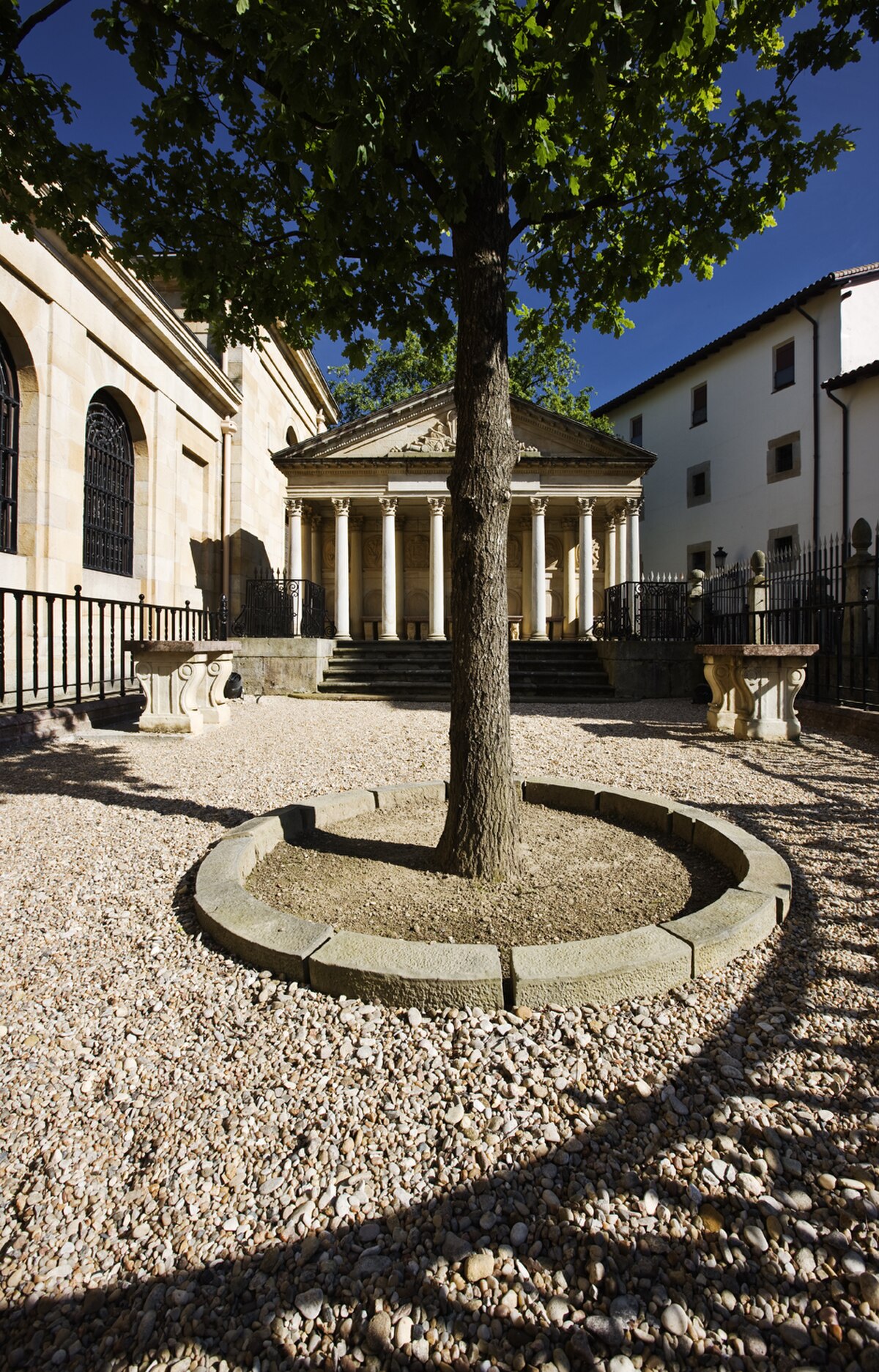
Dana 26. aprila 1937. godine, talasi nemačkih bombardera Hajnkel He 111 i italijanskih aviona Savoja-Marketi SM.79, koji su operisali pod komandom Legije Kondor u podršci nacionalističkim snagama generala Franciska Franka, napali su baskijski tržni gradić Gerniku u severnoj Španiji. Bombardovanje je počelo otprilike u 16:30 — u ponedeljak, tržni dan, kada je stanovništvo grada bilo uvećano farmerima i trgovcima iz okolnih sela — i trajalo je više od tri sata. Zapaljive bombe zapalile su centar srednjovekovnog grada, a lovački avioni mitraljirali su civile koji su bežali ulicama. Broj mrtvih ostaje sporan, sa procenama koje se kreću od nekoliko stotina do preko hiljadu, ali strateški i moralni račun bio je jasan: Gernika nije bila vojni cilj, već civilno stanovništvo, i njeno uništenje bilo je eksperiment u terorističkom bombardovanju — proba za taktike koje će opustošiti Varšavu, Roterdam, London, Drezden i Hirošimu u ratu koji je dolazio. Kada je vest o zverstvu stigla do Pabla Pikasa u Parizu, gde je radio na narudžbini za paviljon Španske republike na Međunarodnoj izložbi 1937. godine, napustio je prvobitne planove i u roku od nekoliko nedelja proizveo sliku koja će postati najrazornija optužba rata u dvadesetom veku.
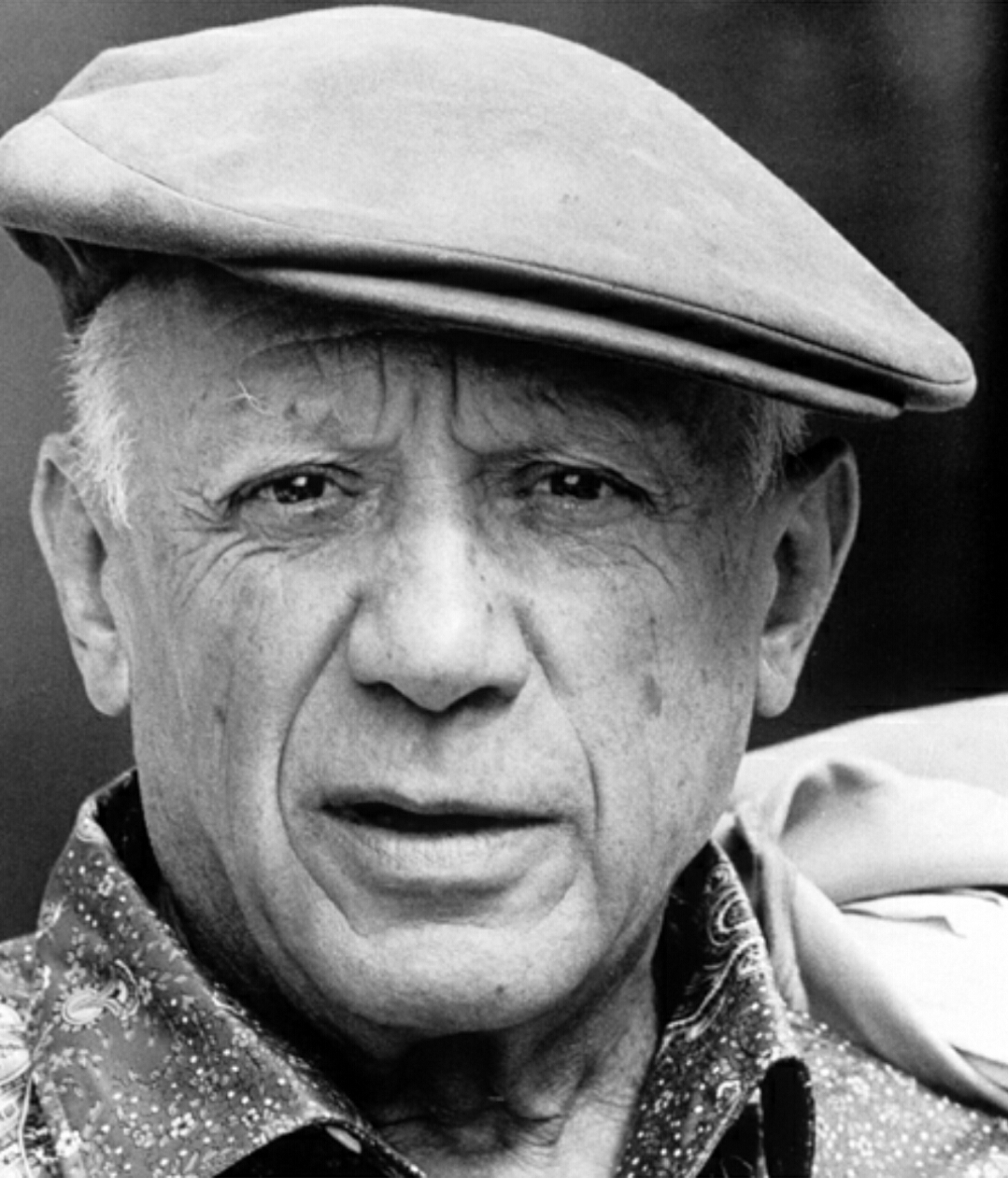
Pikaso je naručen u januaru 1937. od strane španske republikanske vlade da stvori veliki mural za njihov paviljon na Pariskoj svetskoj izložbi, i mesecima se borio da se odluči za temu. Njegove početne skice istraživale su scenu ateljea — umetnik i model, temu koju je obrađivao mnogo puta — ali bombardovanje Gernike ga je galvanizovalo temom i moralnom urgentnošću koja je transformisala narudžbinu iz dekorativne vežbe u čin političkog svedočenja. Prve skice, datirane 1. maja 1937. — samo pet dana nakon bombardovanja — već sadrže suštinske elemente konačne kompozicije: bik, ranjeni konj, majka i mrtvo dete, pali ratnik. Tokom sledećih nedelja, Pikaso je proizveo najmanje četrdeset pet pripremnih studija — crteže, uljane skice i kompozicione studije — koji dokumentuju jedan od najtemeljnije zabeleženih kreativnih procesa u istoriji umetnosti. Njegova saputnica Dora Mar, sama ugledna fotografkinja, dokumentovala je evoluciju slike u seriji fotografija koje pokazuju Pikasa kako prerađuje kompoziciju kroz najmanje osam velikih faza, dodajući, uklanjajući i premeštajući elemente sa neumornnom energijom. Konačno platno, dimenzija 349,3 sa 776,6 centimetara, završeno je početkom juna 1937. godine.
Formalna analiza
Odluka da se Gernika naslika isključivo u crnoj, beloj i nijansama sive — grizaj paletom — bila je jedna od Pikasovih najznačajnijih formalnih odluka. Monohromatska šema služi višestrukim funkcijama istovremeno: evocira crno-bele novinarske fotografije i filmske žurnale kroz koje je većina ljudi saznala o bombardovanju, čime povezuje sliku sa masovnim medijima njenog doba; lišava scenu čulnog užitka koji bi boja mogla pružiti, odbijajući da estetizuje užas koji prikazuje; i stvara oštro grafički kvalitet — gotovo poput drvoreskog otiska ili litografije — koji slici daje ikoničnu, plakatsku direktnost prikladnu njenoj funkciji političkog protesta. Odsustvo boje takođe služi da ujedini divlje fragmentirane forme kompozicije, povezujući kubističke distorzije i prostorne dislokacije u koherentno vizuelno polje. Da je Pikaso naslikao Gerniku u boji, njena složena igra preklapajućih, prožimajućih formi mogla bi se raspasti u vizuelni haos; u crno-belom, kompozicija postiže strašnu, strogu jasnoću.
Ikonografija i simbolika
Ikonografija slike funkcioniše kroz vokabular simbola koji su istovremeno duboko lični za Pikasa i široko, gotovo univerzalno, čitljivi. Bik, pozicioniran u gornjem levom uglu, najdvosmislenija je i najdebatovanija figura: sam Pikaso je, kada je pritisnut da pruži objašnjenje, raznoliko opisivao bika kao predstavnika „brutalnosti i mraka” i kao simbol španskog naroda, a takođe je insistirao da „bik je bik” i „konj je konj” — karakteristično izbegavajući fiksiranje alegorijskog značenja. Konj, centralno pozicioniran i uspaničen u agoniji sa zjapećim ustima i jezikom nalik koplja, generalno se čita kao patnji izložena Španska republika ili narod Gernike. Iznad konja, gola sijalica zatvorena u nazubljenom obliku nalik oku služi kao surova parodija prosvetljenja — španska reč za sijalicu, bombilla, sadrži u sebi reč bomba. Desno, figura skače iz zapaljene zgrade, ruku podignutih u gestu koji podseća na Gojino Treće maja 1808. U donjem centru, fragmenti raskomadanog vojnika — odsečena ruka koja stiska slomljen mač, iz kojeg izranja mali cvet — sugerišu i uzaludnost otpora i upornost nade. A krajnje levo, majka zabacuje glavu u krik bola, njeno mrtvo novorođenče prebačeno preko njenih ruku u ehu Piete — jednom od najstarijih i najmoćnijih arhetipova u zapadnoj umetnosti.
Formalni jezik Gernike predstavlja sintezu kubističke tehnike i emocionalnog ekspresionizma koji je Pikaso razvijao od kasnih dvadesetih godina. Simultano prikazivanje višestrukih uglova gledanja — lice prikazano i u profilu i frontalno, telo uvrnuto da prikaže i prednju i zadnju stranu — koje je u analitičkom kubizmu služilo prvenstveno formalnim i perceptivnim ciljevima, ovde je upotrebljeno kao sredstvo prenošenja psihološke ekstremnosti. Fragmentacija i distorzija ljudskog tela postaje direktna metafora za fizičko nasilje bombardovanja: tela su doslovno raskomadana, ponovo sastavljena u nemogućim konfiguracijama, njihov prostorni integritet razbijen isto tako potpuno kao zgrade Gernike. Spljošten, kompresovan slikovni prostor — figure se preklapaju i prožimaju u plitkom, frizolikom rasporedu — pojačava osećaj klaustrofobičnog zarobljeništva, sveta u kome nema bega od nasilja, dubine u koju bi se čovek mogao povući. Ogromna veličina slike — gotovo osam metara širine — osigurava da je posmatrač obavijen ovom vizijom užasa, nesposoban da održi ugodnu distancu koju bi manje platno moglo dozvoliti.
Recepcija i nasleđe
Nakon debija u paviljonu Španske republike na Pariskoj izložbi 1937. godine, gde je izložena uz dela Žoana Miroa i Aleksandra Kaldera, Gernika je krenula na izvanredno putovanje koje je trajalo decenijama i obuhvatalo kontinente. Pikaso je poslao sliku na turneju za prikupljanje sredstava po Skandinaviji i Engleskoj 1938-1939, a nakon pada Španske republike i izbijanja Drugog svetskog rata, poverio ju je Muzeju moderne umetnosti u Njujorku na čuvanje, specifirajući da ne sme biti vraćena Španiji dok se demokratija ne obnovi. Slika je ostala u MoMA-i više od četiri decenije — tokom čitave Frankove diktature — postajući jedno od najslavnijih i najposećenijih dela muzeja. Frankova smrt 1975. i španski prelaz na demokratiju pod kraljem Huanom Karlosom I pokrenuli su dugotrajne pregovore o repatrijaciji slike. U septembru 1981. Gernika je konačno prebačena u Španiju, stigavši prvo u Prado, a zatim, 1992, u Museo Reina Sofia u Madridu, gde je izložena danas iza neprobojnog stakla u posebno dizajniranoj galeriji.
Status slike kao preeminentne antiratne slike modernog doba samo je rastao u decenijama od njenog nastanka. Tokom Vijetnamskog rata, postala je kamen temeljac antiratnog pokreta, a reprodukcija u punoj veličini na tapiseriji, obešena ispred sale Saveta bezbednosti Ujedinjenih nacija u Njujorku, čuveno je prekrivena plavom zavesom u februaru 2003. kada je državni sekretar Kolin Pavel održao govor u kome je izneo argumente za invaziju na Irak — čin prikrivanja koji je samo naglasio trajnu moć slike da remeti i izaziva. Umetnici od Leona Goluba do Benksija angažovali su se sa Gernikom kao umetničkom i političkom referentnom tačkom, a njena ikonografija je adaptirana, citirana i reinterpretirana u kontekstima koji se kreću od izraelsko-palestinskog sukoba do sirijskog građanskog rata. Sam Pikaso je razumeo dualnu prirodu slike kao i specifičan odgovor na konkretno istorijsko zverstvo i univerzalnu izjavu o ljudskoj sposobnosti za surovost. Kada je nemački oficir, gledajući fotografiju slike u Pikasovom ateljeu tokom nacističke okupacije Pariza, navodno upitao: „Jeste li vi ovo uradili?” kaže se da je Pikaso odgovorio: „Ne, vi ste to uradili.”