Istorijski kontekst
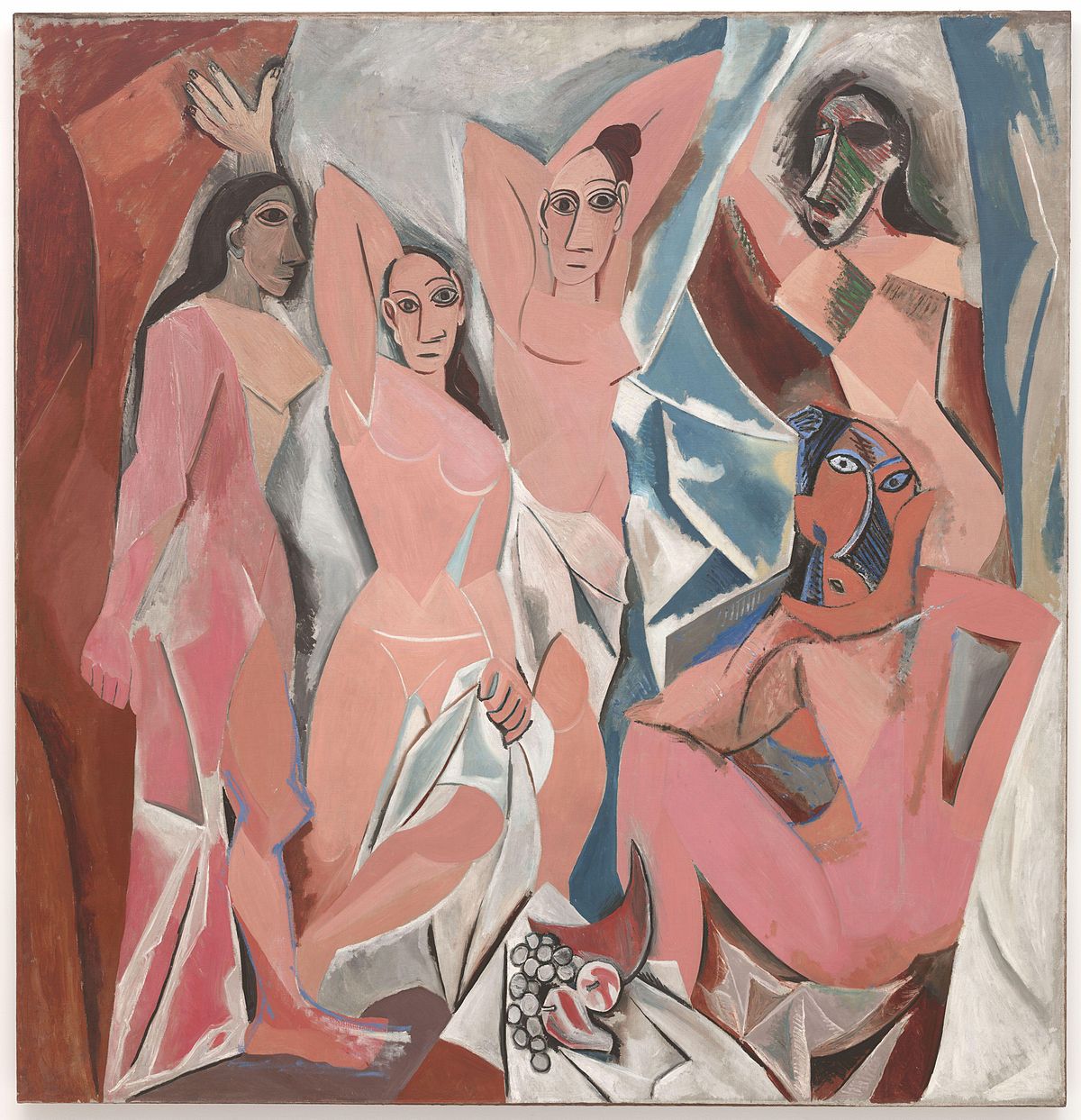
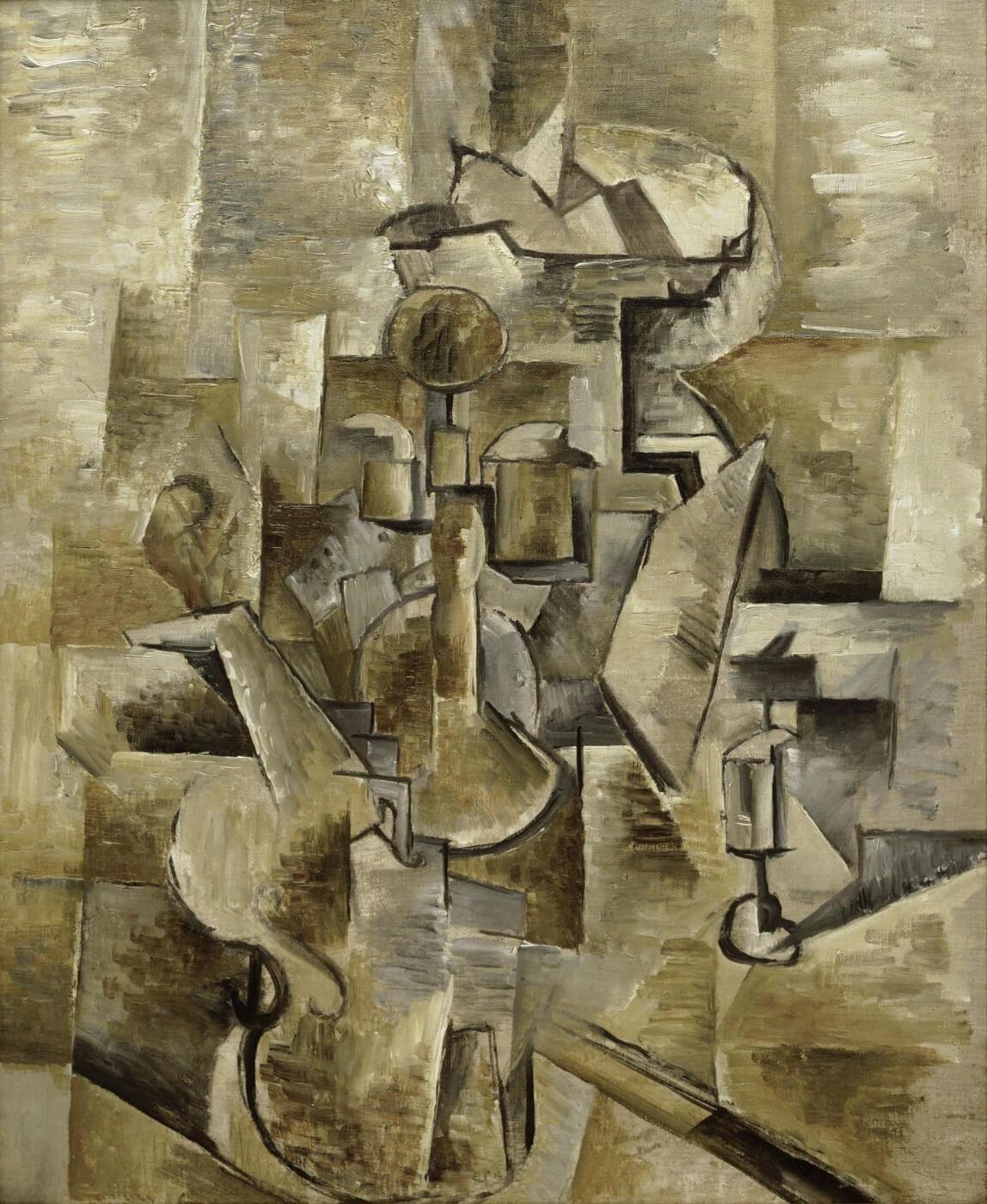
Do 1910. godine Žorž Brak i Pablo Pikaso radili su u toliko bliskom dijalogu da je Brak njihovo partnerstvo kasnije uporedio sa dva alpinista vezana jedno za drugo. Violina i svećnjak pripada najrigoroznijoj fazi te saradnje, periodu sada označenom kao analitički kubizam, tokom koga su oba slikara sistematski razgrađivala konvencije jednopointne perspektive koja je vladala evropskim slikarstvom od renesanse. Brak je stigao do ove tačke kroz ranije bavljenje Sezanovom tehnikom pasaža i spljoštenim slikovnim ravnima fovizma, ali do 1910. hromatska bujnost tih pokreta bila je namerno potisnuta. Gotovo eliminacija boje bila je strateška: sprečavala je da nijansa konkuriše strukturalnom istraživanju forme, obezbeđujući da pažnja posmatrača ostane fiksirana na način na koji se predmeti mogu analizirati iz više istovremenih gledišta.
Slika takođe registruje širu intelektualnu klimu Pariza s početka dvadesetog veka. Filozofija trajanja Anrija Bergsona, spisi Anrija Poenkarea o neeuklidskoj geometriji i šira kulturna fascinacija četvrtom dimenzijom — sve je to doprinelo okruženju u kome je fiksirana, jedinstvena tačka gledišta izgledala filozofski neadekvatno. Brakova odluka da prikaže violinu — predmet koji je intimno poznavao kao amaterski muzičar — omogućila mu je da radi iz haptičkog kao i vizuelnog sećanja, utkavši taktilno poznavanje krivih instrumenta, žica i rezonantnih otvora u preklapajuće ravni slike. Svećnjak, vertikalni akcenat, obezbeđuje kompozicionu armaturu oko koje orbitiraju fragmentirane forme, usidravajući kompoziciju čak i dok se ona opire razrešenju u jednu koherentnu sliku.
Formalna analiza
Platno je dominirano zemljanom paletom okera, umbri, toplih sivih i prigušenih maslinastozelenih tonova, povremeno isprekidanom malim pasažima svetlije vrednosti koji sugerišu reflektovanu svetlost na zakrivljenoj površini. Brak konstruiše sliku kroz skelu kratkih, ugaonih poteza četke i tankih, poluprovidnih ravni koje se preklapaju i prožimaju, proizvodeći efekat koji se ponekad poredi sa brušenim kristalom. Identifikacijske odlike violine — puž, ef-otvori, žice — pojavljuju se kao fragmentarni znakovi distribuirani po površini, umesto da budu sklopljeni u volumetrijski totalitet. Ovi znakovi funkcionišu indeksički: upućuju na predmet bez potpunog opisivanja, zahtevajući od posmatrača da aktivno učestvuje u rekonstrukciji značenja.
Prostorno, slika kolapsira prednji i zadnji plan u plitak reljef. Brak koristi kjaorskuro ne da modeluje koherentne volumene, već da stvori lokalne kontraste koji guraju i privlače susedne fasete, generišući treperavo osećanje dubine koje se nikada ne razrešava u iluzionistički prostor. Ivice formi su namerno ambivalentne; ravan koja se u jednom pogledu čita kao deo violine može se u sledećem činiti delom okolnog prostora ili svećnjaka. Ova perceptualna nestabilnost nije neuspeh opisa, već centralni predmet slike. Delo traži od posmatrača da napusti očekivanje trenutačne čitljivosti i umesto toga se angažuje u trajnom, istraživačkom činu gledanja — temporalizovanom iskustvu vizije koje odražava višestruka gledišta kodirana u slici.
Značaj i nasleđe
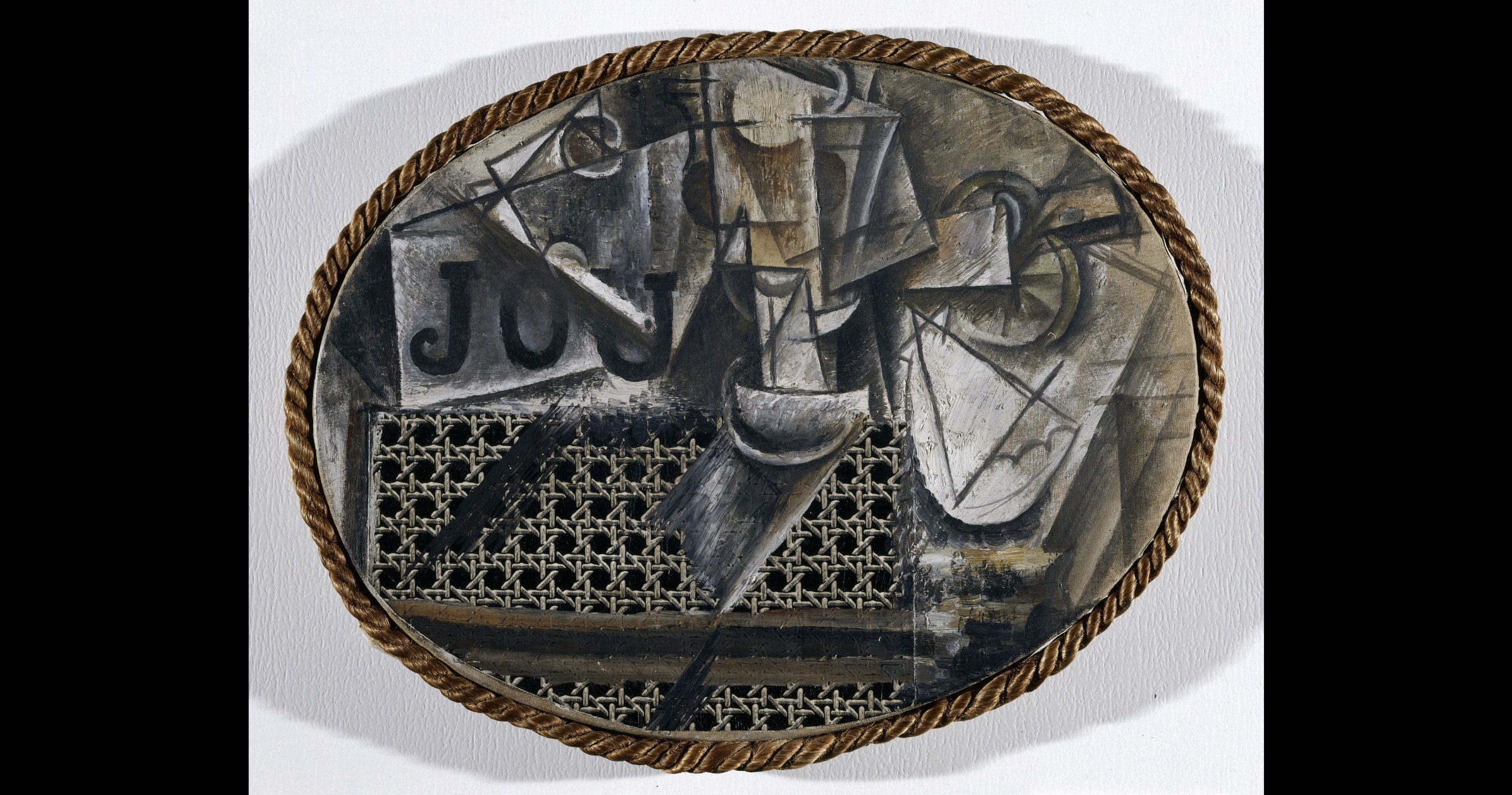
Violina i svećnjak se široko smatra jednim od najpotpunije ostvarenih dela analitičkog kubizma, faze koja je postavila konceptualni temelj za praktično svaku kasniju apstrakciju u umetnosti dvadesetog veka. Demonstriravši da slika može analizirati predmet umesto da ga samo prikazuje, Brak i Pikaso otvorili su prostor koji su u roku od jedne decenije istraživali futuristi, konstruktivisti i umetnici De Stijla. Monohromatska paleta i mrežolika struktura analitičkog kubizma takođe anticipiraju reduktivne strategije posleratnih pokreta kao što je minimalizam, dok naglasak na aktivnom učešću posmatrača anticipira fenomenološke pristupe umetnosti koji su se pojavili šezdesetih godina.
U okviru Brakovog vlastitog opusa, slika predstavlja presudni trenutak između početnih eksperimenata 1908-1909. i uvođenja kolažnih elemenata 1912. Njeno rigorozno potiskivanje boje i volumena gurnulo je analitičku metodu do njenog logičkog ekstrema, i upravo je gotovo nečitljivost takvih dela delimično podstakla Braka da ponovo uvede slova, šablonski ispisane reči i zalepljene materijale — inovacije koje će definisati sintetički kubizam. Prisustvo dela u Muzeju moderne umetnosti u San Francisku učinilo ga je referentnom tačkom za publiku Zapadne obale koja se susreće sa fundamentalnim trenucima modernističkog slikarstva, i ono nastavlja da služi kao esencijalna studija slučaja u nastavi istorije umetnosti za razumevanje toga kako je sama reprezentacija postala predmet umetničkog istraživanja.