Manirizam je nastao u godinama posle 1520. dok su ambiciozni mladi umetnici Rima i Firence bili suoceni sa naizgled nepremostivim problemom: majstori visoke renesanse — Leonardo, Rafael i Mikelangelo — ocito su doveli imitaciju prirode do savrsensstva, ostavljajuci svoje naslednike sa pitanjem sta jos ostaje da se postigne. Dzordzo Vazari, slikar, arhitekta i biograf cija su Zivotopisi najizvrsnijih slikara, vajara i arhitekata (1550, revidirani 1568) vise od bilo kog drugog teksta oblikovali narativ renesansne umetnosti, opisao je rad svoje generacije kao delovanje u maniera moderna — “modernom maniru” — termin koji je nosio konotacije stilskosti, gracije i sofisticirane lakoci. Za Vazarija, raditi in maniera nije bila uvreda vec kompliment: to je znacilo da je umetnik toliko temeljno usvojio lekcije velikih majstora da je mogao prevazici puku imitaciju prirode i stvarati dela inventivne lepote vodjene umetnickim sudom (giudizio) umesto ropskog kopiranja. Termin “manirizam”, medjutim, stekao je pogrdne asocijacije u kasnijim vekovima, kada su ga kriticari pod uticajem neoklasicnih ideala odbacili kao dekadentno odstupanje od renesansne cistoce — sud koji je poceo da se preispituje tek u dvadesetom veku.
Istorijski uslovi koji su doveli do nastanka manirizma bili su traumaticni. Pljacka Rima od strane trupa cara Karla V u maju 1527. srusila je kulturno samopouzdanje papskog glavnog grada, rasturajuci umetnike i intelektualce sirom Italije i zadavsi psiholoski udarac humanistickoj veri u racionalni, skladan poredak koji je bio temelj umetnosti visoke renesanse. Medjutim, i pre ove katastrofe, znaci nemira bili su vidljivi. Mikelangelovo kasno delo u kapeli Medicija (zapoceto 1520) uvelo je novi vokabular sabijenih, uvijajucih figura — lezece alegorijske aktove Zore, Sumraka, Dana i Noci — smestene u arhitektonsko okruzenje gde se cini da klasicni redovi pritiskaju figure sa klaustrofobicnom intenzivnoscu. Skidanje s krsta Rosa Fjorentina u Volteri (1521) fragmentiralo je tradicionalnu kompoziciju u uglaste, disonantne forme, sa ostrim osvetljenjem i ukoocenim figurama koje stvaraju efekat gotovo halucinantne intenzivnosti. Ovi eksperimenti su nagovestili da je ravnoteza visoke renesanse bila inherentno nestabilna, da je sama njena savrsensst izazvala kontra-reakciju.
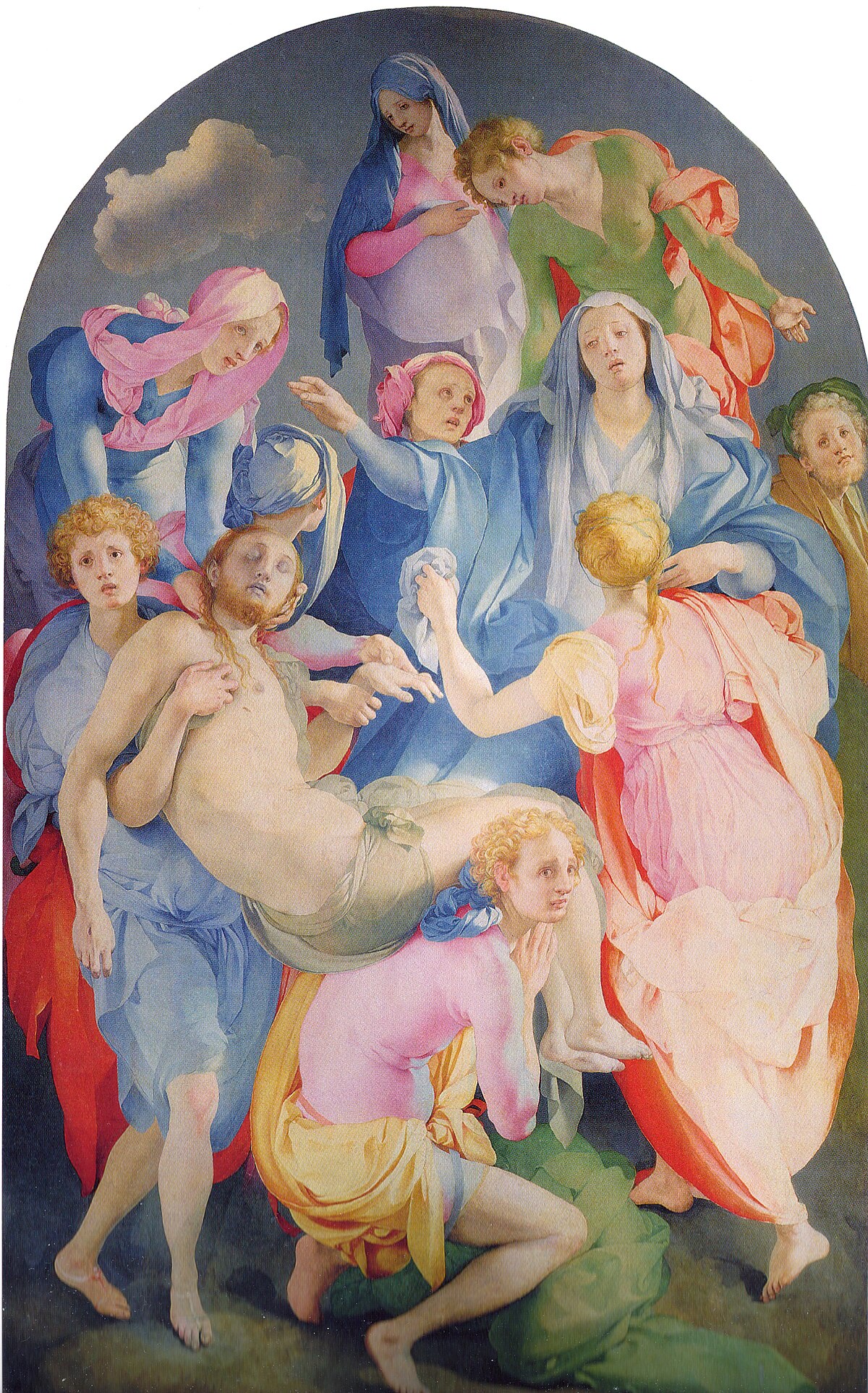
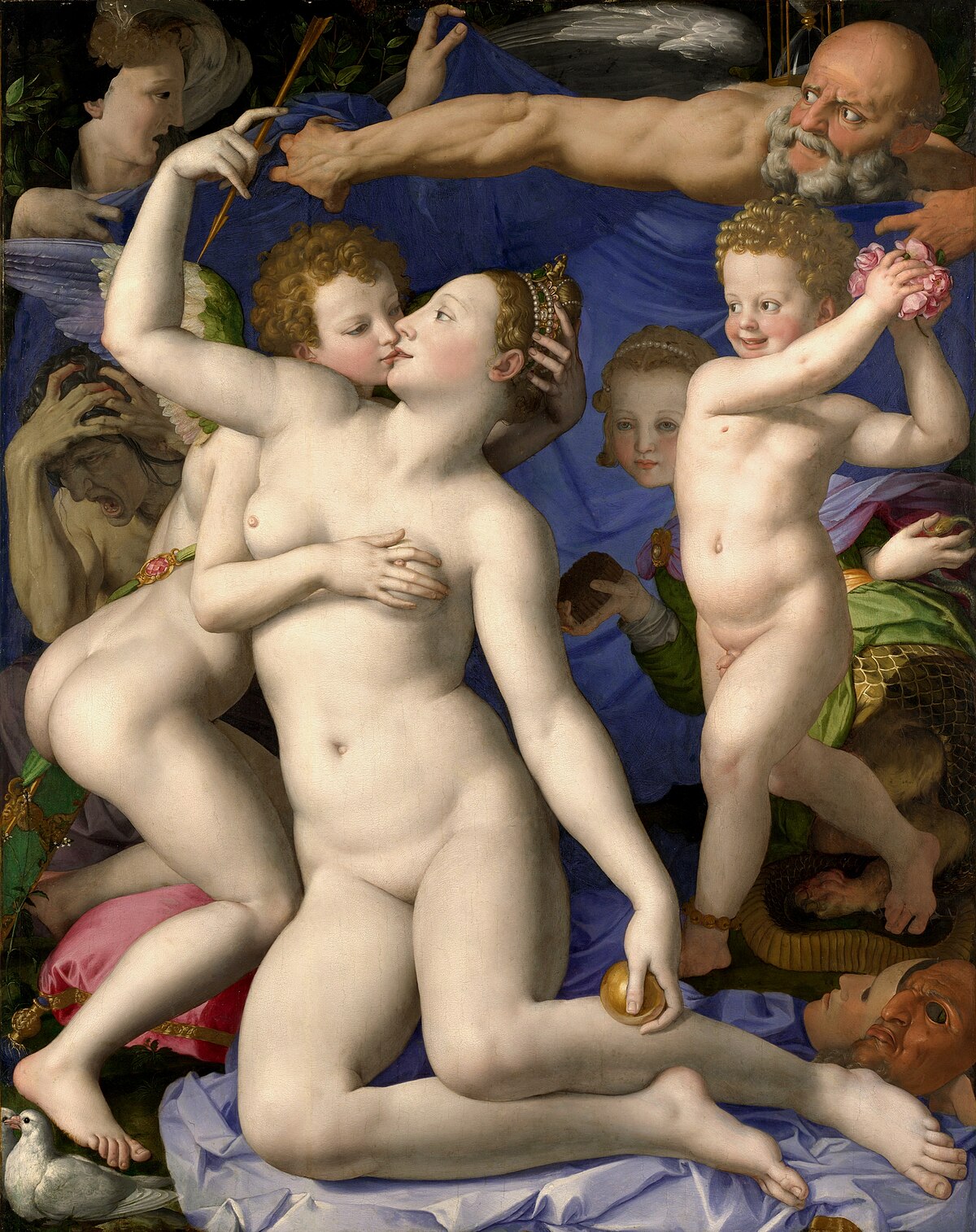
U Firenci su Jakopo Pontormo i njegov ucenik Anjolo Bronzino razvili dva komplementarna pravca maniristickog slikarstva. Pontormovo Deposition from the Cross (1525-1528) u kapeli Kaponi crkve Santa Felicita mozda je najradikalnije delo pokreta: grupa bestezinskih, vrtloznih figura u prodorno jarkim ruzicacastim, bledo zelenim i lavanda tonovima, bez vidljivog krsta, bez ravni tla i bez koherentne prostorne recesije — figure kao da lebde u nedefinisanom prostoru, a njihova tuga se izrazava kroz samo odbijanje slike da prihvati renesansnu prostornu logiku. Bronzino je, nasuprot tome, negovao ledeno uglachane povrsine i cerebralnu alegorijsku slozenost. Njegova slika Venus, Cupid, Folly, and Time (oko 1545), naslikana kao diplomatski poklon za Frensisa I od Francuske, predstavlja erotski nabijeno prepletanje alabasterski glatkih nagih figura cije precizno alegorijsko znacenje — koje ukljucuje prevaru, ljubomoru, zadovoljstvo i razaranja vremena — zaokuplja ucenjake vekovima. Bronzinovi dvorski portreti vojvode Medicija Kozima I i njegove porodice uspostavili su model aristokratskog portreta koji je, sa svojom emocionalnom suzdrzanoscu, draguljskim povrssinama i naglaskom na kostimu i statusu, uticao na evropsko dvorsko slikarstvo generacijama.
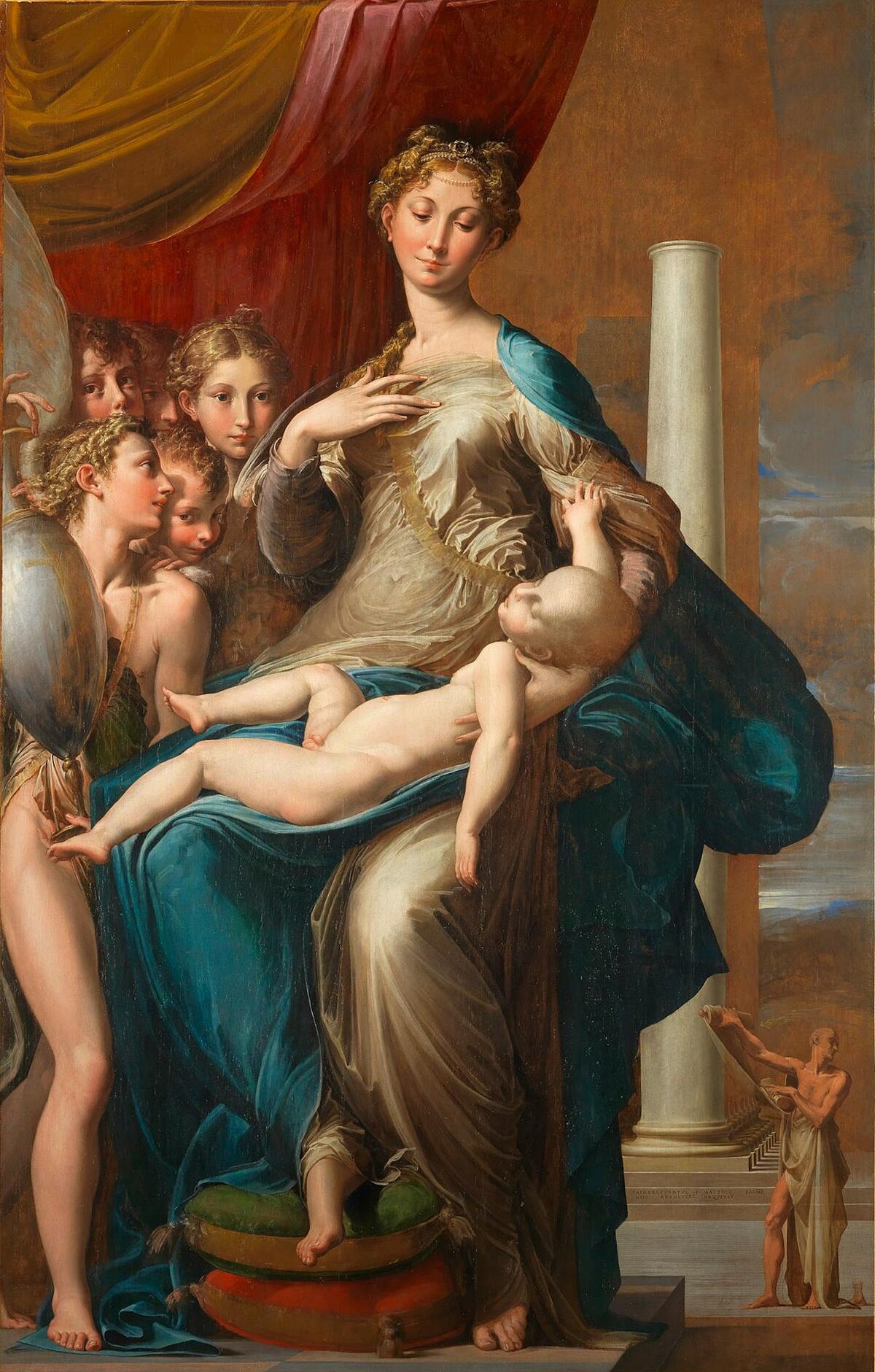
Parmidzanino (Francesko Macola, 1503-1540) doveo je manirizam do svog najprefinjenijeg izraza u Emiliji. Njegov Self-Portrait in a Convex Mirror (oko 1524), naslikan na zakrivljenoj ploci da repliciira iskrivljenja berberinskog ogledala, je tur de fors umetnicke samosvesti — meditacija o odnosu izmedju umetnosti, percepcije i iluzije koja je fascinirala Vazarija i koja ce inspirisati americkog pesnika Dzona Esberija cetiri veka kasnije. Njegova Madonna with the Long Neck (1534-1540), ostavljena nedovrsenom nakon njegove prerane smrti, postala je kvintesenciijalna ikona maniristicke estetike: nemoguce izduzeni vrat i prsti Bogorodice, predimenzionisano Hristovo dete lenjo prebaceno preko njenog krila, gomila naguranih andjela levo i sitna, neobjasnjiva figura proroka desno stvaraju kompoziciju koja je istovremeno lepa i duboko cudna. Parmidzaninov uticaj prossirio se sirom Evrope kroz stampe i crteze, sireci maniristicki idiom u Francusku (gde se spojio sa dekorativnim programom Skole Fontenblo pod Rosom i Primaticiom) i na dvorove Praga i Minhena.
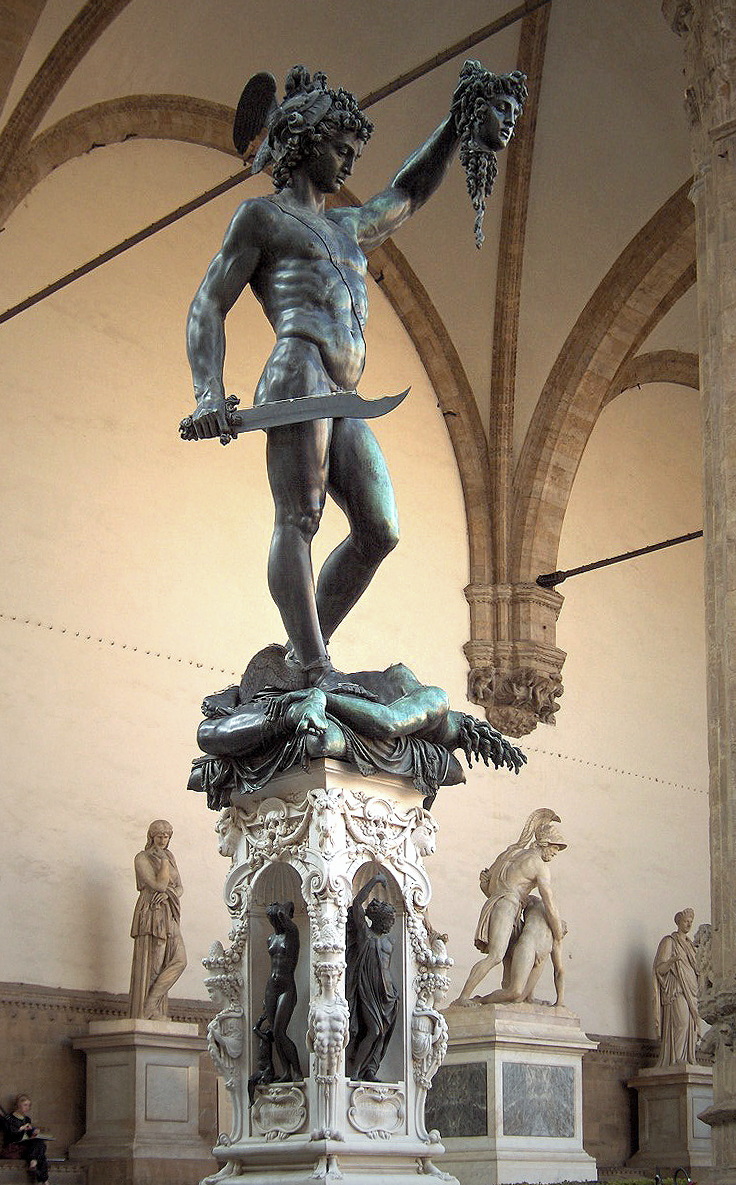
Koncept figura serpentinata — zmijolika figura, koja se uvija navise kroz prostor u spirali nalik plamenu — postao je teorijski ideal maniristicke skulpture i figuralnog slikarstva. Dzovani Bolonja (Dzambalonja), flamanski vajar aktivan u Firenci, dao je ovom principu njegov najcistiji izraz u delima poput Otmice Sabinjanki (1581-1583), mermerne grupe od tri figure dizajnirane da se posmatraju iz svakog ugla, sa spiralnom kompozicijom koja vodi posmatraca oko dela u neprekidnom krugu. Benvenuto Celinijeva skulptura Perseus with the Head of Medusa (1545-1554), podignuta u Lodji dei Lanci kao politicka alegorija trijumfa Medicija, kombinovala je virtuoznu tehniku livenja bronze sa profinjenom elegancijom koja je transformisala scenu odrubljivanja glave u objekat estetskog kontempliranja. U zlatarstvu, Ceilinijeva cuvena posuda za so napravljena za Frensisa I (1540-1543) uzdigla je funkcionalni predmet u minijaturnu alegoriju zemlje i mora, sa lezecim nagim figurama i razradjenim emajlom koji otelotvoruju maniristicki princip da je arte (umetnost, vestina, vestacina) superiorna pukoj natura (prirodi).
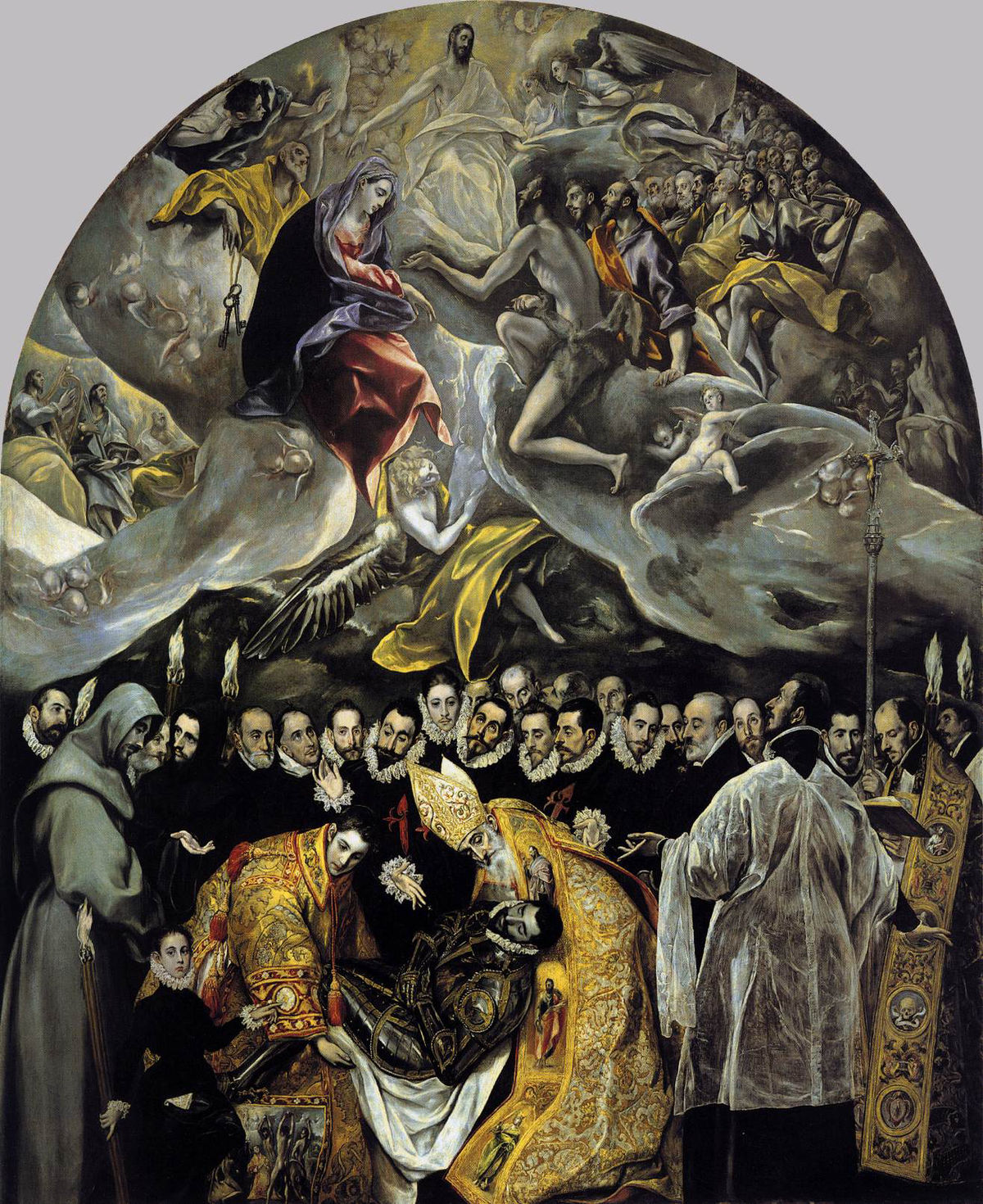
El Greko (Domenikos Teotokopulos, 1541-1614), rodjen na Kritu i obucen u Veneciji pre nego sto se trajno nastanio u Toledu u Spaniji, stoji kao mozda najoriginalniji i svakako duhovno najintenzivniji praktikant kasnog manirizma. Njegove izduzene, plamene figure — svetitelji i apostoli cija se tela dematerijalizuju u treperavo svetlo — crpele su iz Tintoretovog dinamicnog poteza, Mikelangelovog anatomskog preuvelicavanja i misticne teologije spanske kontrareformacije da bi stvorile stil vizionarske intenzivnosti bez premca u evropskom slikarstvu. The Burial of the Count of Orgaz (1586-1588), njegovo remek-delo, deli platno izmedju donjeg registra koji prikazuje cudesnu sahranu srednjovekovnog plemicca kojoj prisustvuje toledanska aristokratija, naslikanu sa venecijanskim bogatstvom teksture i portretisanja, i gornje zone nebeskog prijema gde se izduzene figure svetaca i andjela rastapaju u vrtlozne oblake srebra i zlata. El Grekova umetnost, vekovima odbacivana kao ekscentricna, podrzana je od strane ekspresionista i modernista ranog dvadesetog veka koji su u njegovim iskrivljenjima prepoznali srodnog duha subjektivnog emocionalnog izrazavanja.
Reputacija manirizma prosla je kroz dramaticnu prevrednovaciju od sredine dvadesetog veka. Dugo odbacivan kao dekadentni interval izmedju dva vrha visoke renesanse i baroka — period prazne virtuoznosti i sterilne imitacije — manirizam je rehabilitovan od strane naucnika kao sto je Maks Dvorak, koji je 1920. povukao paralele izmedju maniristicke umetnosti i savremenog ekspresionizma, a kasnije i Arnold Hauzer, Dzon Sirman i Sidni Fridberg, koji su tvrdili da pokret ima koherentnost, originalnost i filozofsku dubinu. Sirmanova uticajna studija iz 1967. preformulisala je manirizam ne kao antiklasican vec kao ultra-klasican — umetnost koja je gurala renesansne ideale gracije, elegancije i sprezzature (proucene nonssalancije) do njihovog logickog ekstrema. Danas se manirizam razume kao kljucni prelazni trenutak u kojem je umetnost postala samosvesno svesna sopstvene istorije, sopstvenih konvencija i sopstvene sposobnosti za znacenje izvan imitacije pojavnosti — prepoznavanje koje ga, u mnogim aspektima, cini prvim zaista “modernim” umetnickim pokretom.