Istorijski kontekst
Tres Riches Heures vojvode od Berija (Musée Condé, MS 65), univerzalno priznat kao najfiniji iluminirani rukopis petnaestog veka, predstavlja kulminaciju srednjovekovne tradicije Časoslova i ključni trenutak u prelasku od gotičke manuskriptne slike ka naturalističkim ambicijama rane renesanse. Naručen od Žana, vojvode od Berija (1340-1416), trećeg sina kralja Žana II od Francuske i jednog od najrasipnijih kolekcionara umetnosti kasnog srednjeg veka, rukopis su pretežno stvorila tri brata Limburg — Pol, Herman i Žan — holandski umetnici izuzetnog talenta koji su ušli u vojvodinu službu oko 1404. godine. Časoslov je devocioni rukopis organizovan oko kanonskih molitvenih časova, koji sadrži liturgijski kalendar, evanđeoska čitanja, psalme, molitve Bogorodici i druge devocione tekstove, tipično ukrašene iluminiranim inicijalima i minijaturnim slikama. Tres Riches Heures, međutim, prevazilazi konvencije žanra, pretvarajući ono što je u suštini bila molitvena knjiga u vizuelnu enciklopediju života, pejzaža i dvorske kulture ranog petnaestog veka neviđenog obima i ambicije.
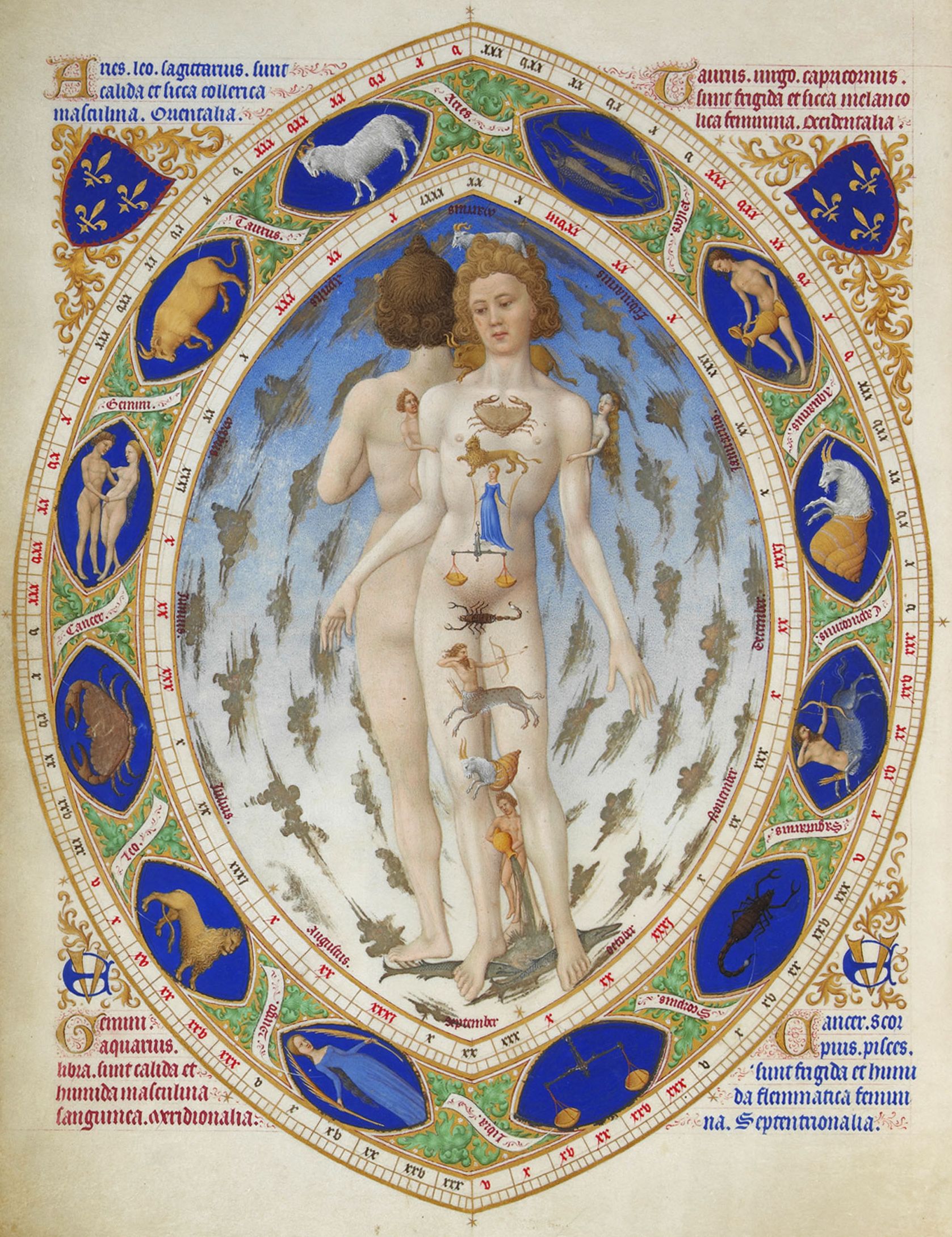
Kalendarski ciklus koji otvara rukopis čini njegovu najpoznatiju i umetničko-istorijski najznačajniju komponentu. Dvanaest celostrannih minijatura prikazuje mesece u godini kroz scene sezonskog rada i aristokratske dokolice, svaka natkrivena lunetom koja sadrži astronomsku kartu sa zodijačkim znacima, položajem sunca na ekliptici i fazama meseca. Januarska minijatura predstavlja samog vojvodu od Berija na novogodišnjoj gozbi, kako sedi za stolom prepunim zlatnog posuđa okružen dvorjanima, dok tapiserija sa prikazom bitke čini pozadinu — scena tolike dokumentarne preciznosti da su pojedinačna lica i detalji kostima identifikovani sa poznatim članovima vojvodinog domaćinstva. Februarska slika, među najslavnijima u čitavom manuskriptnom slikarstvu, prikazuje zasneženо seosko gazdinstvo sa seljacima koji se greju pored vatre unutar kolibe, dok napolju čovek tera magarca ka dalekom selu kroz beli predeo prikazan sa atmosferskom osetljivošću koja nema presedana u srednjovekovnoj umetnosti. Sneg leži na krovovima, ogradama i košnicama sa naturalističkom tačnošću koja anticipira Pitera Brojgela Starijeg za vek i po.
Formalna analiza
Pejzažne pozadine kalendarskih slika postižu revolucionarnu integraciju posmatrane topografije i atmosferskog efekta. Nekoliko minijatura prikazuje prepoznatljive građevine i lokalitete iz opsežnih poseda vojvode od Berija: junska minijatura pokazuje Palais de la Cité i Sainte-Chapelle u Parizu, prikazane sa izuzetnom arhitektonskom tačnošću gledano sa druge strane Seine tokom košenja sena; septembarska slika predstavlja Château de Saumur u dolini Loare, čije se bajkovite kule i šiljci uzdižu iznad vinograda gde seljaci beru grožđe; oktobarska slika prikazuje Luvr kakav je izgledao u ranom petnaestom veku, utvrđenu srednjovekovnu tvrđavu ispred pooranog polja na kome ratar seje ozimi pšenicu. Ovi topografski tačni pogledi spadaju među najranije portrete predela u evropskoj umetnosti, belezeći konkretna mesta sa vernošću koja odražava posvećenost braće Limburg direktnom posmatranju. Vazdušna perspektiva primenjena u mnogim scenama — sa bojama koje se hlade i detaljima koji se ublažavaju prema horizontu — demonstrira intuitivno razumevanje atmosferskih efekata koje formalna teorija linearne perspektive, tada razvijana u Firenci od strane Bruneleskija, neće kodifikovati još jednu deceniju.
Detaljno posmatranje društvenog života u kalendarskim minijaturama pruža neprocenjiv vizuelni zapis francuskog društva ranog petnaestog veka u svoj njegovoj hijerarhijskoj složenosti. Poljoprivredne scene — oranje, sejanje, žetva, berba grožđa, čuvanje svinja — prikazuju seljake sa simpatijom i pažnjom prema fizičkim detaljima koja je retka u dvorskoj umetnosti tog perioda: njihovi stavovi prenose težinu rada, njihova odeća je prikazana sa etnografskom specifičnošću, a njihove aktivnosti usklađene su sa stvarnim sezonskim ritmovima severofrancuske poljoprivrede. Ipak, ove iste scene neizostavno postavljaju seljačke figure na pozadine u kojima dominiraju vojvodini zamkovi i posedi, stvarajući vizuelnu retoriku u kojoj je ljudski rad uokviren, doslovno i figurativno, feudalnim autoritetom. Aristokratske scene — januarska gozba, aprilska ceremonija veridbe, majska povorka dvorjana u prolećnom zelenilu — prikazuju plemstvo u komplementarnom registru lakoće, elegancije i ceremonijalne raskoši. Suprotstavljanje nije satirično već normativno: kalendar prikazuje feudalni poredak kao prirodan, harmoničan i božanski sankcionisan, pri čemu svako staleže ispunjava svoju određenu ulogu unutar kosmičkog ciklusa godišnjih doba.
Pigmenti i materijali upotrebljeni u Tres Riches Heures odražavaju i neograničene resurse vojvode i tehničko majstorstvo braće Limburg. Paleta je izuzetno bogata, obuhvatajući skupoceni ultramarin plavi (lapis lazuli), cinober, zlatni listić primenjen u višestrukim tehnikama (ravno pozlačivanje, zlatna školjka i reljefni pastilja ornament), i niz organskih i mineralnih pigmenata mešanih da postignu suptilne gradacije tona neviđene u manuskriptnom slikarstvu. Plave boje su, posebno, intenziteta i raznovrsnosti koji Tres Riches Heures izdvajaju od svih savremenika: braća Limburg koristila su ultramarin ne kao ravnu, simboličnu boju već kao modulisan ton sposoban da prikaže atmosfersku dubinu, senku i svetlucavi kvalitet prolećnog ili jesenjeg neba. Tehnička analiza je otkrila da su braća koristila slojevite slikarske tehnike koje se češće povezuju sa panelnim slikarstvom nego sa manuskriptnom iluminacijom, gradeći forme kroz uzastopna nanošenja prozirne i neprozirne boje preko pažljivog podcrteža, metodom koja im je omogućila da postignu efekte volumena, teksture i svetlosti koji pomeraju granice onoga što medijum veluma može podneti.
Recepcija i nasleđe
Smrti sve tri brata Limburg 1416, u razmaku od nekoliko meseci jedan od drugog i iste godine kao i njihov patron vojvoda od Berija, ostavile su Tres Riches Heures nedovršenim. Uzrok njihovih smrti je nepoznat, mada se kuga — ponavljajuća pošast tokom petnaestog veka — najčešće navodi kao hipoteza. Rukopis je ostao nedovršen više od šezdeset godina dok Žan Kolomb, vešt iluminator koji je radio za vojvodu od Savoje, nije angažovan oko 1485. da dovrši nezavršene stranice. Kolombovi doprinosi, koji uključuju nekoliko kalendarskih scena i brojne devocione minijature, razlikuju se od rada braće Limburg po nešto tvrđem modelovanju, drugačijoj paleti i pretrpanijim kompozicijama, mada su i sami kvalitetna dela. Naučna debata o tome koje konkretne stranice i delove treba pripisati Limbursima a koje Kolombu zaokupljala je istoričare umetnosti više od jednog veka, pri čemu napredak u tehničkom snimanju — uključujući infracrvenu reflektografiju, koja otkriva podcrtež ispod slikane površine — postepeno usavršava atribucije.
Tres Riches Heures označava odlučujući trenutak u istoriji evropske umetnosti, stojeći na pragu između gotičke i renesansne tradicije. Posvećenost braće Limburg naturalističkom posmatranju — njihovo prikazivanje bačenih senki, atmosferske perspektive, odsjaja u vodi i specifičnih tekstura krzna, svile, kamena i lišća — anticipira empirijsku vizuelnu kulturu holandske renesanse koja će procvetati u delu Jana van Ajka i Robera Kampena u roku od jedne decenije od njihovih smrti. Istovremeno, rukopis zadržava fundamentalne karakteristike gotičke tradicije: zlatne osnove, elegantna linearnost figuralnog stila, simbolička upotreba boje i hijerarhijska organizacija prostora odražavaju pogled na svet u kome su lepota, red i značenje garantovani božanskim autoritetom pre nego otkriveni individualnom percepcijom. Ovaj dvojni karakter — istovremeno poslednji veliki spomenik gotičke iluminacije i nagovštaj renesansnog naturalizma — daje Tres Riches Heures njegov jedinstveni umetničko-istorijski značaj.
Rukopis se čuva u Musée Condé u zamku Šantiji od njegovog otkupa od strane Anrija d’Orleana, vojvode d’Omala, 1856. godine, a uslovi njegovog testamenta Institutu Francuske propisuju da nikada ne sme biti pozajmljen ili iznesen iz prostorija. Ovo ograničenje, koliko god frustrirajuće za organizatore izložbi širom sveta, u praksi je odlično poslužilo konzervaciji rukopisa, poštedevši ga rizika transporta, promenljivih uslova sredine i prekomernog rukovanja. Visokokvalitetna faksimilna izdanja, počevši od prelomne publikacije Žana Lonjona i Rejmona Kazela 1969. godine, učinila su slike iz rukopisa široko dostupnim, a kalendarske minijature — naročito zimska scena februara, povorka maja i žetva oktobra — postale su među najreprodukovaniijim slikama u čitavoj istoriji umetnosti, poznate čak i publici koja možda nikada nije čula ime Limburg niti razumela čemu je Časoslov namenjen.