Istorijski kontekst
Gradnja Notr-Dam de Parija pokrenuta je 1163. pod vođstvom biskupa Morisa de Silija, koji je zamislio katedralu neviđene razmere i veličanstvenosti dostojne rastuće političke i ekonomske važnosti Pariza kao prestonice kapetinskog kraljevstva. Projekat je bio deo šireg talasa gradnje katedrala koji je zahvatio Ile-de-Frans i severnu Francusku tokom dvanaestog i trinaestog veka, pokrenut kombinacijom teološke aspiracije, građanskog takmičenja i tehnološke inovacije. Notr-Dam nije bio prva gotička katedrala — ta distinkcija pripada Opatijskoj crkvi Sen-Deni, preuređenoj pod opatom Sigerom počevši od oko 1135. — ali je brzo postala jedna od najambicioznijih, inkorporirajući i rafinirajući strukturne inovacije nastajućeg gotičkog stila u monumentalnom merilu. Gradnja je napredovala u fazama tokom gotovo dva veka, sa velikim kampanjama pod Žanom de Šelom i Pjerom de Montrejom u trinaestom veku odgovornim za fasade transepta i njihove spektakularne ružičaste prozore.
Lokacija katedrale na Ile de la Site, istorijskom srcu Pariza, bila je sama po sebi simbolički nabijena, zauzimajući mesto ranijih crkava i, prema tradiciji, galorimskog hrama. Gradnja je zahtevala rušenje postojećih struktura i rad hiljada radnika — zidara, stolara, staklara i vajara — organizovanih kroz srednjovekovni sistem loža. Finansiranje je dolazilo od crkvenih prihoda, kraljevskih donacija i doprinosa pariških esnafa i građana, odražavajući dvojni identitet katedrale kao i kuće Božje i spomenika građanskom ponosu. Notr-Dam je bio svedok nekih od najkonsekvencnijih događaja francuske istorije, uključujući krunisanje Henrija VI od Engleske 1431, krunisanje Napoleona Bonaparta 1804. i proslave oslobođenja 1944, akumulirajući slojeve istorijskog značenja koji se protežu daleko izvan njene originalne crkvene funkcije.
Formalna analiza
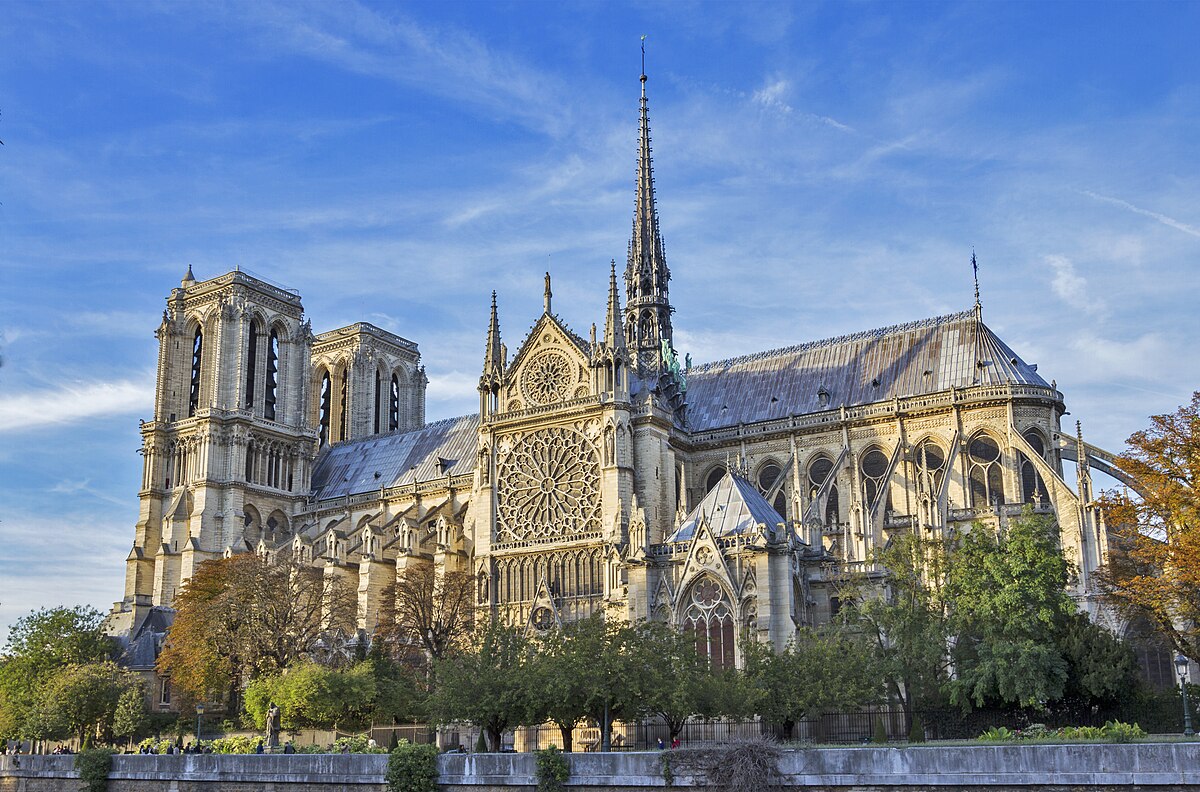
Notr-Dam otelotvoruje strukturnu logiku visokog gotičkog stila, u kojoj se nosiva funkcija zida progresivno prenosi na spoljni skeletni sistem potpornih lukova, omogućavajući da se površina zida otvori za ekspanzivne programe vitražnog stakla. Brod, visine otprilike 33 metra, koristi četvorodelni rebrasti svod podržan vitkim složenim stubovima koji stvaraju emfatičan vertikalan ritam, vukući oko naviše ka svetlosnim kleristornim prozorima. Originalna elevacija imala je četiri sprata — arkadu, tribunsku galeriju, okulus i kleristori — mada su kasnija modifikovanja u trinaestom veku kombinovala gornja dva nivoa u više kleristorne prozore za propuštanje veće svetlosti, odražavajući evolvirajuću gotičku preferenciju za maksimalnu fenestraciju. Potporni lukovi, posebno smeli dvoredni sistem hora dodat oko 1230, predstavljaju ključno inženjersko dostignuće, prenoseći bočni potisak svodova preko tribunskog krova na masivne spoljne stubove i omogućavajući gornjim zidovima da funkcionišu kao malo više od ekrana za staklo.
Zapadna fasada, dovršena oko 1250, remek-je delo gotičkog kompozicionog dizajna, organizovano u tri jasno razgraničena horizontalna registra nadvišena dvama zvonikovim tornjevima. Tri duboko usečena portala — Portal Device, Portal Poslednjeg suda i Portal Svete Ane — gusto su naseljeni skulpturalnim programima koji konstituišu enciklopedijsku vizuelnu teologiju u kamenu, obuhvatajući istoriju spasenja, živote svetaca i moralnu pouku. Veliki ružičasti prozor zapadne fasade, prečnika od otprilike 9,6 metara, služi i kao strukturno i kao simboličko središte, njegova radijalna traka evocirajući nebeski poredak. Severni i južni transeptni ružičasti prozori, dizajnirani pod Žanom de Šelom i Pjerom de Montrejom, respektivno, još su veći i predstavljaju apogej gotičke rajonnantske trake, njihove delikatne kamene armature podržavajući ogromna polja obojenog stakla koja transformišu enterijer u svetlosni, onosvetnički prostor.
Recepcija i nasleđe
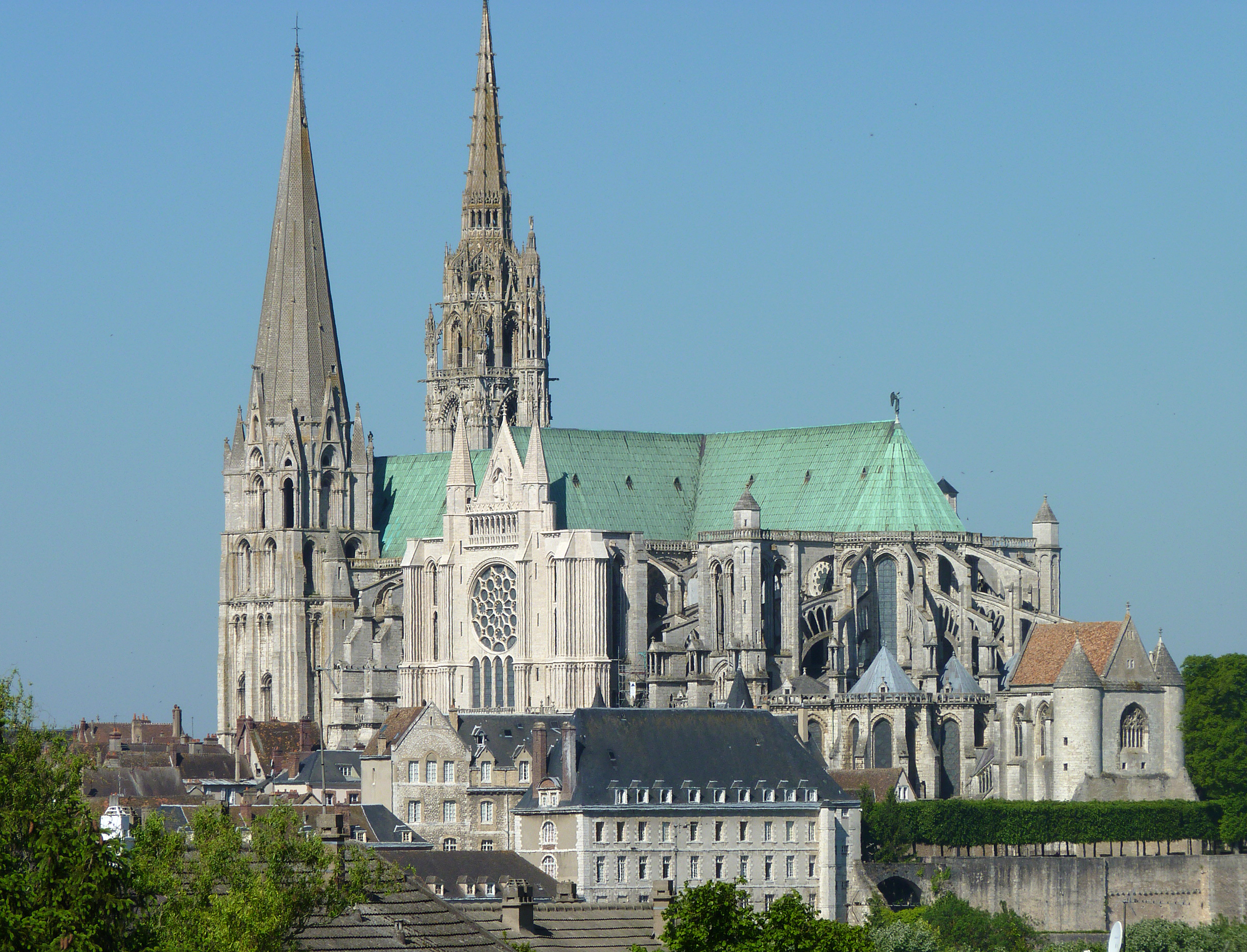
Notr-Dam de Pari zauzima singularnu poziciju u istoriji zapadne arhitekture, služeći i kao paradigmatski primer gotičkog stila i kao snažan simbol francuskog nacionalnog identiteta. Njegov uticaj na kasniju gradnju katedrala bio je ogroman, sa njegovim strukturnim inovacijama — posebno rafinisanom upotrebom potpornih lukova i integracijom monumentalnih ružičastih prozora — usvojenim i razrađenim u Šartru, Remsu, Amijenu i Boveju. Katedrala je takođe odigrala temeljnu ulogu u gotičkom preporodu devetnaestog veka, uglavnom kroz objavljivanje romana „Notr-Dam de Pari” Viktora Igoa iz 1831, koji je privukao javnu pažnju na propadajuće stanje zdanja i mobilisao podršku za opsežnu restauratorsku kampanju koju je vodio Ežen-Emanuel Viole-le-Dik između 1844. i 1864. Viole-le-Dikove intervencije, uključujući dodavanje ikoničnog neogotičkog tornja, bile su same po sebi istorijski značajne, predstavljajući jedan od najranijih sistematskih pokušaja arhitektonske konzervacije i pokrenuvši debate o filozofiji restauracije koje nastavljaju da animiraju oblast očuvanja nasleđa.
Katastrofalni požar od 15. aprila 2019, koji je uništio srednjovekovnu drvenu krovnu konstrukciju i Viole-le-Dikov toranj, proizveo je neviđeno globalno izlivanje tuge i solidarnosti, naglašavajući status Notr-Dama kao kulturnog spomenika od univerzalnog značaja. Naknadna restauraciona kampanja, oslanjajući se na najsavremenije arheološke i inženjerske tehnike, postala je izvanredna laboratorija za proučavanje srednjovekovnih građevinskih metoda, donoseći nove uvide u istoriju gradnje katedrale kroz dendrohoronoloku analizu preživelih greda i detaljno digitalno mapiranje kamene fakture. Ponovno otvaranje katedrale u decembru 2024. predstavljalo je ne samo dovršetak fizičke rekonstrukcije već i potvrdu trajne sposobnosti zdanja da otelotvoruje kolektivno pamćenje, duhovnu aspiraciju i ustrajnost ljudske kreativne ambicije kroz vekove. Notr-Dam ostaje nezaobilazan studija slučaja u istoriji arhitekture, konzervaciji nasleđa i kulturnoj politici monumentalnih zdanja.