Istorijski kontekst
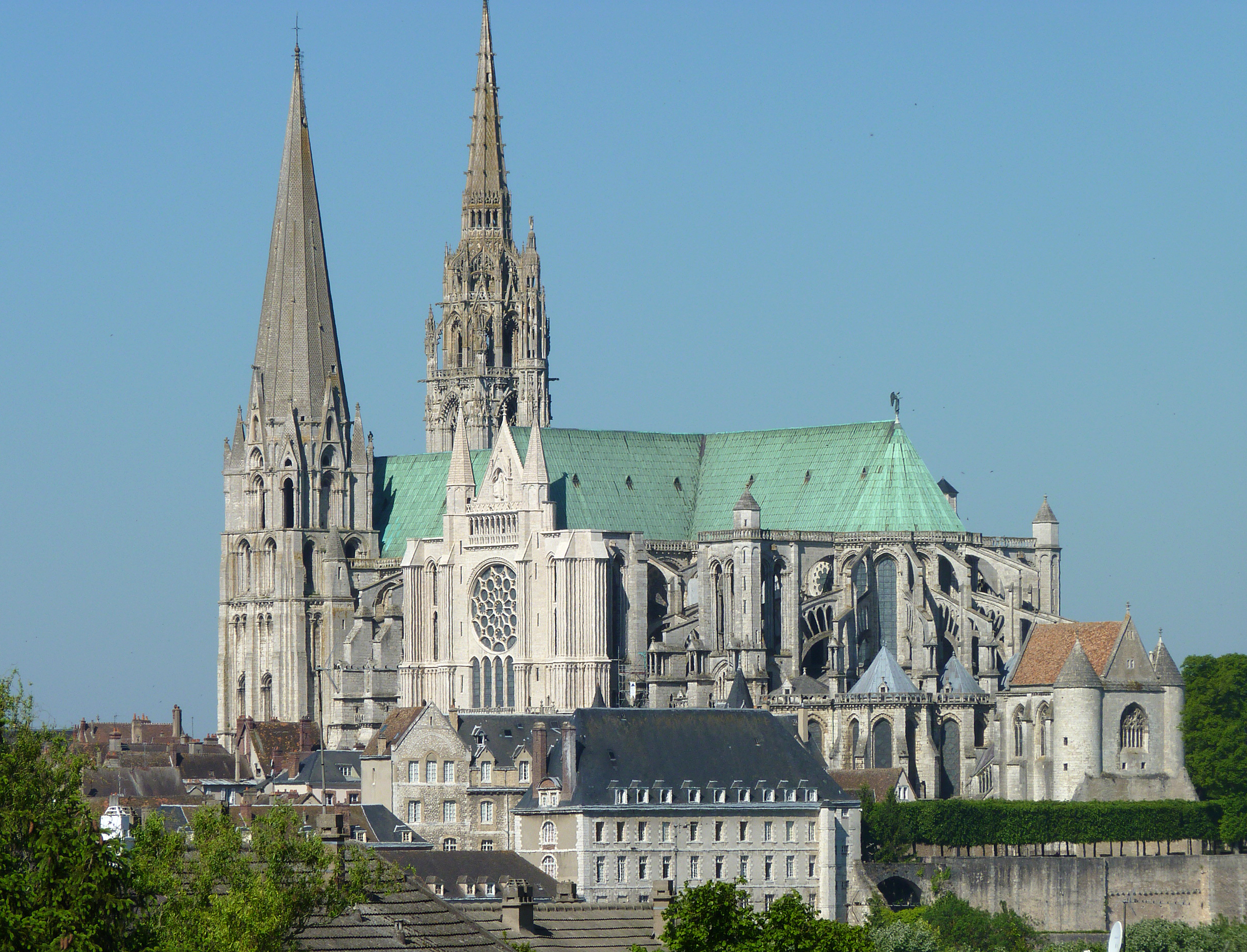
Katedrala u Šartru, posvećena Uspenju Bogorodice i označena kao UNESCO-vo mesto svetske baštine, predstavlja najkompletniji i najujednačeniji sačuvani primer visokogotičke arhitekture i ostaje jedna od najuticajnijih građevina u istoriji zapadne civilizacije. Sadašnja struktura podignuta je izuzetnom brzinom nakon katastrofalnog požara od 10. juna 1194. godine, koji je uništio većinu romaničke katedrale koja je stajala na tom mestu od sredine jedanaestog veka. Požar je poštedeo dva ključna elementa: zapadnu fasadu sa Kraljevskim portalom (oko 1145-1155), jednim od remek-dela ranogotičke skulpture, i — što je najznačajnije za građevinsku kampanju — Sancta Camisu, relikviju za koju se verovalo da je tunika koju je Bogorodica nosila na Blagovesti ili Božiću. Preživljavanje ove relikvije, pronađene netaknute u kripti tri dana nakon požara, protumačeno je kao božanski nalog za obnovu, i papski legat kardinal Melior iz Pize objavio je da će donacije za rekonstrukciju doneti indulgencije. Sredstva su pristizala od kraljevske kuće, lokalnog plemstva, trgovačkih esnafa i hodočasnika, omogućavajući građevinsku kampanju izuzetne brzine: glavna struktura bila je suštinski dovršena do 1220. godine, manje od tri decenije posle požara.
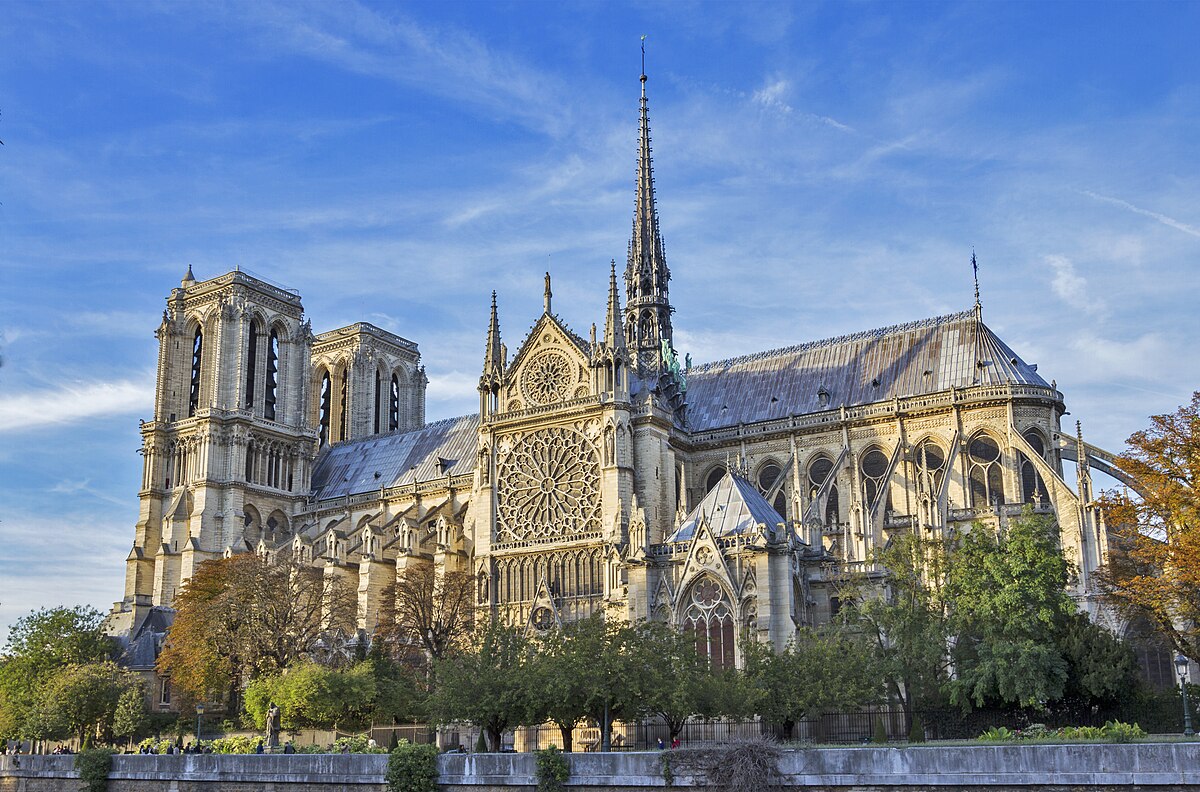
Arhitektonski projekat Šartra uveo je strukturalne i prostorne inovacije koje su definisale putanju visokogotičke arhitekture za naredni vek. Nepoznati glavni graditelj (ili graditelji — postoje dokazi o najmanje dva uzastopna arhitekta) razvio je troetažnu unutrašnju elevaciju koja je eliminisala tribinsku galeriju ranijih gotičkih crkava, zamenjujući četvoroetažnu shemu Notre-Dame de Paris (arkada, tribina, triforijum, kleristorij) jednostavnijim, monumentalnijim rasporedom visoke arkade, uskog triforijumskog prolaza i ogromnih kleristorijumskih prozora. Ova redukcija sa četiri na tri etaže omogućila je dramatično proširenje kleristorija, pri čemu je svako polje ispunjeno dvama visokim lancetastim prozorima sa rozetom iznad, preplavljujući unutrašnjost obojenom svetlošću. Strukturalni sistem koji je omogućio ove ogromne staklene zidove bili su potporni lukovi, primenjeni u Šartru sa zrelošću i samopouzdanjem koji su prevazilazili ranije, nesigurnije primene u Notre-Dame i Laonu. Dvoetažni potporni lukovi prenose bočni potisak rebrastih svodova preko bočnih brodova do masivnih spoljašnjih stubova, oslobađajući kleristorijumski zid od njegove noseće funkcije i omogućavajući mu da postane, u stvari, ekran od stakla.
Formalna analiza
Vitraži katedrale u Šartru čine najobimnije i najbolje očuvano celinu srednjovekovnog zastakljivanja u postojanju, obuhvatajući otprilike 176 prozora koji pokrivaju oko 2.600 kvadratnih metara površine. Većina datira iz prvobitne građevinske kampanje 1194-1220, mada tri lancetasta prozora zapadne fasade i velika zapadna rozeta preživljavaju iz ranije strukture dvanaestog veka. Prozori koriste tehniku lončanog stakla, u kojoj se metalni oksidi dodaju rastopljenom staklu da proizvedu duboko zasićene boje — kobalt za plavu, bakar za crvenu, mangan za ljubičastu — koje se zatim seku u male komade, oslikavaju staklenom emajlom (grizaj) za detalje poput lica i nabora draperije, i sklapaju olovnim okvirima u panele. Rezultujući efekat, posebno u brodu i horu, je efekat totalnog hromatskog potapanja: kameni zidovi povlače se u senku dok prozori plamte bojom, stvarajući atmosferu unutrašnjosti koju su srednjovekovni teolozi razumeli kao materijalni analog Nebeskog Jerusalima opisanog u Knjizi Otkrivenja.
Ikonografija i simbolika
Čuveno „šartrsko plavo” — duboko, svetleće, blago ljubičasto plavo koje preovladava u prozorima dvanaestog i trinaestog veka — bilo je predmet dugotrajne tehničke i estetske analize. Boja potiče od kobalt-oksida uvezenog, najverovatnije, iz Saksonije ili Češke, a njen prepoznatljivi kvalitet rezultat je specifičnog hemijskog sastava staklene mase, debljine stakala i interakcije propuštene i reflektovane svetlosti u unutrašnjosti katedrale. Prozori dvanaestog veka na zapadnoj fasadi prikazuju posebno intenzivno plavo koje se suptilno razlikuje od zastakljivanja trinaestog veka, moguće usled promena u sirovinama ili radioničkoj praksi. Opat Siže iz Sen-Denija, veliki teoretičar gotičke arhitekture, pisao je generaciju ranije o „anagoškoj” funkciji dragocenih materijala i obojene svetlosti — njihovoj sposobnosti da uzdižu um od materijalnog ka nematerijalnom, od zemaljskog ka božanskom. Šartr ostvaruje ovu teološku estetiku potpunije od bilo koje druge sačuvane građevine, a njeni prozori funkcionišu ne samo kao narativne ilustracije (mada jesu i to, prikazujući preko pet hiljada figura kroz biblijske, hagiografske i svetovne teme) već i kao instrumenti duhovne transformacije.
Skulpturalni program Šartra je među najobimnijim od svih gotičkih katedrala, sa preko deset hiljada isklesanih figura raspoređenih na tri portalna kompleksa (zapadno, severno i južno), unutrašnju horsku pregradu i razne arhitektonske elemente. Kraljevski portal zapadne fasade, sačuvan iz ranijeg prelaznog romaničko-gotičkog zdanja, prikazuje izduže stubove-figure starozavetnih kraljeva i kraljica čija frontalna krutost i linearno draperiranje odražavaju konvencije romaničke umetnosti, dok njihova individualizovana lica i dostojanstveno držanje anticipiraju humanizam gotičke skulpture. Severni i južni tranceptni tremovi, isklesani između otprilike 1205. i 1240. godine, predstavljaju dramatičan stilski napredak: figure stoje slobodno od svojih arhitektonskih oslonaca, njihova tela zauzimaju prirodne kontrapostne poze, lica izražavaju nijansiranu emociju, draperija pada u složene, naturalističke nabore. Teološki program je enciklopedijski po obimu — tri portala predstavljaju sveobuhvatan vizuelni pregled hrišćanske doktrine, istorije i eshatologije, od Stvaranja i Pada kroz živote svetitelja do Strašnog suda, organizovane prema sofisticiranoj tipološkoj shemi u kojoj starozavetni događaji prefiguriraju svoja novozavetna ispunjenja.
Lavirint ugrađen u pod broda, kružna staza od plavo-crnog kamena prečnika 12,89 metara, jedan je od najenigmatičnijih i najslavnijih obeležja katedrale. Za razliku od labirinta, šartrski lavirint nema ćorsokake ili lažne puteve — nudi jednu jedinu, vijugavu rutu od periferije do centra, putovanje od otprilike 261 metar koje se može preći za dvadeset do trideset minuta meditativnog hodanja. Funkcija lavirinta tumačena je na razne načine: kao simbolično hodočašće u Jerusalim za one koji nisu mogli preduzeti fizičko putovanje; kao pokajnička vežba izvedena na kolenima; kao uskršnji ritual u kome je dekan plesao duž njegove staze dok su kolege sveštenici pojali; ili kao kosmološki dijagram koji kodira geometrijsku i numerološku simboliku. Centralna rozeta, sada izglačana vekovima hodanja, nekada je sadržala ploču — verovatno sa prikazom Tezeja i Minotaura — koja je uklonjena 1792. godine. Precizan odnos lavirinta prema arhitekturi je vredan pažnje: njegov prečnik tačno odgovara prečniku zapadne rozete, a njegovo središte leži na istoj udaljenosti od zapadnih vrata kao što je rozeta iznad poda, uspostavljajući geometrijsku korespondenciju između horizontalne i vertikalne ravni građevine.
Recepcija i nasleđe
Uticaj katedrale u Šartru na kasniji razvoj gotičke arhitekture bio je neposredan i odlučujući. Troetažna elevacija, sistematska upotreba potpornih lukova i primat zastakljenog zida postali su standardni elementi visokogotičkog projektovanja, replicirani i usavršeni u Remsu (započet 1211), Amijenu (započet 1220) i Boveu (započet 1225). Pa ipak, Šartr takođe predstavlja trenutak ravnoteže — između strukturalne smelosti i vizuelne koherentnosti, između narativnog bogatstva i formalne jedinstvenosti, između zemaljske materijalnosti i duhovne aspiracije — koju su kasniji zdanja, u svojoj potrazi za sve većom visinom i lakoćom, gurale ka krajnostima (svod hora u Boveu, na 48 metara, delimično se srušio 1284. godine). Nedavno i kontroverzno čišćenje i restauracija unutrašnjosti, koja je uklonila vekove prljavštine i čađi od sveća otkrivajući prvobitne svetle krečnjačke površine, ponovo je rasplamsala debatu o tome kako je srednjovekovna unutrašnjost trebalo da se doživljava — da li je zgrada oduvek trebalo da bude svetla i sjajna, ili je akumulirana patina vremena doprinela sopstveni oblik duhovne atmosfere. Ono što ostaje van svake sumnje je status katedrale u Šartru kao jednog od vrhovnih dostignuća srednjovekovne civilizacije: totalno umetničko delo u kome se arhitektura, skulptura, staklo i liturgija ujedinjuju da stvore ono što je istoričar Henri Adams nazvao „najvećom energijom ikada poznatom čoveku.”