Istorijski kontekst
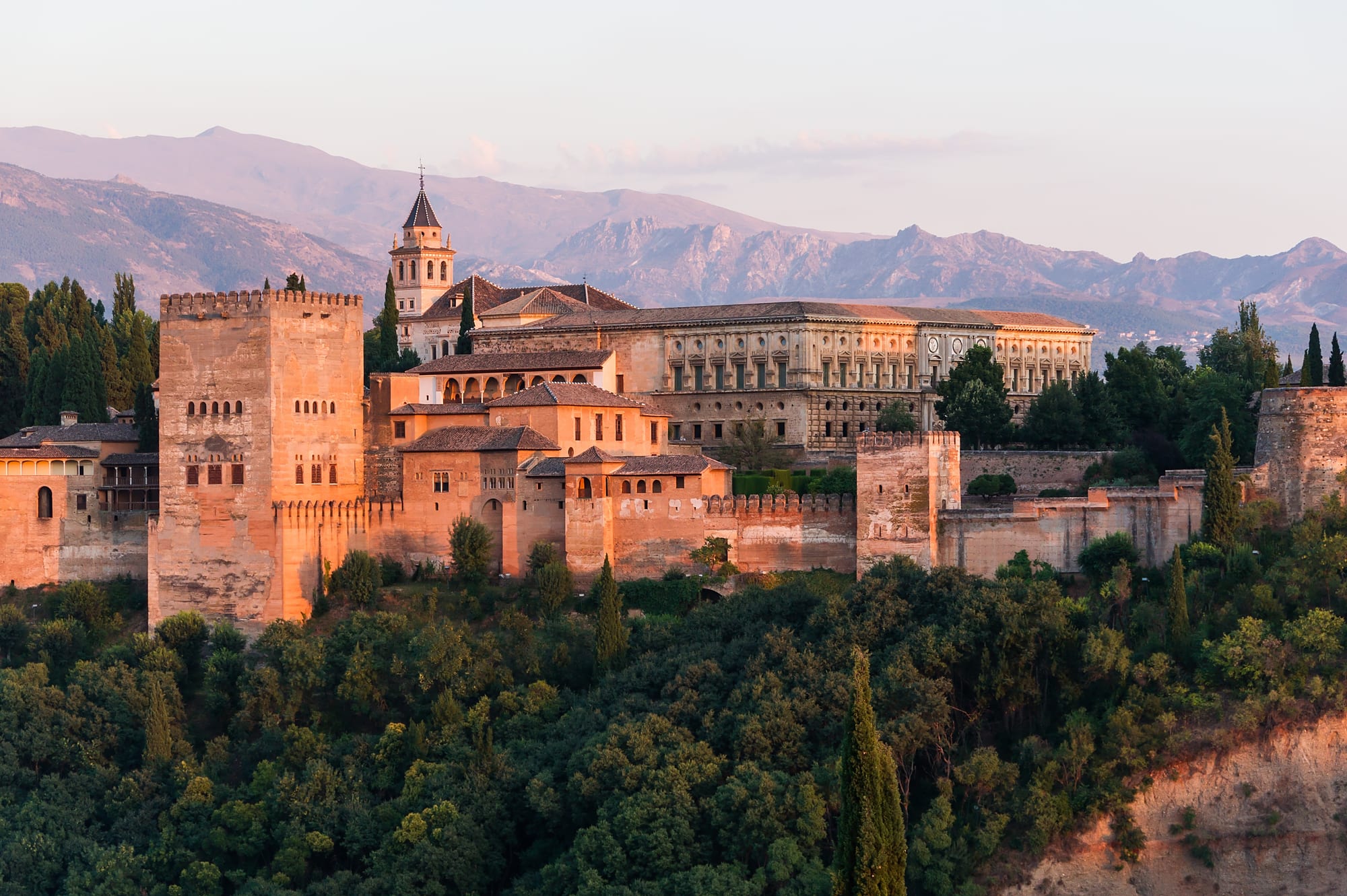
Alhambra u Granadi stoji kao najkompletniji i najveličanstveniji sačuvani palatijalni kompleks srednjovekovne islamske civilizacije na Zapadu, a unutar njenog slojevitog niza dvorišta, dvorana i vrtova, Dvorište lavova (Patio de los Leones) predstavlja vrhunsko dostignuće nasridske arhitektonske umetnosti. Izgrađeno za vreme vladavine sultana Muhameda V (vl. 1354-1359; 1362-1391), u drugom i plodnijem periodu njegove vladavine, Dvorište lavova služilo je kao centralni deo privatnog palatskog kompleksa, različitog od ranije Palate Komares, koja je funkcionisala kao prestoni i audijencijski kompleks. Dvorište meri približno 28,5 sa 15,7 metara i organizovano je oko centralne fontane koju nosi dvanaest rezbarenih mermernih lavova, iz koje se četiri kanala vode pružaju duž glavnih osa, deleći dvorište na četvorodelni plan vrta poznat u islamskoj tradiciji kao čahar bag. Ovaj četvorodelni vrt, utemeljen na drevnim persijskim uzorima i prožet kuranskim asocijacijama na rajske vrtove kroz koje teku reke, pretvara dvorište u simbolički mikrokosmos božanskog reda — zemaljski odjek nebeskog savršenstva iskazan u mermeru, vodi i svetlosti.
Dvanaest mermernih lavova koji nose centralni bazen fontane spadaju među najprepoznatljivija dela srednjovekovne islamske skulpture, a njihovo prisustvo je utoliko izuzetnije s obzirom na složen odnos između figuralne reprezentacije i islamske umetničke tradicije. Svaki lav je isklesan iz jednog bloka belog mermera, a njihove stilizirane forme karakterišu ravne površine, urezane grive i otvorena usta kroz koja je nekada tekla voda u okolni kanal. Lavovi su različito tumačeni: neki naučnici ih povezuju sa dvanaest izraelskih plemena pomenutih u andaluzijskoj jevrejskoj poeziji, posebno u delima Solomona ibn Gabirola, čiji stihovi iz jedanaestog veka opisuju fontanu koju nose lavovi u jednoj palati u Granadi, otvarajući mogućnost da nasridska fontana uključuje ili oponaša raniji prototip iz ziridskog perioda. Drugi tumače lavove kao simbole kraljevske moći, oslanjajući se na široko rasprostranjenu povezanost lava i suvereniteta u mediteranskim i bliskoistočnim kulturama. Sam bazen fontane nosi slavnu pesmu dvorskog pesnika Ibn Zamraka (1333-1393), urezanu oko njenog oboda, koja metaforično opisuje vodu kao srebro koje teče među draguljima, hvaleći sultanovu darežljivost i upoređujući fontanu sa izvorom blagoslova.
Formalna analiza
Arhitektonski okvir dvorišta definisan je arkadom od 124 vitka mermerna stuba raspoređena u složene grupacije — pojedinačni stubovi, parovi i klasteri od tri — koji stvaraju ritam punog i praznog, svetlosti i senke, izuzetne suptilnosti. Stubovi nose lukove koji nisu strukturno nosivi u konvencionalnom smislu, već su isklesani od stuka u raskošno talasastim i mukarnasima ukrašenim profilima, stvarajući efekat paravana koji briše granicu između unutrašnjeg i spoljašnjeg prostora. Mukarnas — stalaktitima slične formacije ugneždenih, konkavnih ćelija koje se spuštaju sa svodnih površina — dostižu svoj najspektakularniji izraz u dve paviljonske strukture koje se pružaju u dvorište sa njegovih kraćih strana. Mukarnasna kupola Sale de los Abenserrajes, kvadratne dvorane koja se otvara sa južne strane dvorišta, sadrži preko pet hiljada pojedinačnih ćelija raspoređenih u obrazac osmostrake zvezde koja se naizgled rotira dok se posmatrač kreće ispod nje, proizvodeći efekat beskonačne prostorne složenosti koji je opisan kao arhitektonski ekvivalent kaleidoskopa.
Dekorativni program Dvorišta lavova predstavlja primer islamskog estetskog principa koji se ponekad karakteriše kao horror vacui — popunjavanje svake dostupne površine ornamentom — iako ovaj termin, pozajmljen iz zapadne umetničke kritike, nedovoljno obuhvata teološke i filozofske motivacije koje stoje iza ovakvog pristupa. Tri međusobno isprepletena sistema dekoracije istovremeno funkcionišu na zidovima i lukovima: geometrijski obrasci zasnovani na složenim teselacijama poligona; biljni arabeski u kojima se stilizovano lišće, palmete i vijugavi motivi razmnožavaju u beskonačnim granajućim ritmovima; i kaligrafski natpisi u uglovitom kufičkom i kurzivnom nashi pismu. Geometrijski obrasci, nastali podelom krugova na pravilne poligone korišćenjem šestara i lenjira, dostižu matematičku sofisticiranost koja je privukla pažnju modernih kristalografa — za obrasce pločica u Alhambri pokazano je da sadrže primere trinaest od sedamnaest mogućih grupa simetrije tapeta, podvig intuitivnog matematičkog istraživanja vekovima ispred formalne klasifikacije. Arabeskni ornament, s druge strane, otelotvoruje drugačiju vrstu beskonačnosti: njegove vitice se granaju, račvaju i regenerišu bez kraja, sugerirajući organski rast oslobođen ograničenja biološke konačnosti.
Ikonografija i simbolika
Voda ne funkcioniše samo kao dekorativni dodatak u Dvorištu lavova, već kao fundamentalni arhitektonski element, integralan za prostorno iskustvo i simboličko značenje ansambla. Četiri kanala koja se šire od centralne fontane dele dvorište duž njegovih osa i nastavljaju u okolne dvorane, gde se pojavljuju kao unutrašnje fontane i bazeni, povezujući unutrašnje i spoljašnje prostore kroz kontinuiranu hidrauličnu mrežu. Voda se napaja sofisticiranim gravitacionim sistemom koji koristi Acequia Real, kanal koji usmerava otopljeni sneg sa Sierra Nevade do grebena Alhambre, demonstrirajući napredno hidraulično inženjerstvo po kome je andaluzijska civilizacija bila slavna. Zvuk tekuće vode — njeno žuborenje u kanalima, njeno pljuskanje u bazenima — stvara akustično okruženje koje dopunjava i ublažava vizuelni sjaj, uvodeći element senzornog iskustva koji se ne može uhvatiti fotografijama ili arhitektonskim planovima. U sušnoj klimi južne Španije, ovo izobilje vode nosilo je snažne asocijacije luksuza, plodnosti i božanske darežljivosti, pojačavajući rajsku simboliku vrtnog dvorišta.
Kaligrafski natpisi koji krase praktično svaku površinu Dvorišta lavova čine tekstualni program značajne literarne i političke sofisticiranosti. Tri kategorije teksta su korišćene: kuranski stihovi, odabrani za svoju relevantnost temama božanskog suvereniteta, stvaranja i raja; pesme posebno napisane za arhitektonsko okruženje od strane dvorskih pesnika, pre svih Ibn Zamraka, čiji su stihovi urezani na zidove za vreme Muhamedovog V života; i ponavljajući prizivi, naročito nasridski dinastički moto „wa la ghaliba illa Allah” (nema pobednika osim Boga), koji se pojavljuje stotinama puta širom Alhambre. Pesme Ibn Zamraka, urezane u stuku elegantnim kurzivnim pismom, funkcionišu kao ekfrastički komentar same arhitekture, opisujući igru svetlosti i vode, hvaleći sultanovu veličanstvenost i usmeravajući posmatračevu interpretaciju prostora. Sala de Dos Hermanas, koja se otvara sa severne strane dvorišta, nosi čitavu kasidu (odu) Ibn Zamraka koja opisuje mukarnasni svod iznad kao nebesku kupolu koja se okreće oko svoje ose, čija sazvežđa kruže oko sultana kao oko Polarne zvezde — koncept koji briše razliku između arhitektonskog ornamenta i kosmičkog reda.
Recepcija i nasleđe
Pad Granade pod vlast katoličkih monarha Ferdinanda i Izabele 2. januara 1492. godine okončao je nasridsku dinastiju i pretvorio Alhambru iz funkcionalnog islamskog dvorca u hrišćansku kraljevsku rezidenciju i, na kraju, u spomenik i turističku destinaciju. Uslovi predaje prvobitno su garantovali očuvanje islamskih kulturnih i verskih praksi, ali su ove odredbe postepeno napuštene, i palata je modifikovana da služi svojim novim stanovnicima — Karlo V je slavno umetnuo masivnu renesansnu palatu u kompleks 1527. godine, rušeći deo starijeg tkiva. Naredni vekovi doneli su periode zanemarivanja, vojnu okupaciju tokom Napoleonovih ratova i romantičarsko ponovno otkrivanje od strane putnika devetnaestog veka, uključujući Vašingtona Irvinga, čije su Priče iz Alhambre (1832) mnogo doprinele uspostavljanju palate u zapadnoj imaginaciji kao mesta egzotične čarolije. Moderna konzervacija, koja traje od kraja devetnaestog veka, obnovila je veći deo dekorativnog tkiva, mada debate nastavljaju oko prikladnosti intervencija, originalne polikromne obojenosti rezbarenog stuka i stepena u kome sadašnje stanje Dvorišta lavova odražava njegov izgled iz četrnaestog veka.
Dvorište lavova ostaje jedan od vrhunskih spomenika svetske arhitekture, prostor u kome se inženjerstvo, matematika, poezija i duhovna težnja susreću u okruženju izuzetnog senzornog bogatstva. Njegov uticaj se prostirao daleko izvan granica al-Andalusa: mudeharski majstori — muslimanski zanatlije koji su radili pod hrišćanskim pokroviteljstvom — preneli su nasridske dekorativne tehnike u crkve, sinagoge i palate Kastilje i Aragona, stvarajući hibridnu arhitektonsku tradiciju koja je opstala vekovima nakon pada Granade. Dvorište lavova dovodi u pitanje svaki umetničko-istorijski narativ koji povlači rigidne granice između „zapadnih” i „istočnih” tradicija, demonstrirajući da je srednjovekovna Iberija bila zona kulturne razmene u kojoj su islamske, hrišćanske i jevrejske umetničke tradicije interagovale na složene i produktivne načine. Kao istorijski dokument i živo estetsko iskustvo, nastavlja da inspiriše arhitekte, matematičare i umetnike, a njegovi obrasci i proporcije nude neiscrpan materijal za proučavanje i kontemplaciju.