Istorijski kontekst
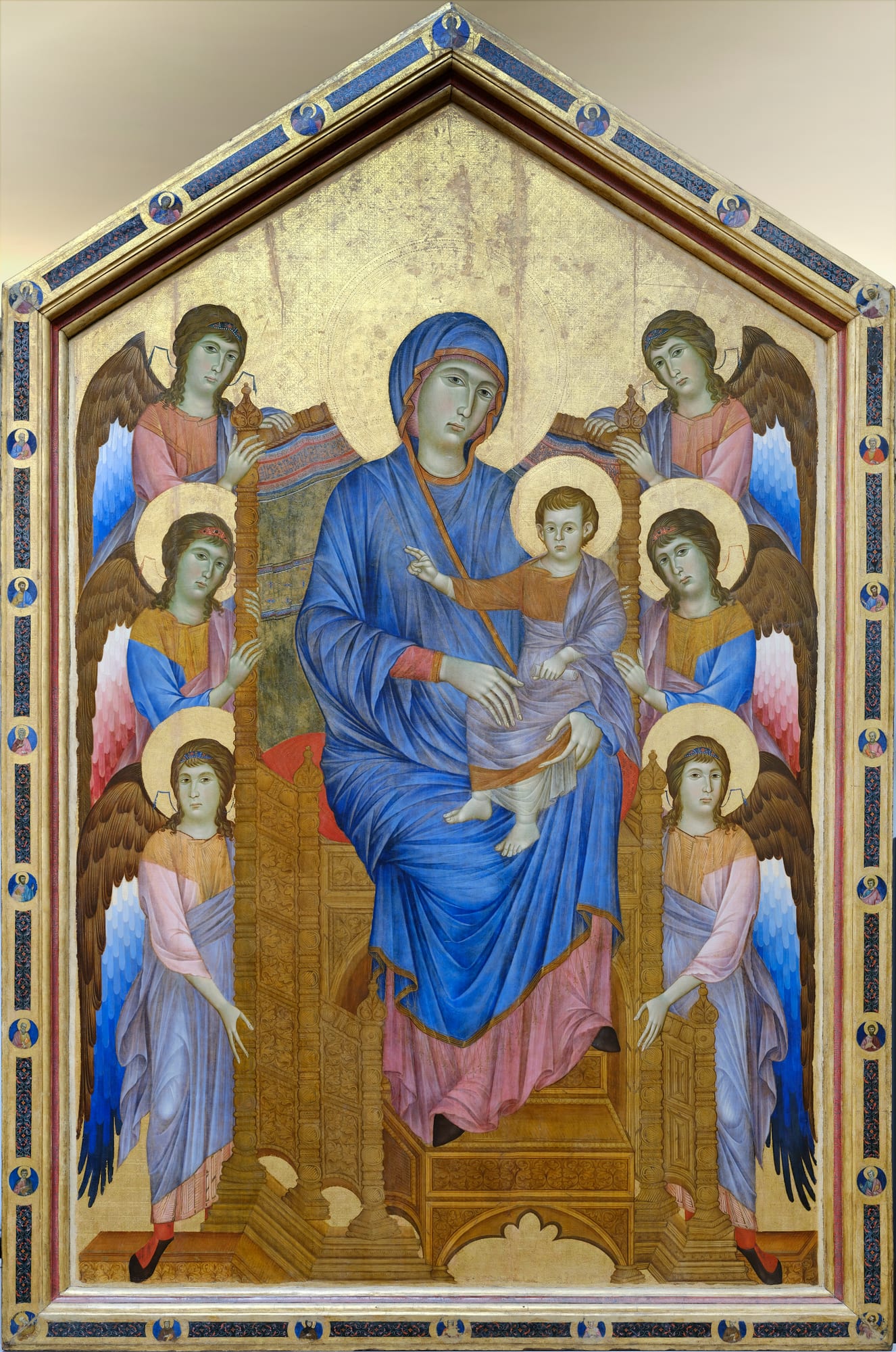
Madona Santa Trinita, formalno poznata kao Maestà ili Bogorodica na tronu sa anđelima i prorocima, monumentalna je oltarska slika koju je naslikao Čeni di Pepo, zvani Čimabue (oko 1240-1302), za glavni oltar crkve Santa Trinita u Firenci. Impozantnih dimenzija od 385 puta 223 centimetra, tabla prikazuje Bogorodicu kako sedi na razrađenom drvenom tronu, držeći Hrista dete u krilu, sa osam anđela raspoređenih simetrično u četiri reda, dok su četiri proroka — Jeremija, Avram, David i Isaija — vidljivi u lučnim nišama ispod trona. Slika je izvedena u temperi na jajetu na blistavoj zlatnoj pozadini na drvenoj tabli pripremljenoj sa više slojeva gesa, prateći tehničke postupke kodifikovane u vizantijskoj radioničkoj tradiciji, a kasnije detaljno opisane od strane Čenina Čeninija u njegovom Libro dell’Arte (oko 1390). Sada smeštena u Galeriji Ufici, gde je izložena u namernoj blizini uporedivih Maestà tabli Dučija di Buoninsenje i Đota di Bondonea, Madona Santa Trinita zauzima poziciju centralnog značaja u svakom narativu o nastanku zapadnog slikarstva iz njegovih vizantijskih temelja.
Zlatna pozadina koja obavija Madonu Santa Trinita povezuje sliku sa tradicijom koja seže vekovima unazad u vizantijsko ikonopisanje, gde je zlatno polje označavalo ne fizički prostor, već bezvremenu, nematerijalnu svetlost božanskog carstva. Čimabueova zlatna pozadina pripremljena je prema preciznim postupcima: površina gesa prvo je uglačana do savršene glatkoće, zatim premazana jermenskim bolom — crvenkastom glinom koja je obezbeđivala i prianjanje i topao podton — pre nego što su listovi zlatnog lista, iskovanog do izuzetne tankoće, naneseni i uglačani do ogledalne završne obrade. Oreoli Bogorodice, Deteta i anđela dodatno su ukrašeni urezanim i utisnutim dekorativnim obrascima, tehnika poznata kao sgrafito i pastilija, koja je stvarala teksturirane površine sposobne da hvataju i rasipaju ambijentalnu svetlost. U tamnoj, svetlošću sveća osvetljenoj unutrašnjosti Santa Trinite, ove pozlaćene površine svetlucale bi luminoznošću koja je pojačavala funkciju slike kao prozora u sveto — ne predstavljanje fizičke scene, već manifestacija božanskog prisustva ostvarenog vidljivim kroz medijum dragocenih materijala i posvećene slike.
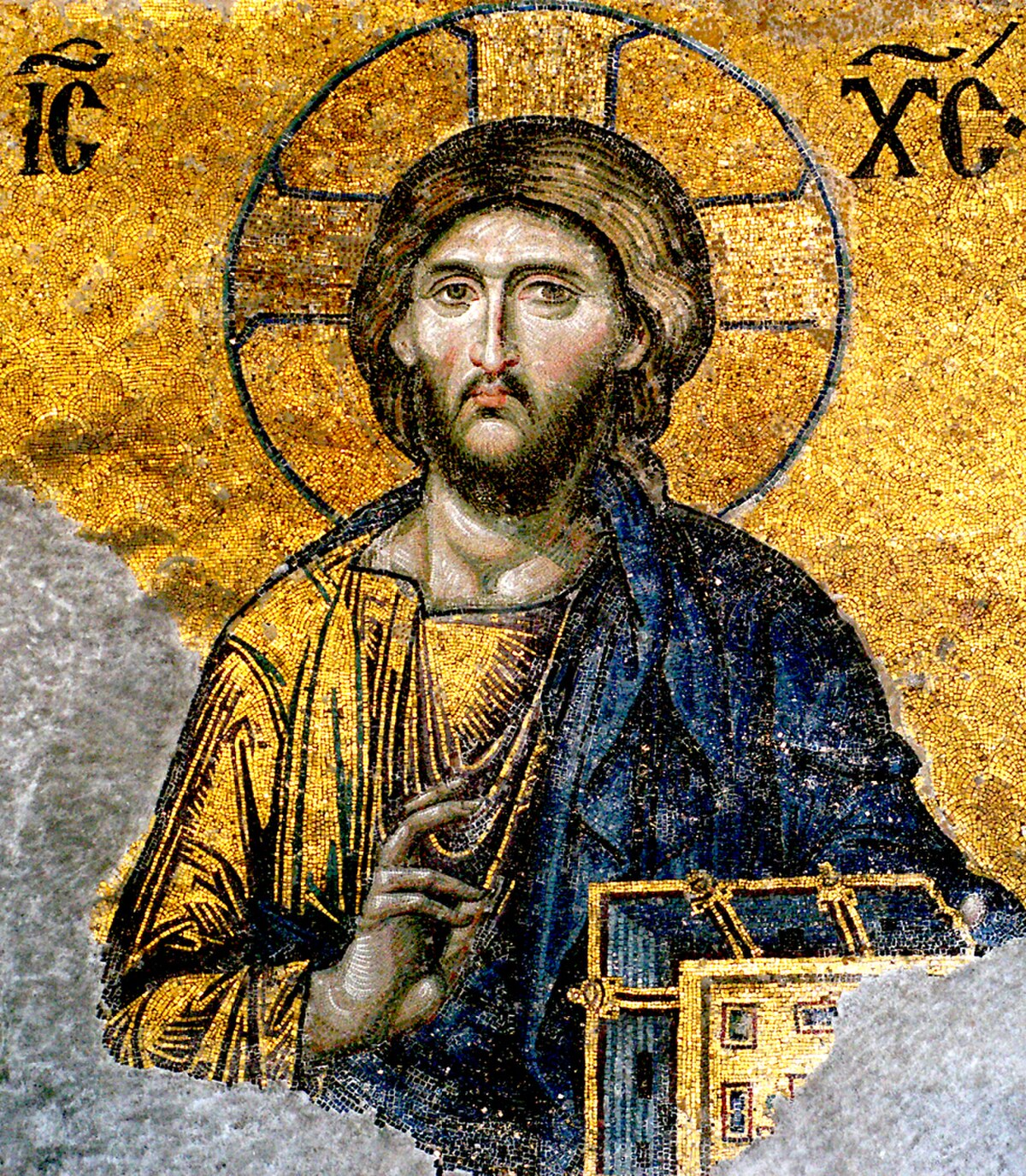
Ono što razlikuje Čimabueovu Maestà od njenih vizantijskih prethodnika, i što je slikaru donelo tradicionalnu oznaku inauguratora nove epohe u zapadnoj umetnosti, jesu suptilne ali značajne inovacije u modelovanju forme i nagoveštaju trodimenzionalnog prostora. Lice Bogorodice, mada još uvek uglavnom rukovođeno vizantijskom formulom tipa Odigitriija — izduženni nos, bademaste oči, mala usta i nagnuta glava — pokazuje omekšavanje oštrog linearnog šematizma karakterističnog za manieru greku koja je dominirala italijanskim panelskim slikarstvom tokom Dučenta. Prelaz od svetlosti ka senci na obrazu i vratu Bogorodice ostvaren je graduiranim tonskim modelovanjem umesto oštrih, apstraktnih linija vizantijske konvencije, proizvodeći lice koje, mada još uvek idealizovano i hijeratsko, počinje da sugeriše prisustvo mesa ispod površine. Slično, draperija tamno plavog maforiona (vela) Bogorodice pada u naborima koji, mada stilizovani, reaguju na osnovnu geometriju sedeće figure, nagoveštavajući masu i zapreminu koje će Đoto naslikati sa revolucionarnim ubeđenjem u sledećoj generaciji.
Formalna analiza
Tron na kome Bogorodica sedi predstavlja jedan od umetnoistorijski najznačajnijih elemenata slike. Za razliku od ravnih, shematskih tronova vizantijskog ikonopisanja, Čimabueov tron prikazan je sa stepenom prostornog povlačenja koji, mada nedosledan po standardima kasnijie linearne perspektive, otkriva svest o dubini i trodimenzionalnosti koja je bila inovativna za svoje vreme. Arhitektonska struktura trona — sa gotičkim šiljatim lukovima, tokiranim stubovima i povlačećim bočnim panelima — stvara prostornu ovojnicu oko Bogorodice koja sugeriše da ona zauzima definisan, mada donekle dvosmislen, fizički prostor, umesto da lebdi nad ravnom zlatnom pozadinom. Četiri proroka vidljiva u lučnim otvorima ispod trona pojačavaju ovo prostorno čitanje, njihov raspored implicira strukturu sa dubinom i unutrašnjom zapreminom. Ovo nesigurno bavljenje prostornim iluzionizmom, koliko god delimično, predstavlja odlučujući korak od čisto dvodimenzionalne slikovne logike vizantijske tradicije ka prostornoj racionalnosti koja će postati definišuća ambicija italijanskog renesansnog slikarstva.
Takozvani „Čimabueov problem” zaokupljao je istoričare umetnosti od temeljnih studija kasnog devetnaestog i ranog dvadesetog veka. Problem proizlazi iz krajnje oskudice dokumentovanih dela sigurno pripisanih Čimabueu, u kombinaciji sa ogromnom reputacijom koju je stekao kroz Đorđa Vazarija Živote najizvrsnijih slikara, vajara i arhitekata (1550; revidirano 1568), koji je Čimabuea predstavio kao oca italijanskog slikarstva, prvog umetnika koji se oslobodio „grube manire Grka” i postavio umetnost na put ka Đotu i renesansi. Vazarijev prikaz, napisan više od dva veka posle Čimabueove smrti, uglavnom je anegdotski i oblikovan teleološkim narativom u kome istorija umetnosti neizbežno napreduje od vizantijske krutosti, kroz Čimabueove nesigurne reforme, do Đotovog revolucionarnog naturalizma i konačno Mikelanđelovog savršenstva. Moderna nauka je znatno zakomplikovala ovaj narativ, prepoznajući da je prelaz od vizantijskog ka protorenesansnom slikarstvu bio postepen, višestruk proces koji je uključivao brojne umetnike u više italijanskih centara — Rim, Sijenu i Asizi kao i Firencu — a ne dostignuće jednog herojskog pojedinca.
Recepcija i nasleđe
Tehnički postupak izrade monumentalne panelske slike poput Madone Santa Trinita bio je naporan i zahtevao je vladanje višestrukim specijalizovanim zanatima. Drveni nosač, obično konstruisan od dasaka sezoniranog topola, sklapao je stolar i pojačavao ga poprečnim letvama i, kod većih panela, složenim sistemom letvica i ukrućenja. Površina panela je zatim prekrivana lanenim platnom (da premosti spojeve i čvorove) i premazivana višestrukim slojevima gesa — mešavine kalcijum-sulfata (gipsa) i tutkala od životinjske kože — koji su strugani i brušeni do savršeno glatke, bele slikarske površine. Dizajn je prenošen na geso kombinacijom urezanih linija (za arhitektonske elemente i nabore draperije) i slobodnoručnog crtanja ugljenom ili sinopijom. Pozlaćivanje je prethodilo slikanju: zlatna pozadina, oreoli i sve zone zlatne dekoracije dovršeni su i uglačani pre nanošenja pigmenata, jer bi proces glačanja mogao oštetiti oslikane površine. Tempera — pigmenti mljeveni u žumancetu — zatim je nanošena u tankim, prozirnim slojevima, izgrađujući formu kroz sistematski niz podslikavanja, tonskog modelovanja i završnih svetlih akcenata, proces poznat kao verdačo (za inkarnate, koji su počinjali sa zelenkastosivim podslikavanjem) koji je zahtevao strpljenje, preciznost i intimno poznavanje ponašanja svakog pigmenta u medijumu jajeta.
Poređenje Čimabueove Madone Santa Trinita sa druge dve velike Maestà table izložene uz nju u Uficiju — Dučijevom Madona Ručelaj (1285) i Đotovom Madona Onjisanti (oko 1306-1310) — pruža jednu od najpoučnijih demonstracija stilske evolucije u čitavoj istoriji umetnosti. Dučijeva tabla, naslikana za firentinsku bratovštinu Laudezi u Santa Marija Noveli, deli Čimabueovu zlatnu pozadinu i opšti kompozicioni format, ali uvodi lirskiju, vijugaviju liniju i veću eleganciju dekorativnog detalja, odražavajući naglasak sijenske tradicije na lepotu površine i hromatsku profinjnost. Đotova tabla, naprotiv, odlučno raskida sa vizantijskom paradigmom: Bogorodica sedi na čvrsto trodimenzionalnom tronu prikazanom u doslednom prostornom povlačenju, njeno telo poseduje uverljivu masu i težinu, anđeli su raspoređeni u dubini umesto simetrično složeni, a ukupni efekat je monumentalno fizičko prisustvo koje zauzima stvarni prostor. Posmatrajući ove tri slike u nizu, kako instalacija Uficija podstiče, posetilac prisustvuje revoluciji komprimovanoj u tri decenije — nastanku slikovne logike zasnovane na telesnoj težini, prostornoj dubini i naturalističkom posmatranju iz tradicije zasnovane na površinskom obrascu, simboličkoj boji i transcendentnoj nematerijalnosti.
Čimabueova Madona Santa Trinita, uprkos svom rezidualnom vizantizmu, zauzima poziciju nesvodivog umetnoistorrijskog značaja kao delo koje otelotvoruje trenutak prelaza između dve suštinski različite koncepcije onoga što slika jeste i čemu služi. Zlatna pozadina proglašava božansko carstvo; modelovana draperija i nesigurna prostorna konstrukcija ukazuju na zemaljsko. Lice Bogorodice zadržava idealizaciju ikone nalik maski; anđeli koji je okružuju počinju da registruju diferencirane izraze i fizičko prisustvo. Ova dualnost nije nedostatak, već definišuća karakteristika slike, vizuelni trag kulture u procesu preispitivanja svog odnosa prema vidljivom svetu. Bez obzira na to da li je Vazari bio u pravu kada je krunisao Čimabuea kao začetnika ove transformacije, Madona Santa Trinita ostaje neizostavni spomenik u istoriji zapadne umetnosti — šarka na kojoj se okreću vrata između srednjovekovnog i renesansnog slikarstva.