Istorijski kontekst
Aja Sofija — Crkva Svete Mudrosti — stoji kao vrhovni arhitektonski podvig Vizantijskog carstva i jedna od najznačajnijih građevina u istoriji svetske arhitekture. Naručena od strane cara Justinijana I u aftermatu katastrofalnih Nika pobuna 532. godine n.e., koje su uništile prethodnu baziliku iz četvrtog veka na tom mestu, nova crkva je zamišljena kao izjava carske moći, teološke ambicije i inženjerske smelosti bez presedana. Justinijan je poverio projekat ne praktičnom arhitekti, već dvojici matematičara i naučnika: Isidoru iz Mileta, profesoru geometrije, i Antemiju iz Trala, specijalisti za optiku i mehaniku. Ovaj neobičan izbor odražavao je fundamentalno eksperimentalni karakter građevine — bila je, u suštini, teorijska propozicija pretvorena u materijal, pokušaj da se razreši strukturalni izazov postavljanja kružne kupole na kvadratnu osnovu u razmeri koja nikada ranije nije pokušana. Rezultat, završen u zapanjujućem roku od pet godina i deset meseci, podstakao je Justinijanovu legendarnu (mada možda apokrifnu) izjavu pri ulasku u završenu građevinu: „Solomone, nadiđoh te.”
Formalna analiza
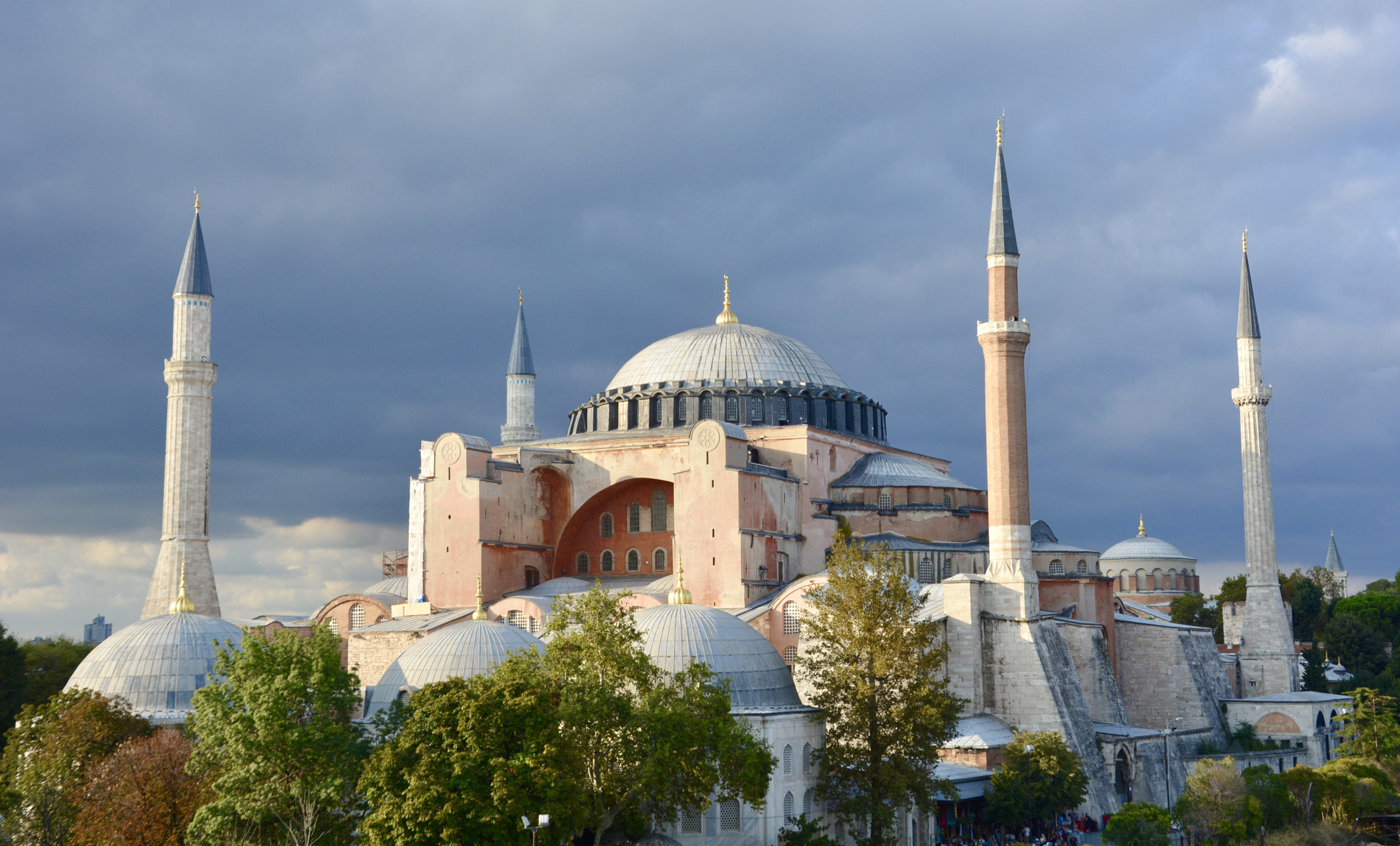
Strukturalna inovacija koja je učinila Aja Sofiju mogućom jeste pandantif — konkavni trougaoni segment zidarine koji ostvaruje prelaz sa kvadratne osnove na kružnu kupolu. Dok je konstrukcija na pandantifima bila korišćena u ranijim rimskim i ranovizantijskim građevinama u skromnoj razmeri, Isidor i Antemije su je primenili u neviđenim dimenzijama, stvarajući četiri masivna pandantifa koji se uzdižu iz uglova centralnog kvadrata (približno 31 metar sa svake strane) da podrže kupolu prečnika 31,24 metra, čiji vrh se uzdiže 55,6 metara iznad poda. Kupola nije prava polulopta, već blago spljoštena forma čiji profil se približava segmentnom luku, koji smanjuje bočni potisak dok maksimizira unutrašnju visinu. Dve polukupole jednakog prečnika na istočnoj i zapadnoj osi proširuju centralni prostor longitudinalno, svaka se zauzvrat otvarajući u manje polukupole i niše, stvarajući kaskadnu prostornu sekvencu koja se doživljava kao progresivno otkrivanje međusobno povezanih volumena. Ovaj ingeniozni sistem kontra-potisaka i graduiranih oslonaca kanališe ogromnu težinu kupole nadole i napolje kroz polukupole, pandantife i masivne stubove do temelja, eliminirajući potrebu za kontinuiranim bubnjem koji karakteriše kasnije kupolne strukture.
Ikonografija i simbolika
Unutrašnjost Aja Sofije postiže efekat koji je istoričar iz šestog veka Prokopije opisao da se čini „kao da ne počiva na čvrstom zidanju, već pokriva prostor zlatnom kupolom obešenom sa nebesa”. Ovaj utisak lebdeće kupole proizveden je vencem od četrdeset lučnih prozora na osnovi kupole, koji preplavljuju unutrašnjost svetlošću i vizuelno rastvaraju strukturalnu vezu između kupole i oslonaca. Tanki mermerni stubići između prozora jedva su vidljivi iz broda dole, stvarajući iluziju da kupola lebdi na neprekidnoj traci sjaja. Ova teatralna manipulacija svetlošću centralna je za teološki program građevine: u vizantijskoj misli, svetlost nije bila samo simbol božanskog, već direktna manifestacija Božjeg prisustva, a unutrašnjost Aja Sofije bila je dizajnirana da funkcioniše kao zemaljski analog nebeskog carstva. Zidovi, originalno obloženi ogromnim prostranstvima zlatnog mozaika, pojačavali bi i reflektovali dolaznu svetlost, pretvarajući unutrašnjost u treperav, nematerijalan polje luminoznosti koji rastvara granice između fizičke strukture i svete vizije.
Materijalno bogatstvo unutrašnjosti pojačavalo je ovaj transcendentni efekat. Zidovi broda i galerija obloženi su pločama prokonesijskog mermera, sečenim u zrcalne parove da bi stvorili simetrične venaste uzorke koje su vizantijski posmatrači čitali kao simboličke slike — rajske reke, anđeoska krila, mistične pejzaže. Stubovi od porfira (navodno uzeti iz Hrama Artemide u Efesu), verde antiko i tesalijskog mermera podržavaju galerijske arkade, njihovi kapiteli isklesani u prepoznatljivom vizantijskom stilu — duboko potkopani, čipkasti uzorci akantusa i palme koji napuštaju plastičnu čvrstinu klasičnih redova u korist površine koja hvata i razbija svetlost. Liturgijski nameštaj, sada uglavnom izgubljen, uključivao je ikonostas obložen srebrom, draguljima ukrašen oltar i masivne kandelabere, sve doprinoseći atmosferi senzornog zasićenja namenjenog da prenese vernika izvan materijalnog sveta. Ruska Primarna hronika beleži da su izaslanici kneza Vladimira Kijevskog, posetivši Konstantinopolj 987. godine, izvestili o Aja Sofiji: „Nismo znali da li smo na nebu ili na zemlji, jer na zemlji nema takvog sjaja.”
Strukturalna istorija građevine obeležena je krizama i prilagođavanjima. Originalna kupola, plića i smelija od sadašnje, srušila se tokom zemljotresa 558. godine — samo dvadeset godina nakon završetka — katastrofa koja je otkrila granice eksperimentalnog pristupa Antemija i Isidora. Isidor Mlađi, nećak originalnog arhitekte, obnovio je kupolu na strmem profilu, podigavši vrh za približno 6,25 metara i dodavši kontraforne rebra, čime je povećao strukturalnu stabilnost kupole po cenu dela njene originalne vizuelne smelosti. Dalja delimična rušenja desila su se 989. i 1346. godine, svako praćeno popravkama koje su postepeno menjale formu građevine. Četiri masivna kontrafora na severnoj i južnoj fasadi dodati su u fazama, njihov volumen transformišući spoljni profil, ali obezbeđujući opstanak građevine kroz seizmičku aktivnost koja je srušila manje strukture.
Recepcija i nasleđe
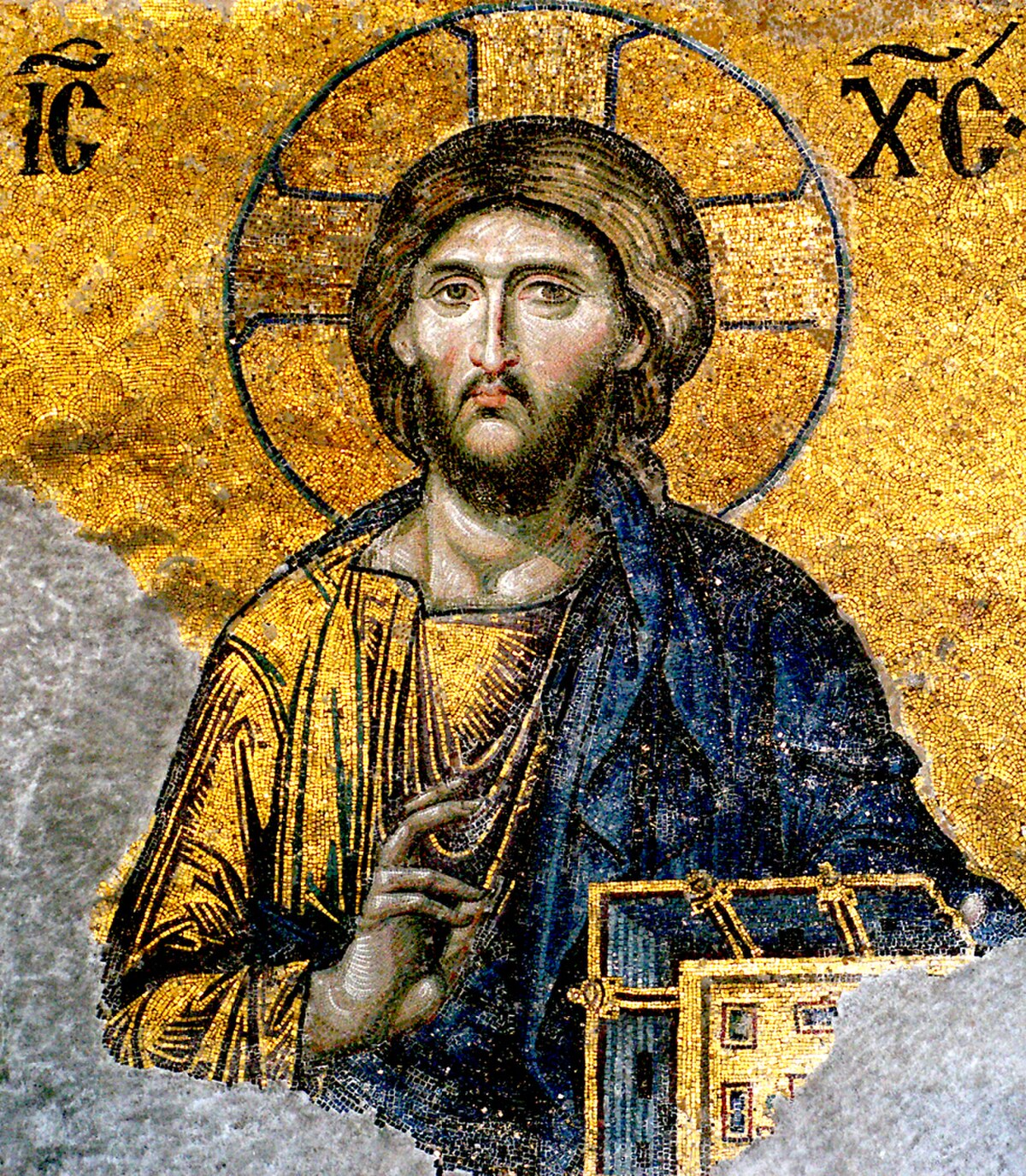
Pretvaranje Aja Sofije u džamiju nakon osmanskog osvajanja Konstantinopolja 1453. godine otvorilo je novo poglavlje u istoriji građevine. Sultan Mehmed II, zadivljen građevinom, naredio je njeno neposredno pretvaranje, dodajući mihrab (molitvenu nišu orijentisanu ka Meki), mimbar (propovednicu) i postepeno četiri minareta. Islamski kaligrafski medaljoni sa imenima Alaha, Muhameda i ranih halifa obešeni su u brodu, a figurativni mozaici — uključujući veliki panel Deisis sa Hristom flankirani Bogorodicom i Jovanom Krstiteljem — prekrečeni su, čuvajući ih nenamerno za buduće generacije. Uticaj građevine na osmansku arhitekturu džamija bio je neposredan i trajan: veliki arhitekta Mimar Sinan proveo je karijeru pokušavajući da rivalizuje i nadmaši Aja Sofiju, najistaknutije u Sulejmaniji (1550-1557) i Selimiji u Edirni (1568-1574), za koju je smatrao da je njegov odgovor na Justinijanovo dostignuće. 1934. godine, Mustafa Kemal Ataturk je sekularizovao građevinu kao muzej; 2020. turska vlada je ponovo pretvorila u džamiju, odluka koja je izazvala međunarodnu debatu o upravljanju spornim nasleđnim lokacijama.
Značaj Aja Sofije prevazilazi njenu funkciju bilo crkve bilo džamije. Ona predstavlja trenutak radikalnog arhitektonskog izuma — rešenje strukturalnog problema (zasvedivanje ogromnog pravougaonog prostora) koji je pobeđivao ranije inženjere, postignuto kombinacijom matematičke analize, materijalne inovacije i estetske vizije. Njen uticaj se širi u dva pravca: unazad ka Panteonu, čiji centralizovani kupolni prostor je reimaginovala i nadmašila u složenosti, i napred ka velikim kupolnim građevinama islamske i hrišćanske tradicije, od džamija Istanbula do katedrala renesansne Evrope. Gotovo hiljadu godina bila je najveća katedrala na svetu, a njeno prostorno dostignuće — stvaranje unutrašnjosti koja kao da prevazilazi materijalnost kroz orkestriranje svetlosti, geometrije i površine — ostaje jedno od vrhovnih dostignuća ljudskog građenja. Kako je istoričar umetnosti Roland Menstoun primetio, Aja Sofija nije samo građevina, već „ideja učinjena vidljivom”, demonstracija da arhitektura može težiti stanju teologije.