Istorijski kontekst
Mozaik Hrista Pantokratora u manastiru Dafni nastao je tokom kulturnog procvata dinastije Komnina, perioda koji se široko smatra zlatnim dobom srednjovizantijske umetnosti. Izgrađen oko 1100. godine na mestu ranijeg svetilišta posvećenog Apolonu, katolikon manastira ukrašen je od strane mozaičara čiji identiteti ostaju nepoznati, ali čije tehničko majstorstvo ih svrstava među najfinije praktičare tog doba. Slika Pantokratora zauzima centralni svod, teološki najznačajnije mesto unutar vizantijskog crkvenog enterijera, gde se smatralo da se nebesko carstvo preseca sa zemaljskim. Ovaj položaj nije bio proizvoljan, već je pratio pažljivo kodifikovan dekorativni program ukorenjen u pravoslavnoj liturgijskoj teologiji, u kojoj je svod predstavljao nebesku kupolu, a Hristova slika u njemu označavala njegovo sveprisutno vrhovništvo nad stvaranjem.
Manastir u Dafniju zauzimao je strateški važan položaj duž Svetog puta između Atine i Eleusine, a njegov patronat je verovatno uključivao pripadnike vizantijske aristokratije ili čak samog carskog dvora, s obzirom na izuzetni kvalitet njegovog mozaičkog programa. Period oko 1100. godine video je obnovljeni naglasak na klasičnoj proporciji i emotivnoj ekspresivnosti u vizantijskoj umetnosti, udaljavajući se od krućih hijeratskih formi ranijih vekova. Ova klasicizirajuća tendencija, ponekad nazvana „Komninskim preporodom”, snažno je prisutna u dafnijskom Pantokratoru, koji kombinuje teološku ozbiljnost sa zapanjujuće ljudskim psihološkim prisustvom koje ga razlikuje od uporedivih slika u Hosios Lukasu ili kasnijim mozaicima crkve Hora u Konstantinopolju.
Formalna analiza
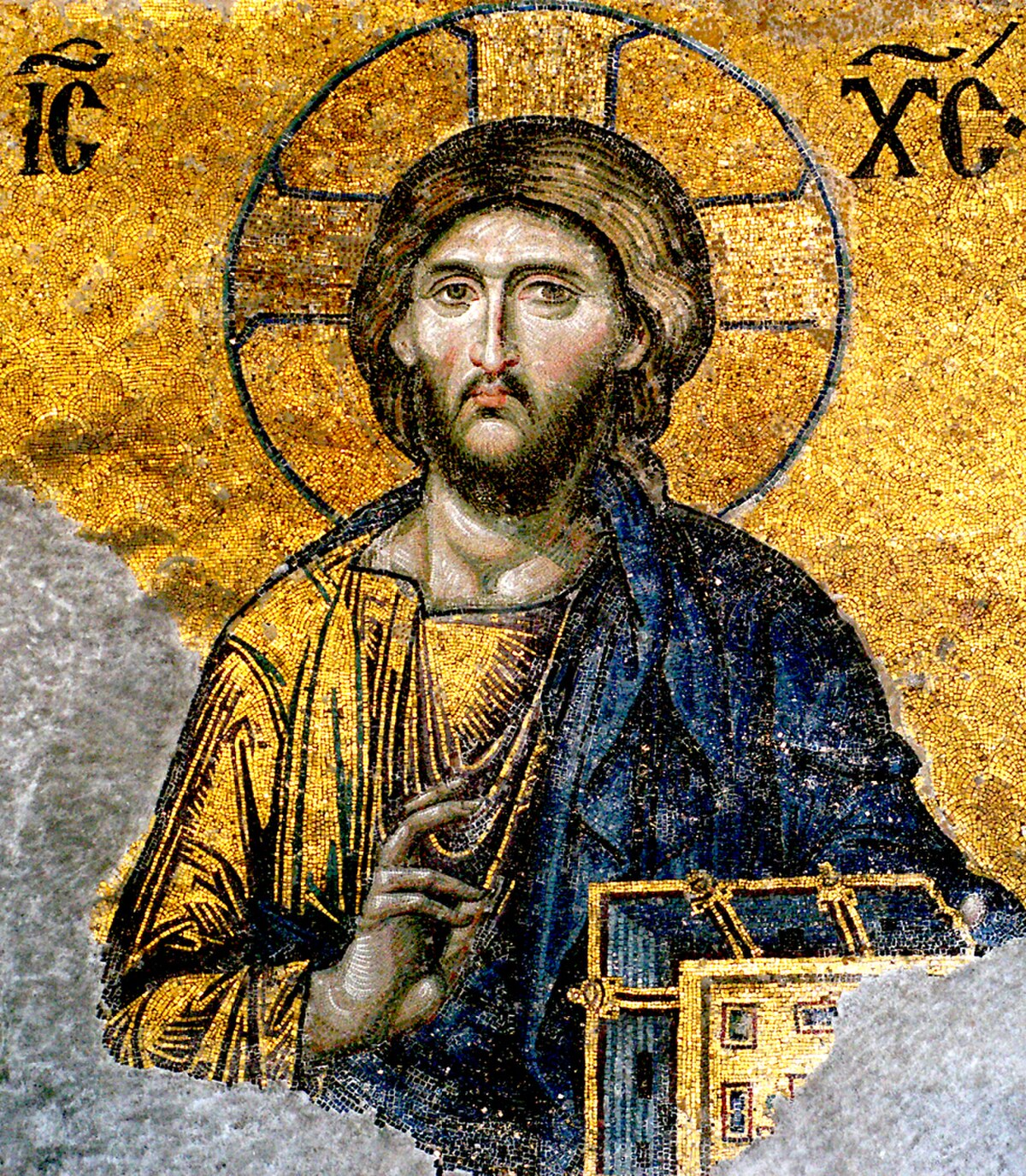
Hristos Pantokrator u Dafniju je izvanredan po intenzitetu svoje formalne kompozicije. Hristos je prikazan u poprsju, zauzimajući kružno polje svoda na način koji stvara iluziju božanskog nadgledanja odozgo. Njegovo lice je naslikano sa asimetrijom koju su istoričari umetnosti odavno uočili: leva strana lica deluje nežnije, otelotvorujući milost i saosećanje, dok je desna strana stroža, sugerirajući sud i božanski autoritet. Ova namerna dualnost transformiše sliku iz statične ikone u psihološki složen portret koji menja karakter u zavisnosti od položaja posmatrača ispod svoda. Duboko usađene oči, artikulisane tamnim teserama i uokvirene oštro definisanim obrvama, prate vernika sa efektom koji je istovremeno intiman i preplavljujući.
Paleta boja je suzdržana, ali svetleća. Zlatna pozadina, sastavljena od staklenih tesera sa podlogom od zlatnog lista, stvara nematerijalni, svetlošću ispunjeni prostor koji rastvara svaki osećaj fizičke zakrivljenosti svoda. Hristovi ogrtači naslikani su u dubokom plavom i crvenkasmosmeđem, tradicionalnim bojama koje označavaju njegovu dvojnu božansku i ljudsku prirodu. Tesere su postavljene pod suptilno variranim uglovima, tehnika koja čini da površina svetluca i menja se kako prirodna svetlost tokom dana prolazi kroz crkveni enterijer. Oreol, sa upisanim krsnim uzorkom i grčkim slovima omikron, omega i ni — koji označavaju „Biće” — deliniran je sa preciznošću, njegove zlatne tesere nešto gušće složene da stvore jači sjaj koji izdvaja sveti nimbus od okolnog zlatnog polja. Knjiga koju Hristos drži u levoj ruci i gest blagoslova desnom prikazani su sa skulpturalnom čvrstinom koja otkriva mozaičarovo poznavanje klasičnih tehnika modelovanja.
Recepcija i nasleđe
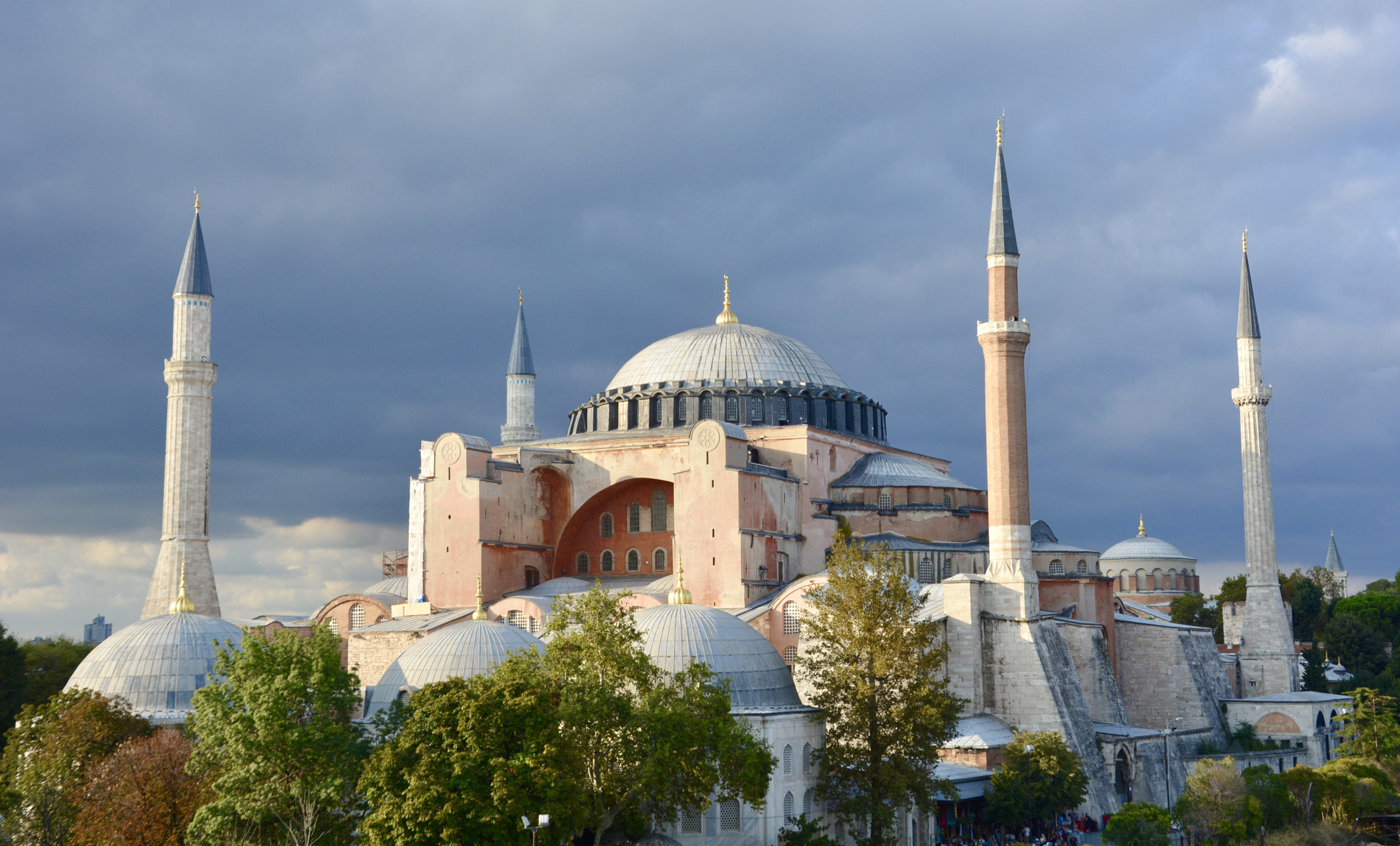
Pantokrator iz Dafnija stoji kao jedno od vrhovnih dostignuća vizantijske monumentalne umetnosti, često citiran uz mozaike Aja Sofije u Konstantinopolju i normansko-vizantijske radove Čefalua i Monreala na Siciliji kao definišuće remek-delo ovog medijuma. Njegov uticaj na kasniji programski ukras svodova širom pravoslavnog sveta bio je znatan, uspostavljajući model za tip Pantokratora koji je opstao kroz paleološki period i u postvizantijsko ikonopisanje. Psihološka složenost slike — njena sposobnost da istovremeno prenese milost i sud božanskog — anticipira preokupacije koje se neće u potpunosti pojaviti u zapadnoj umetnosti do italijanske renesanse, čineći je delom izuzetne dalekovidnosti unutar šire istorije evropske vizuelne kulture.
Manastir i njegovi mozaici pretrpeli su značajnu štetu tokom vekova, uključujući tokom franačke okupacije Grčke posle Četvrtog krstaškog rata i kroz uzastopne zemljotrese. Restauratorske kampanje u dvadesetom veku, posebno one preduzete uz podršku UNESCO-a nakon designacije manastira kao mesta svetske baštine 1990. godine, stabilizovale su i konzervirale preživele mozaike poštujući njihov materijalni integritet. Pantokrator iz Dafnija ostaje referentna tačka u umetnoistorijski studijama vizantijske estetike, istaknuto figurirajući u debatama o odnosu između teologije ikona, klasičnog naturalizma i fenomenologije sakralnog prostora. Njegova trajna moć leži u sposobnosti mozaičara da pomiri apstraktne zahteve teološke simbolike sa duboko ljudskom ekspresivnošću, stvarajući sliku koja prevazilazi svoju liturgijsku funkciju i govori direktno posmatraču kroz gotovo jedno milenijum.