Istorijski kontekst
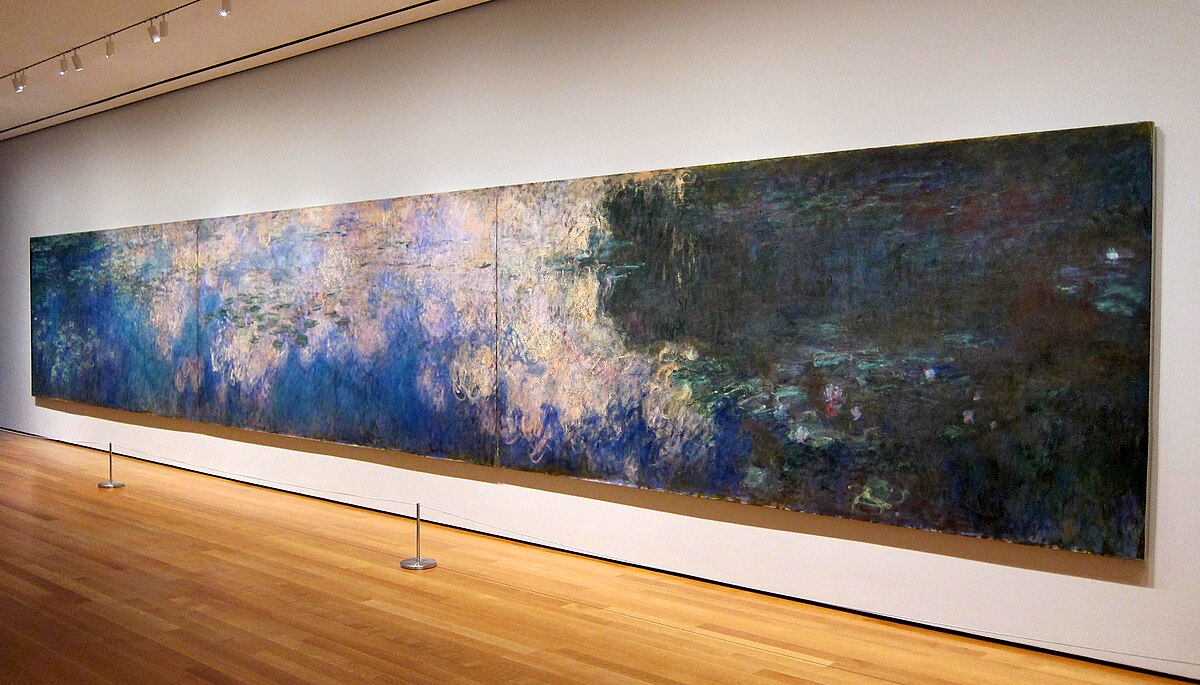
Serijal Lokvanjevi Kloda Monea, poznat kolektivno kao Les Nympheas, predstavlja jedan od najambicioznijih i najupornijih umetničkih projekata u istoriji zapadnog slikarstva. Obuhvatajući otprilike poslednje tri decenije umetnikovog života, od sredine devedesetih godina devetnaestog veka do njegove smrti 1926. godine, serijal sadrži približno 250 uljanih slika koje prikazuju vrt sa vodom koji je Mone projektovao i negovao na svom imanju u Živerniju, malom selu u Normandiji, oko osamdeset kilometara severozapadno od Pariza. Platno iz 1906. godine, danas u Art Institute of Chicago, pripada naročito koncentrisanom periodu produkcije između 1903. i 1908. godine, tokom kojeg je Mone izložio četrdeset osam slika Nympheas u galeriji Dirand-Riel u Parizu, uz znatan kritički aplauz. Ova dela označila su odlučujući zaokret od ranijih slika iz Živernija koje su još uvek uključivale japanski mostić, obale vrta i prepoznatljive prostorne koordinate. Na slikama iz 1906, Mone je potpuno eliminisao liniju horizonta, prikazujući vodenu površinu kao samodovoljan svet — potez koji bi imao duboke posledice za budućnost slikarstva.
Moneov vrt sa vodom u Živerniju bio je sam po sebi umetničko delo, pažljivo planiran i neprekidno održavan kao živa kompozicija boje, oblika i refleksije. Kupio je imanje 1883. godine i stekao susednu parcelu 1893, preusmeravajući ogranak reke Ept da stvori ribnjak koji je naselio lokvanjima uvezenim iz Egipta i Južne Amerike. Zaposlio je tim baštovana — ponekad i do šest — da se staraju o vrtu, uklanjaju alge i pozicioniraju listove lokvanjeva prema njegovim preciznim estetskim specifikacijama. Lučni most u japanskom stilu, inspirisan drvorezima koje je Mone strastveno sakupljao, premoštavao je ribnjak, a žalosne vrbe, glicinija, perunika i bambus obrubljivali su njegove ivice. Vrt je bio, po Moneovom sopstvenom opisu, njegovo „najlepše remek-delo”, Gesamtkunstwerk — totalno umetničko delo — koje je brisalo razliku između prirode i veštine, između motiva i njegove reprezentacije. Slikajući vodeni vrt, Mone je u stvari slikao sliku: predeo koji je već komponovao pre nego što je stavio četku na platno.
Formalna analiza
Radikalna eliminacija linije horizonta na platnima Lokvanjeva iz 1906. stvorila je slikovni prostor bez presedana u evropskom slikarstvu. Fokusirajući se isključivo na vodenu površinu, Mone je ukinuo tradicionalnu distinkciju između prednjeg plana i pozadine, između čvrstog tla i praznog neba. Vodena površina je postala ekran na kome su višestruke realnosti istovremeno koegzistirale: listovi i cvetovi lokvanjeva koji plutaju na površini, reflektovane slike oblaka, neba i okolnog rastinja, i tamne dubine ribnjaka vidljive kroz transparentnu vodu. Ovo trostruko slojevito prostornih ravni — površina, refleksija i dubina — proizvelo je vizuelno polje izvanredne složenosti i dvosmislenosti. Posmatrač ne može da fiksira stabilnu tačku posmatranja niti da odredi konzistentnu prostornu logiku; oko pluta preko platna onako kako lokvanjevi plutaju na vodi, suspendirano između realnosti. Ovo rastvaranje prostorne izvesnosti kasnije bi bilo prepoznato kao jedno od najradikalnijih nasleđa impresionizma, upućujući direktno na sveobuhvatne kompozicije apstrakcije sredine dvadesetog veka.
Moneova tehnika na ovim slikama dramatično je evoluirala od lomljenog, potezima poput zareza tipičnog za njegove ranije impresionističke slike. Na radovima iz 1906, nanosio je boju u dužim, vijugavijim potezima, građeći slojeve boje u procesu akrecije koji se mogao protezati tokom sedmica ili meseci. Često je prerađivao platna, skidajući pasaže i ponovo ih slikajući, dozvoljavajući da se raniji slojevi ponegde naziru kroz površinu. Paleta se kreće od dubokih viridijan zelenih i kobalt plavih u vodi do delikatnih ružičastih, malva i krem tonova u cvetovima lokvanjeva, sa pasažima okera i pečene sijene gde reflektovana svetlost zagreva površinu. Ukupni efekat je luminozna, trepereća atmosfera — opipljiv omotač vlažnog vazduha i difuzne sunčeve svetlosti koji kao da emituje iz same boje, a ne iz nekog identifikujućeg izvora svetlosti. Moneov prijatelj i biograf Gistav Žefrua opisao je efekat kao „vodeni vrt viđen u ogledalu vode”, dočaravajući kvalitet slike kao udvojene, reflektovane stvarnosti.
Do vremena kada je Mone slikao platna iz 1906, njegov vid je već počinjao da biva pogođen kataraktom koja bi progresivno umanjivala njegov vid tokom naredne dve decenije. Dijagnostikovanа 1912. godine, katarakte su uzrokovale žutilo i zamućenje vida koje je sve više menjalo njegovu percepciju boje — plave su postajale teže za razlikovanje, dok su crvene, narandžaste i žute bile prenaglašene. Mone se godinama opirao operaciji, preplašen gubitkom onoga što mu je preostalo od vida, i neki naučnici su tvrdili da se evolucija njegovog kasnog stila — sve širi potezi četke, pojačani topli tonovi, progresivno rastvaranje oblika — može delimično pripisati pogoršanju vida. Nakon što je konačno podvrgnut operaciji katarakte na desnom oku 1923. godine, Mone je bio uznemiren otkrivšikoliko mu se percepcija boje promenila, i ponovo je naslikao nekoliko platana. Ipak, pripisivati njegov kasni stil u potpunosti patologiji bilo bi reduktivno: putanja ka apstrakciji bila je već uspostavljena u delima poput slike iz 1906, znatno pre nego što su katarakte značajno umanjile njegov vid. Rastvaranje oblika bio je umetnički izbor jednako koliko i fiziološka posledica.
Krunsko dostignuće projekta Nympheas je svita monumentalnih murala sa lokvanjima koje je Mone poklonio francuskoj državi i koji su, nakon njegove smrti, instalirani u dve ovalne sale muzeja Orangerie u bašti Tilerije u Parizu. Projekat je nastao u razgovoru između Monea i njegovog prijatelja Žorža Klemantsoa, koji je kao premijer Francuske ohrabrio umetnika da stvori trajno, imersivno okruženje slika lokvanjeva kao „monument miru” nakon primirja 11. novembra 1918. Mone je radio na velikim panelima — od kojih neki mere preko dva metra visine i do sedamnaest metara dužine — u posebno sagrađenom ateljeu u Živerniju od 1914. do svoje smrti 5. decembra 1926. Instalacija u Orangeriji, otvorena za javnost u maju 1927, obavija posmatrača kontinuiranom panoramom vode, svetlosti i vegetacije koja anticipira imersivne instalacije savremene umetnosti. Zakrivljeni zidovi i prirodno gornje svetlo stvaraju iskustvo koje je jednako arhitektonsko i ambijentalno koliko i slikovno.
Značaj i nasleđe
Uticaj Lokvanjeva na kasniju umetnost, naročito na američki apstraktni ekspresionizam, bio je dubok ali odložen. Tokom tridesetih i četrdesetih godina, Moneova kasna dela bila su uglavnom odbacivana kao neugodne proizvode slepog starca u opadanju — bezoblična, sentimentalna i zastarela u poređenju sa rigoroznim formalnim eksperimentima kubizma i geometrijske apstrakcije. Ovaj kritički konsenzus počeo je da se menja pedesetih godina, kada su slikari uključujući Džeksona Poloka, Marka Rotka, Sema Frensisa i Džoan Mičel počeli da se diskutuju u odnosu na Moneova kasna platna. Umetnički kritičar Klement Grinberg, koji je zastupao apstraktni ekspresionizam kao kulminaciju modernističkog slikarstva, priznao je Moneova kasna dela kao ključne prethodnike, a uticajna izložba 1956. godine u Muzeju moderne umetnosti, kurirana od strane Vilijama Zajca, čvrsto je smestila Nympheas unutar narativa modernističke apstrakcije. Sveobuhvatna kompozicija, rastvaranje odnosa figura-pozadina, naglasak na čistom optičkom doživljaju i monumentalna razmera murala u Orangeriji — sve je našlo odjeke u platnima velikog formata Njujorške škole.
Danas su slike Lokvanjeva među najrasprostranjenijim i najuniverzalnije voljenim delima u istoriji umetnosti, sa platnima u posedu velikih muzeja širom sveta, od Musee d’Orsay i Musee Marmottan Monet u Parizu do Metropoliten muzeja umetnosti, Nacionalne galerije u Londonu i Art Institute of Chicago. Njihova popularnost kod šire javnosti ponekad je izazivala kritičku sumnjičavost — osećaj da slike koje se tako lako cene ne mogu biti zaista radikalne — ali ovaj stav pogrešno tumači prirodu Moneovog dostignuća. Lokvanjevi uspevaju upravo zato što funkcionišu na pragu reprezentacije i apstrakcije, nudeći čulni užitak prepoznatljive prirodne lepote dok istovremeno rastvaraju tu lepotu u čista polja boje i svetlosti. Oni su, u najdubljem smislu, slike o samoj percepciji — o činu gledanja sveta koji je uvek u pokretu, koji se uvek rastvara i ponovo konstituiše na treperećoj površini svesti.